




Apple's ecosystem has always been about seamless integration, but the upcoming fusion of Apple Health with ChatGPT represents something entirely different—a leap into truly intelligent health companionship. What makes this particularly fascinating is the perfect timing: while Apple develops its comprehensive Health+ platform for 2026, users are already experiencing the power of this combination through current manual processes.
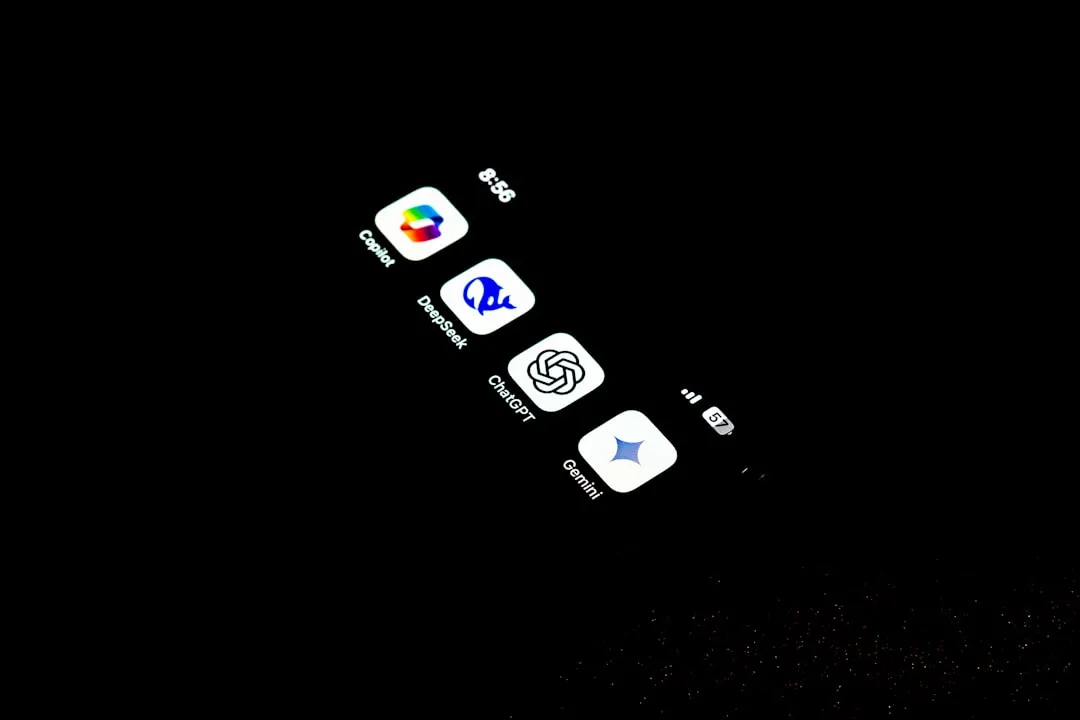
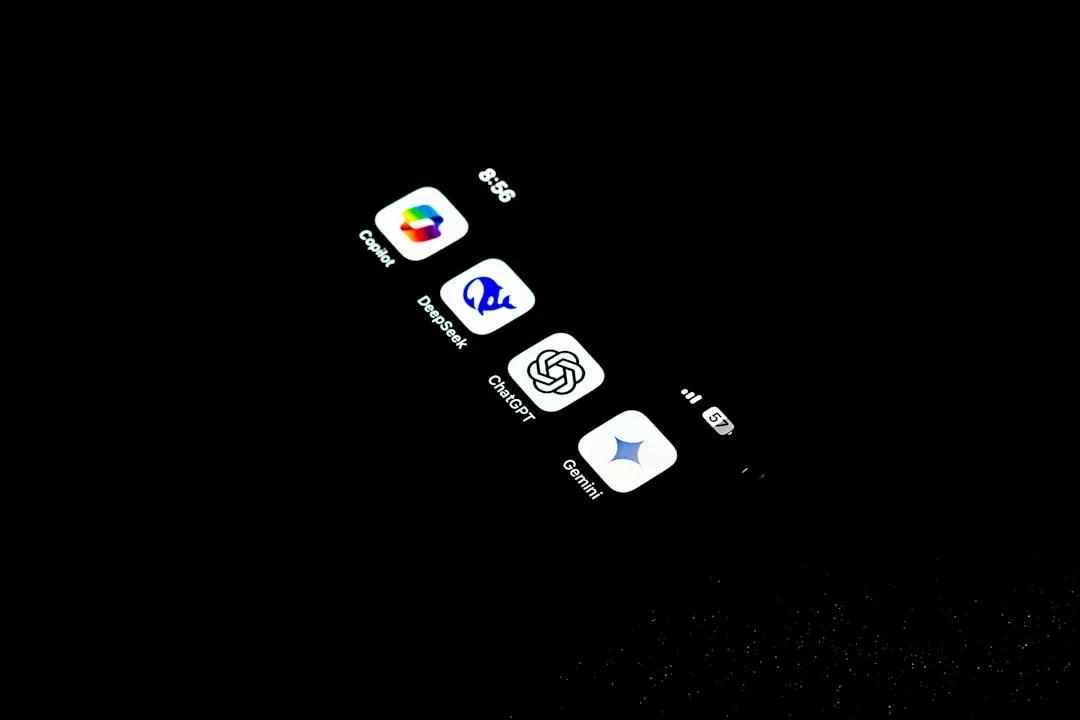
Users can currently share Apple Health activity data with ChatGPT by uploading screenshots or data exports, revealing meaningful patterns that traditional health summaries miss. Meanwhile, Tim Cook has confirmed plans for multiple third-party AI integrations beyond ChatGPT, and recent reports confirm Apple's Health+ platform remains on track for 2026 launch.
This convergence isn't just about adding AI to health—it's about fundamentally reimagining how we understand and interact with our bodies' data, creating a future where your iPhone becomes as knowledgeable about your health as your doctor.
What makes Apple Health + ChatGPT such a compelling combination?
The current manual process reveals extraordinary potential that native integration could unlock. When users upload their health data, ChatGPT can identify patterns like correlations between activity levels and sleep quality, or subtle improvements in resting heart rate over time. One user discovered their resting heart rate gradually improved from 57 bpm to 55 bmp over several weeks—the kind of trend that's nearly impossible to spot in standard health summaries.
But here's where it gets interesting: Apple Intelligence currently operates on iPhone 15 Pro and iPhone 16 models, handling tasks like notification prioritization and photo organization directly on-device. However, Apple Intelligence has significant limitations when complex health queries require extensive medical knowledge and contextual understanding.
This creates the perfect opportunity for ChatGPT integration. ChatGPT has achieved 60% pass rates on medical examinations and can provide sophisticated symptom analysis—capabilities that naturally complement Apple's privacy-focused on-device processing. Imagine asking your iPhone about a concerning health trend and receiving an analysis that combines your personal data patterns with medical knowledge that would typically require a doctor's visit.
The transformation from manual data sharing to seamless integration could enable real-time workout adjustments based on recovery patterns, automatic health alerts when concerning trends emerge, or personalized wellness recommendations that evolve with your changing health profile.
How Apple's Health+ strategy creates the perfect foundation
Apple's strategic approach to Health+ reveals how ChatGPT integration fits into a much larger vision. The company is developing an AI-powered Health+ service for 2026 that will feature personalized wellness coaching, nutrition tracking, and health insights—each area where ChatGPT's analytical capabilities could provide immediate enhancement.
This subscription-based platform will leverage AI to provide tailored recommendations and coaching based on individual health data. Rather than generic wellness advice, imagine AI-driven coaching that understands your specific sleep patterns, activity preferences, and health goals, then provides recommendations that evolve based on your progress and setbacks.
The integration runs deeper than standalone features. The redesigned Siri expected with iOS 27 in mid-2026 will work alongside Health+, enabling users to ask complex health-related questions and receive AI-generated responses based on personal data. Instead of wondering whether your recent sleep troubles are connected to your new workout routine, you could simply ask Siri and get an analysis based on your actual patterns.
Apple has already begun merging Fitness+ with Health to create a unified wellness ecosystem, laying the groundwork for ChatGPT integration that could span from basic activity tracking to sophisticated health coaching. Health+ represents Apple's bid to become one of the first major tech companies to gain real traction in the AI health chatbot space.
Privacy challenges that Apple must solve
The integration of ChatGPT with Apple Health data creates privacy challenges that go far beyond typical AI applications. Health data represents the most sensitive category of personal information, requiring protections that standard ChatGPT integrations don't address.
Apple has assured users that while some data processing occurs on-device, intensive tasks will be offloaded to the cloud without storing user data permanently. The company's Private Cloud Compute technology aims to balance data privacy with AI capabilities by processing most tasks locally and sending only necessary data to the cloud.
Current protections provide a foundation but need enhancement for health applications. ChatGPT integration ensures that requests made via Siri or Writing Tools are not stored by OpenAI, and users' IP addresses are obscured. However, health queries require additional safeguards—analyzing sleep patterns or heart rate trends involves more sensitive inference than helping write an email.
The technical solutions are emerging but require careful implementation. Privacy-preserving strategies for health records in the AI era include deidentification, surrogate generation, federated learning, and differential privacy. These approaches need careful implementation based on specific AI tasks, data types, and computational infrastructure to ensure user privacy while maintaining analytical functionality.
What's encouraging is Apple's track record and strategic approach. The company's internal AI efforts focus on integrating AI in ways that reinforce core brand values—privacy, simplicity, and trust. For health AI integration, this means developing new technical approaches that could set industry standards for how sensitive personal data interacts with AI systems.
Real-world applications that transform daily health management
The practical applications extend from immediate health insights to potentially life-saving medical guidance. ChatGPT can assist with patient triage by analyzing symptoms and providing guidance, potentially reducing healthcare workload while offering users immediate insights into concerning health patterns.
Current user experiences demonstrate the transformative potential. ChatGPT provides actionable suggestions like maintaining consistent workout logging and monitoring resting heart rate to identify early signs of overtraining or stress. Users have discovered that less activity during certain weeks correlates with better sleep quality—personalized insights that could fundamentally change how someone approaches their health routine.
For chronic disease management, the applications become even more significant. In chronic disease management, the AI can facilitate symptom tracking and provide personalized guidance based on individual health trends. Instead of generic advice, users could receive recommendations tailored to their specific condition patterns, medication schedules, and lifestyle factors.
The medical documentation capabilities offer additional value. ChatGPT can generate health summaries and treatment records when supervised by healthcare professionals. Imagine walking into a doctor's appointment with an AI-generated health summary that highlights concerning trends, improvements, and correlations based on months of continuous monitoring data.
However, implementation requires careful oversight. Risks include potential inaccuracies and AI hallucinations that require careful oversight, particularly when dealing with medical guidance that could influence healthcare decisions.
Where this integration leads us next
The convergence of Apple Health and ChatGPT represents the opening move in a healthcare transformation that extends far beyond individual wellness tracking. Apple's partnerships with multiple AI providers, including OpenAI and Alibaba, suggest a multi-faceted approach where users might choose specialized AI capabilities for different health concerns—ChatGPT for general wellness insights, specialized AI for chronic condition management, and others for nutrition optimization or mental health support.
Enhanced Siri capabilities expected next year will likely transform how we access medical information. Instead of searching symptoms online and falling down WebMD rabbit holes, users could ask Siri questions based on their actual health data and receive personalized, contextual responses that account for their medical history and current trends.
The broader implications extend to population health and medical research acceleration. When millions of users generate AI-powered health insights, the aggregated and properly anonymized learnings could advance medical research in unprecedented ways. Apple's broader Apple Intelligence initiative positions health AI as a cornerstone of the company's future ecosystem, with implications extending beyond individual wellness to healthcare system transformation.
With Health+, Apple aims to transform the iPhone and Apple Watch into proactive health companions that offer real-time coaching and insights based on biometric data. This isn't just about having more health apps—it's about fundamentally changing the relationship between individuals and their health data, making sophisticated medical insights as accessible as weather forecasts.
The success of this integration will ultimately depend on Apple's ability to balance innovation with privacy protection, regulatory compliance, and clinical accuracy. As we approach 2026 and the full Health+ launch, we're looking at a future where AI health companions could know our bodies better than we do, offering personalized insights that could prevent health problems before they become serious. The question isn't whether this will transform healthcare—it's how quickly we'll adapt to having AI health advisors that understand our individual patterns better than any human ever could.








Comments
Be the first, drop a comment!