



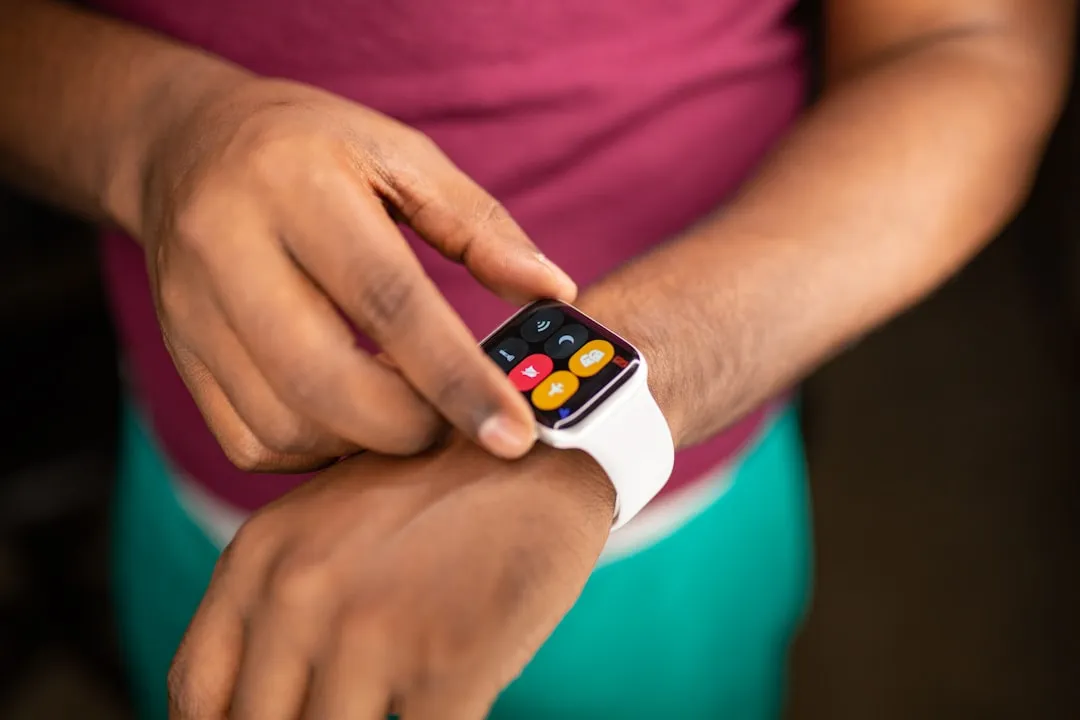
When you think about Apple Health today, you're looking at a comprehensive data collection platform that tracks everything from your daily steps to your heart rate variability. But what if that same app could actually understand your health patterns and provide intelligent insights about what all that data means? That's exactly what's coming with Apple's upcoming Health+ platform and its integration with ChatGPT, and it represents a fundamental shift from passive health monitoring to active health intelligence.
The timing couldn't be more perfect. Apple's Health+ initiative remains on track for its 2026 launch, and the groundwork is already being laid through Apple's existing ChatGPT integration framework. Right now, if you're curious enough, you can already share your Apple Health activity data with ChatGPT by uploading screenshots or data exports, and the results are genuinely impressive—revealing meaningful patterns that traditional health summaries completely miss.
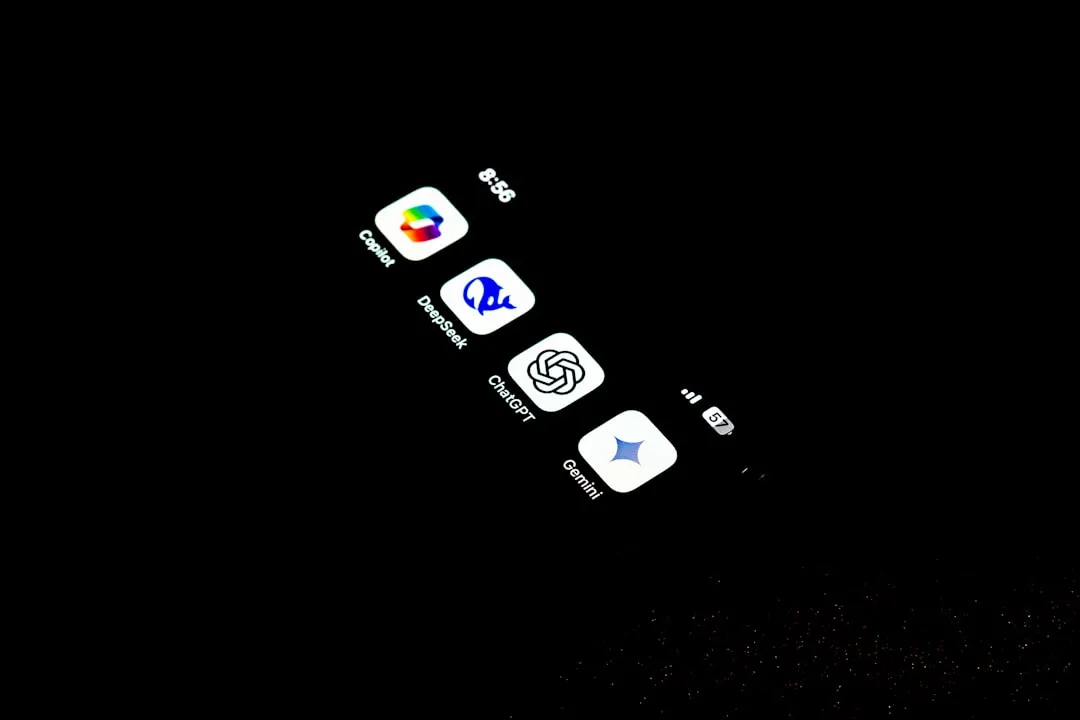
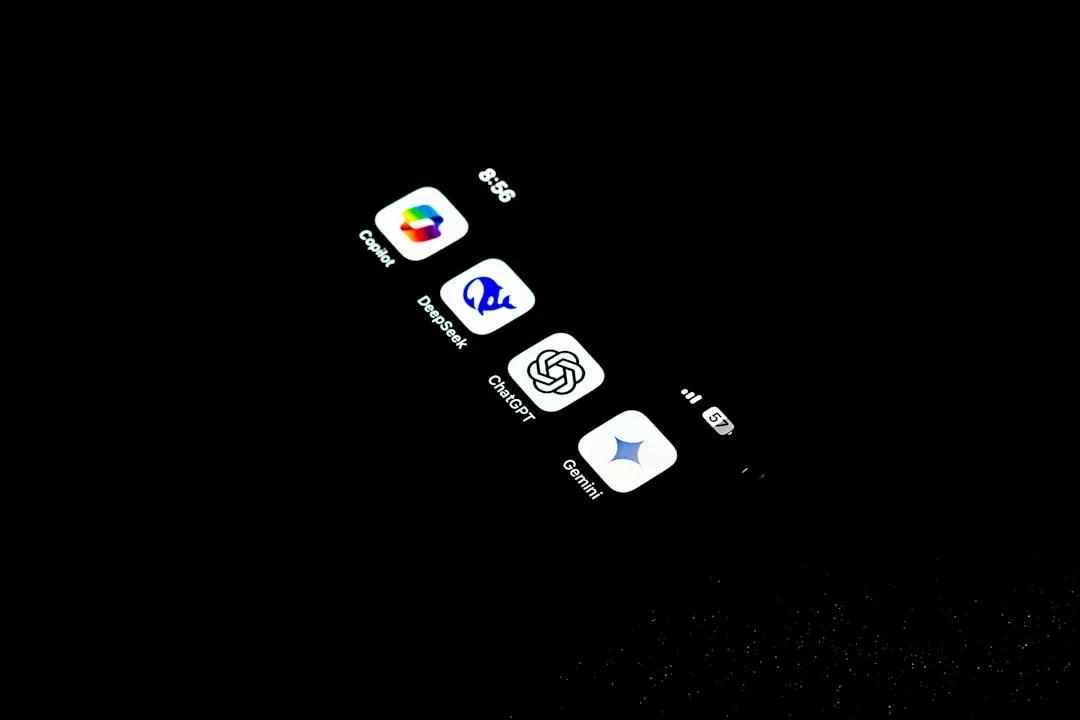
But here's what makes this upcoming integration so compelling: Tim Cook has confirmed plans for multiple third-party AI integrations beyond ChatGPT, positioning this ChatGPT connection as the cornerstone of a much more expansive AI health ecosystem. This isn't just about adding another feature—we're looking at the architecture for how millions of people will understand and manage their health in the coming decade.
What makes this integration so powerful?
The real game-changer emerges from the intersection of ChatGPT's proven medical capabilities and Apple's privacy-first approach to health data. Here's something you might not realize: ChatGPT has already achieved 60% pass rates on medical examinations and can provide sophisticated symptom analysis—capabilities that align perfectly with Apple's on-device processing philosophy, creating an unprecedented combination of clinical intelligence and privacy protection.
Think about what this means in practical terms. Instead of looking at charts showing your sleep declined last week, you could ask your phone "Why has my sleep quality been worse lately?" and get an analysis that connects your sleep patterns to your exercise timing, caffeine intake, stress indicators, and even environmental factors tracked by your devices. This goes far beyond simple data visualization—we're talking about personalized health coaching that can spot concerning patterns weeks before they become obvious problems.
The upcoming Health+ service is designed as a comprehensive AI-powered platform featuring personalized wellness coaching, nutrition tracking, and health insights—each area representing a perfect application for ChatGPT's analytical capabilities. But what's particularly exciting is how this leverages Apple's existing infrastructure evolution. The company has already begun merging Fitness+ with Health to create a unified wellness ecosystem, creating the ideal foundation for AI integration that spans from basic activity tracking to sophisticated health coaching.
What sets this apart from generic health apps is ChatGPT's demonstrated healthcare capabilities. Beyond basic Q&A, the system has proven effectiveness in diagnostic assistance, personalized treatment recommendations, and health education, and in specific scenarios, it can predict patient outcomes more accurately than human physicians. When you combine this analytical sophistication with Apple's comprehensive health data ecosystem, you're looking at the potential for preventive health insights that could genuinely impact health outcomes before problems develop.
How the integration will actually work
The technical implementation should feel seamless, building on Apple's existing ChatGPT framework introduced with iOS 18.2. Users can already access ChatGPT through Apple Intelligence without needing separate accounts, and this same approach will extend to health applications. The elegance of Apple's current system lies in its simplicity—you get advanced AI capabilities without the friction of managing another service or subscription.
Here's the technical foundation that makes this work: when using ChatGPT through Apple's system, only basic information like timezone, country, and device type gets sent to OpenAI, and OpenAI doesn't receive information tied to Apple accounts unless users explicitly sign into ChatGPT. This privacy-protective architecture provides the blueprint for health applications that maintain Apple's stringent data protection standards while enabling powerful AI analysis.
The ecosystem integration becomes transformative when you consider the broader Apple Intelligence roadmap. The redesigned Siri expected with iOS 27 in mid-2026 will work alongside Health+, enabling users to ask complex health-related questions and receive AI-generated responses based on their personal data. Picture asking Siri "Should I be concerned about my heart rate patterns this week?" and receiving detailed analysis that contextualizes your data against your personal baseline, recent activities, medication timing, and sleep quality.
For health applications, Apple will need to implement enhanced safeguards beyond current protections. This likely involves data deidentification, federated learning, and differential privacy techniques to ensure powerful AI analysis doesn't compromise personal privacy. The technical complexity of maintaining both intelligence and privacy helps explain why the full Health+ rollout has been delayed from the original iOS 26 timeline to allow for further refinement.
Privacy considerations that actually matter
Let's address the critical question: health data privacy. Apple has built its entire health platform reputation on keeping sensitive information on-device, and this ChatGPT integration represents the ultimate test of that commitment. The encouraging foundation is that Apple's current privacy protections already establish strict boundaries—ChatGPT accessed through Siri cannot retrieve personal memories or access clipboard contents, demonstrating Apple's commitment to controlling data access even with third-party AI services.
However, healthcare applications demand even higher standards. ChatGPT doesn't provide HIPAA compliance out of the box, which means Apple must implement additional security measures. This could involve approaches like Microsoft Azure OpenAI Service for healthcare applications or developing proprietary techniques that provide AI insights while keeping the most sensitive health information entirely on-device.
The implementation strategy will likely involve sophisticated privacy-preserving techniques. Instead of sending raw health data to external servers, Apple could use surrogate data generation—creating anonymized representations of your health patterns that enable AI analysis without exposing personal information. Alternatively, federated learning approaches could allow AI models to learn from population-level patterns while keeping individual data completely private.
What's particularly reassuring is Apple's track record with health data protection. The company has consistently chosen more restrictive approaches when health information is involved, even when it limits functionality. This same philosophy will likely extend to the ChatGPT integration, potentially creating a new standard for AI-powered health applications that prioritize privacy without sacrificing intelligence. The technical challenges of achieving this balance explain the careful timeline Apple has set for the Health+ rollout.
What this means for the future of digital health
This integration represents far more than a new app feature—it's potentially the opening move in a healthcare transformation with implications extending well beyond individual wellness tracking. Consider the broader healthcare ecosystem: over 85% of doctors use iPhones, which means this integration could fundamentally influence how healthcare professionals interact with patient data and make clinical decisions.
The democratization potential is staggering. We're looking at sophisticated health analysis becoming available to millions of people who previously had access only through expensive consultations or specialized software. When you combine ChatGPT's ability to analyze patient data and predict outcomes more accurately than human physicians in specific scenarios with Apple's massive user base, you get the foundation for preventive healthcare on an unprecedented scale.
Apple's strategic positioning as potentially the first major tech company to gain significant traction in the AI health chatbot space provides substantial competitive advantages in a market with enormous growth potential. The global healthcare chatbot market is projected to reach $1.168 billion by 2032, and Apple's privacy-first approach to AI health integration could capture significant market share while establishing new industry standards.
The convergence opens possibilities for healthcare applications we're only beginning to imagine. Think about real-time health coaching during workouts that adapts based on your heart rate variability and recovery patterns, predictive health alerts that warn you about potential issues days before symptoms appear, or preliminary symptom analysis that helps you decide whether concerning changes warrant a doctor visit. As AI capabilities advance and Apple refines this integration, we're looking at the foundation for entirely new categories of preventive healthcare tools.
The broader healthcare efficiency implications are equally compelling. ChatGPT has demonstrated capabilities in generating patient letters, discharge summaries, and referral letters, reducing administrative burden that currently plagues healthcare systems. When you scale these efficiency gains across Apple's ecosystem, you're talking about potential improvements in healthcare delivery that could genuinely impact patient outcomes while reducing system costs.
Bottom line: We're witnessing the early stages of what could become the most significant advancement in consumer health technology since the original Apple Watch launched. The fusion of Apple Health's comprehensive data collection with ChatGPT's analytical intelligence isn't just about making health apps smarter—it's about fundamentally transforming how we understand, predict, and optimize our health outcomes. If Apple can execute this vision while maintaining their privacy commitments, they'll establish a new paradigm for what AI-powered healthcare should look like, setting the stage for a future where personalized health intelligence becomes as fundamental as checking your messages.







Comments
Be the first, drop a comment!