





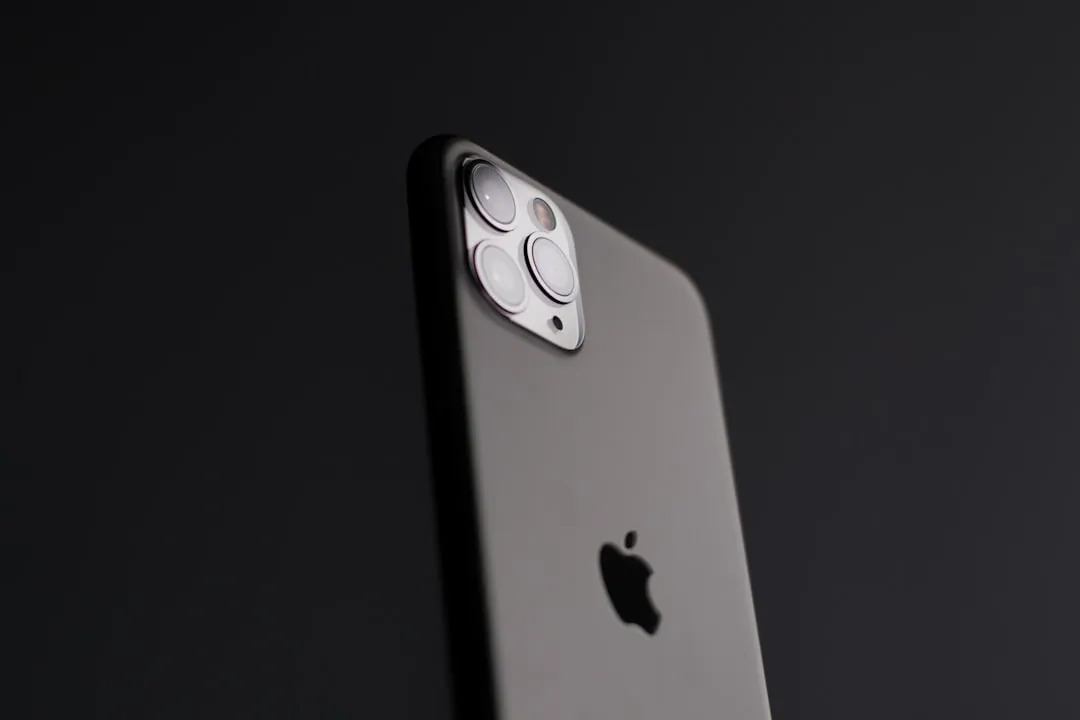
Apple's foldable iPhone has been one of the most anticipated devices in recent tech rumors, and now fresh reports suggest the company is taking a predictable yet significant step with its connectivity approach. Recent leaks from a well-known Chinese source indicate that Apple's first foldable device will eliminate physical SIM card slots entirely, according to MacRumors. The timeline for this groundbreaking device points to a late 2026 or early 2027 launch, based on multiple industry reports. The so-called "iPhone Fold" is expected to feature dual displays with a 5.5-inch outer screen and an impressive 7.8-inch inner panel that opens like a book, similar to current Android foldables.
Why eSIM-only makes perfect engineering sense
Here's the thing about building ultra-thin devices like foldables—every millimeter of internal space becomes absolutely precious. When Apple designed the iPhone Air at just 5.64mm thick, they faced the same spatial constraints that will define the iPhone Fold's engineering choices, as noted in recent Apple announcements. Physical SIM card slots aren't just about the card itself—they require dedicated space for the tray mechanism, ejection system, and all the associated hardware components that make traditional SIM swapping possible, according to industry analysis.
Digital SIM technology completely eliminates these space-consuming elements, and when you're building something as ambitious as a foldable device, that saved space isn't optional—it's essential. Apple can redirect that recovered internal volume toward optimizing battery capacity, improving the hinge mechanism, or maintaining the sleek profile that users expect from premium foldable devices, reports suggest.
What makes this particularly compelling from an engineering perspective is that the physical SIM card consumes significantly more internal space than an eSIM chip, which measures roughly half the size of a Nano SIM. But the space savings extend far beyond just the card dimensions—the iPhone 17 Air design eliminates multiple components: the tray mechanism, ejection system, and associated hardware needed to read physical cards. For the iPhone Fold, which needs to accommodate two displays, sophisticated hinge hardware, and maintain structural integrity through thousands of fold cycles, this space reclamation becomes critical for achieving the thin profile that defines Apple's design philosophy.
The China challenge: regulatory hurdles ahead
Now here's where things get genuinely complicated for Apple's global rollout strategy. Chinese consumers have demonstrated a strong preference for physical SIM activation and dual-SIM functionality, creating significant market challenges for any eSIM-only device, according to market analysis. This preference isn't just cultural—it's deeply embedded in the country's mobile ecosystem and lightning-fast device resale culture.
China's dynamic device resale market makes quick SIM transfers absolutely essential for millions of users who frequently buy, sell, and trial new devices. Being able to instantly transfer connectivity by popping out a SIM card is part of the expected user experience. An eSIM-only foldable iPhone would need seamless carrier provisioning to succeed in this environment, based on current market dynamics.
The regulatory landscape adds another layer of complexity. All smartphones sold in China must obtain a Network Access License (NAL) and a State Radio Regulation of China (SRRC) Type Approval Certificate from the Ministry of Industry and Information Technology (MIIT). Apple is already working with major Chinese carriers including China Mobile, China Telecom, and China Unicom to support eSIM functionality, but the current implementation still requires in-store visits for activation—a friction point that could significantly impact the iPhone Fold's appeal in one of Apple's most important global markets, based on current procedures.
However, there's reason for cautious optimism. The MIIT has publicly stated that it has been studying the use of eSIM technology and has already granted approval for eSIM-only IoT devices and smartwatches, such as the Apple Watch. This regulatory precedent suggests Apple could navigate the approval process for the iPhone Fold, though the timeline remains uncertain for the device's target launch window.
Premium pricing meets cutting-edge features
The iPhone Fold is shaping up to be Apple's most expensive smartphone yet, with pricing estimates ranging between $2,000 and $2,500 in the United States, according to industry projections. This premium positioning reflects the advanced technology Apple is reportedly integrating—features that justify the flagship pricing tier.
The leaked specifications paint a picture of genuine innovation. We're looking at a 24-megapixel under-display camera system that could eliminate visible camera cutouts on the inner display, and Apple is reportedly working on a completely crease-free inner panel—a significant leap beyond current Android foldables, based on recent leaks.
Battery technology represents another major advancement. The device is expected to feature a substantial capacity ranging from 5,000 to 5,500 mAh, significantly larger than current iPhone models, according to technical specifications. This improvement addresses one of the most persistent concerns about foldable devices—ensuring all-day battery life while powering dual high-resolution displays.
The camera system takes a strategic approach to space optimization. The foldable iPhone is said to sport four cameras in total: a dual-lens system on the rear and one front camera on each display. The main camera is tipped to be a 48MP primary sensor, while the front cameras may use 24MP sensors. This represents a more conservative camera approach compared to iPhone Pro models, but it makes engineering sense for a first-generation foldable where internal space is at such a premium.
Construction materials reflect Apple's premium positioning, with reports suggesting a combination of titanium and aluminum construction, plus Apple's signature toughened glass, based on manufacturing details. These aren't just aesthetic choices—foldable devices face unique durability challenges, and Apple's material selections will be critical to long-term reliability and user confidence.
What this means for the mobile industry's future
Apple's eSIM-only approach for the iPhone Fold reflects a broader industry transformation that's gaining serious momentum worldwide. The numbers tell a compelling story: current forecasts show 1.3 billion people already own eSIM-compatible smartphones, with projections reaching 3 billion by 2030, according to market research. This isn't just gradual adoption—it represents a fundamental shift in mobile connectivity architecture.
The security advantages become particularly compelling for premium devices like the iPhone Fold. eSIMs cannot be removed from stolen devices, eliminating a common escape route for thieves who traditionally pop out SIM cards to avoid tracking, as security experts note. For users investing $2,000+ in a foldable device, this enhanced security layer provides meaningful peace of mind.
From a user experience perspective, the flexibility advantages are substantial. Users can manage up to eight eSIMs simultaneously on compatible devices, transforming international travel from a logistics challenge into a seamless experience, based on current capabilities. Instead of hunting for local SIM cards or dealing with tiny ejection tools, travelers can instantly activate local data plans directly through their device.
Apple's timing aligns with critical infrastructure readiness milestones. By 2025, 98% of mobile network operators globally will support eSIMs, which means the technological foundation for Apple's eSIM-only strategy is already established. This isn't coincidental—Apple has been carefully monitoring global eSIM adoption and carrier preparedness before committing to this direction with their most premium device category.
The industry validation extends beyond Apple's ecosystem. Google's Pixel 10 US models have joined the eSIM-only movement, which validates Apple's strategic direction and demonstrates broader manufacturer acceptance. Samsung is watching these developments closely, and successful eSIM-only premium devices like the iPhone Fold could accelerate similar moves throughout the Android ecosystem.
Looking ahead, the iPhone Fold's eSIM-only design positions Apple to leverage emerging connectivity innovations. As 5G networks mature and new technologies like satellite connectivity become more prevalent, digital SIM profiles offer the flexibility to quickly adapt to new network configurations and services without requiring hardware changes or physical SIM replacements. This forward-compatibility becomes increasingly valuable as mobile networks evolve toward more sophisticated, software-defined architectures.
The future is folding toward digital connectivity
The iPhone Fold's eSIM-only design isn't just a logical engineering choice—it's an inevitable step toward a more secure, flexible, and globally connected mobile future. While regulatory challenges in markets like China may create short-term adoption hurdles, the long-term benefits of digital SIM technology align perfectly with Apple's vision for thinner, more secure, and seamlessly connected devices. This foldable iPhone won't just fold screens—it's helping to fold the traditional boundaries of how we connect to mobile networks, setting the stage for the next decade of mobile innovation.











Comments
Be the first, drop a comment!