



When you look at Apple's supply chain activity right now, there's something unmistakably different happening. The company is preparing for significant demand for what could be its most ambitious product launch since the original iPhone. We're talking about the long-rumored iPhone Fold, and based on recent supply chain reports, it's not just a prototype anymore—it's moving rapidly toward reality.
The buzz isn't just speculation at this point. Apple has reportedly successfully eliminated the visible crease that's been the Achilles' heel of every foldable phone on the market, and their sales projections have jumped dramatically. The company now expects 8 to 10 million units in the first year alone, up from earlier estimates of 6 to 8 million. This confidence boost signals Apple sees genuine market potential where competitors have struggled with consumer adoption.
What's driving Apple's supply chain confidence?
Here's what's fascinating about Apple's approach to this launch: they're not just building another phone, they're orchestrating the most complex supply chain operation they've ever attempted. Samsung Display is reportedly preparing 7 to 8 million foldable panels specifically for Apple's device. That's not a small test run—that's a massive manufacturing commitment requiring entirely new production lines and quality control processes.
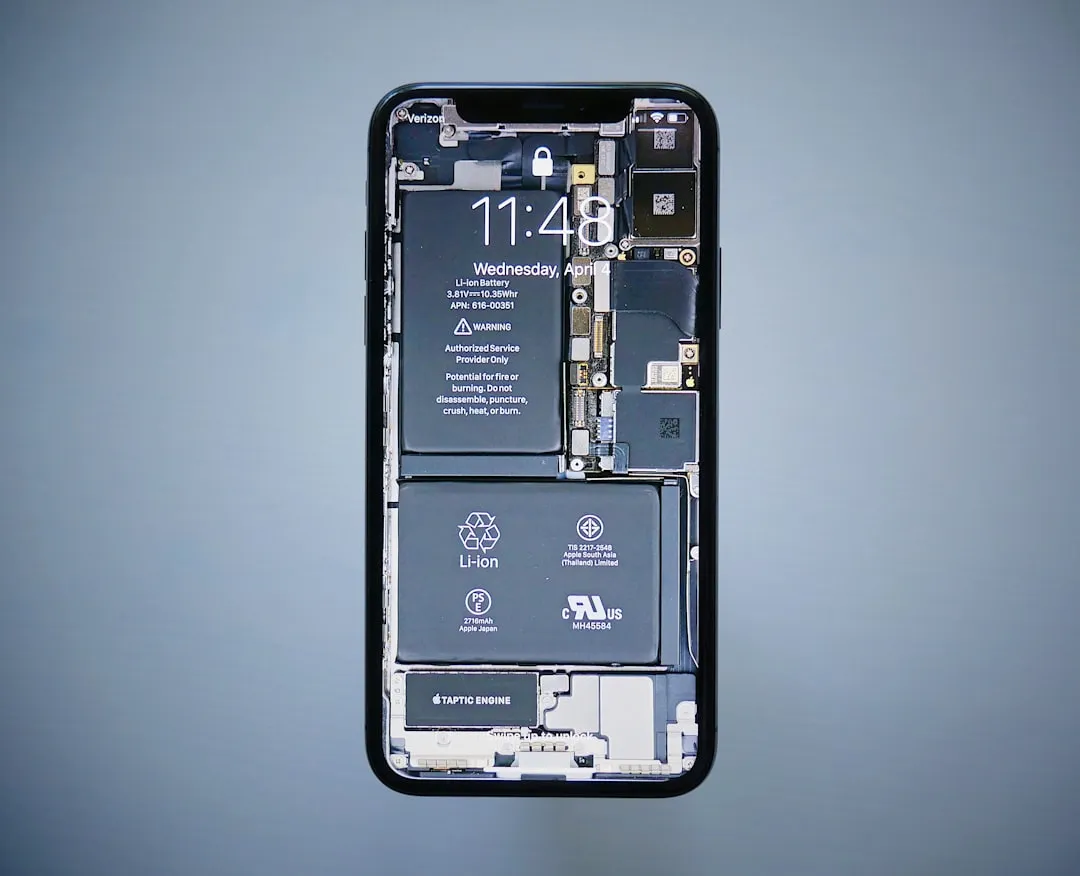
But it goes deeper than just displays. Apple has been stockpiling advanced components including titanium frames and complex hinge assemblies months ahead of the expected 2026 launch window. This level of advance procurement goes beyond their typical iPhone launches because foldable components involve unprecedented manufacturing complexity—dual display systems, precision hinge mechanisms, and materials that must withstand thousands of folding cycles while maintaining structural integrity.
What makes this particularly strategic is their supplier diversification approach. Chinese manufacturer Lens Technology could become Apple's primary glass supplier for the ultra-thin glass displays, while Amphenol of the United States has been narrowed down as the main hinge supplier. This fits perfectly with Apple's recent "China+1" strategy—but more importantly, it spreads the technical risk across multiple suppliers, ensuring no single component bottleneck can derail the launch.
Engineering breakthrough: solving the crease problem
Now here's where things get really exciting from a technology standpoint. If the reports are accurate, Apple has cracked the code that every other foldable manufacturer has been struggling with: the dreaded crease. Supply chain sources indicate Apple has reengineered the panel structure to eliminate creases entirely, working closely with Samsung to develop manufacturing techniques that could fundamentally change how foldable displays are constructed industry-wide.
The solution involves some seriously advanced engineering. We're talking about using liquid metal for the hinge components combined with a structural glass mid-frame that minimizes visible display creasing. But this isn't just an incremental improvement—it represents Apple applying their broader materials innovation philosophy, where they've historically pioneered aluminum unibody construction, ceramic backs, and surgical-grade stainless steel, to solve foldable technology's biggest weakness.
This breakthrough didn't come cheap or easy. According to supply chain sources, Apple decided to eliminate the crease regardless of price to differentiate from existing foldable phones. The result is expected to be a device featuring a 7.8-inch crease-free inner display and a 5.5-inch outer screen, with the inner display potentially incorporating under-display camera technology—innovations that could influence their future iPad and MacBook designs.
Production timeline and market expectations
The iPhone Fold's development is following Apple's tried-and-true product development phases, and we're now seeing some concrete milestones that reveal their confidence in market timing. Recent reports indicate the device has moved into the Engineering Validation Test (EVT) phase, which is critical because EVT means Apple produces around 100 functional units that closely resemble the final product in both design and performance.
This timing is strategically significant. Mass production is scheduled to begin in the second half of 2026, with Foxconn expected to handle final assembly. September 2026 isn't just Apple's traditional iPhone launch window—it represents optimal market conditions where foldable technology will have matured enough for mainstream adoption while giving Apple first-mover advantage in premium foldables that actually work seamlessly.
Market analysts are getting bullish about the potential impact. TrendForce expects the device to feature displays measuring 5.5 inches externally and 7.8 inches internally, launching in the second half of 2026. But here's where it gets really interesting: Apple's raised production targets suggest they're seeing strong internal demand signals, with expectations now reaching 20 to 25 million units by 2027, compared to previous estimates of 10 to 15 million—indicating they believe this won't just be a niche product but a new mainstream category.
Premium positioning and supply chain economics
Let's talk about the elephant in the room: pricing. The iPhone Fold isn't going to be cheap, and Apple's supply chain preparations reflect a device that justifies premium pricing through genuine technological advancement. Analyst Ming-Chi Kuo predicts pricing between $2,000 and $2,500, while other estimates suggest the device could cost nearly $2,400. This pricing makes sense when you break down the manufacturing complexity: two premium displays, liquid metal hinge components, crease-elimination technology, and titanium construction—essentially delivering laptop-grade engineering in smartphone form.
The premium pricing strategy allows Apple to invest heavily in breakthrough manufacturing processes that competitors simply can't afford to develop. They're building infrastructure for technologies that will eventually trickle down to more affordable devices, following their historical pattern with features like Touch ID, Face ID, and advanced camera systems.
The economic implications ripple throughout Apple's entire supplier network. Apple has placed orders for 15 to 20 million foldable iPhone units over the device's initial lifecycle, representing transformational revenue opportunities for component suppliers. We're looking at a device that will likely feature storage options starting at 256GB and battery capacity estimated between 5,000 and 5,500 mAh, requiring specialized high-density battery cells and advanced storage solutions that push the entire supply chain toward next-generation capabilities.
The bigger picture: transforming the foldable market
What we're seeing with Apple's supply chain buildup represents more than just another product launch—it could be the moment foldables finally go mainstream. Many analysts have predicted that the foldable market would remain niche until Apple releases a foldable iPhone, and all signs point to that moment arriving in 2026.
The market timing couldn't be better. TrendForce estimates foldable phone shipments will reach 19.8 million units in 2025, maintaining around 1.6% market penetration. That's still tiny in smartphone terms, but it represents the exact market condition where Apple has historically excelled: established technology with clear limitations that they can solve and scale. Unlike their previous category transformations with tablets and smartwatches, foldables present unique challenges—durability concerns, software optimization, and user interface design—that play directly into Apple's integrated hardware-software strengths.
The ripple effects are already visible. Apple's track record suggests they won't just adopt foldable technology, they'll define how it should work, forcing competitors to follow their design and usability standards. Looking ahead, Apple's foldable ambitions extend well beyond smartphones. The company's long-term plan includes a foldable iPad launching in 2028, with expectations of 0.5 to 1 million units for the larger foldable device that could measure 18 to 20 inches when opened—essentially creating an entirely new product category between tablets and laptops.
What this means for Apple's ecosystem strategy
The supply chain investments we're seeing today aren't just about hardware—they're creating the technical foundation for Apple's next decade of ecosystem evolution. The device will run iOS 27, designed specifically for foldable devices, requiring significant software development investments alongside the hardware innovations. This represents Apple building the infrastructure for seamless multi-form-factor experiences—where apps, services, and user interfaces adapt intelligently between phone, tablet, and laptop modes within a single device.
The timing aligns perfectly with Apple's three-year iPhone lineup transformation, positioning the foldable as part of a broader evolution rather than an isolated experiment. Current supply chain preparations are enabling specific ecosystem capabilities: advanced multitasking that rivals laptops, professional creative workflows that leverage both displays simultaneously, and AR experiences that use the foldable form factor for unique interaction modes.
Bottom line: Analysts predict foldable iPhone sales could reach 45 million units by 2028, suggesting this isn't just a premium niche product but a potential mainstream iPhone category. The massive supply chain investments being made today are preparing for what could be the biggest transformation in iPhone design since the original launched in 2007. For Apple's suppliers, this represents a generational opportunity to establish next-generation manufacturing capabilities. For consumers, it's the promise of foldable technology finally reaching its potential through Apple's characteristic combination of breakthrough engineering and seamless user experience.












Comments
Be the first, drop a comment!