



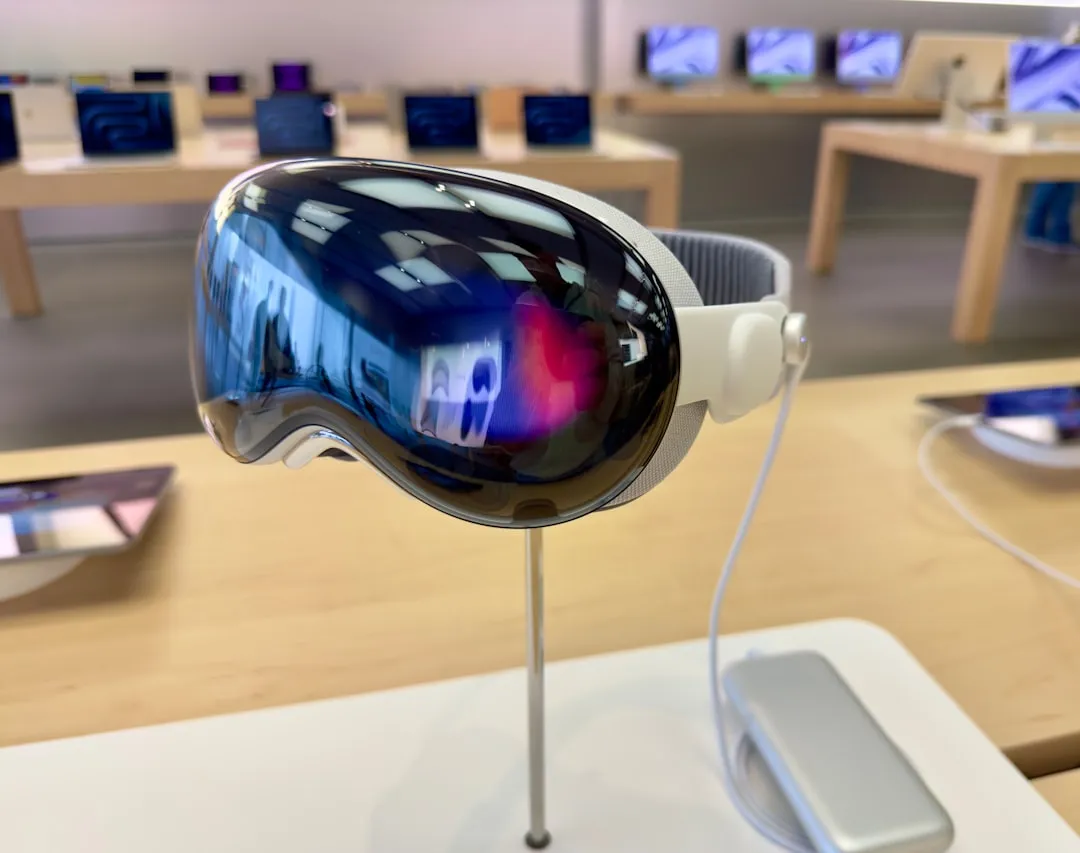
When you think about Apple's track record with game-changing technology, there's a pattern: they watch competitors stumble through early iterations, then swoop in with something that just works. Now, with smart glasses poised to become the next battleground in personal computing, Apple is quietly assembling what could be their most ambitious product launch since the iPhone.
Picture this: you're walking through a crowded city street, and instead of pulling out your phone for directions, you simply glance up and see turn-by-turn navigation floating seamlessly in your field of vision. This isn't science fiction—it's the future Apple is quietly building behind closed doors. The tech giant's rumored smart glasses project has shifted into high gear, with insiders suggesting a potential 2026 launch that could fundamentally reshape how we interact with technology. Recent reports indicate that Apple has paused development on a revamped Vision Pro to redirect engineering talent toward these smart glasses, signaling a major strategic pivot. The company is reportedly building custom hardware specifically designed for smart glasses, positioning itself to dominate the next wave of wearable computing.
The strategic pivot that changes everything
Here's what you need to know: Apple isn't just making another gadget—they're orchestrating a complete paradigm shift. The company has at least seven XR projects in development through 2028, but the smart glasses represent their biggest bet on mainstream adoption. Unlike the Vision Pro's hefty price tag and niche appeal, Apple's first smart glasses will function as an iPhone accessory, similar to how the Apple Watch complements your smartphone experience.
The strategic implications reveal Apple's evolution from premium product maker to ecosystem orchestrator. Smart glasses fit within Apple's niche of fashion and technology, especially as markets like Apple Watch and AirPods become saturated. This isn't about replacing your iPhone—it's about extending its capabilities into a form factor that feels natural and socially acceptable while opening entirely new revenue streams.
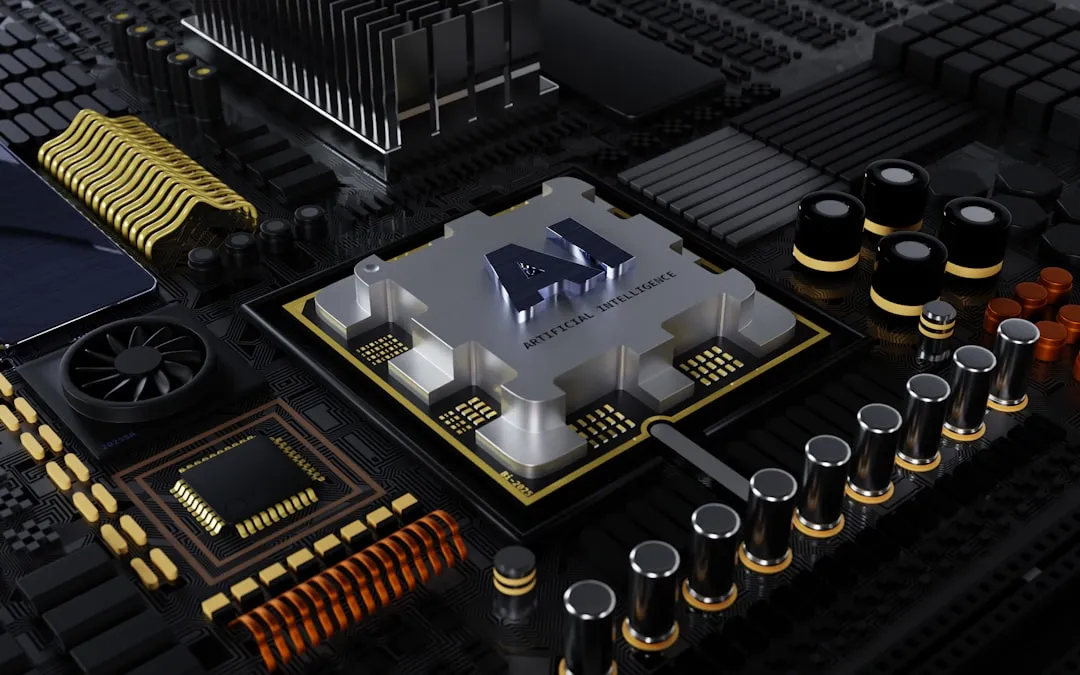
What makes this particularly compelling is Apple's approach to hardware development. The company is developing a custom N401 chip based on Apple Watch architecture, specifically optimized for all-day battery life and efficient AI processing. This represents Apple's understanding that smart glasses success depends on solving the fundamental challenge that doomed Google Glass: making the technology invisible to the user experience.
The resource reallocation tells the real story. Bloomberg's Mark Gurman has noted that Apple paused development on a revamped Vision Pro—codenamed Vision Air—to redirect engineering talent toward these smart glasses. This massive shift signals where Apple sees the real market opportunity—not in expensive headsets for enthusiasts, but in everyday wearables for everyone.
Why Apple's ecosystem advantage matters more than ever
Bottom line: Apple's secret weapon isn't just hardware—it's the seamless integration that competitors simply can't match. The rumored smart glasses will leverage deep integration with iPhones and AirPods, creating an experience that extends naturally from your existing Apple devices. Think about it: your glasses could display notifications from your iPhone, control music through your AirPods, and sync health data with your Apple Watch—all without missing a beat.
The software foundation provides Apple with a crucial head start. Apple has a robust production operating system in VisionOS, developed for the Vision Pro headsets, which provides a mature platform for developing the lightweight, AI-centric functionalities needed for smart glasses. While competitors scramble to build AR platforms from scratch, Apple can focus on refinement and user experience optimization.
Here's where it gets really interesting: Apple's robust App Store and ARKit platform would benefit developers and help create an app ecosystem for smart glasses. We're talking about a potential explosion of AR applications across gaming, productivity, health monitoring, and social interaction—all built on the foundation Apple has been developing for years. This creates a virtuous cycle where better apps drive hardware adoption, which attracts more developers, which creates better apps.
The manufacturing advantage adds another layer of strategic depth. Apple has reportedly secured nearly 60% of global micro-OLED capacity for 2026–2027, giving them not just access to cutting-edge display technology but control over supply chains that competitors will struggle to access. This kind of vertical integration has been Apple's playbook for decades, and it's about to pay dividends in the smart glasses market.
The market opportunity is absolutely massive
Let's break down the numbers: the AR market started at a value of $32.1 billion and is projected to grow at an impressive CAGR of 33.5%. Industry forecasts suggest that by the 2030s, AR could exceed $300 billion, creating unprecedented opportunities across retail, education, healthcare, and entertainment.
The smart glasses segment specifically is where the real action is happening. The consumer and enterprise AR glasses market was valued at $6.4 billion in 2024, with estimates suggesting this could increase by more than 50% by 2025. But here's the kicker: Apple's entry is expected to push total market shipments for Ray-Ban-style smart glasses beyond 10 million units in 2027. Apple doesn't just enter markets—they expand them.
Consumer behavior is already shifting in Apple's favor. 72% of luxury fashion shoppers in the UK are excited to use AR for their digital shopping experience, and about 90% of Gen Zers would be willing to use AR to gain a better picture of how furniture or décor would look in their homes. This isn't just tech enthusiasm—it's genuine demand for practical AR applications that smart glasses are uniquely positioned to deliver.
The enterprise opportunity provides another massive growth vector. Smart glasses provide frontline workers with hands-free access to critical information, from assembly instructions and schematic overlays to real-time data from IoT sensors. As corporate digital transformation accelerates, expect widespread adoption in industrial and enterprise segments, where Apple's reputation for premium, reliable hardware could command significant pricing power.
What to expect from Apple's smart glasses
PRO TIP: Don't expect a miniature iPhone strapped to your face. Apple's taking a fundamentally different approach that prioritizes practicality over flashiness. The glasses will support touch-based controls, such as a tap to snap a photo, and voice-based controls that take advantage of Siri. The feature set reads like a greatest hits of everyday utility: taking photos and recording spatial video, listening to audio, getting turn-by-turn directions, asking questions about your surroundings, identifying objects and landmarks, making phone calls, and even live translation.
The design philosophy is classic Apple: form follows function, with style as a non-negotiable requirement. Apple plans to offer multiple material and frame options, making the smart glasses as much of a fashion accessory as the Apple Watch. This directly addresses one of the biggest barriers to smart glasses adoption—looking like you're wearing a computer on your face. If Apple can make smart glasses that people actually want to be seen wearing, they've solved half the adoption equation.
Here's what makes Apple's approach particularly smart: the glasses may need a connection to an iPhone to provide functionality like music playback and AI assistance, though they will have some on-device capabilities. This tethered approach enables a lighter, more comfortable design while leveraging the powerful processors already in your pocket. It's the same strategy that made the Apple Watch successful—not replacing the iPhone, but extending its capabilities in ways that make sense for the form factor.
The AI integration promises to be the real game-changer. The cameras in Apple's smart glasses will be able to feed information to an AI assistant that can answer questions about what the wearer is seeing, control various functions like snapping photos or playing music, and provide contextual directions. Imagine walking through a museum and having your glasses identify paintings and provide historical context, or getting real-time translation when traveling abroad. It's like having a personal guide that never gets tired and knows everything.
The competition is heating up fast
Apple isn't entering an empty market—they're walking into a battlefield where early lessons are already being learned. Meta's Ray-Ban collaboration has set a benchmark with AI features like live translation and photo capture, proving there's genuine consumer appetite for AI-powered eyewear that focuses on practical features rather than flashy AR overlays. Meta's success validates the market while highlighting the opportunities for improvement.
But here's where Apple's timing might be perfect: several other brands are expected to release similar products before Apple to establish early market presence, but these will probably remain niche offerings in their first few years. Apple has a track record of entering markets after competitors have validated demand, then dominating through superior design, user experience, and ecosystem integration. They did it with smartphones, tablets, and smartwatches—and they're positioned to do it again with smart glasses.
The broader competitive landscape reveals interesting strategic positioning. Samsung's Galaxy XR costs $1,799 and is just over half the price of the $3,499 Apple Vision Pro, showing how quickly the market is evolving toward more accessible price points. This trend validates Apple's strategic pivot from premium headsets to mainstream smart glasses that can reach broader audiences at more reasonable price points.
What's particularly fascinating is how different companies are tackling the fundamental challenges. Some focus on computing power, others on battery life, and still others on display technology. Apple's strength lies in understanding that success requires excelling at all these elements while making the technology disappear from the user's perspective. Their ecosystem integration and design philosophy give them unique advantages in achieving this balance.
Where do we go from here?
The implications extend far beyond just another Apple product launch. If successful, these glasses could catalyze widespread AR adoption, much like the iPhone did for smartphones. We're potentially looking at the beginning of a new computing paradigm where digital information seamlessly overlays our physical world, changing how we work, learn, shop, and interact with our environment.
The roadmap is ambitious but achievable. Mass production is slated to begin by late 2026 or early 2027, with projected shipments of 3-5 million units in the launch year. While modest compared to iPhone sales, this represents a significant foothold in what could become the next $100 billion market category for Apple.
Looking at Apple's broader XR strategy reveals a carefully orchestrated progression. The company has mapped out a journey from basic smart glasses in 2027 to full XR glasses with displays by 2028, creating multiple entry points for different user needs and budgets. This staged approach allows Apple to perfect the core technologies while gradually introducing more advanced features as the market matures.
The key question isn't whether Apple will launch smart glasses—it's whether they can execute their vision of making AR as natural and essential as pulling out your smartphone. Based on their track record of turning complex technology into intuitive experiences, and their unique combination of hardware innovation, ecosystem integration, and design excellence, 2026 might just be the year we look back on as the moment everything changed. The future isn't just in your hands anymore—it's right before your eyes.




Comments
Be the first, drop a comment!