



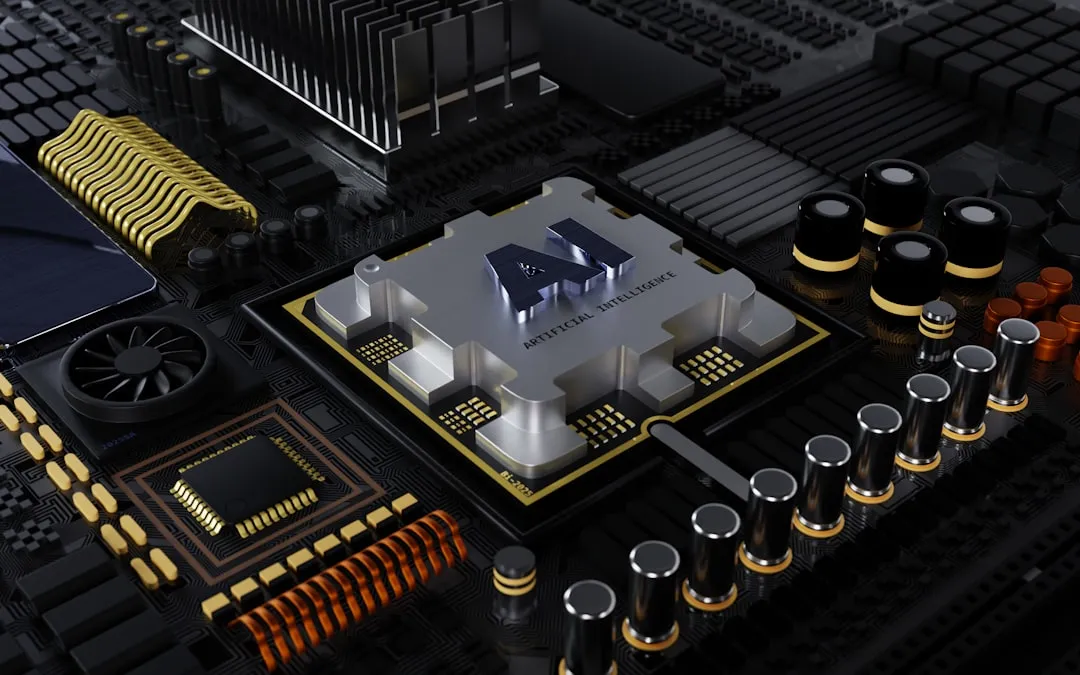
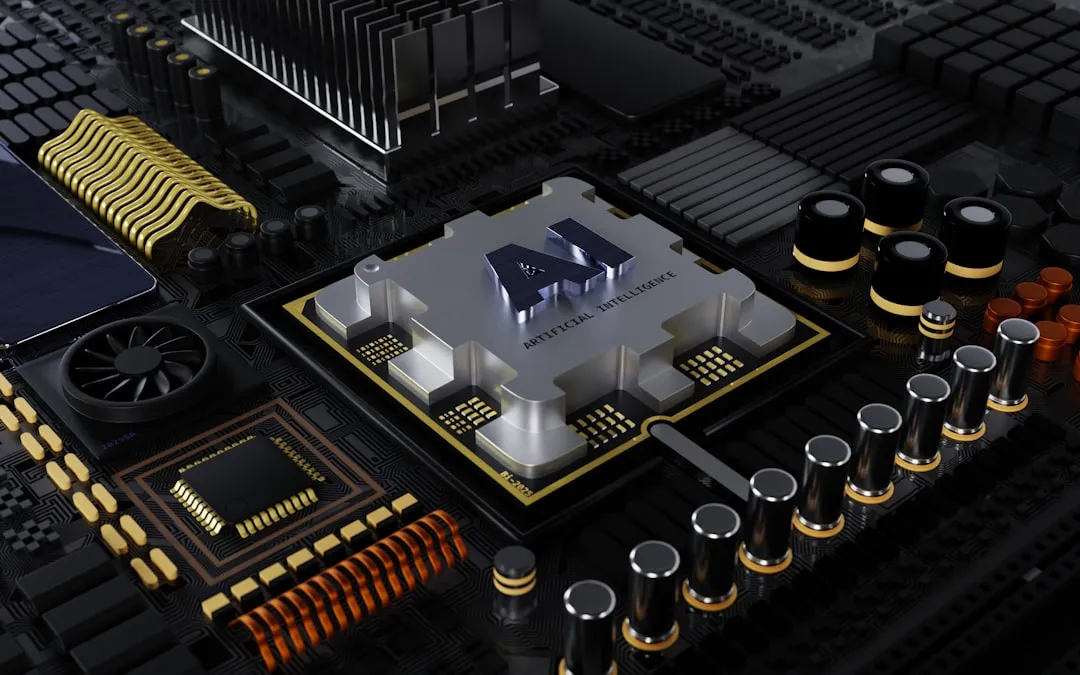
You've probably been watching Apple's MacBook lineup evolve over the years, and let me tell you—we're about to witness the most significant transformation in Apple's portable computing strategy. We just saw the launch of the M5-powered 14-inch MacBook Pro, which already represents a massive leap forward in professional computing. The M5 chip delivers the fastest single-core CPU performance among all Macs while its multi-core capabilities rival previous flagship processors, all while achieving an impressive 24-hour battery life thanks to exceptional power efficiency. Apple's priced this powerhouse at $1,599, creating a sweet spot for professionals who need more horsepower than the $1,000 MacBook Air can deliver.
But here's what makes this particularly fascinating: the M5 release creates a strategic foundation for what's coming next. Apple has effectively demonstrated that it can pack tremendous power into an efficient, portable package—and that sets up perfectly for the two groundbreaking models launching in 2026 that will fundamentally reshape how we think about Mac computing across every price segment.
What's coming in early 2026: The M5 Pro and Max revolution
The first wave of Apple's 2026 transformation targets creative professionals with MacBook Pro models that will redefine mobile workstation capabilities. Apple plans to ship M5 Pro and M5 Max MacBook Pro variants in the first half of 2026, but this isn't just about faster chips—it's about enabling workflows that currently require desktop-class machines.
The M5 Pro and M5 Max will feature more CPU cores and enhanced GPUs for dramatically improved performance, available in both 14-inch and 16-inch configurations. Here's where the strategic planning becomes clear: Apple is also expected to integrate faster SSDs across the lineup, creating a complete performance ecosystem rather than just processor upgrades.
Think about what this means for real-world applications. Video editors working with 8K footage will see render times that compete with high-end desktop workstations. Software developers compiling massive codebases will experience dramatically reduced build times. 3D artists and designers working with complex models will have the GPU headroom to handle real-time previews that were previously impossible on mobile hardware.
Early reports suggest these models will arrive sometime between January and March 2026, positioning them perfectly for professionals planning major workflow upgrades for the new year. This timing isn't coincidental—it aligns with when many creative agencies and tech companies finalize their equipment budgets.
The budget game-changer: Apple's entry-level MacBook
Here's where Apple's strategy gets truly revolutionary. While pushing the performance envelope at the high end, the company is simultaneously preparing to capture an entirely untapped market segment. Apple is developing a low-cost MacBook that will be priced below the $999 MacBook Air, specifically targeting users who've been priced out of the Mac ecosystem entirely.
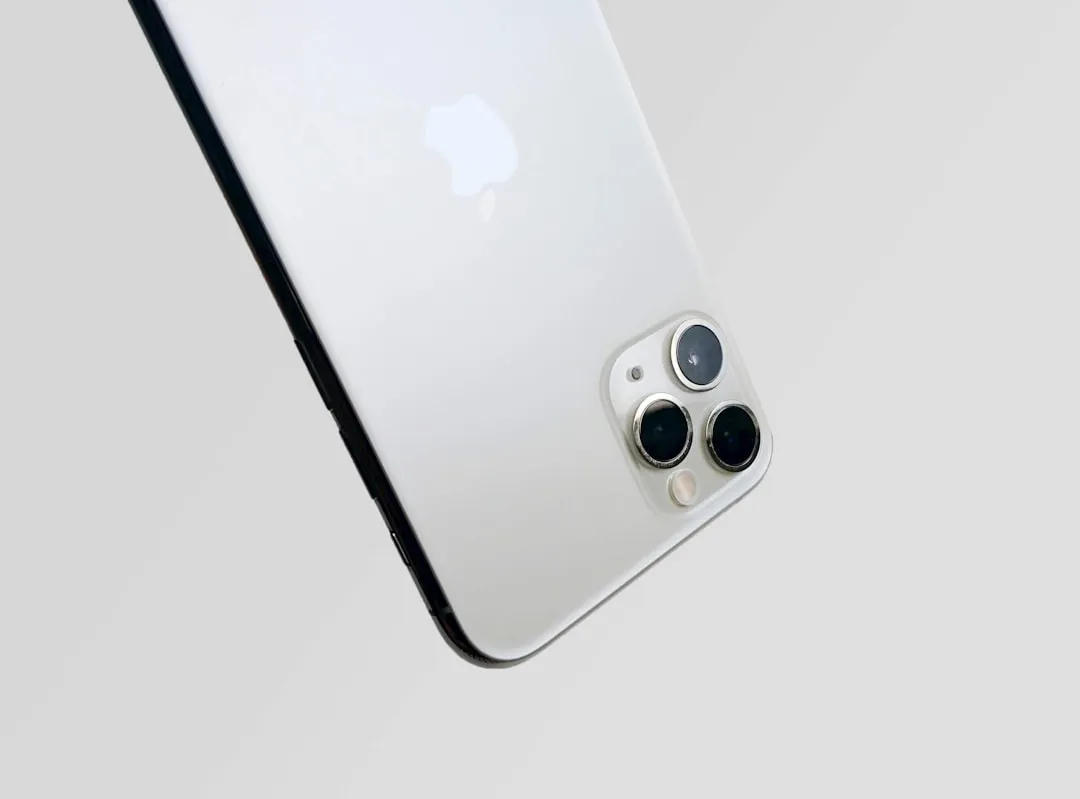
This isn't about creating a compromised "cheap" Mac—it's about strategic market expansion through intelligent engineering choices. Instead of using traditional M-series chips, Apple plans to power this device with its A18 Pro chip—the same processor that powers the iPhone 17 Pro models. This decision demonstrates Apple's confidence in its silicon capabilities while creating a clear differentiation strategy across its product lines.
The A18 Pro approach solves multiple challenges simultaneously. The chip features 8GB RAM and full Apple Intelligence support, ensuring users get modern AI capabilities and smooth multitasking performance. For students, home users, and professionals who primarily work with web-based applications, document editing, and media consumption, this configuration provides more than adequate power at a significantly lower price point.
Apple's made thoughtful compromises to achieve the target pricing. The display will measure around 13 inches and use standard LCD technology without mini-LED or ProMotion features. While this might sound limiting to power users, it represents exactly what most budget-conscious consumers need—a reliable, clear display that handles everyday tasks without premium features that drive up costs.
The market implications are significant. This pricing strategy could bring millions of Windows users into the Mac ecosystem, particularly in education, emerging markets, and households where premium pricing has been a barrier. Once users experience macOS integration with their existing Apple devices, they become candidates for future upgrades to higher-end models.
Why these two models represent a fundamental shift
What makes these launches historically significant isn't just their individual capabilities—it's how they demonstrate Apple's evolution from a premium-only brand to a comprehensive computing platform. The M5 Pro/Max models push absolute performance boundaries while the budget MacBook democratizes access to the ecosystem. This two-pronged approach creates the most comprehensive MacBook lineup in Apple's history.
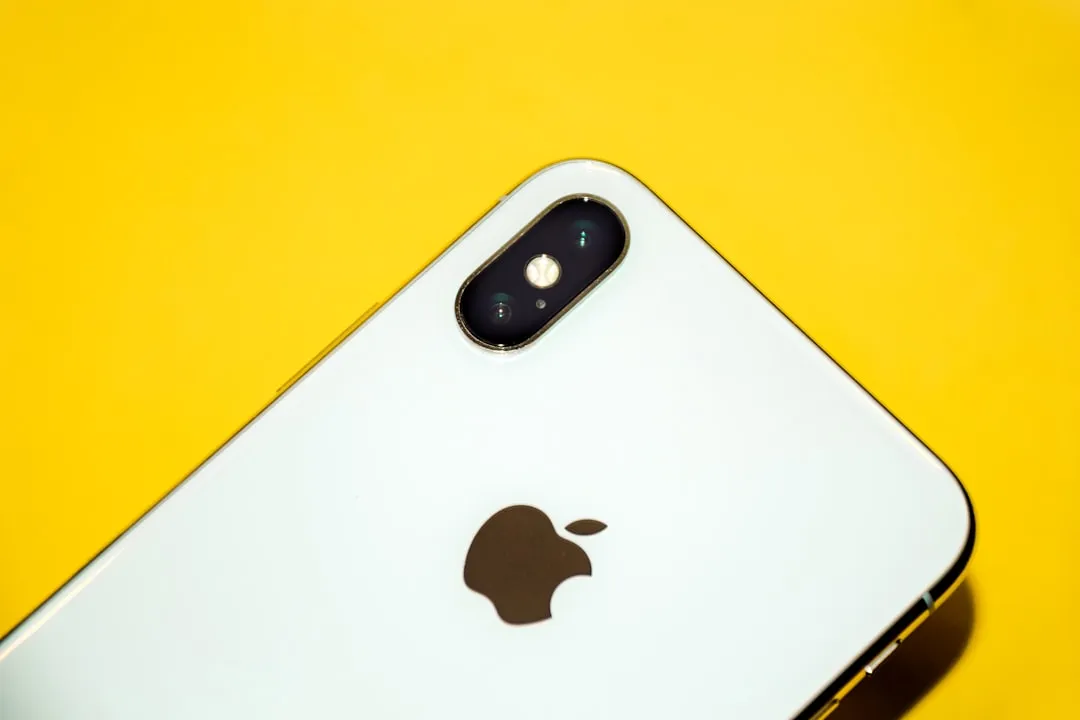
The budget MacBook won't replace the MacBook Air but will join the lineup as a new affordable option, creating clear market segmentation. Budget users get A-series efficiency, mainstream users choose M-series balance in the Air, and professionals select Pro/Max performance. Apple analyst Ming-Chi Kuo suggests this model will be available in silver, blue, pink, and yellow, bringing the colorful approach that proved successful with other Apple products and appealing to younger demographics.
The coordinated timing reveals strategic planning. Apple expects to debut this low-cost MacBook in the first half of 2026, potentially launching alongside those M5 Pro/Max models. Picture walking into an Apple Store and seeing a complete spectrum of MacBooks: A18 Pro models starting under $999, M5 MacBook Air at $999, M5 MacBook Pro at $1,599, and M5 Pro/Max models for serious professionals—all running the same macOS ecosystem with seamless integration.
This strategy addresses long-standing criticism that Apple ignored price-sensitive markets. Now, families can buy budget MacBooks for students while parents use MacBook Pros for work, all within a unified ecosystem that encourages cross-device workflows and future upgrades.
Looking ahead: The broader transformation of Mac computing
These 2026 launches represent more than product releases—they signal Apple's recognition that the computing landscape has fundamentally changed. The pandemic proved that powerful, portable computing isn't just for creative professionals anymore. Remote work, digital content creation, and cloud-based workflows have created new categories of users who need reliable, efficient machines at various price points.
Most of Apple's Macs are slated to receive M5 chips across 2026, with updates planned for everything from MacBook Air to Mac Studio. This coordinated refresh cycle suggests 2026 isn't just another update year—it's a strategic reset that positions Apple's Mac platform for the next decade of computing.
The A18 Pro-powered MacBook proves Apple's silicon strategy has reached maturity. Using iPhone chips in Macs isn't just cost optimization—it demonstrates that the performance gap between device categories has narrowed to the point where strategic choices become possible. This opens possibilities for future innovations, including ultra-portable MacBooks, extended battery life, and potentially new form factors that blur the lines between tablets and laptops.
There's even possibility we'll see the first M6 chips toward the end of the year, setting up even more dramatic changes ahead. The M6 generation could bring OLED displays, improved efficiency, and architectural changes that enable new capabilities we haven't yet imagined.
From a competitive perspective, this strategy puts enormous pressure on Windows PC manufacturers. Apple will offer premium performance at the high end while finally competing on price at the low end—all while maintaining the ecosystem advantages that make switching away increasingly difficult.
Bottom line: Apple's two-pronged MacBook strategy for 2026 represents the most significant evolution in Mac computing since the transition to Apple Silicon. We're looking at a complete reimagining of who can access Mac computing and what they can accomplish with it. This isn't just about expanding market share—it's about establishing the Mac platform as the foundation for Apple's next decade of innovation across all device categories. Whether you're a professional pushing creative boundaries or a student taking their first steps into the Apple ecosystem, 2026 will offer unprecedented choice and capability at every price point.



Comments
Be the first, drop a comment!