



Think you've got a handle on mobile gaming? Apple's approach with Sneaky Sasquatch might just change your perspective on how tech companies are evolving their entertainment ecosystems. This mischievous character has been quietly building an empire that stretches far beyond your typical smartphone game, and the recent developments reveal just how seriously Apple is taking its long-term gaming strategy.
The furry troublemaker that stole hearts back in 2019 is now receiving what amounts to the full integrated Apple experience—major content expansions, real-world retail activations, and a development story that marks a genuine historic first for the company. But what makes this particularly fascinating is how it signals Apple's broader ambitions in an industry where mobile gaming now accounts for nearly $90 billion in annual revenue (Fortune).
What makes this expansion strategy unique?
Here's where Apple's approach diverges significantly from industry norms. The latest farm update isn't just another content drop—it's a complete gameplay transformation that demonstrates how Apple thinks about sustainable franchise development rather than the typical mobile gaming monetization playbook.
Players can now harvest crops, fire up tractors, and work with various farming tools (MacTech). But this goes much deeper than simply adding new mechanics. The update creates an entirely new narrative thread where players help grandma restore her farm while meeting Farm Town residents (MacTech), plus the ability to venture to the mountain pass to discover hidden secrets (MacTech).
What's strategically brilliant here is how Apple is building an interconnected world rather than following the standard mobile game playbook. Most mobile games rely on limited-time events, cosmetic purchases, or energy-gated progression to maintain engagement. Think Candy Crush's level packs or Clash of Clans' building timers. Apple's approach resembles console game development more than mobile—creating organic world expansion that enhances the core experience rather than fragmenting it for monetization.
This agricultural expansion also taps into the massive popularity of farming simulation games, from Stardew Valley's indie success to FarmVille's social gaming dominance. By incorporating these elements into Sneaky Sasquatch's existing adventure framework, Apple is essentially creating a multi-genre experience that can appeal to different gaming preferences within a single title.
How Apple Store tie-ins create immersive experiences
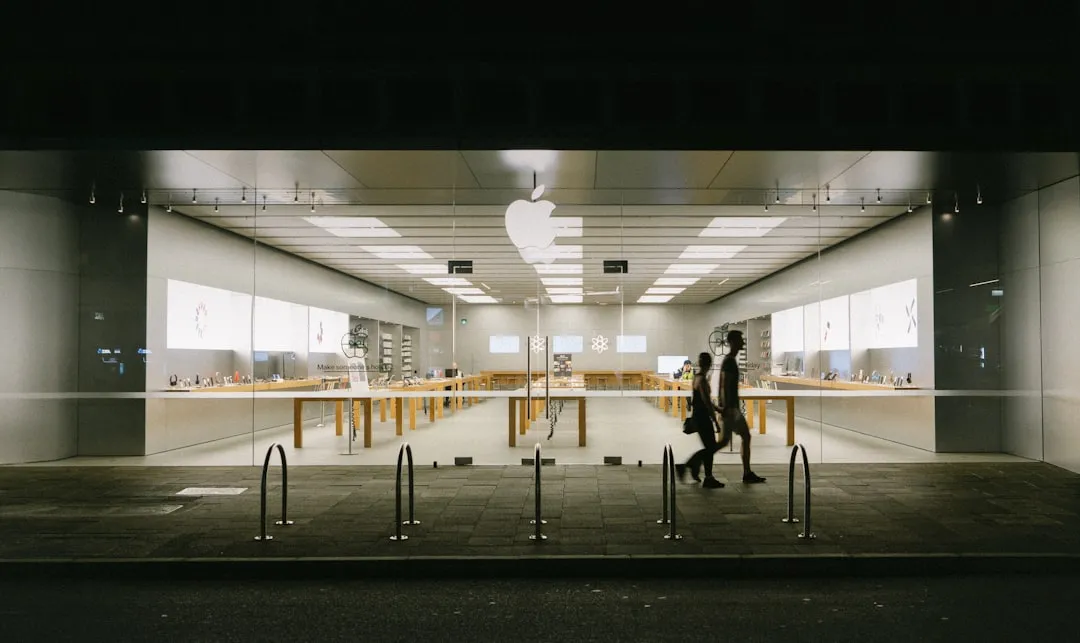
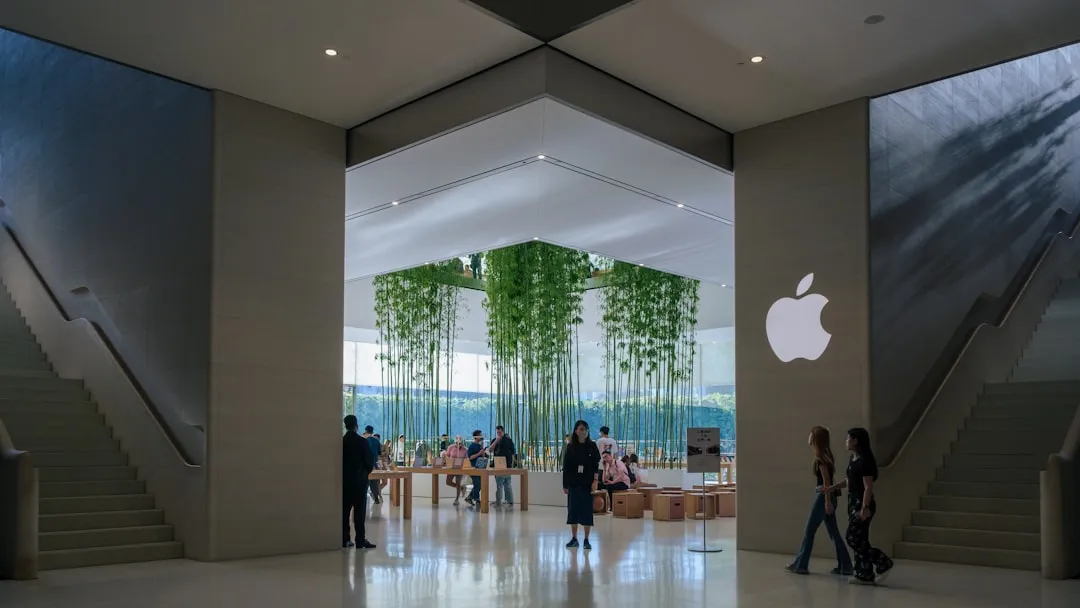
Now here's where Apple's retail expertise creates something genuinely innovative in the gaming space. The company is transforming its physical stores into gaming destinations, and the Sneaky Sasquatch events represent a sophisticated approach to bridging digital and physical entertainment experiences.
The December 12-13, 2025 event at Apple The Grove runs from 10:30am to 7pm, featuring outdoor activities positioned directly in front of the store (The Grove LA). This isn't just a meet-and-greet—participants can capture photos, hunt for hidden items to win prizes, and enjoy treats around a themed campfire (The Grove LA).
The strategic genius lies in the seamless transition from outdoor activities to "Draw with Sneaky Sasquatch" sessions as part of Apple's Today at Apple programming (The Grove LA). This creates a complete experience ecosystem that most tech companies struggle to achieve—and it's something competitors like Google or Microsoft would find difficult to replicate without Apple's extensive retail infrastructure.
Compare this to how other gaming companies handle physical activations: Nintendo's pop-up events are typically limited-time promotional efforts, while Microsoft's gaming showcases focus primarily on new hardware demonstrations. Apple is creating recurring, location-based experiences that extend the game's narrative into the real world while driving foot traffic to retail locations.
Why Apple's studio acquisition matters for the franchise
Let's break down the significance of what happened in May 2025. Apple's purchase of RAC7 was genuinely historic as the company's first-ever game studio acquisition (Fortune). In Apple's entire corporate history spanning decades of technology acquisitions, they had never directly purchased a game developer until now.
RAC7's credentials make this acquisition particularly strategic. This two-person Vancouver-based team had previously created acclaimed indie titles including Dark Echo and Splitter Critters, with Splitter Critters earning an Apple Design Award in 2017 (Gaming Amigos). Apple didn't buy a struggling studio—they acquired proven talent with a track record of creating award-winning experiences.
The numbers tell the story of why Apple made this unprecedented move. Since launching as one of Apple Arcade's original 71 titles in 2019, Sneaky Sasquatch has maintained consistent popularity and received regular content updates (MacTech). The game currently holds an impressive 4.9 out of 5 rating based on over 230,000 user reviews (IOFreeOnline).
What makes this acquisition particularly telling is Apple's description of it as a "unique circumstance" (Games Industry). This suggests Apple isn't planning a Microsoft-style gaming studio buying spree, but rather making strategic acquisitions to secure key franchise development. This contrasts sharply with Microsoft's approach of acquiring large studios like Bethesda or Activision Blizzard to compete directly with Sony and Nintendo in traditional gaming markets.
What's next for the Apple gaming ecosystem?
The Sneaky Sasquatch expansion strategy provides a window into Apple's broader gaming ambitions, which extend far beyond competing with traditional mobile gaming companies. Bloomberg reports that Apple is developing a dedicated gaming application that could launch as early as WWDC 2025, potentially replacing the current Game Center with enhanced social features and leaderboards (Games Industry).
This timing aligns perfectly with Apple's current gaming infrastructure expansion. Apple Arcade continues to offer over 200 ad-free games for $6.99 monthly, with new device purchasers receiving three months free access (MacTech). The service spans multiple Apple devices including iPhone, iPad, Mac, Apple TV, and Apple Vision Pro, supporting up to six family members per subscription (MacTech).
But here's what's most intriguing about Apple's gaming evolution: they're not trying to compete directly with Steam, PlayStation, or Xbox in traditional gaming markets. Instead, Apple is creating an entirely different ecosystem where gaming experiences seamlessly transition between devices and physical spaces. The Sneaky Sasquatch strategy—combining regular content updates, retail experiences, and internal development—represents a fundamentally different approach to gaming platform development.
Consider how this positions against competitors: Google Stadia failed partly because it tried to replicate console gaming in the cloud without offering unique value. Netflix's gaming efforts focus on mobile experiences but lack the hardware ecosystem integration. Amazon's gaming initiatives remain fragmented across Twitch, Luna, and New World. Apple's approach leverages their unique combination of hardware ecosystem, retail presence, and content platform in ways competitors simply cannot match.
The real test will be whether Apple can scale this integrated approach to other gaming franchises, or if Sneaky Sasquatch remains a unique success story. Either way, Apple's gaming strategy is clearly evolving from simply hosting games to actively shaping comprehensive entertainment experiences that span their entire ecosystem—and that could reshape how we think about gaming platforms entirely.









Comments
Be the first, drop a comment!