





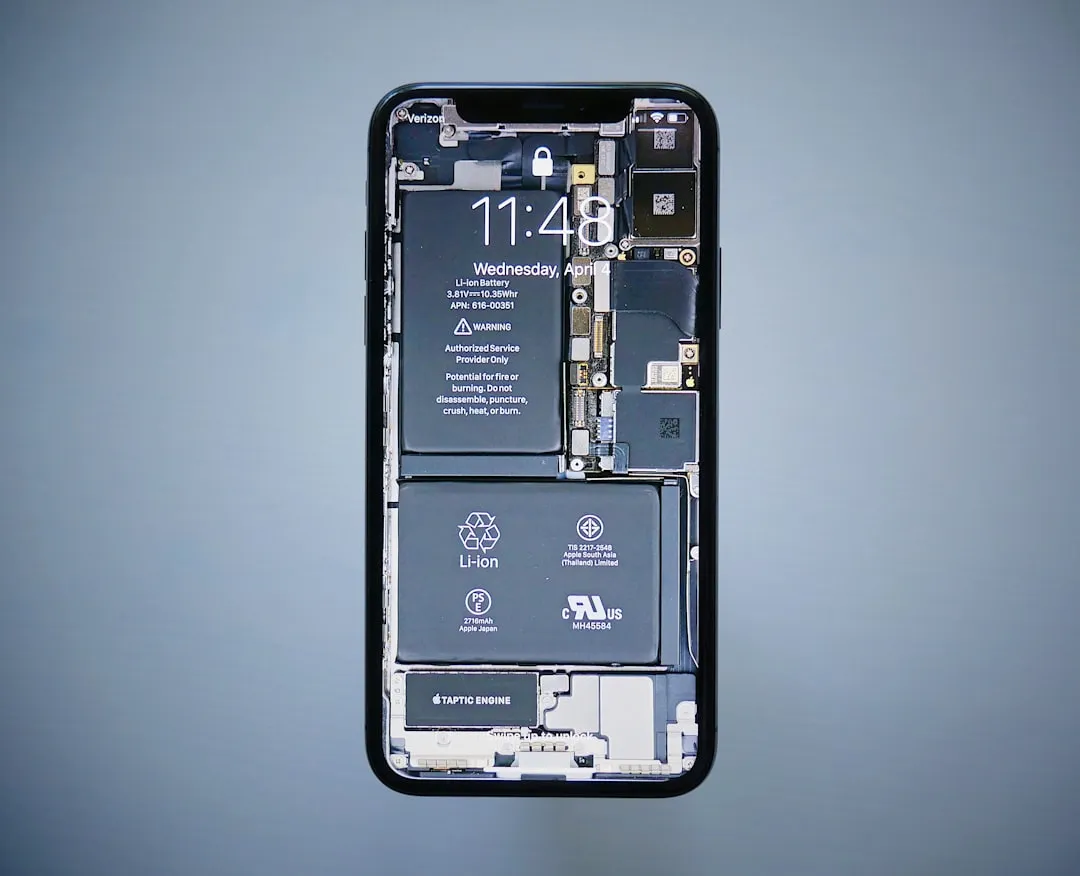
If you own an iPhone and care about getting the most life out of your device, you'll want to know about iFixit's enhanced mobile app. It's bringing some genuinely impressive AI-powered features to the repair world, and honestly, the timing couldn't be better with Apple's recent hardware improvements making repairs more accessible than ever.
iFixit has been around for nearly two decades, quietly building over 100,000 repair guides that cover everything from smartphones to televisions. This extensive knowledge base now powers their latest breakthrough – an AI-enhanced mobile app that puts sophisticated repair intelligence directly in your pocket, complete with battery health warnings that actually help you make informed decisions about your device.
What makes this particularly exciting is how it capitalizes on Apple's recent repairability breakthroughs. iFixit's decades of repair expertise positioned them perfectly to leverage innovations like the iPhone 16's electrically-releasing battery adhesive that debonds with electrical current. No more heating and prying – just apply some voltage and the battery lifts right out. This innovation helped boost the iPhone 16's repairability score to an impressive 7 out of 10, which is a significant jump from the iPhone 15's 4 out of 10 rating.
How AI is revolutionizing repair guidance
Here's where things get really interesting – the integration of AI into repair guidance represents a fundamental shift from static instructions to dynamic problem-solving. Instead of following predetermined steps and hoping for the best, the system provides contextual assistance that adapts to your specific repair situation and can suggest alternative approaches when complications arise.
The AI learns from the collective experience of iFixit's repair community, analyzing successful procedures across thousands of devices to identify patterns human technicians might miss. Every repair attempt contributes data that improves future guidance, creating an evolving knowledge base that gets smarter with each fix. This crowdsourced intelligence means the app can anticipate common failure points before they become problems and suggest course corrections when you're heading toward potential issues.
For iPhone 16 users, this proves particularly valuable with the new electrically-releasing adhesive. The AI can calculate optimal voltage and timing combinations based on specific factors like battery age and adhesive condition. We're talking about applying a 9-volt charge that allows battery removal within seconds, but the optimal settings vary significantly. Apple's documentation indicates older adhesive may require higher voltage or longer time, so having AI analyze your specific scenario and recommend precise electrical parameters transforms a potentially tricky procedure into a guided experience.
The system also provides real-time troubleshooting when standard procedures don't work as expected. Unlike traditional repair guides that assume everything goes perfectly, the AI recognizes when you're deviating from the ideal path and can recommend alternative techniques or identify overlooked steps. It's like having an experienced technician looking over your shoulder, with access to the combined knowledge of iFixit's entire repair community.
Battery warnings that actually matter
Beyond repair guidance, the app's enhanced battery warning system transforms how you monitor device health. These aren't generic "battery low" notifications – they're intelligent alerts that analyze degradation patterns, optimize charging practices, and provide actionable recommendations for extending battery lifespan.
What's particularly smart is how the system leverages existing iOS features most users don't know exist while tracking personalized usage patterns. For instance, the warnings can remind you about power-saving features like iOS 9's "Facedown Detection" which keeps screens dark when devices are placed face-down, significantly reducing power consumption during idle periods. The AI correlates these features with your specific usage habits to provide personalized optimization suggestions.
PRO TIP: The warnings become especially valuable for older devices since Apple doesn't sell parts separately for phones older than iPhone 12. If you're holding onto an iPhone 11 or older, the app guides you toward third-party solutions when replacement time comes. iFixit's DIY kits cost around $38 including shipping, which is significantly less than professional alternatives.
The app also sets realistic expectations about warranty implications. Let's be honest – battery replacement voids device warranty, but if your battery needs replacing, you're probably already outside that 12-month coverage period anyway. The intelligent warnings help you understand these trade-offs and timing considerations so you can make informed decisions about device maintenance versus replacement.
The bigger picture: competing with Apple's own repair ecosystem
This is where the story gets really fascinating. Apple launched their self-service repair program with great fanfare, offering official parts and tools directly from Apple, including the same equipment used in Apple Stores. Sounds great in theory, right?
The reality reveals significant practical limitations. Apple's official toolkit weighs 79 pounds and requires a $1200 deposit – industrial-grade equipment that's completely impractical for home use. The economics are equally problematic: an in-store repair costs $329 versus $278.35 for DIY parts, but $327.35 if renting Apple's tools. You're essentially paying more to do the work yourself, which defeats the entire purpose of self-service repair.
iFixit's AI-enhanced approach makes much more sense for actual users. They acknowledge that any maintenance performed on devices is entirely at your own risk, but they provide practical tools and intelligent guidance that significantly reduce that risk while keeping costs reasonable.
The AI guidance becomes particularly valuable when navigating Apple's parts pairing restrictions, where replaced components can lose functionality without proper authorization. These restrictions create additional complexity that directly impacts repair economics, since paired components often cost more and require specific authorization processes. Fortunately, iOS 18's Repair Assistant feature helps configure third-party replacement parts as genuine Apple components, though the process remains complex enough that intelligent guidance makes the difference between success and frustration.
What this means for the future of device ownership
The enhanced iFixit app represents something bigger than just better repair instructions. It's part of a broader shift toward user empowerment in device maintenance and longevity. With AI-powered guidance and comprehensive battery monitoring, you gain unprecedented insight into your device's health and repair needs, fundamentally changing the relationship between users and their technology.
This democratization of repair knowledge challenges the traditional model where device lifespan depends entirely on manufacturer support schedules. When you can diagnose issues, understand replacement options, and receive intelligent guidance through complex procedures, you're no longer constrained by planned obsolescence cycles or limited repair options.
The success of this approach will likely influence how other manufacturers think about repairability. Apple's introduction of electrically-releasing adhesive in iPhone 16 models demonstrates that user feedback and right-to-repair advocacy can drive meaningful hardware improvements. As more people become comfortable with device maintenance, manufacturers face increasing pressure to design for longevity rather than replacement.
For Apple ecosystem users, this represents the best possible scenario: increasingly repairable hardware combined with sophisticated software tools that make repairs accessible to non-professionals. The iPhone 16's 7 out of 10 repairability score shows that Apple can build user-serviceable devices without compromising design or functionality.
Bottom line: iFixit's AI-enhanced app isn't just about fixing broken phones – it's about fundamentally transforming our relationship with the technology we depend on. Whether you're monitoring battery health, planning future repairs, or navigating complex procedures, having intelligent guidance and comprehensive device insights puts you in control of your device's lifespan. In a world where smartphones represent significant investments, that kind of empowerment is genuinely valuable.









Comments
Be the first, drop a comment!