



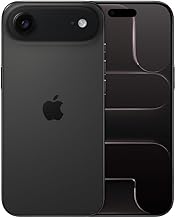

When I first caught wind of the iPhone Air's resale performance, I'll admit I had to double-check the numbers. We're talking about a device that's losing nearly half its value in just ten weeks—something that's frankly unprecedented in recent iPhone history. SellCell's comprehensive study examined 52 iPhone models since the iPhone 14 series, revealing the iPhone Air experienced depreciation rates reaching up to 47.4%, marking what they describe as the "worst resale drop of any iPhone since 2022." This dramatic decline signals something fundamental about market acceptance—when a premium device struggles this badly in the secondary market, it's telling us something important about consumer priorities and Apple's product positioning strategy.
The numbers tell a sobering story
Let's break down exactly how steep this decline has been, because the specifics reveal crucial insights about market dynamics. The 256GB model has fallen by a little over 40 percent in resale value, which might seem manageable until you compare it to the higher-capacity versions where things get genuinely concerning.
The 512 GB version has lost around 45 percent and the 1 TB model has dropped by nearly 48 percent. What's particularly brutal about these figures is that this level of depreciation occurred within just ten weeks—precisely when most iPhones typically find their market equilibrium.
The contrast with the rest of Apple's lineup reveals the Air's unique struggle. The rest of the iPhone 17 series has held its value better, with models declining about 35 percent on average during that same period. More significantly, the iPhone 17 lineup collectively retains 9.7% more value than the Air after ten weeks, demonstrating clear consumer preference for the standard models.
The Pro models tell an even starker story about premium positioning. The best-performing model, the 256GB iPhone 17 Pro Max, has declined just 26.1% over the same timeframe—a nearly 20-point difference compared to the worst-performing Air configurations, proving that consumers will pay premium prices when they receive premium experiences.
Why the Air is struggling to stay aloft
The root of the iPhone Air's depreciation crisis lies in what I'd call "compromise fatigue"—a phenomenon where consumers reject devices that ask them to sacrifice core functionality for design aesthetics. Analysts believe the iPhone Air sits in an awkward spot in Apple's lineup, and my analysis of the market response suggests this positioning creates an impossible value proposition.
The technical compromises are significant: the iPhone Air is thinner and lighter, but makes compromises in areas like battery life and camera quality. In today's smartphone market, these aren't minor trade-offs—they're deal-breakers for most users who prioritize all-day battery life and camera performance over millimeters of thickness. The market data confirms this: buyers do not see it as a better choice than the regular iPhone 17 or the Pro models.
This fits into a troubling pattern for Apple's mid-tier experiments. The pattern for Apple shows struggle with offering mid tier iPhones that are positioned between the base and Pro models. Historical precedents like the Mini and Plus variants faced similar issues in the past where demand faded quickly and resale values dropped faster than expected suggest that consumers prefer clear value hierarchies over compromise-heavy alternatives.
The trajectory of the Air's decline reveals deeper market rejection. Unlike other iPhone models that typically see depreciation stabilize around the ten-week mark, the iPhone Air continued declining through week ten, indicating this isn't temporary launch volatility but sustained market skepticism about the device's fundamental value proposition.
Broader implications for Apple's strategy
The iPhone Air's resale catastrophe exposes critical insights about premium smartphone market dynamics that extend far beyond one product's failure. The data reveals a bifurcated market where consumers demand either exceptional value or exceptional capability, with minimal tolerance for premium-priced compromises.
All Pro and Pro Max configurations remained below 40% depreciation, demonstrating that consumers will absolutely pay premium prices—but only when receiving uncompromised premium experiences. This creates a challenging environment for devices like the Air that attempt to command high prices while delivering reduced functionality.
The methodology behind these findings adds credibility to the market verdict. The analysis is based on real-time trade-in prices from over 40 US-based buyback companies, providing comprehensive market sentiment data. The practical impact is immediate: according to the report, anyone who bought the Air at launch and tries to sell it now will get much less money back than they might have expected, potentially creating customer satisfaction issues that could influence future purchase decisions across Apple's ecosystem.
For Apple's strategic positioning, this represents more than a single product miscalculation. The company has built its premium brand partly on superior value retention compared to competitors. When devices like the Air perform this poorly, it risks undermining broader perceptions of iPhone reliability as investments. The iPhone Air has not lived up to its early promise in the second hand market and Apple may need to rethink how it positions such models in the future.
What this means for the iPhone ecosystem moving forward
The iPhone Air's market rejection offers valuable strategic insights for both Apple and consumers navigating an increasingly complex smartphone landscape. Consumer preferences are crystallizing around clear value propositions rather than design-focused compromises, suggesting successful future products must excel in core functionality first, aesthetics second.
The speed and severity of market rejection demonstrates how quickly consumer sentiment solidifies in today's competitive environment. The steepest decline is attributed to the 1TB iPhone Air model, which SellCell identifies as the worst performer in the entire dataset, showing that even premium storage configurations cannot overcome fundamental positioning problems when core user needs aren't met.
PRO TIP: For anyone considering iPhone purchases, focus on models that excel in your primary use cases rather than those that promise aesthetic appeal at the expense of functionality. The Air's performance demonstrates that compromise devices rarely satisfy anyone completely.
The continuing depreciation through typical stabilization periods signals long-term market uncertainty. The iPhone Air's decline continued through week ten suggests this represents fundamental value proposition rejection rather than temporary adjustment. This ongoing depreciation signals potential long-term uncertainty for the model in the secondary market, making it a cautionary tale about pursuing form over function in premium devices.
Bottom line: the iPhone Air's dramatic depreciation reflects a maturing smartphone market where consumers have become increasingly sophisticated about value, refusing to accept compromised experiences regardless of design appeal. For Apple, this demands a return to the principle that drove iPhone's original success—delivering exceptional functionality first, then making it beautiful. For consumers, it's a reminder that in premium tech categories, compromise rarely satisfies, and clear value propositions always win over aesthetic experiments.







Comments
Be the first, drop a comment!