






Reviewed by: Y. Garcia
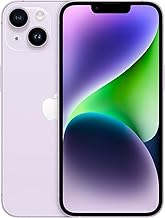
When thieves in London recently began returning stolen phones that weren't iPhones, it revealed something fascinating about how deeply Apple's brand value has penetrated—not just consumer consciousness, but the criminal economy itself.
This isn't just another quirky crime story; it's a revealing case study in brand perception, market dynamics, and what happens when criminals become the ultimate discriminating consumers.
The numbers tell a stark story about London's phone theft epidemic. Around 80,000 phones were stolen in London in 2024—that's roughly 220 devices disappearing every day, or one phone stolen every six minutes. This represents a staggering increase from just 28,609 stolen phones in 2020, meaning thefts have nearly tripled in just four years.
What makes this particularly concerning is that two-thirds of all thefts in London are now phone-related, and three-quarters of all phones stolen in the UK are taken in London.
But here's where criminal behavior gets interesting: these aren't random opportunists grabbing whatever they can get. These are brand-conscious thieves who understand market value better than most consumers.
Why Criminals See iPhones as the Golden Ticket
The criminal preference for iPhones reveals hard economic realities that extend far beyond simple brand snobbery. Around 80% of stolen phones are iPhones, despite the fact that only about 46% of phones sold in the UK are actually iPhones.
This means thieves are targeting Apple devices with surgical precision—and the preference is so pronounced that there are reports of London thieves giving stolen phones back when they weren't iPhones.
The reason becomes clear when you follow the money trail. The iPhone 15 Pro Max is most frequently stolen, followed by the iPhone 16 Pro Max, and stolen devices are being sold in China for up to £4,000 each. These aren't just phones to criminals—they're liquid assets with guaranteed international demand.
What's fascinating is how this criminal selectivity reflects something profound about brand economics. When someone is making split-second decisions about what's worth the risk of theft and potential imprisonment, their choices become a pure market signal. The fact that thieves actively reject non-Apple devices tells us something that no consumer survey could capture: iPhones have achieved a level of universal value recognition that transcends traditional market boundaries.
This preference isn't just about current resale prices—it's about the entire ecosystem of value that Apple has created. iPhones maintain consistent demand across international markets, their design language makes even older models passable as newer ones to casual buyers, and their brand recognition ensures quick, profitable transactions in secondary markets worldwide.
The Security Paradox Reshaping Theft Patterns
Here's where things get counterintuitive: despite being generally considered more secure devices with features like Activation Lock and Find My, iPhones remain the preferred target for thieves. This creates a fascinating security paradox that reveals how criminals adapt to technological countermeasures.
The reality is that professional phone thieves have developed sophisticated methods to circumvent security features. Some devices are wrapped in tinfoil to block GPS trackers such as Apple's Find My, and criminals have even started burying stolen devices in flowerbeds to avoid immediate detection. Once at the park, the thief buried the device an inch down in the dirt, alongside many others, returning the following day to pick up their bounty.
Even when security measures work perfectly, the criminal ecosystem adapts. Even if a stolen iPhone is locked via Apple's Find My system, it's far from worthless. As one trader in China's Huaqiangbei market explained to the Financial Times, "If they have a passcode, there's no way of selling it, but we buy the parts."
This reveals a crucial aspect of how brand strength translates into criminal value: it's not just about circumventing security—it's about creating multiple value streams from a single product. While Android phones might be rendered worthless when locked, iPhones retain value even as component parts, creating a more resilient criminal business model.
What Android's Rejection Reveals About Market Perception
The fact that criminals were literally returning non-iPhone devices speaks volumes about the perceived value gap between iOS and Android devices in global markets. This isn't necessarily a reflection of Android's technical capabilities—many Android flagships match or exceed iPhone features and security measures.
Instead, it highlights how Apple's ecosystem approach has created something unique: universal brand recognition that translates into reliable value across diverse international markets. The fragmentation that gives Android users more choice and customization options becomes a liability in criminal markets where quick, guaranteed transactions are essential.
Consider the criminal decision-making process: when organized crime groups pay people up to £200 per phone that they steal, they need assurance that the stolen goods can be quickly converted to cash. An iPhone 15 Pro Max has immediate, recognizable value to buyers in London, Hong Kong, or Shenzhen. A premium Android device, regardless of its technical specs, faces the challenge of brand recognition and market education.
This criminal preference pattern reveals something important about how ecosystem thinking creates tangible economic value. It's not just about marketing or consumer satisfaction surveys—it's about creating products that hold universal value across all types of markets, legal and otherwise.
The International Pipeline: Following the Criminal Supply Chain
What happens after a phone gets snatched reveals the sophisticated global infrastructure that makes iPhone theft so lucrative. Many stolen phones are shipped to China and Algeria as part of a criminal business model, with about 75% of phones stolen in London being moved abroad.
The journey is remarkably organized and reveals why criminals prefer iPhones. Stolen iPhones often move quickly through a tightly organized pipeline: phones typically pass through repair shops or collection points in cities like London before reaching wholesalers in Hong Kong's free trade zones. From there, they cross into mainland China—especially into Shenzhen's Huaqiangbei market.
This pipeline exists specifically because of the iPhone's global brand strength. Hong Kong's lack of import and export taxes makes it a central node in the trade, but the real key is demand at the destination. In China, the newest phones could be sold for up to $5,000 because iPhones are internet-enabled and more attractive for those trying to bypass censorship.
The sophistication extends to risk management. Organized gangs sometimes enlist 'spotters' to watch victims type passcodes before mugging or pickpocketing them, and traders or middlemen contact phone owners via iMessage or social media, urging them to unlock or wipe their devices. This level of organization only makes economic sense when there's guaranteed demand for the end product—something that iPhone's global brand recognition provides.
The Bigger Picture: Brand Strength in the Digital Underground
This unusual crime story illuminates broader trends about how brand value operates in our interconnected global economy. When criminals make split-second decisions about what's worth stealing, they're conducting the purest form of market research possible. The fact that they're specifically returning non-Apple devices suggests that security features alone aren't the determining factor—it's about creating products with universal, liquid value.
The criminal ecosystem has essentially become a stress test for brand strength. Companies that create products with strong global recognition, consistent quality standards, and reliable resale value will find their products targeted. Those who don't may discover their devices literally discarded by discriminating criminals.
For manufacturers, this creates an interesting challenge. Enhanced security features are important, but the London example shows that truly deterring theft may require reducing the fundamental desirability and resale value of stolen devices. This could include everything from more aggressive remote disable capabilities to blockchain-based ownership verification that makes stolen devices genuinely worthless.
The bottom line is that London's picky thieves have revealed something profound about how technology brands operate in our global economy. When criminals are making brand-based decisions about what's worth stealing, it demonstrates that ecosystem thinking and brand strength have created economic value that extends far beyond traditional consumer markets.
In an era where our digital devices contain our entire lives, the brands that achieve this level of universal recognition aren't just winning consumer preference—they're becoming the gold standard in markets they never intended to serve.









Comments
Be the first, drop a comment!