



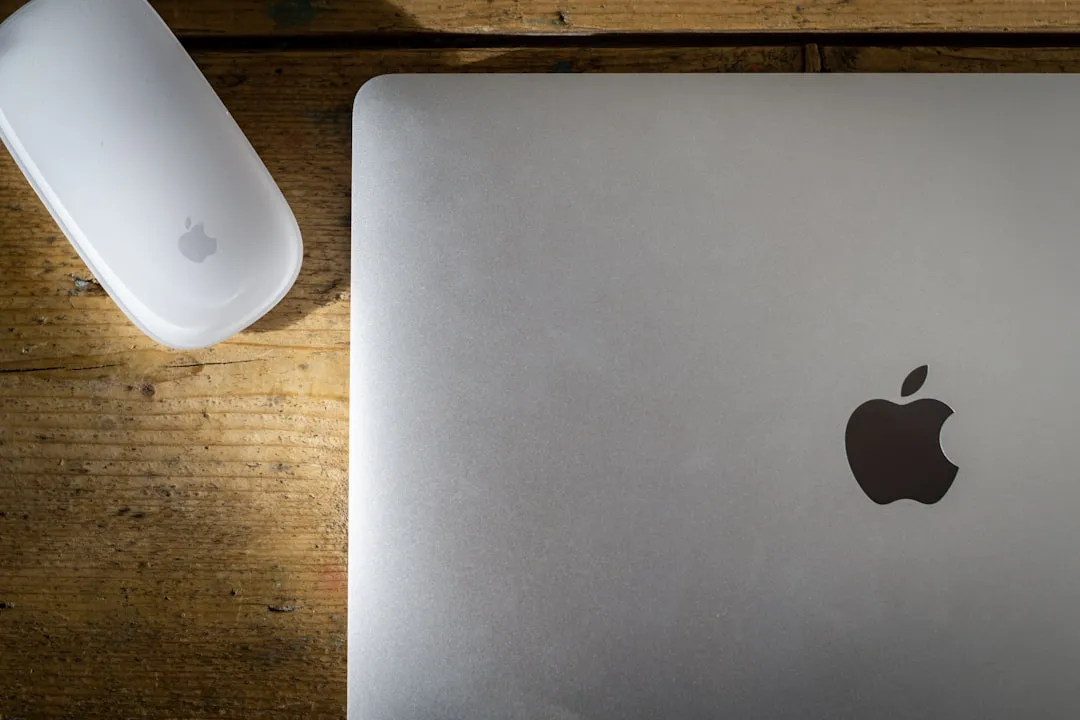
Apple's high-end desktop computer appears to be heading toward an uncertain future. The Mac Pro once stood as the crown jewel of professional computing. Recent reporting suggests the company has shifted its focus elsewhere. Apple's professional desktop strategy now centers around the Mac Studio, according to MacRumors, with internal sentiment viewing it as both the present and future of high-performance desktop computing. The current Mac Pro, which received its last major refresh with the M2 Ultra chip in June 2023, feels increasingly redundant for many users who can get similar performance from the more compact and affordable Mac Studio. The clock is ticking. With Apple's silicon roadmap pointing firmly away from tower desktops, this might be the Mac Pro's final chapter.
What’s really happening behind the scenes at Apple?
Bloomberg's Mark Gurman reports that Apple has essentially sidelined its flagship desktop, with the Mac Pro now sitting "on the back burner" within the company. That internal sentiment matters because it signals a reallocation of resources. When a team stops betting on a product, it usually means they think customers are served better elsewhere. The evidence suggests sources indicate that Apple has "largely written off" the Mac Pro, marking a strategic pivot in how the company views professional desktop computing.
The technical roadmap underscores the shift. reporting says Apple has halted work on an M4 Ultra variant that was expected to power a refreshed Mac Pro, and the Mac Pro that was expected to feature this processor has been "nixed". Instead, Apple is developing an M5 Ultra chip, and current plans show current reporting says Apple is prioritizing the M5 Ultra for a Mac Studio refresh, with no public confirmation that it will be exclusive to that model. That is not a simple schedule slip. It is a redirection of the entire high-end desktop plan toward a single, streamlined machine.
Scrapping a chip variant, along with the product built around it, is not a minor tweak. It suggests Apple believes the Mac Studio architecture better matches its professional vision, where tight integration beats old-school expansion.
Why the Mac Studio is winning the professional desktop race
The Mac Studio has captured the performance crown while delivering a more practical package for most pros. Shorter footprint, lower price, same punch. That is the gist.
Apple's internal perspective treats the Mac Studio as the definitive solution for users seeking maximum Mac performance. Many professionals who thought they needed a Mac Pro were paying a premium for expansion capabilities they rarely touched. The current Mac Pro functions as a larger, more expensive Mac Studio with PCIe expansion slots, which makes it redundant for many customers who can achieve identical performance at a lower cost.
Apple Silicon reshaped the value proposition. When both machines run the same processors with the same performance characteristics, the Mac Studio's compact design and significantly lower price point become the logical choice for anyone who does not specifically need PCIe. The transition also blunted the Mac Pro's traditional edge, with reduced PCIe expansion options compared to the Intel version.
Think about the day-to-day. Video editors working with 8K ProRes. Music producers running stacked virtual instruments. Scientific apps are chewing through massive datasets. The Mac Studio handles these tasks and still fits neatly under a monitor. The real question for most people is simple: do you absolutely need those PCIe slots?
The broader context, Apple’s silicon transition reaches completion
This Mac Pro moment sits inside a larger shift away from Intel architecture, and the timing hits hard across the industry. The company is completing its transition to Apple Silicon that began five years ago, with select 2019 to 2020 Intel models. Apple has said macOS 26 ('Tahoe') will be the last full-feature release for most Intel Macs; selected Intel models will receive security updates through fall 2028.
Next year's macOS 27 will support Apple Silicon exclusively, which marks the definitive end of the Intel era. A clean break lets Apple tune everything around its own chips and stop juggling multiple processor architectures. For the Mac Pro, this erases the last bits of justification for a traditional tower that made more sense in the Intel years.
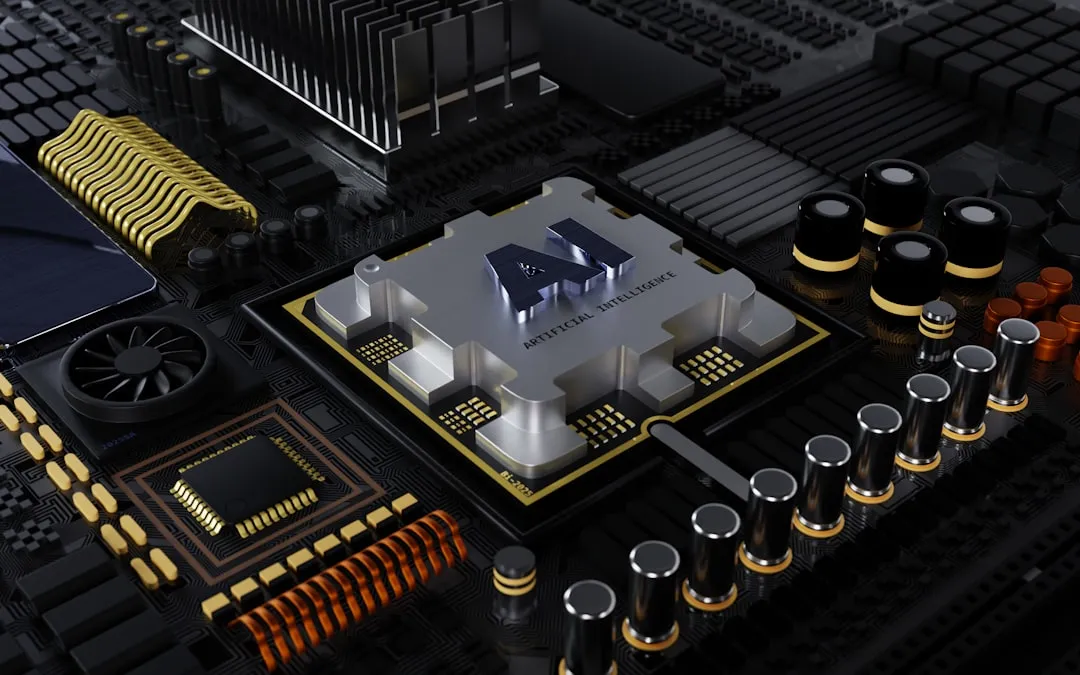
Apple is not alone. Microsoft's new Surface devices use Qualcomm ARM chips, and AMD plans to transition to ARM-based hardware by 2026. Some new Surface models are using Qualcomm Snapdragon X-series chips; AMD is widely reported to be developing Arm-based APUs (rumored for 2026), but AMD has not announced a company-wide 'transition' to ARM. The broader move toward efficient, AI-capable processors supports Apple's focus on streamlined, integrated machines like the Mac Studio. The ARM turn is not just a processor swap. It is a shift toward architectures that favor efficiency and AI acceleration over raw expandability.
What does this mean for professional Mac users?
The implications reach beyond a single product line. If you are planning your next purchase, the timeline matters. Current reporting suggests the Mac Pro will not receive significant updates in 2026; reporting suggests a 2026 Mac Studio with M5 Ultra is prioritized; outlets note an eventual Mac Pro update remains possible but is not confirmed.
For professionals who rely on PCIe expansion, that uncertainty is real. If you need specialized capture cards, high-end audio interfaces, or custom storage that require direct PCIe connections, you are likely weighing the current Mac Pro against alternative workflows.
PRO TIP: If you need PCIe expansion today, the current Mac Pro might be your last chance at an Apple tower desktop for several years. Based on current trends, waiting for a better Mac Pro may not be a viable strategy.
There is also a technical counterpoint. Technological advances in PCIe standards show modern professional applications increasingly demand bandwidth that only direct PCIe connections can provide. PCIe 6.0 promises peak x4 throughput up to ~32 GB/s (practical device figures reported near ~27 GB/s); a full x16 PCIe 6.0 link has theoretical peak per-direction bandwidth of ~128 GB/s (≈256 GB/s bidirectional). Professional fiber networking has moved to 800GbE speeds that require 16 PCIe lanes just for network connectivity.
Those bandwidth needs hint at a continued, if narrower, market for expandable desktops. The open question is whether Apple will answer those workloads with future Mac Studio iterations that push Thunderbolt further, or circle back to a Mac Pro concept that offers a value proposition strong enough to sit beside the Studio.
Where do we go from here?
The Mac Pro's predicament shows how quickly shifting priorities can reshape an entire category. This is not simply a fade-out. It is Apple doubling down on integration over expansion, efficiency over modularity.
Apple's strategy looks laser-focused on delivering maximum performance in compact forms, with the Mac Studio representing its vision for professional desktop computing. That tracks with the company's design DNA. Why maintain a large, expandable chassis if the big wins come from tighter hardware and software working as one?
If a future Mac Pro does appear, it will need advantages the Studio cannot match. That could mean professional desktops tuned for AI acceleration, machine learning workloads, or memory configurations that the Studio form factor cannot accommodate. If that does not happen, the Studio remains the answer.
For now, anyone seeking the most powerful Mac experience should look to the Mac Studio, which appears positioned to receive priority treatment in Apple's development roadmap. The company's resource allocation tells the story, and those resources are flowing toward compact, integrated solutions that serve most professional users more effectively than traditional towers.
The Mac Pro's story is a reminder that even iconic products must continually justify their place as technology evolves. Sometimes the most advanced solution is not the biggest one. It is the one that fits the work, the desk, and the moment. That is what the Mac Studio represents in Apple's current vision of professional computing.














Comments
Be the first, drop a comment!