



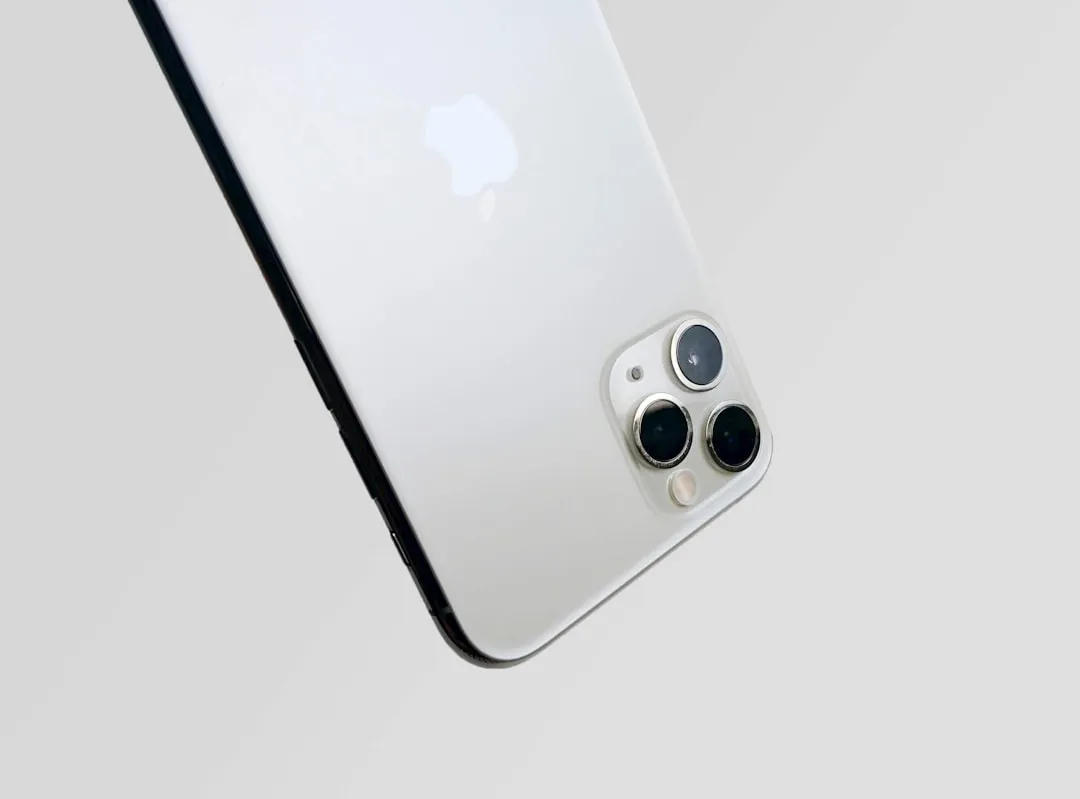
The engineering challenge behind invisible biometrics
Making Face ID work beneath a display isn't simply a matter of moving components around. Multiple sources confirm that Apple is actively testing under-display 3D facial recognition systems for the iPhone 18 Pro models, according to supply chain reports. The company must ensure that infrared light can pass through specific display areas while minimizing distortion and maintaining image quality, as noted by MacRumors. Apple's approach involves removing subpixels from the display in ways that won't be noticeable to users, based on patent filings.
Here's what makes this particularly complex: Current prototypes use metalenses—ultra-thin flat lenses that manipulate light through surface etchings rather than traditional curved structures, according to mobile technology reports. These metalenses solve a critical problem—they allow infrared sensors to function accurately while sitting beneath active OLED pixels, something conventional curved lenses struggle with due to optical interference.
The technical hurdles extend far beyond just light transmission. Face ID relies on a sophisticated ecosystem: a dot projector creates thousands of invisible infrared dots on your face, while specialized sensors read the reflected pattern to map facial geometry. Apple must also address challenges including optical interference, increased power consumption, and manufacturing complexity, as industry insiders have revealed. Each component needs to maintain current Face ID's 1-in-1,000,000 accuracy rate for facial recognition and 1-in-50,000 security standard against spoofing attempts.
Manufacturing presents another layer of complexity. The company's commitment to matching current Face ID performance and security standards adds another layer of complexity to an already demanding engineering project. This means achieving millisecond unlock speeds even when sensors operate through display layers, maintaining reliable performance across varying lighting conditions, and preserving anti-spoofing capabilities that protect against photographs, masks, and other bypass attempts.
What this means for the Dynamic Island's future
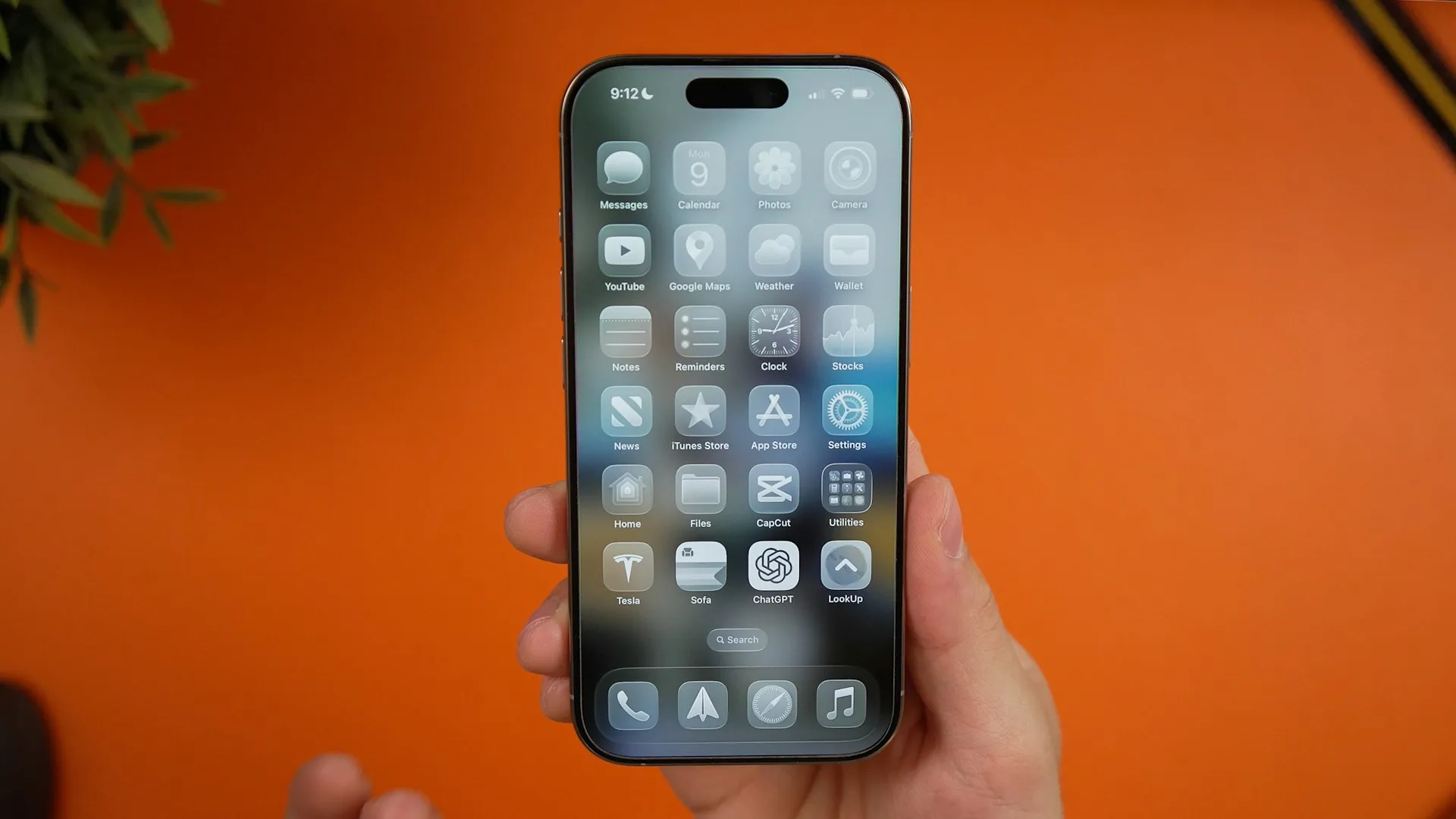
The shift to under-display Face ID fundamentally changes the iPhone's front design language. Current iPhone models house Face ID components within the Dynamic Island, but hiding these sensors beneath the screen would allow Apple to move to a single pinhole cutout for the selfie camera, according to AppleInsider. This transition would bring iPhone design closer to modern Android flagships, as recent reports suggest.
However, Apple's strategy involves more than simple hardware elimination. Leaked insider information reveals that Apple is preparing a "significant evolution" of the Dynamic Island that will make it a permanent cornerstone of iPhone interaction, according to industry sources. This suggests Apple views the Dynamic Island as a fundamental interface paradigm—a contextual hub for notifications, live activities, and cross-app workflows—rather than merely a hardware necessity.
Even when under-display Face ID arrives, the Dynamic Island may remain as software overlays, with a gradual transition reducing its physical size over time, as suggested by recent analysis. This hybrid approach reflects Apple's design philosophy: evolving successful features rather than abrupt elimination. Consider how the company transitioned from physical home buttons to gesture navigation—maintaining familiar interactions while introducing new capabilities.
The iPhone 18 Pro will likely debut with a much smaller physical cutout housing only the selfie camera, while retaining Dynamic Island-style software interactions across the top portion of the display. This creates the best of both worlds: a cleaner hardware design with expanded software functionality that developers have already optimized for Dynamic Island integration.
Timeline reality check: when will we actually see this?
The timeline for under-display Face ID reflects the technology's substantial engineering challenges. Display industry analyst Ross Young initially projected the feature for iPhone 17 Pro models but subsequently revised this timeline to 2026, as reported by MacRumors. Bloomberg's Mark Gurman indicates the technology could arrive in iPhone 18 Pro models between 2026 and 2027, according to mobile industry reports.
The repeated timeline revisions reveal specific technical and manufacturing hurdles rather than simple development delays. Each postponement addresses different challenges: optical interference resolution, power consumption optimization, supply chain scaling, and quality assurance that meets Apple's standards.
Recent supplier commitments suggest 2026 is increasingly viable. OTI Lumionics CEO Michael Helander confirmed that phones using their under-panel Face ID materials should be available for sale in 2026, as noted by 9to5Mac. This supplier-level confirmation carries significant weight because it indicates production planning beyond prototype phases.
Industry experts predict that manufacturing costs will decrease by then, making mass production feasible, according to WebProNews analysis. The 2026-2027 timeframe also aligns with advancements in OLED technology crucial for under-display integration, as industry reports indicate. Manufacturing costs typically need to reach specific thresholds—industry analysts suggest under-display components must cost less than 15% premium over traditional implementations for Apple to pursue mass production.
The broader implications for Apple's ecosystem
Under-display Face ID represents more than a single feature upgrade—it's part of Apple's larger technological roadmap. The company is testing this technology in a foldable iPad Pro prototype featuring an 18.8-inch display, according to mobile technology sources. This cross-device testing reveals Apple's systematic approach to ecosystem-wide authentication improvements.
The iPad implementation presents unique opportunities: seamless authentication for content creation workflows, improved user experience for large-screen multitasking, and potential integration with upcoming spatial computing features. This innovation could extend beyond iPhones to iPads or even Macs, potentially reshaping Apple's entire ecosystem, as patent analysis suggests.
Apple's methodical development approach contrasts sharply with competitors' implementations. Apple's methodical approach prioritizes quality over speed, reflecting the company's commitment to perfection rather than rushing to market, as industry observers note. While Android manufacturers have already implemented under-display cameras, reviews often criticize reduced image quality due to overlaying pixels, according to comparative analysis.
The quality-first approach addresses specific performance standards: maintaining Face ID's current 99.9% accuracy rate, preserving sub-second unlock speeds, and ensuring reliable performance across diverse lighting conditions and user scenarios. Apple's delay likely stems from ensuring that under-display Face ID matches or exceeds current standards, maintaining the company's reputation for premium user experiences.
The path to a truly seamless iPhone
Looking ahead, the iPhone 18 Pro's under-display Face ID marks just the beginning of Apple's journey toward a completely seamless device. Display analyst Ross Young expects iPhones to eventually feature both under-screen Face ID and under-screen front cameras, as reported by MacRumors. This complete under-display implementation would eliminate all visible cutouts, creating an uninterrupted display experience that transforms how users interact with content.
The vision extends beyond aesthetics to functional advantages: expanded usable screen real estate for immersive experiences, improved video playback without display interruptions, and enhanced augmented reality applications where screen continuity becomes critical. This would finally deliver the true all-screen design that former Apple design chief Jony Ive envisioned, according to industry analysis.
The technology's arrival coincides with the iPhone's 20th anniversary timeline, potentially making it a symbolic milestone in the device's evolution, as noted by WebProNews. This timing aligns with Apple's history of celebrating significant anniversaries with breakthrough innovations—the iPhone X marked the 10th anniversary with Face ID's introduction, and the iPhone 20 could similarly commemorate two decades with invisible biometrics.
The iPhone 18 Pro's implementation will likely serve as Apple's testing ground for broader ecosystem adoption. With the company's commitment to gradual, refined innovation, we can expect this technology to mature across multiple device categories, ultimately transforming how we interact with Apple's entire product lineup. The wait may be longer than initially hoped, but Apple's track record suggests the final implementation will set new industry standards for both functionality and user experience—delivering seamless authentication that works so naturally, users focus entirely on their tasks rather than the technology enabling them.












Comments
Be the first, drop a comment!