





![for iPhone 18 Pro Case Clear [Not-Yellowing]](https://m.media-amazon.com/images/I/714DZnjreeL._AC_UY218_.jpg)
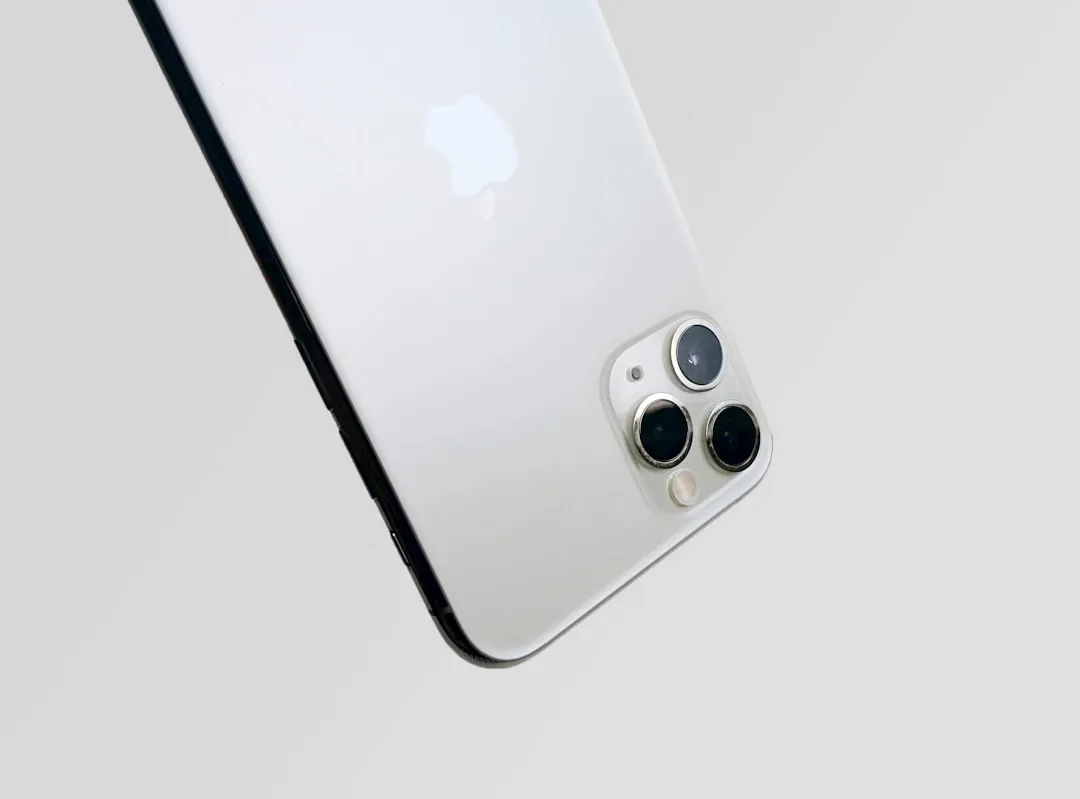
When the iPhone 18 Pro lineup reportedly arrives in September 2026, it may represent one of the most significant design shifts Apple has tested in years. The leaks and industry reports painting a picture of these devices suggest Apple is finally ready to deliver on promises that have been years in the making, particularly when it comes to Face ID technology.
What's getting everyone excited? We're talking about Face ID sensors that completely disappear beneath the display, camera systems with professional-grade variable aperture controls, and a design evolution that could make the Dynamic Island as we know it a thing of the past. Let's break down what makes these upcoming Pro models so compelling.
The under-display revolution: How Face ID is going invisible
Here's where things get really interesting. Apple has reportedly worked on under-display Face ID for years, and multiple reports say the company is testing prototypes for the iPhone 18 Pro models. The magic happens through what industry insiders call "spliced micro-transparent glass" windows built directly into the display, according to supply chain reports. This specialized glass allows infrared sensors to function perfectly while hidden beneath the screen surface.
The engineering elegance here is remarkable. Instead of completely reinventing Face ID, Apple found a way to make the display itself transparent to infrared light in precisely the right spots. The approach uses micro-perforated or nano-patterned glass to selectively improve IR transmission in a localized region above the sensor array, similar to existing industry techniques but refined to Apple's exacting standards.
The breakthrough came when Apple figured out how to remove specific subpixels from the display in ways that won't be noticeable to users, industry sources indicate. This solution maintains display quality while creating invisible windows for the infrared projection system that Face ID requires to map your facial features securely.
The result, if Apple proceeds, could be a much smaller Dynamic Island or a small hole-punch cutout in the top-left corner for the front-facing camera, reports The Information. This represents the most dramatic change to iPhone design since Face ID first arrived, and it's a change that could fundamentally alter how we think about smartphone displays going forward.
Camera upgrades that could change mobile photography
The camera improvements coming to the iPhone 18 Pro Max might be the most exciting development for photography enthusiasts. Apple is reportedly adding a mechanical iris system that enables variable aperture control, according to MacRumors. This means users could manually adjust aperture settings just like on professional DSLR and mirrorless cameras, providing unprecedented control over depth of field and low-light performance.
To put this in perspective, every iPhone from the 14 Pro through the current 17 Pro models uses a fixed f/1.78 aperture on the main camera, as confirmed by technical specifications. With variable aperture, you could shoot wide open at f/1.4 for dramatic portrait backgrounds, or stop down to f/2.8 for landscape shots where you want everything in sharp focus from foreground to background. It's the difference between having one creative tool versus an entire toolkit.
This isn't just a minor spec bump—it's a fundamental shift in how iPhone cameras could work. Imagine shooting a sunset where you can precisely control how much of the foreground remains in focus, or capturing street photography with the exact depth of field that matches your creative vision. The mechanical iris would give you the same manual control that has made professional cameras indispensable for serious photographers.
The main 48-megapixel camera system will retain the triple-lens configuration we're familiar with, but the addition of mechanical aperture control could make the iPhone 18 Pro Max a legitimate tool for content creators and photography professionals. The camera bump design will likely remain similar to current models, maintaining the wider "plateau" design needed to accommodate the triple-lens system, reports indicate.
Power and performance: The A20 Pro advantage
Under the hood, the iPhone 18 Pro models are expected to deliver substantial performance improvements thanks to the new A20 Pro chipset. This processor will be manufactured using TSMC's cutting-edge 2nm process technology, according to supply chain reports. The smaller manufacturing process typically translates to better power efficiency and faster performance compared to current generation chips.
What's particularly interesting is Apple's plan to use TSMC's Wafer-Level Multi-Chip Module packaging technology in these devices, industry sources reveal. This advanced packaging approach could deliver faster performance, longer battery life, and improved thermal management while actually reducing the chip's physical footprint inside the phone, technical analysis indicates.
The benefits of this approach go beyond just raw speed. Better thermal management means the phone can maintain peak performance longer without throttling, while the smaller chip footprint frees up valuable space inside the device for other components—perhaps contributing to the complex engineering required for under-display Face ID.
The iPhone 18 lineup will also benefit from Apple's next-generation C2 modem chip, which promises more capable wireless connectivity than current models, according to MacRumors. Some reports even suggest the Pro models could gain support for 5G satellite internet connectivity, though this remains unconfirmed. If true, this could be a game-changer for users in remote areas or emergency situations.
Design evolution and what to expect
While the iPhone 18 Pro models will maintain the general design language of their predecessors, several subtle but significant changes are in the works. The devices will keep the familiar 6.3-inch and 6.9-inch screen sizes for the Pro and Pro Max respectively, according to current reports. However, the Pro models might feature a "subtle transparent finish" on the rear glass panel, industry sources suggest.
Color options are getting a refresh too, with Apple reportedly testing burgundy, purple, and coffee brown finishes for the Pro models, according to supply chain leaks. These warmer, more sophisticated tones would mark a departure from the current titanium color palette and could appeal to users looking for something more distinctive than the typical space gray and silver options.
The shift toward these richer, more premium-looking colors makes sense when you consider that Apple is positioning these as truly professional devices. Burgundy and coffee brown, in particular, suggest a more mature, sophisticated aesthetic that could appeal to business users and creative professionals.
These changes could signal Apple's broader strategy of differentiating Pro models through premium materials and finishes, potentially setting the stage for even more distinctive design languages across the iPhone lineup as manufacturing capabilities advance.
What this means for the iPhone ecosystem
Looking at the bigger picture, these iPhone 18 Pro developments represent Apple's continued push toward a truly seamless display experience. The company has been working toward under-display technology for several years, as evidenced by patent filings. Successfully implementing under-display Face ID could pave the way for completely uninterrupted displays in future iPhone generations—imagine an iPhone 19 or 20th-anniversary iPhone with no visible cutouts at all.
The variable aperture camera system also signals Apple's commitment to closing the gap between smartphone and professional photography equipment. This feature, combined with the computational photography improvements that typically come with new chipsets, could make the iPhone 18 Pro Max a legitimate alternative to dedicated cameras for many users, industry analysis suggests.
What's particularly significant about Apple's approach here is how these innovations could influence the broader smartphone market. Under-display Face ID technology, if successful, will likely become a competitive benchmark that Android manufacturers will need to match. Similarly, variable aperture cameras could become expected features in premium smartphones, pushing the entire industry toward more professional-grade photography capabilities.
Apple is expected to unveil the iPhone 18 Pro and Pro Max models in September 2026, according to multiple sources. Interestingly, the company might split the iPhone 18 launch, with Pro models and the rumored foldable iPhone arriving in fall 2026, while base models could debut in early 2027, reports suggest. This staggered approach would allow Apple to focus attention on its most innovative features while managing production complexity across the entire lineup.
The implications extend beyond just these specific phones. If Apple can successfully implement under-display Face ID and variable aperture cameras in the iPhone 18 Pro models, these technologies will likely filter down to other devices in the lineup over time. We could see a future where even base iPhone models offer these premium features, just as ProMotion displays and advanced camera systems have gradually expanded across Apple's product range.
Bottom line: The iPhone 18 Pro lineup appears positioned to deliver the kind of meaningful technological leap that justifies the "Pro" designation. These aren't incremental updates—they're fundamental improvements to core iPhone technologies that users interact with every day. Whether Apple can execute on these ambitious plans remains to be seen, but the pieces certainly seem to be falling into place for what could be the most significant iPhone update in years.








Comments
Be the first, drop a comment!