



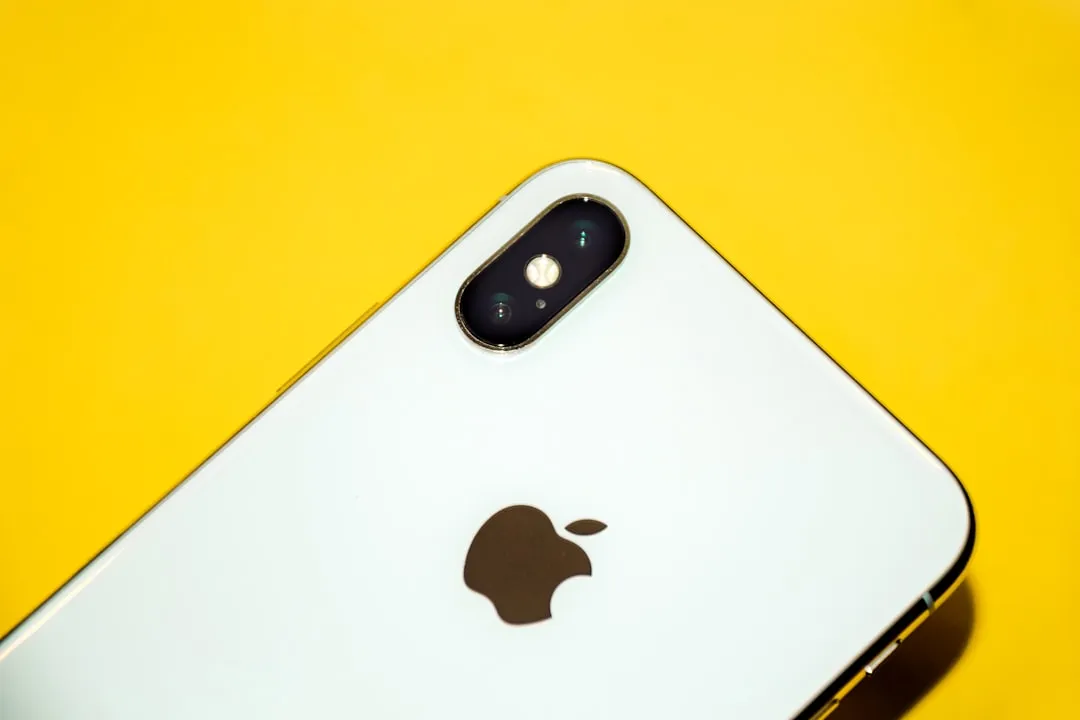
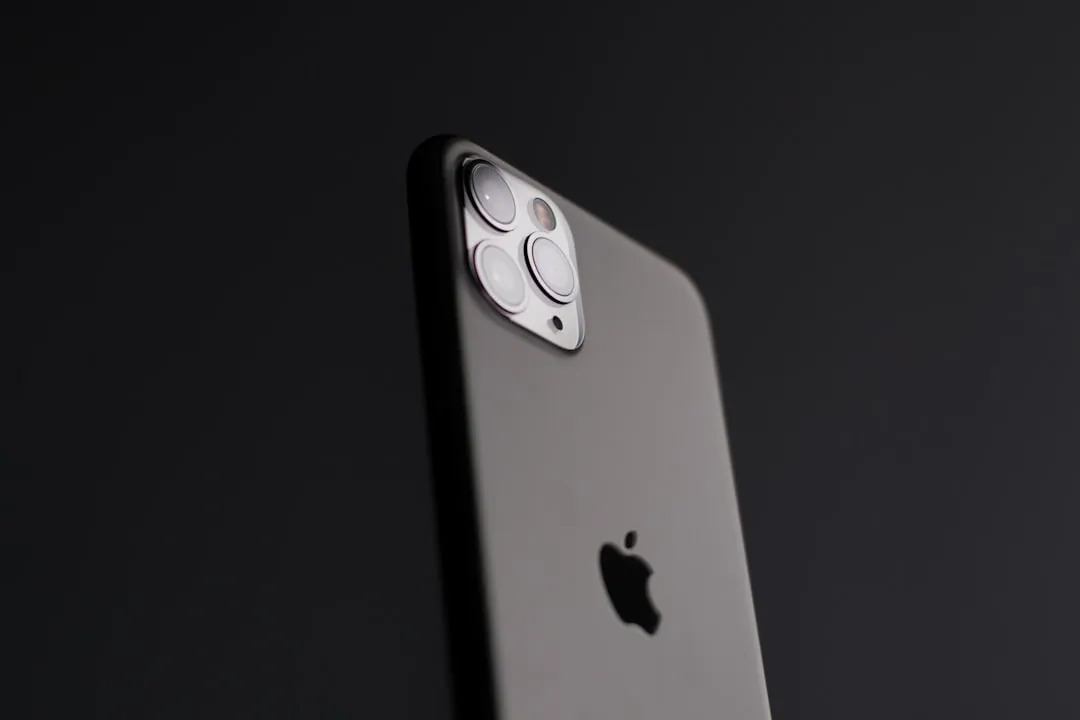
The electric vehicle industry is experiencing a fascinating convergence with smartphone ecosystems, and Rivian's latest move perfectly illustrates this trend. The EV startup has officially activated Apple Car Key support for its second-generation R1T pickup and R1S SUV models through its upcoming .46 software update. This integration allows owners to unlock, lock, and start their vehicles using nothing more than their iPhone or Apple Watch through the native Wallet app.
What makes this particularly noteworthy is how Rivian combines cutting-edge wireless technology with practical convenience features. The system leverages both Ultra Wideband for precise location sensing and NFC technology, creating a seamless user experience that works even when your phone's battery dies. This addresses one of those nagging concerns people have about digital keys—what happens when your phone gives up at exactly the wrong moment?
The technical magic behind seamless vehicle access
Rivian's implementation of Apple Car Key showcases some impressive engineering decisions that set it apart from basic digital key systems. The upcoming .46 software update will deliver native key functionality that lives directly inside your Apple Wallet, alongside your credit cards and boarding passes.
The real innovation lies in the dual-technology approach. Ultra Wideband enables hands-free unlocking while you're still approaching the vehicle—imagine walking up to your truck with your hands full of groceries, and it just recognizes you're coming and unlocks itself. Meanwhile, NFC provides backup functionality for more traditional tap-to-unlock scenarios.
Perhaps most cleverly, the NFC support taps into Apple's Power Reserve feature, allowing you to access your truck for up to five hours after your iPhone battery completely dies. What sets this apart from other manufacturers' dead battery solutions is the integration with Apple's existing Power Reserve system—it's not a separate Rivian feature, but a direct tap into iOS functionality that iPhone users already understand. You know that moment when your phone dies right as you're getting back to your car after a long day? Yeah, Rivian's got you covered.
Why this puts Rivian ahead of the competition
The timing and execution of Rivian's Apple Car Key rollout reveals some strategic thinking about market positioning. This update brings Rivian in line with established automakers like BMW and Hyundai that already offer native wallet-based keys, which is important for a relatively new player trying to compete with legacy brands.
Here's what's interesting: even Tesla, despite having UWB hardware in its newest vehicles, still relies primarily on Bluetooth for its phone key functionality rather than implementing full wallet integration. Tesla's reluctance to embrace native wallet integration means Rivian is actually leapfrogging the EV market leader in terms of ecosystem convenience—a significant competitive advantage for users who prioritize seamless Apple integration.
Rivian is also expanding the practical limits of digital key sharing by increasing support from four to eight digital keys per vehicle. Beyond just family convenience, this expansion opens up business use cases—fleet managers can easily distribute access to multiple employees, or vacation rental companies can streamline guest access without coordinating physical handoffs.
The broader ecosystem play (and what's still missing)
Here's where things get interesting from an Apple ecosystem perspective. Rivian's embrace of Apple Car Key represents a calculated compromise in their overall platform strategy. The company has steadfastly refused to integrate Apple CarPlay, with CEO RJ Scaringe arguing that third-party systems conflict with Rivian's holistic user experience philosophy. He's compared CarPlay adoption to "Apple running Windows"—which, fair point, but also creates some friction for users.
This selective integration philosophy becomes clearer when you see how Rivian approaches other Apple services. The company has made selective integrations work—they've deeply embedded Apple Music with Spatial Audio support into their Connect+ platform, which actually sounds pretty impressive for audiophiles. This suggests Rivian is willing to embrace Apple technologies that enhance their core experience without surrendering control of the primary interface.
However, studies indicate that nearly half of car buyers wouldn't consider a vehicle without CarPlay or Android Auto support, suggesting Rivian may be swimming against consumer preferences. It's a bold bet that their native infotainment experience will be compelling enough to overcome that resistance.
What this means for the future of connected vehicles
Rivian's approach to Apple integration offers valuable insights into how automotive companies are navigating the tension between platform openness and control. The .46 update arriving later this month will also bring full compatibility with Google Wallet and Samsung Wallet, showing that Rivian sees digital key standardization as beneficial rather than threatening.
This multi-platform approach reveals Rivian's pragmatic understanding that vehicle access transcends platform loyalty—while a family might be deeply invested in the Apple ecosystem for entertainment and communication, they recognize that secure, reliable vehicle access should work regardless of which smartphone brand someone chooses.
The company's software chief has indicated this is just the beginning for the Gen 2 platform, with plans to make their vehicles feel more like high-tech software than traditional automobiles. For Apple users, this creates an interesting preview of how selective ecosystem integration might work—you get some of the seamless Apple experience, but not the complete package that CarPlay would provide.
The bottom line: progress with asterisks
Rivian's Apple Car Key implementation represents genuine progress in making electric vehicles more integrated with our digital lives. The technical execution appears solid, with thoughtful touches like Power Reserve support and the ability to share keys via text message solving specific user pain points rather than just checking feature boxes.
The expansion to eight digital keys per vehicle and cross-platform wallet support shows Rivian is thinking practically about how families and businesses actually use vehicles. These features demonstrate real-world problem solving—no more coordinating who has the spare key fob when your teenager needs to borrow the truck, or struggling with key management in multi-car households.
However, the continued absence of CarPlay means iPhone users still face a fragmented experience—seamless entry followed by a disconnected infotainment environment. As more than 90% of new cars globally support CarPlay or Android Auto, Rivian's selective approach becomes increasingly notable.
For potential buyers deeply embedded in the Apple ecosystem, this creates a genuine decision point about whether best-in-class digital keys can compensate for missing the broader integration they're accustomed to in other vehicles. It's progress, but with some pretty significant asterisks attached.







Comments
Be the first, drop a comment!