




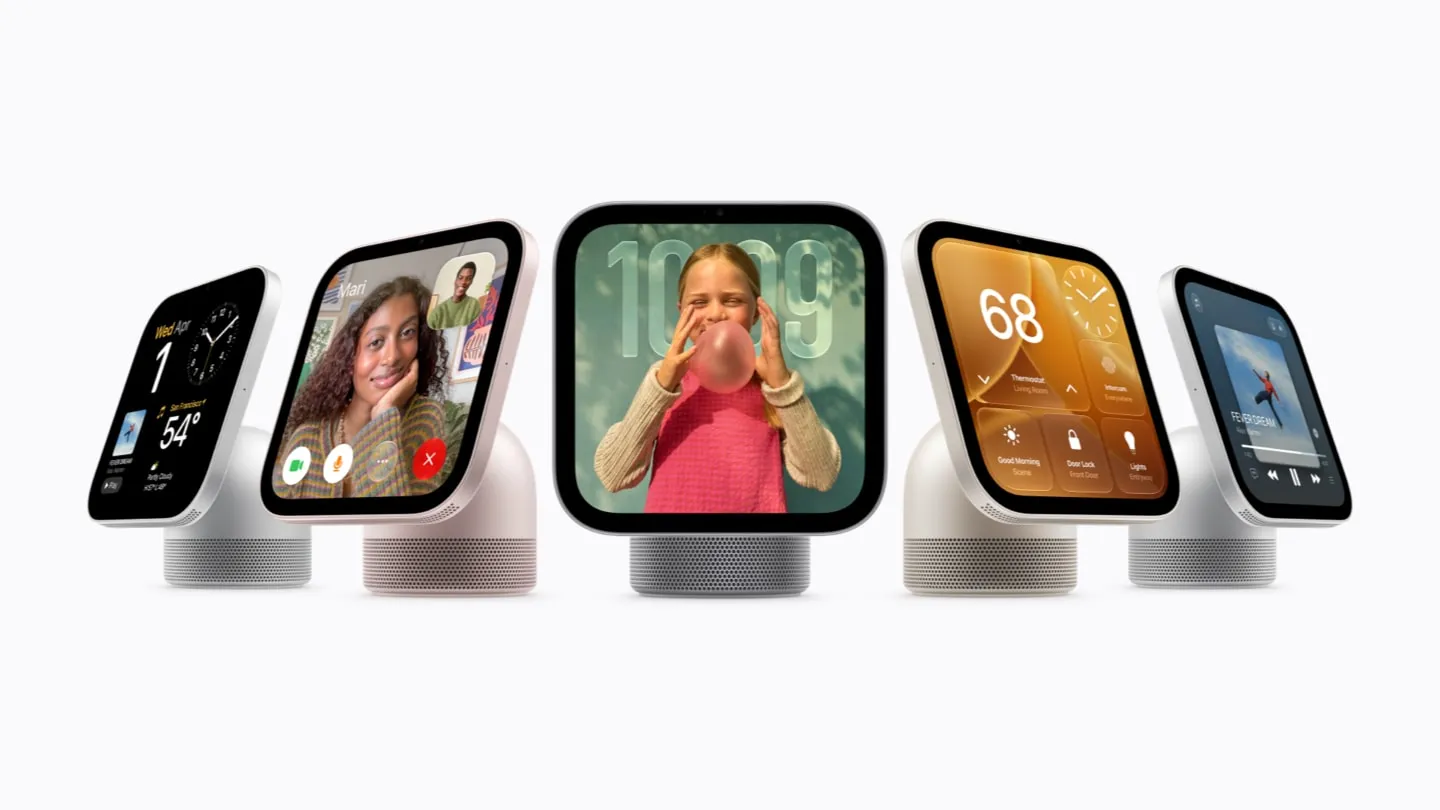
Apple took away the iPad's old job. It can no longer act as a Home hub; that role now sits strictly with HomePod and Apple TV. A small independent app called HomeDeck bets there's still a use for a spare iPad in a smart home: not as the brain, but as a HomeKit dashboard for iPad that displays an Apple Home someone has already built out. HomeDeck's own pitch is a dedicated screen, not a replacement for the hub sitting underneath it.
The developer describes HomeDeck for HomeKit as a full-screen dashboard for iPad and Apple TV that mirrors an Apple Home already configured on the network. It started as an Apple TV app before the developer expanded it to iPadOS. That scope tracks with how Apple's own architecture works now: the current version of Apple Home simply doesn't support iPad as a hub, full stop.
This isn't a step-by-step installation guide. HomeDeck's interface, its permission prompts, and how it behaves once it's actually bolted to a wall haven't turned up anywhere outside the developer's own brief description. What follows instead is what's confirmed, what to check before spending money on a mount, and how to test the app honestly before committing an iPad to a bracket and a permanent power run.
Confirm your Apple Home foundation first
A dashboard only shows what's underneath it. HomeDeck runs on top of an Apple Home that's supposedly already configured correctly; it's not a tool for fixing one that isn't.
Migration status is the place to start. Apple ended support for the original Home architecture on February 10, 2026, and homes that hadn't switched over by then risked losing Home app functionality outright.
Checking is quick: open Home, tap Settings, and follow whatever update prompt shows up. Apple has said some homes may already have been upgraded automatically without a prompt ever appearing, so a clean-looking settings screen by itself isn't proof that the migration actually completed.
Three requirements determine whether a home is actually ready to carry a dashboard on top of it:
Hub
Covers: Remote access, notifications, home sharing, and adding Matter accessories
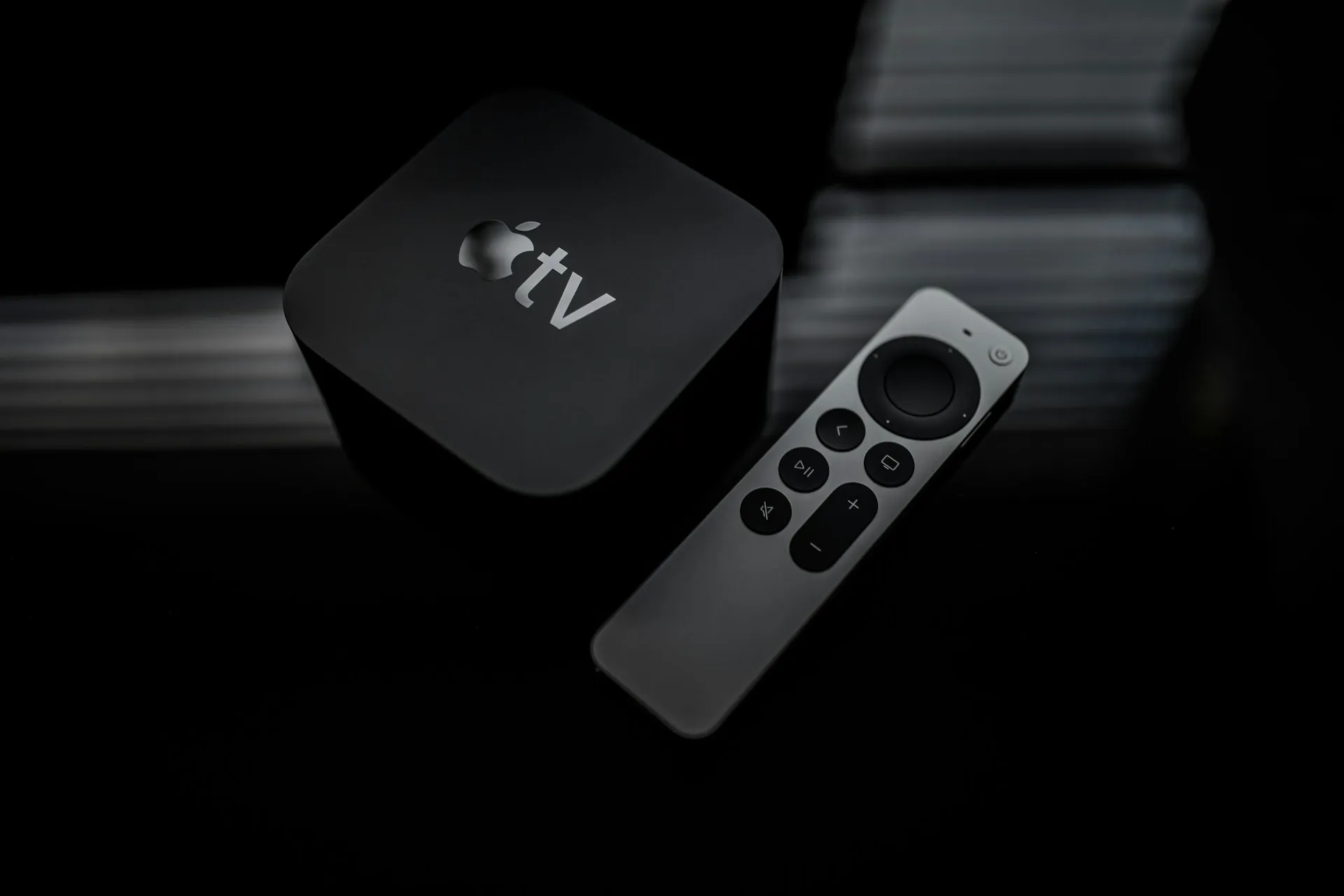
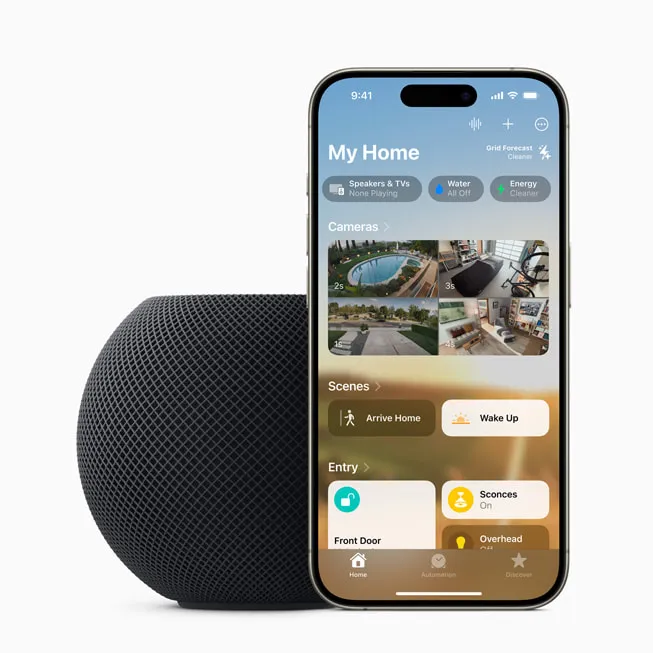
Requirement: An active HomePod, HomePod mini, or Apple TV. An iPad cannot serve as the hub.
Thread-enabled Matter accessories
Covers: Matter devices that connect through Thread
Requirement: A Thread-capable hub, such as a HomePod mini, Apple TV 4K (3rd generation) Wi-Fi + Ethernet, or a supported third-party border router.
Software minimum
Covers: Every device used with the Home app, including a mounted iPad
Requirement: Apple Home: iPadOS 16.2 or later; HomeDeck itself currently requires iPadOS 26.0 or later.
A hub is required for the four functions in that first row. Nowhere does Apple's documentation say the hub governs every local, on-screen tap, so don't assume a HomePod or Apple TV is silently doing more work than it's credited for.
Once the software checks out, confirm the hub is actually behaving like one. It should show up in the home, connected to the home Wi-Fi network, and powered on; the active hub appears at the top of the relevant Home settings screen, and Automatic Selection can be switched off if a specific device needs to be chosen.
Only the homeowner, not a shared user, can add a HomePod or Apple TV as a hub in the first place. If something still looks off, Apple's own fix is unglamorous but works: update the hub, the iPad, and any other Home devices, restart them, and make sure iCloud Keychain and two-factor authentication are both on for the Apple Account tied to the home.
With the underlying Home confirmed, the real question becomes what HomeDeck actually adds on top of it.
What HomeDeck for HomeKit actually offers
HomeDeck is distributed through the App Store, with new builds landing almost every week and a Telegram channel where the developer collects feedback. The confirmed scope is narrow but specific: an iPad HomeKit control panel and Apple TV app that displays an existing Apple Home in full-screen form. The developer is upfront that the writeup describing it "is not a product showcase," which matters mainly because it means the source material stops short of interface detail.
That gap has real consequences for anyone trying to plan around this app. Nothing in the available material documents the exact sign-in and sync process, how HomeDeck inherits rooms, accessories, and scenes from an existing home, what permissions it requests on first launch, whether it handles camera feeds, or how far its customization goes.
The App Store documents rooms, favorites, accessory controls, cameras, weather, and Ambient mode, but it does not fully document the first-launch setup or permission flow. Anything involving "connecting" HomeDeck to a home is worth checking directly, in the App Store listing or the moment the app first opens.
There's also a trade-off baked into choosing software from one independent developer instead of Apple. HomeDeck is under active, independent development, and a near-weekly build cadence means it's likely to keep changing while it's being evaluated. That's not a warning, and it's not an endorsement, just a fact worth planning around: whatever an Apple Home dashboard for iPad looks like today may look different by next month.
Test a wall-mounted iPad HomeKit dashboard before mounting
Skip the wall mount for now. Prop the iPad on a shelf or counter for several days first, since undoing a permanent mount and a dedicated power run is far more annoying than moving a tablet six inches to the left. A reasonable order of operations:
Verify Apple Home first, using the migration check and hub check above, before installing anything new.
Install HomeDeck from the App Store, or through TestFlight to try a newer build.
Compare what HomeDeck shows against the Home app. If it displays rooms and accessories, confirm the list matches the real setup rather than a stale or partial snapshot.
Test whatever controls appear, such as toggles or scenes, and confirm the actual device responds, not just that the app's own display updates.
Leave the iPad running in its intended spot for several days. Watch how it behaves overnight: does it stay logged in, does it need to be woken or relaunched, does it get warm to the touch.
Decide on mounting only after those checks hold up, not before.
Check the App Store listing directly for current pricing before buying hardware; it currently requires iPadOS 26.0 or later, and pricing can change by region or promotion. Home sharing, notifications, and adding Matter accessories stay functions of the hub, the HomePod, or Apple TV, no matter what the dashboard displays on screen. Verify those through the hub itself, not by expecting the iPad to confirm them.
A few physical questions matter too, and none of them have anything to do with HomeDeck specifically. They apply to any iPad running as an always-on kiosk display: can it stay plugged in without the screen dimming unpredictably, and can the app be exited or recovered without a full device restart if it locks up? A few days of testing won't settle long-term battery or heat behavior, but it will surface the obvious problems before they get built into a wall.
Try it now, or wait it out
Try HomeDeck if a spare iPad is sitting around, the Apple Home behind it has already migrated, and there's patience for an app that changes almost weekly. Wait if the countertop trial turns up dropped connections, a stale device list, or a screen that won't wake reliably; a wall mount fixes none of that.
Check the App Store listing directly for current pricing and device requirements before buying hardware, since neither is confirmed here. Given the pace of updates, it's worth checking back on HomeDeck's TestFlight or Telegram channel in a couple of months. What holds true about it today may already look different by then.

Comments
Be the first, drop a comment!