



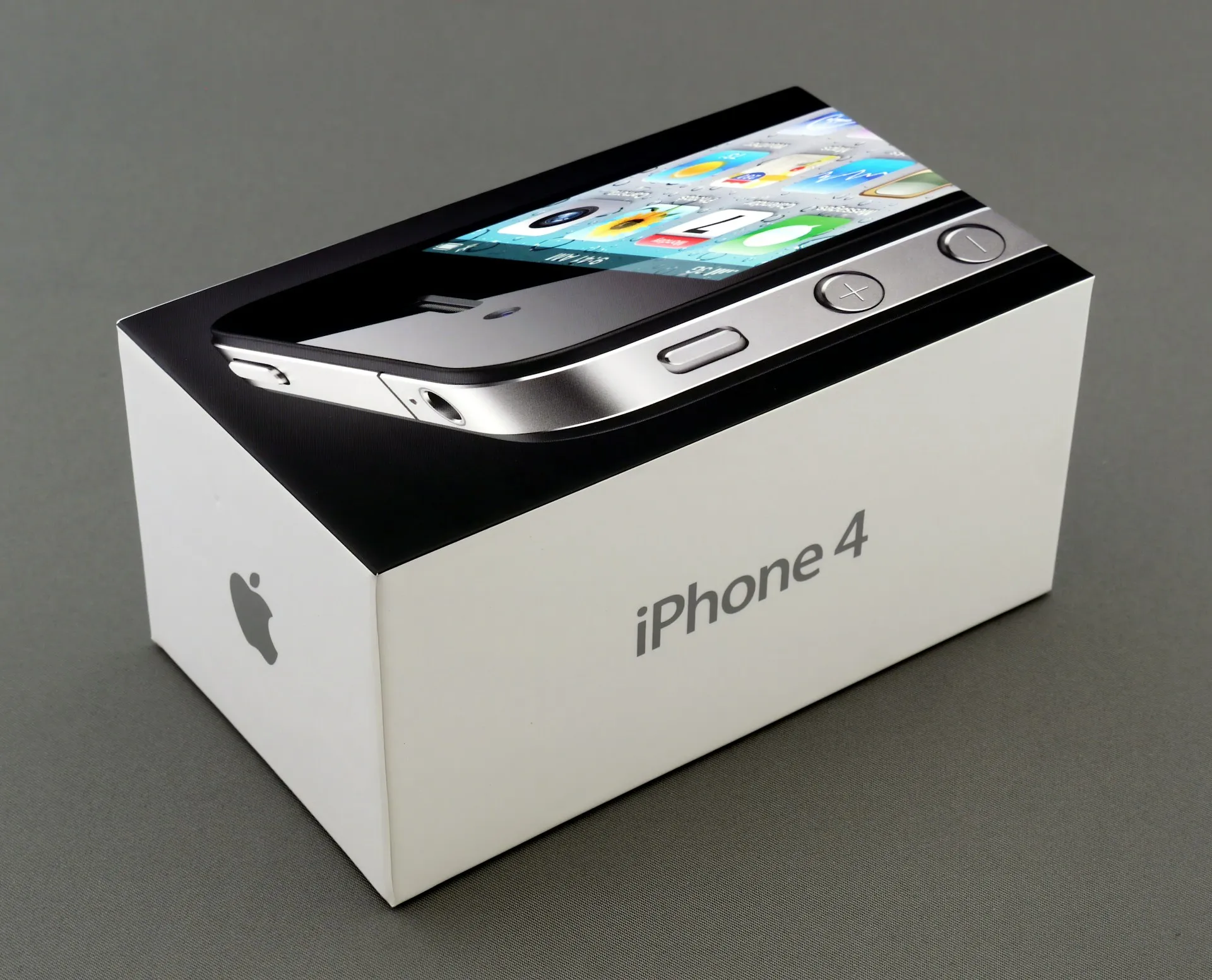
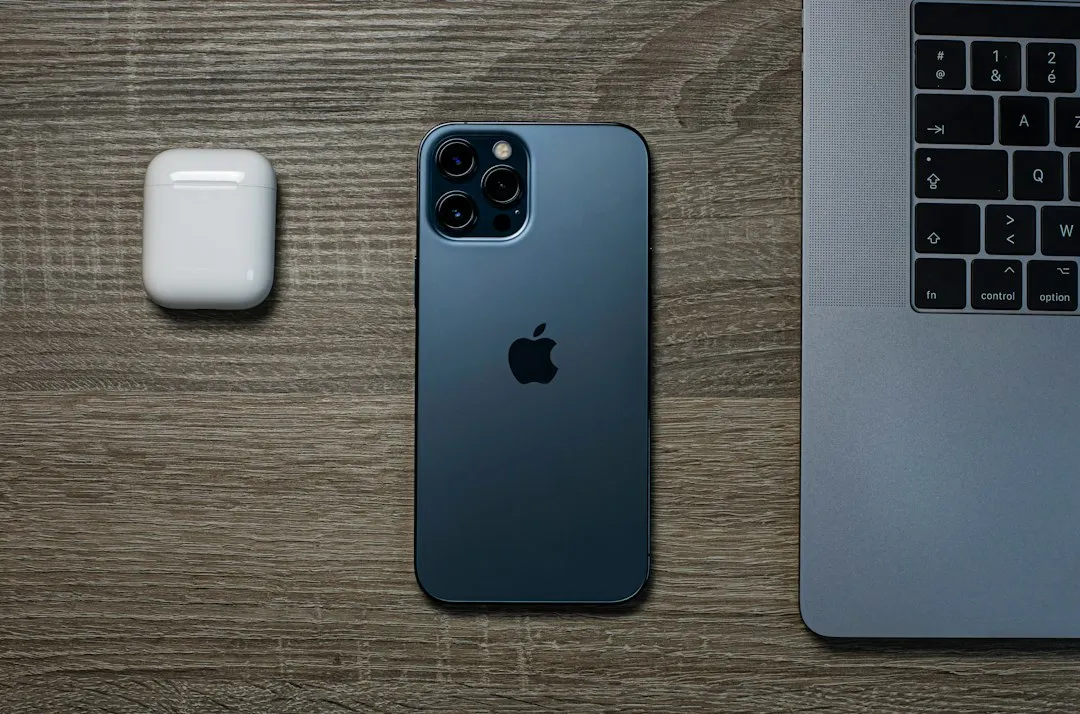
The iPhone 4 is making an unexpected comeback on TikTok, where creators are celebrating this retro device as a stylish throwback to simpler times. There's something genuinely charming about pulling out that sleek, rectangular piece of tech history with its distinctive steel frame and tiny 3.5-inch screen. But here's the thing: while the nostalgia is absolutely real, using a decade-old device for modern social media creates a perfect storm of security vulnerabilities that most people haven't really considered.
TikTok's platform gathers extensive personal information, including location data, device details, and browsing patterns, according to security experts. But it's not just about basic data collection—the app also requests permissions for camera, microphone, and contacts when downloaded, as noted by digital security researchers. What amplifies these concerns is how this data intersects with older hardware limitations: government officials have raised questions about potential third-party access to user information, according to policy analysts—concerns that become more complex when your device lacks modern security protections. So while you're busy recreating that perfect 2010s aesthetic for your feed, let's break down how to safely join this retro trend while protecting your digital privacy.
Why the iPhone 4 revival matters for security
The iPhone 4's return to social media spotlight brings unique privacy challenges that modern users might not expect. Think about it this way—you're essentially running cutting-edge social media software on hardware that was designed when Obama was still in his first term. This device runs on outdated iOS versions that lack current security patches and encryption standards that protect newer devices.
What makes this particularly concerning is how TikTok's extensive data collection intersects with these hardware limitations. The platform captures personal details like names, email addresses, and phone numbers alongside user behavior patterns, research shows. Beyond basic personal information, the app tracks engagement metrics including likes, shares, and comments while monitoring device-specific information such as IP addresses and operating system details, according to cybersecurity analysis.
Here's where it gets technically interesting: forensic studies reveal that TikTok may maintain detailed session records and cache viewed content locally on devices, as documented by mobile security researchers. On older iOS systems like the iPhone 4, these cached files and session logs persist longer and with fewer security restrictions than on modern devices. Using legacy hardware amplifies these privacy risks since older iOS versions can't leverage modern security features that limit app access to sensitive data. It's basically like having a really chatty app on a device that doesn't know how to tell it to keep quiet about certain things.
Essential privacy settings for older devices
Configuring TikTok's privacy controls becomes crucial when you're using vintage hardware like the iPhone 4, precisely because the device's limited iOS version gives you fewer automated security protections. You might be wondering where to even start with this—and the key is being more deliberate about each setting than you would on a newer device.
Start by switching your account to private mode and disabling personalized advertising features, security guides recommend. This foundational step becomes more critical on older devices because you're working with fewer privacy layers overall. Next, limit app permissions carefully, avoiding unnecessary access to contacts, location services, and other sensitive device functions, according to privacy experts. The iPhone 4's iOS version gives you less granular control than modern devices, so you'll want to be more conservative with what you allow.
Be particularly cautious about linking TikTok to other social media accounts like Instagram, as this creates additional data-sharing pathways, researchers advise—and these connections can expose more data when your primary device has limited security controls.
Here's something that directly impacts your iPhone 4 privacy strategy: TikTok stores user sessions and detailed activity logs in local databases, which remain accessible even after app closure on older iOS systems, forensic analysis reveals. This means that regularly clearing cached data becomes particularly crucial for iPhone 4 users, since this information persists longer on your device than it would on modern hardware with better data management protections.
These privacy adjustments help minimize data exposure, though they can't completely eliminate the inherent vulnerabilities of using outdated operating systems for modern social media platforms. Think of it as putting better locks on an older house—it definitely helps, but the fundamental structure still has some limitations.
Smart usage strategies for vintage iPhones
Adopting specific usage patterns can significantly reduce security risks when accessing TikTok on older devices, especially when you understand how the app's data persistence works on legacy hardware. The key here is being more intentional about how you use the platform rather than just scrolling mindlessly.
Enable two-factor authentication and create strong, unique passwords for your account, cybersecurity professionals suggest. This becomes even more important on older devices because you're working with fewer security layers overall, so your account-level protections need to be rock-solid. Regularly update the TikTok app itself, even if you can't update the underlying iOS system, security researchers recommend. App updates often include security patches that can help compensate for some of the vulnerabilities in older operating systems.
Monitor your account for suspicious activity and consider using additional security tools like VPNs when possible, according to digital privacy guides. Now here's where understanding TikTok's data behavior becomes practically useful: the platform caches videos and profile images locally in specific device directories and maintains snapshots of app activity, mobile forensics studies indicate. On iPhone 4 devices, this cached content persists longer due to older iOS data management systems.
This technical reality translates into a smart usage strategy: practice good digital hygiene by regularly clearing cached data and being mindful of the content you engage with on these legacy devices. You might want to think of your iPhone 4 TikTok usage more like occasional browsing rather than your primary social media experience—it's perfect for posting that aesthetic throwback content, but maybe not ideal for deep diving into your feed for hours.
The bigger picture: balancing nostalgia with digital safety
The iPhone 4's TikTok renaissance highlights broader questions about digital security in our connected world, particularly how vintage hardware intersects with modern platform politics. What's fascinating is how this retro trend forces us to confront assumptions we've made about privacy and security in social media.
While TikTok's data collection practices mirror those of other major social platforms, policy research confirms using outdated hardware amplifies existing privacy concerns in ways that most users haven't really considered. The platform's algorithmic content delivery system operates without requiring explicit user opt-ins, analysis shows, which means that even casual browsing on your iPhone 4 generates data profiles that persist on less-protected hardware.
This becomes particularly relevant when you consider the broader policy landscape: government officials continue raising questions about data protection and third-party access, according to policy experts. These policy debates aren't just theoretical—they highlight why individual users, especially those on vulnerable older devices, need to take proactive privacy measures. When lawmakers question whether platforms sufficiently protect user data, iPhone 4 users are working with devices that weren't designed to handle these modern data protection challenges.
The bottom line is this: by implementing proper privacy settings, using strong authentication, and staying aware of your digital footprint, you can enjoy the nostalgic appeal of retro tech while maintaining reasonable security standards. The key is making informed choices about the trade-offs between aesthetic appeal and digital privacy in our increasingly connected world. You don't have to abandon your iPhone 4 TikTok dreams entirely—you just need to be more thoughtful about how you pursue them, understanding that vintage charm comes with modern responsibilities.




Comments
Be the first, drop a comment!