



Cibby iOS App for Video Game Collectors: What to Verify Before You Switch
No Cibby App Store listing was available when this article was researched. That's not a caveat buried at the end it shapes everything that follows. This is not a feature review of the Cibby iOS app for video game collectors. It's a sourced account of what the established competitors offer, what that sets as a minimum bar, and the specific questions any collector should answer before committing to a switch.
Two types of collectors will read this differently, and that distinction matters throughout. Someone just starting a physical library can evaluate Cibby on its current merits alone, with no existing data at risk. Someone with hundreds of entries already logged in GAMEYE or Retro Game Collector is looking at hours of manual re-entry if they move, and needs concrete reasons to justify that cost. The article addresses both directly.
What GAMEYE and Retro Game Collector actually do
The incumbents have set a specific, documented bar and it's worth understanding exactly what that bar looks like before measuring anything against it.
GAMEYE covers more than 150,000 titles across over 100 platforms, with full regional variant support built into a community-contributed database, per its App Store listing. Collectors can track games, consoles, peripherals, guides, and amiibo in a single place. Component condition and purchase cost are standard per-entry fields, not premium additions. Valuation is built in, giving collectors a live sense of what their library is worth so they can assess deals in the field before handing over cash. Users can submit missing games, editions, and regional details directly to the shared database, which means the catalog grows through community activity rather than depending solely on what the developer decides to add. Version 5.08 shipped March 3, 2026.
That community contribution mechanism deserves emphasis. GAMEYE's 150,000-title database didn't arrive at launch it accumulated through years of user submissions. For collectors who specialize in regional variants, limited pressings, or less-catalogued platforms, that infrastructure is the difference between a tool that works and one that constantly falls short. A newer app without a community contribution layer starts behind on day one and closes that gap slowly, if at all.
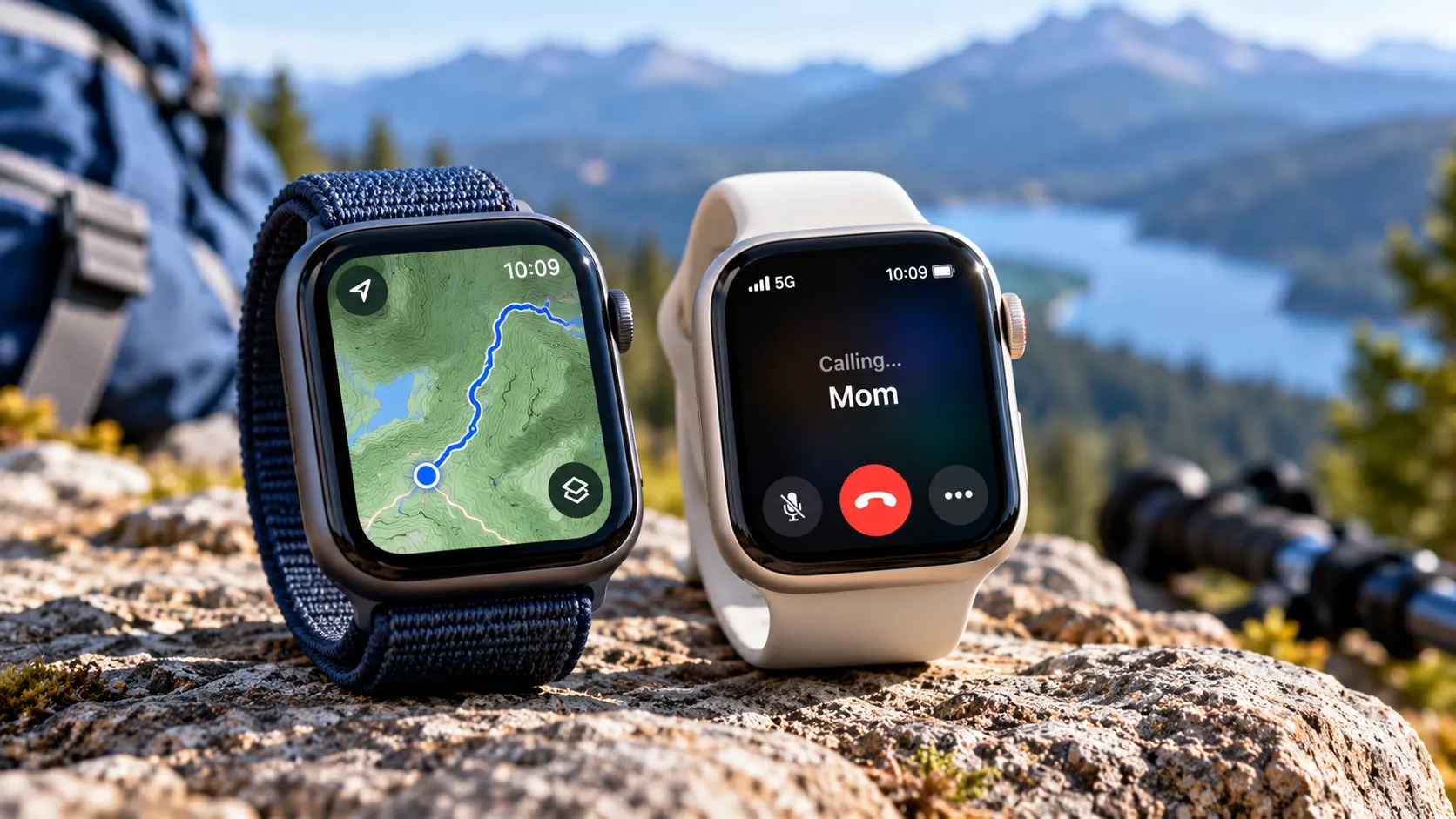
Retro Game Collector takes a narrower approach but is explicit about its scope: the app is a reference tool, not a game player, per its listing. It runs natively on iPhone, iPad, and Apple Watch. Full access requires a subscription, available in monthly and annual tiers. Version 1.4.1 shipped June 17, 2025 a year ago this month.
Both apps sit in the App Store's Reference category, not Games. That classification reflects how collectors actually use these tools: as research instruments tied to real purchasing decisions, pulled out at a flea market or convention table before money changes hands. The category name is accurate in a way that matters.
What the Cibby app needs to prove for physical video game collectors
With no primary-source listing to report from, a direct feature comparison isn't possible. What follows are the specific criteria that determine whether Cibby clears the competitive baseline, and the questions any collector should answer from Cibby's own App Store listing before committing. These aren't abstract evaluation points they're the features that separate a useful tool from an expensive checklist.
Database breadth. Confirm how many titles Cibby's database covers and whether it extends to regional editions and limited releases outside mainstream English-language catalogs. GAMEYE's catalog scale came from years of community submissions, per its App Store listing. Any newer app is inheriting a structural disadvantage on this criterion regardless of how well it's designed. The question isn't whether Cibby matches 150,000 titles at launch it won't but whether it covers the specific platforms and variants that matter to the collector evaluating it, and whether there's a mechanism for users to fill gaps.
Metadata depth. GAMEYE tracks components, condition, and cost as standard per-entry fields, according to its listing. An app that stops at owned/unowned is a checklist, not a collector's tool. Check whether Cibby supports loose, complete, and sealed condition tracking; individual components like manuals, inserts, and box art; purchase price; and resale valuation. If valuation is present, the follow-up question is whether it draws from live market pricing or simply records what you paid. Both have uses, but they're different tools.
Platform support and data portability. Retro Game Collector runs natively on iPhone, iPad, and Apple Watch, per its listing. Confirm whether Cibby supports iPad and whether libraries sync across devices via iCloud. Export format matters in a way that tends to get overlooked until it's too late: CSV or JSON gives collectors ownership of their data and future flexibility; a proprietary format creates lock-in that's invisible until you try to leave. Import support from GAMEYE or Retro Game Collector is equally critical. Without it, a collector with several hundred entries isn't switching apps they're starting over.
Pricing model. Retro Game Collector gates full access behind monthly and annual subscriptions, per its listing. Pricing is usually the first filter a new collector applies before evaluating features, which is why it belongs here rather than at the end. Confirm whether Cibby is free, a one-time purchase, freemium, or subscription-based. A one-time purchase that undercuts an ongoing subscription is a concrete, compounding advantage for someone early in building a collection.
Entry workflow. This is the criterion design quality has the most direct use on, and it's the one that's hardest to evaluate without hands-on access. The practical question is how many steps a standard add operation takes: barcode scan to saved entry, with all the relevant fields populated. An app that requires five taps per game will punish anyone cataloguing a backlog of several hundred titles. Ask collectors who've used the app in the wild about this one specifically App Store reviews tend to surface workflow friction faster than any other complaint.
Who should move now, and who should wait
For a collector just getting started, there's no sunk cost and no data to migrate. The decision is straightforward: if Cibby's database covers the platforms you collect, the metadata fields go beyond basic ownership tracking, and the entry workflow is faster or more intuitive than what GAMEYE or Retro Game Collector offer, it's a reasonable place to start. A pricing model that avoids a recurring subscription is an additional concrete advantage for someone at the beginning, before they've invested significant time in any particular tool.
The calculus is genuinely different for established collectors. GAMEYE itself tested user patience when version 5.0 arrived as a ground-up rebuild around an entirely new database structure, per its App Store listing. That was a significant transition within the same app, with the same account and the same platform history. Asking a collector to migrate to an entirely new app re-entering every entry manually, rebuilding every custom field, losing any existing valuation history is a harder ask by an order of magnitude.
The community contribution question is particularly decisive for established collectors who specialize in niche categories. GAMEYE's catalog grows because users add to it continuously; the database is, in a real sense, a community asset accumulated over years of collective effort. An app without that mechanism depends entirely on the developer to expand coverage. Developers have roadmaps, priorities, and resource constraints. Communities fill gaps that developers never get to. For collectors who spend time hunting regional variants, prototype releases, or platform-specific oddities, that distinction isn't theoretical.
Both incumbents are actively maintained, which makes the competitive pressure real. GAMEYE shipped version 5.08 on March 3, 2026; Retro Game Collector updated on June 17, 2025. Neither is coasting. Cibby is entering a niche where the existing options are still investing, which means the gap it needs to close isn't fixed it keeps moving.
New collectors should pull up Cibby's App Store listing directly, confirm database scope, metadata fields, entry workflow, and pricing, and judge it against the criteria above. If those answers are strong, it may be the right place to start a library.
Established collectors in GAMEYE or Retro Game Collector should verify title count, regional variant coverage, community contribution support, import capability, and export format before moving anything. Those answers need to come from Cibby's listing or developer directly forum impressions and early reviews are a starting point, not a substitute. The switching cost is real and the benefit, as of this writing, is unconfirmed. That may change. Check back when Cibby's App Store listing is live and the feature set is documented from a primary source.








Comments
Be the first, drop a comment!