





iOS 27 HomePad Features Explained: Real Signals vs. Rumors
One concrete Home app change, a long-delayed Siri upgrade, and what they actually tell us about the HomePad and what they don't.
A single line in iOS 27 beta 2's release notes, that Apple TV can now be updated through the Home app without turning the TV on, is easy to overlook. It shouldn't be. That change, combined with WWDC26's Siri AI announcement, offers the clearest picture yet of how Apple is laying the iOS 27 HomePad features groundwork before any hardware arrives. The question worth examining isn't whether the device is coming. It's which software signals represent genuine infrastructure and which are pattern-matching dressed up as analysis.
That distinction matters more than it might seem. Coverage of unreleased Apple hardware tends to collapse two very different categories of evidence: confirmed software behavior and plausible speculation. This piece sorts the iOS 27 changes relevant to a rumored home hub into three buckets, confirmed iOS behavior, sourced reporting, and wishlist speculation, and ranks them by how much weight they actually bear. Keeping those categories separate is what turns rumor-tracking into something useful.
The strongest signal: Apple is standardizing home device management around one app
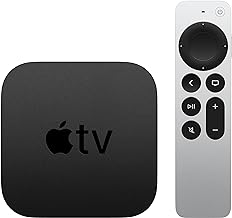
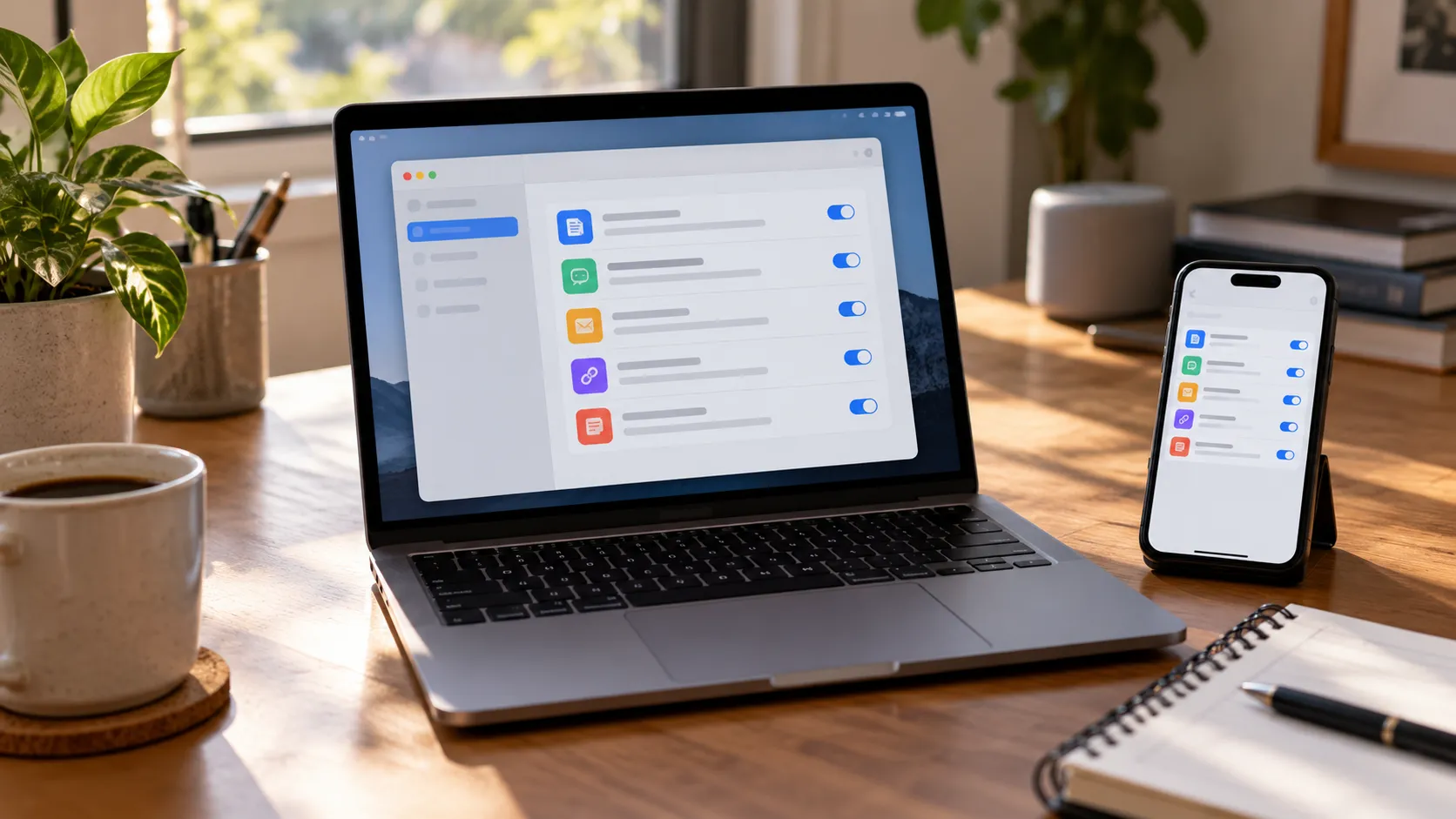
Apple TV now appears in the Home app's Updates section, and tapping the update button installs the latest software without the device needing to be powered on or displaying anything on screen. Before iOS 27 beta 2, that required navigating through the Apple TV's own settings menu: a separate interface, a separate mental model, a separate step.
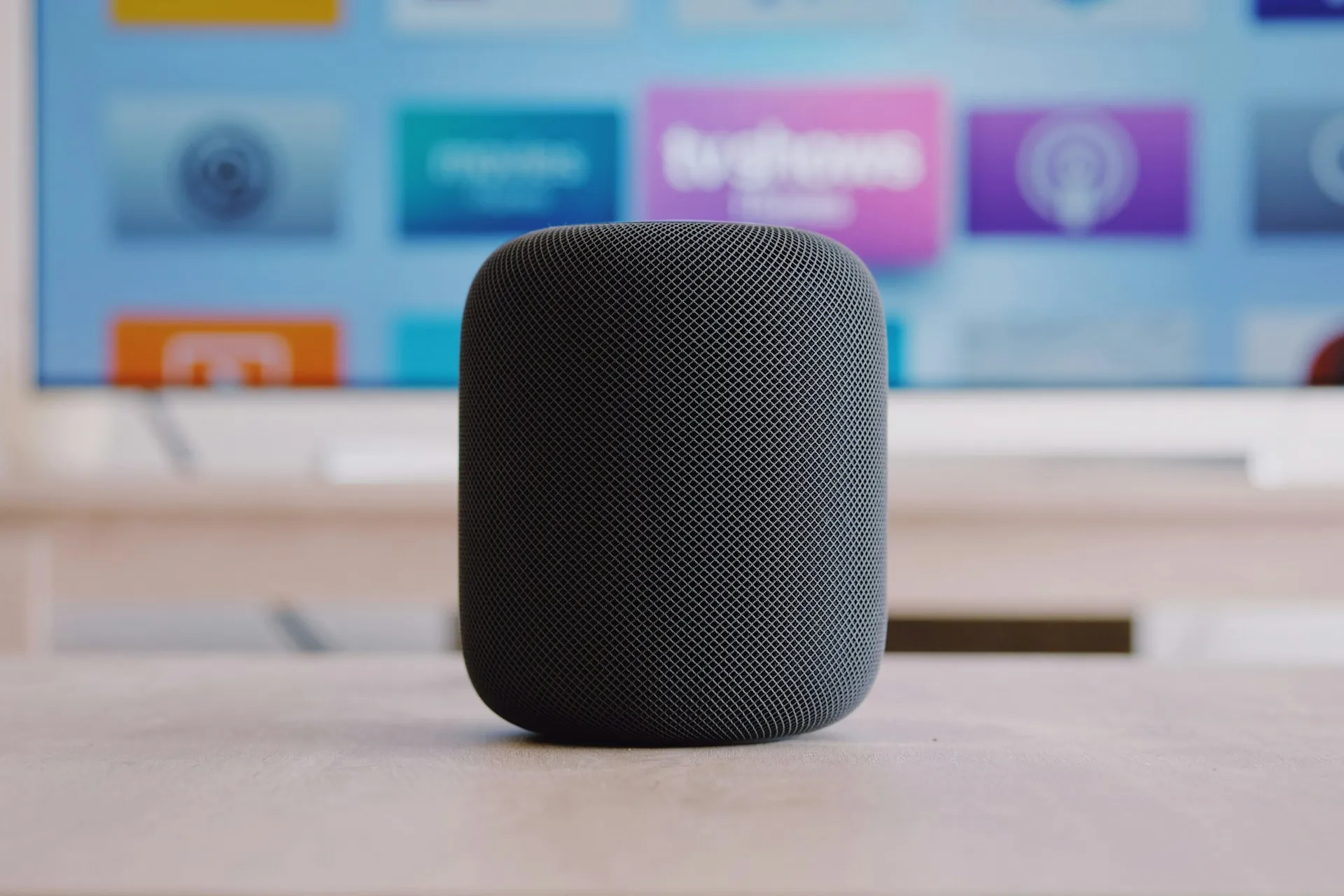
HomePod and HomePod mini have long been updated through this same Home app pathway, as MacRumors reported this week. The pattern Apple has built is consistent: devices that live in a room without a dedicated operator belong in the Home app, not in iPhone Settings. Apple TV joining that category reads as deliberate rather than incidental.
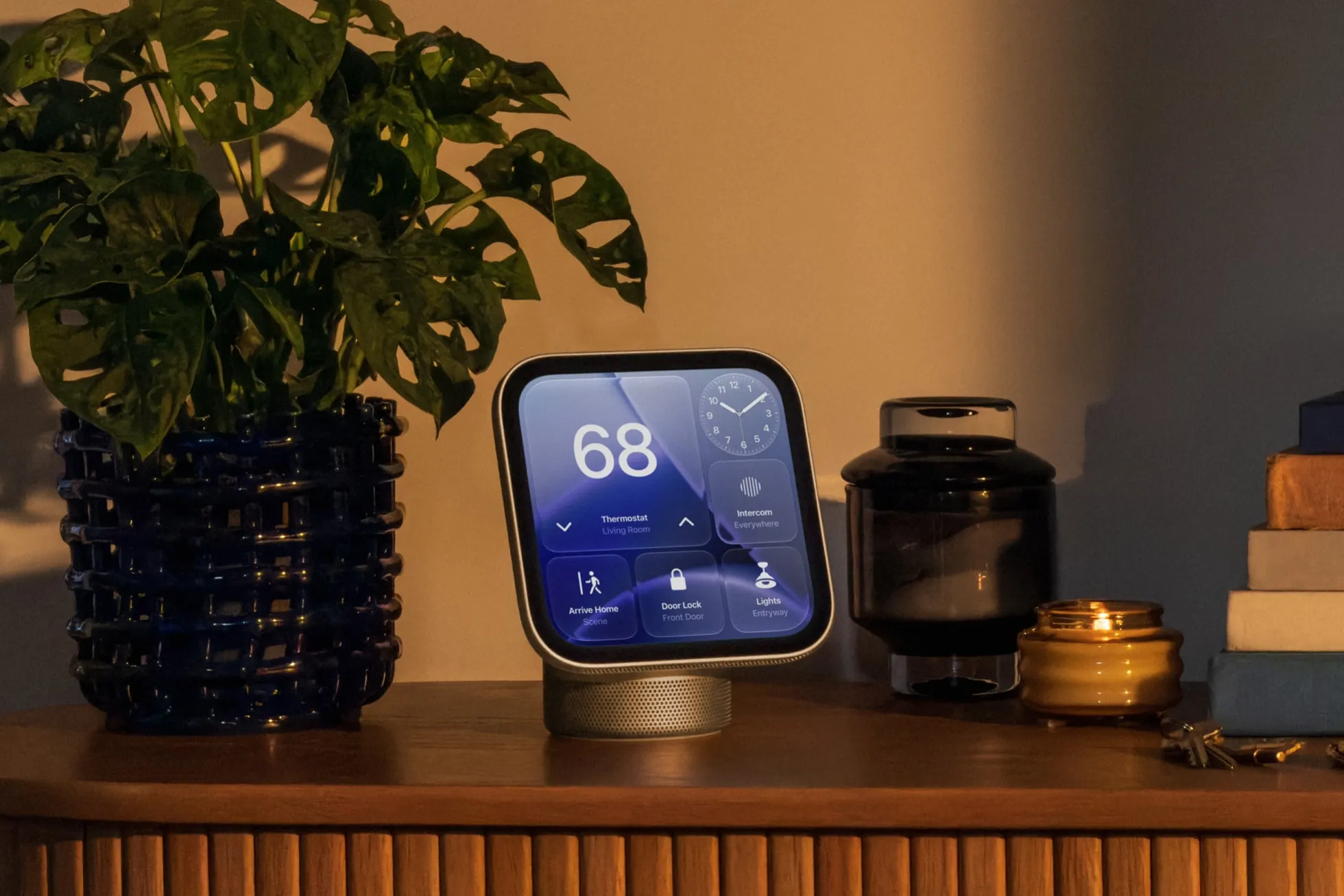
The device widely referred to as the "HomePad," though Apple has confirmed neither the product nor the name, is expected to run a version of tvOS 27 and serve as a centralized smart home controller for video calls, weather glances, and Siri interaction, per MacRumors. That product profile maps directly onto the management model Apple is already expanding. Reporting also describes two possible form factors: a wall-mounted version and a countertop version with a speaker base similar in size to a HomePod mini, according to MacRumors in March.
The practical argument here is straightforward. A home hub only makes sense as a product if managing it is simpler than propping an iPad against a kitchen tile. Unified Home app administration, the same place where you already dim lights, arm security cameras, and check thermostats, is the obvious answer to that challenge. The Apple TV update change shows Apple building that system before the hardware exists to use it.
It's worth being precise about what this does and doesn't show. The Home app consolidation is documented behavior in iOS 27 beta 2, not inference. The conclusion that a new home display would follow the same management model is logical and consistent with Apple's established pattern, but it remains an inference. Apple has not confirmed the product exists.
Which iOS 27 home hub features are real, and which are still Apple HomePad rumors?
Two categories of HomePad claims are circulating in current coverage. Conflating them produces articles that read like wishlists. Here's what the research actually supports.
Confirmed iOS 27 changes that genuinely support a HomePad:
- Apple TV now joins HomePod in the Home app's update management system, documented behavior in iOS 27 beta 2 (MacRumors, this week)
- Siri AI with expanded conversational capabilities, natural language editing and drafting, and a dedicated conversation history app is shipping with iOS 27 (Apple Developer, earlier this month)
- App Intents, now described by Apple as "a key pillar of Apple Intelligence," gained two capabilities worth noting:
SyncableEntity, which declares that an entity's ID is stable and can be used across devices, andLongRunningIntent, which lets Siri-triggered actions run beyond the previous 30-second limit with background GPU access for tasks like on-device inference on supported hardware (Apple Developer, earlier this month)
Plausible expectations without meaningful corroboration:
- A rotating Photos screensaver, on-screen lyrics during music playback, and the front-facing camera doubling as a security or baby monitor are features anticipated by commentators but not confirmed by Apple (9to5Mac, in February)
- HomeKit Secure Video support, a price somewhere around $350, and multi-room deployment value all appear in coverage but remain thinly sourced (9to5Mac, February; MacRumors, March)
- The product's name is unconfirmed. "HomePad," "HomePod Touch," and "HomePod with a screen" have all circulated (The Verge, March)
The App Intents changes deserve a specific note because they're easy to overread. Apple made no HomePad connection when presenting them at WWDC26, and SyncableEntity is a general-purpose developer tool, not a home-display primitive. What the research establishes is narrower: the API declares that an entity's ID is stable and usable across devices, and Apple notes that entities are shared and the system knows when they're relevant, per that WWDC26 session.
That infrastructure is interesting in the context of a device that reportedly detects nearby users and adjusts displayed content based on who's present, behavior MacRumors described in March. A screen that greets different household members differently, and surfaces context appropriate to each, is exactly the kind of use case where stable cross-device entity IDs and extended intent execution become useful. The connection is plausible; it's also extrapolation. Worth noting, not worth overstating.
The gating factor: why Siri's upgrade is the real reason the HomePad keeps slipping
Current reporting points to Siri as the main bottleneck, not hardware specifications. Bloomberg's Mark Gurman identified the device, internally codenamed J490, as being held back while Apple finished a conversational, chatbot-style upgrade to its voice assistant, according to The Verge and MacRumors, both reporting in March. The device was originally targeting early 2025, then early 2026, now fall 2026, with Apple Intelligence delays cited each time.
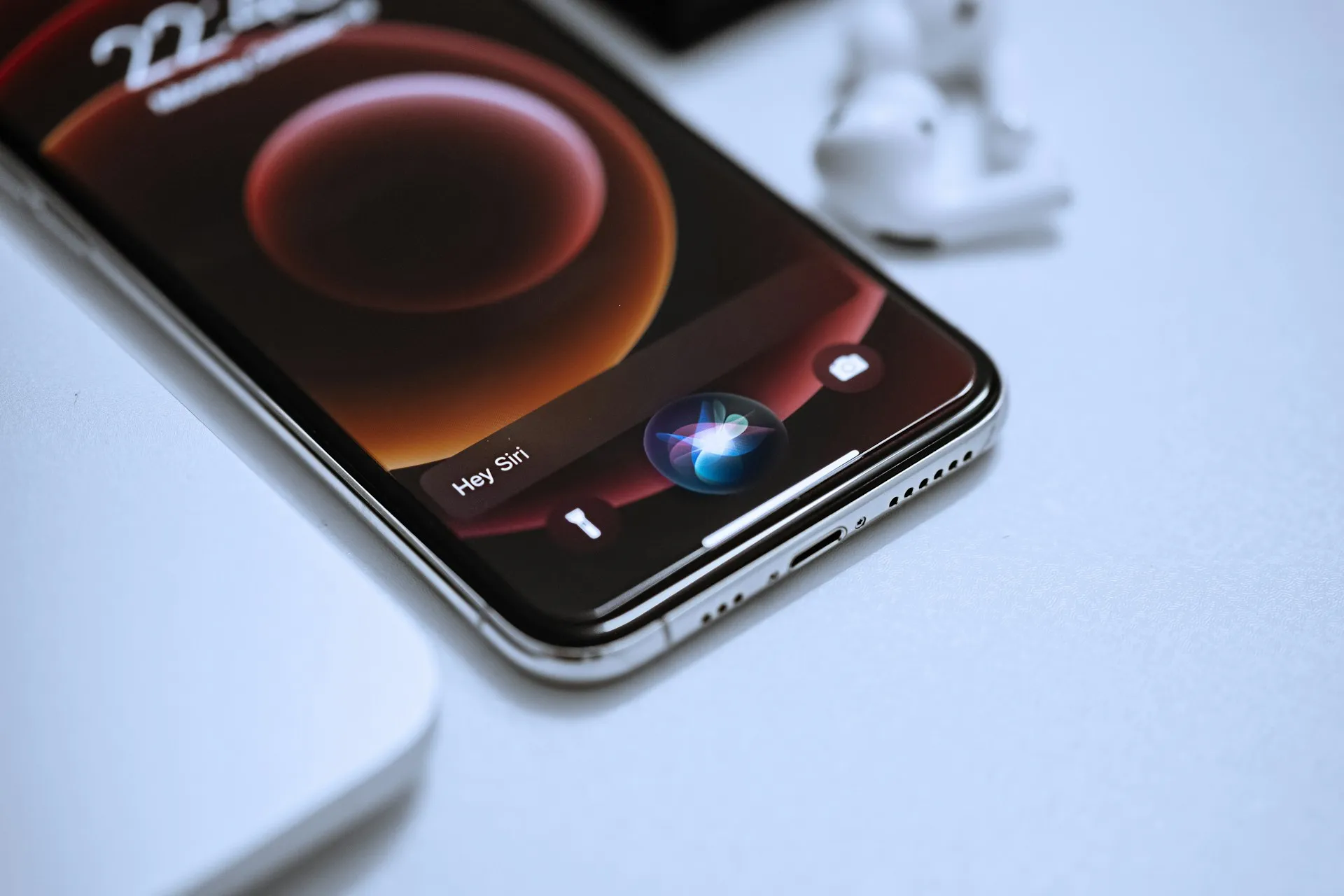
WWDC26 delivered what those delays were apparently waiting for. Apple announced Siri AI for iOS 27 with meaningfully expanded conversational abilities, natural language editing and drafting for emails and documents, and a dedicated app for revisiting prior conversations, per the Apple Developer session earlier this month.
The Siri dependency makes that announcement commercially significant in a way Apple didn't frame it. Siri AI was presented entirely in the context of iPhone. But reports describe the rumored hub as "heavily reliant on Siri voice commands," with one design concept giving Siri a distinct visual persona on the device's screen. One early design was described as resembling a version of the Mac Finder icon, according to MacRumors. A voice-first device with a dedicated Siri display layer has different requirements than a phone that also responds to "Hey Siri." The upgrade announced this month at least suggests Apple believes those requirements are now met.
Two competing interpretations of the delay are worth holding together. Waiting for software readiness before shipping hardware is a defensible strategy. Shipping a voice-first device before the voice assistant is ready is a known failure mode, one that has affected Apple's home audio line before. The counterargument is that "almost ready" has appeared in reporting across multiple product cycles, and slipping nearly two years past the original 2025 target is a long runway for software that was reportedly close to finished at each stage. The WWDC26 announcement doesn't resolve that tension, but it does mark a point where Apple formally committed to the upgraded Siri on a public timeline.
Gurman's reporting on the Siri dependency is well-sourced. The WWDC26 upgrade is confirmed. The connection between Siri AI readiness and HomePad timing is credible but inferred from third-party reporting; Apple has made no such connection publicly.
Ranking the signals and what to watch next
Mapped by evidence strength, the iOS 27 picture comes into focus across three levels.
Strongest signal: Apple TV joining HomePod in Home app update management is documented iOS 27 behavior. It shows Apple standardizing a device administration model that any new home display would logically slot into. This is the one change this cycle with a direct, traceable line to HomePad integration, and it requires no inference about Apple's intentions to be meaningful.
Medium signal: The WWDC26 Siri AI upgrade, read alongside Gurman's reporting that the HomePad was waiting specifically for this software, suggests the primary gating condition has been met. The rumored fall 2026 target also aligns with Apple's typical September-October launch window, when iPhone and other hardware announcements tend to cluster, per MacRumors. If that timing holds, the conversational Siri shipped in iOS 27 is likely what made it possible.
Weakest but worth tracking: The App Intents changes, specifically SyncableEntity and LongRunningIntent, are platform-wide developer tools with no stated HomePad connection. Their design assumptions fit a shared ambient screen more naturally than a personal device, but that observation is pattern recognition. It sharpens if future beta releases show Home-centric applications of these APIs; as of this week, it's context, not evidence.
Three signals in future betas would meaningfully change the picture. First, any expansion of Home app device categories beyond the current HomePod, HomePod mini, and Apple TV. Second, tvOS 27 updates introducing Home-centric UI modes or ambient display behavior distinct from the standard Apple TV interface. Third, Siri features, particularly proactive and context-aware suggestions, that move beyond iPhone-specific framing in Apple's developer documentation. Any one of those would shift the App Intents analysis from interesting to significant.
The broader question the HomePad has to answer is whether it justifies its existence as a distinct product category. iOS 27 suggests Apple has spent this development cycle building the software conditions for that argument: unified management infrastructure, a Siri upgrade with a product launch apparently riding on it, and platform primitives that assume content should persist and adapt across a household rather than a pocket. Whether the hardware delivers on that this fall is the part no beta can answer.



Comments
Be the first, drop a comment!