



iOS 27 Car Key Support for Lucid and Xiaomi: What Beta Code Reveals
Code in iOS 27 beta 3 suggests Apple is preparing to add Apple Wallet car key support for Lucid Motors and Xiaomi, with identifiers "LCID" and "XIA1" surfacing in the build. The findings were reported today by MacRumors and 9to5Mac, both drawing on code analysis by Aaron Perris. The discovery comes days after Apple's backend was updated to add Volkswagen to the same list.
The two brands sit in very different positions. Lucid was already named by Apple at WWDC 2025 as one of 13 automakers that would "soon" support car key, then went quiet for over a year with no further updates, MacRumors noted today. Xiaomi had never appeared in any Apple car key context before today, making it a new and unexpected addition to the ecosystem.
Neither launch has been confirmed. No specific models, regional availability, or timing have been announced by Apple, Lucid, or Xiaomi.
What the iOS 27 beta 3 code suggests about Apple Wallet car key for Lucid and Xiaomi
Beta code discoveries have earned their credibility here. Similar pre-release identifiers preceded confirmed support for General Motors brands, and earlier this week a backend update signaled Volkswagen's addition before this beta even dropped, MacRumors reported today. The pattern has held consistently enough that today's findings carry real predictive weight, not just speculation.
For Lucid specifically, the WWDC 2025 announcement named the brand alongside Acura, Chevrolet, Cadillac, GMC, Porsche, Rivian, Smart, Tata Motors, Hongqi, WEY, Chery, and Voyah, with Apple giving no launch date for any of them, MacRumors reported today. Lucid has still not confirmed when the feature will arrive on the Air or Gravity. The beta identifier suggests active development is underway, but Apple's own history with that 13-brand list shows how long the gap between announcement and availability can run.
Xiaomi's presence in the code is the sharper of the two discoveries. The company had no prior connection to Apple's car key ecosystem, and it wasn't among the brands Apple named at WWDC 2025. Its auto business operates primarily in China, which leaves the question of regional scope entirely open. Whether any rollout would extend to international markets is something only Xiaomi or Apple can answer.
iOS 27 is expected to ship publicly in September, which 9to5Mac notes is the most plausible window for these additions to go live. That timeline is inferred from the beta cycle, not confirmed by any of the parties involved.
How Apple Wallet car key works, and why automaker support varies
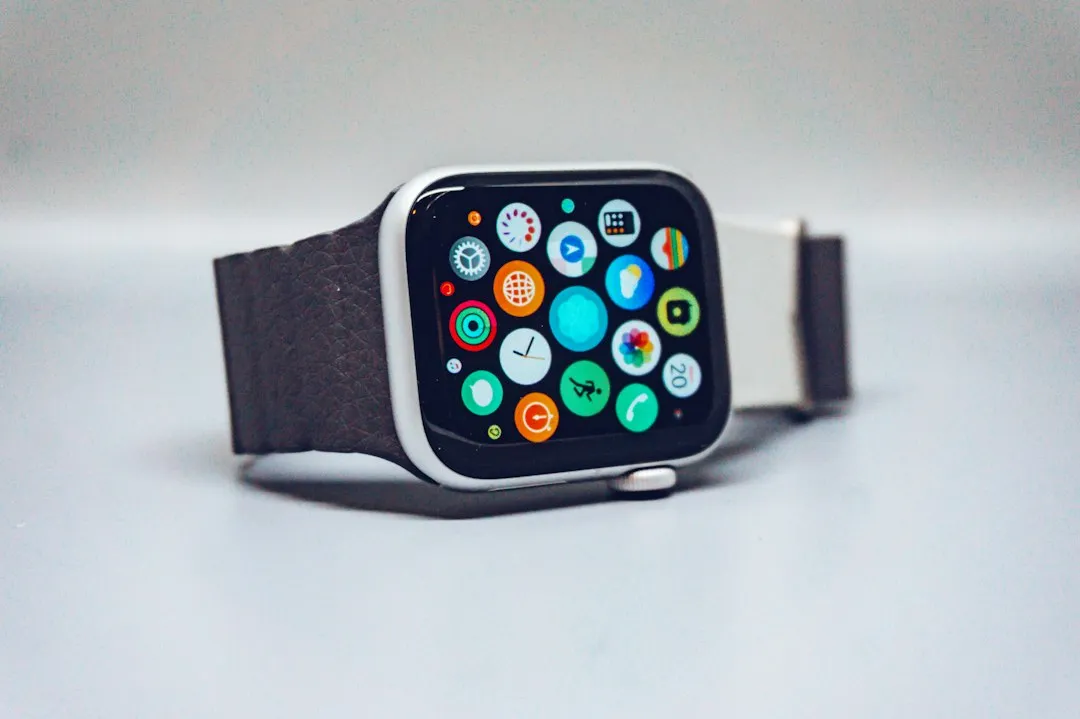
Apple Wallet car key lets drivers lock, unlock, and start a compatible vehicle using an iPhone or Apple Watch, replacing the traditional key fob (MacRumors, today). Apple introduced the feature in 2020, building it on the Car Connectivity Consortium's Digital Key specification, an industry standard that governs how digital keys are created, stored, and authenticated across automakers and platforms (MacRumors, last year).
The CCC's Digital Key Release 3.0, finalized in 2021, added passive keyless entry using Ultra Wideband combined with Bluetooth LE. A driver can walk up to a compatible vehicle and unlock it without touching their phone. NFC is retained as a fallback for low-battery situations, and keys are stored in a hardware Secure Element on the device (Car Connectivity Consortium, 2021). UWB's precise distance measurement also helps prevent relay attacks, a well-documented vulnerability in older keyless entry systems where a thief amplifies the signal between a key fob inside a home and a vehicle parked outside.
Apple's platform supports passive entry, proximity-based entry, remote control from within the Wallet app, and Express Mode, which works without Face ID, Touch ID, or a passcode. Keys can be shared via Messages, Mail, or AirDrop (9to5Mac, today). What a driver actually gets depends on what the automaker implements. One brand may support passive entry and remote control from day one; another may launch with basic lock and unlock only. Apple provides the platform; the automaker decides the tier.
Vehicle-side hardware is a key constraint. Apple added UWB to iPhones starting with the iPhone 11, giving the device-side foundation for Digital Key 3.0 a multi-year head start in consumers' pockets, Ceva noted last year. The car itself must also carry the relevant hardware, which is part of why onboarding each new automaker takes time and why rollout rarely covers an entire brand's lineup from day one. When Lucid or Xiaomi support does arrive, it may apply only to specific model years or trims built with the right components already inside.
The underlying specification is also advancing. Apple and other Car Connectivity Consortium members conducted real-world testing of Digital Key version 4.0 in Cupertino last year, with the next spec aimed at improving cross-platform interoperability and compatibility across spec versions, MacRumors reported at the time. The CCC has not shared a release timeline, but better cross-version compatibility should gradually reduce the inconsistency in what each automaker's implementation can actually deliver to drivers.
What to watch before expecting the feature on your vehicle
Code in a developer beta is evidence of intent and active development, not a guarantee of availability. Three signals mark the line between preparation and launch: an official entry in Apple's Wallet-compatible vehicle list, automaker app or software updates that enable the pairing process, and any regional rollout language in Apple's support documentation.
The broader pipeline context matters here. Most of the 13 brands Apple named at WWDC 2025 have yet to launch, and with Volkswagen added this week and Lucid and Xiaomi now appearing in beta code, the list of brands moving toward active rollout is growing, 9to5Mac observed today. If Volkswagen, Lucid, and Xiaomi all land within the iOS 27 release window, that would represent a meaningful cluster of additions for a feature whose expansion has historically moved one brand at a time.
For Lucid owners, the read is cautiously optimistic. The beta code is the first concrete development since Apple put Lucid on the WWDC 2025 list and went quiet, suggesting the integration work is active. For Xiaomi's EV customers, the picture is earlier and less certain, with the regional question still wide open.
The code suggests Apple is preparing support for both brands. The rest depends on what Apple, Lucid, and Xiaomi choose to announce, and when.

Comments
Be the first, drop a comment!