





Apple Ecosystem Open Up to Rivals: The EU's DMA Case Explained
Apple turned 50 this year. It will almost certainly keep selling iPhones. The more interesting question is whether the integration advantages that made the iPhone the most valuable product in consumer technology, not the hardware but the controlled architecture surrounding it, can survive a sustained regulatory effort to force the Apple ecosystem open up to rivals.
That effort is already underway. In September 2024, the European Commission launched formal specification proceedings against Apple under the Digital Markets Act, targeting two specific layers of how iOS connects to the world around it: the way iPhones interact with third-party hardware like smartwatches, headphones, and VR headsets; and the process by which developers and outside companies can request access to iOS and iPadOS capabilities, as Reuters reported. Non-compliance carries a potential fine of up to 10% of Apple's total annual global turnover, a number that forecloses the option of simply absorbing the penalty and moving on.
This analysis doesn't claim regulatory pressure will topple the iPhone. It examines something narrower: what specific advantages the Commission is targeting, how strong Apple's defense of them actually is, and what genuine compliance would change for real users. The specifics are worth understanding, because the specifics are where the argument lives.
What regulators are actually targeting, and why these particular choke points
Regulatory bodies don't typically describe the exact handshake protocols a company must open unless they believe those protocols are doing commercial work dressed up as technical necessity. The EU's selection of targets is the first piece of evidence worth examining closely.
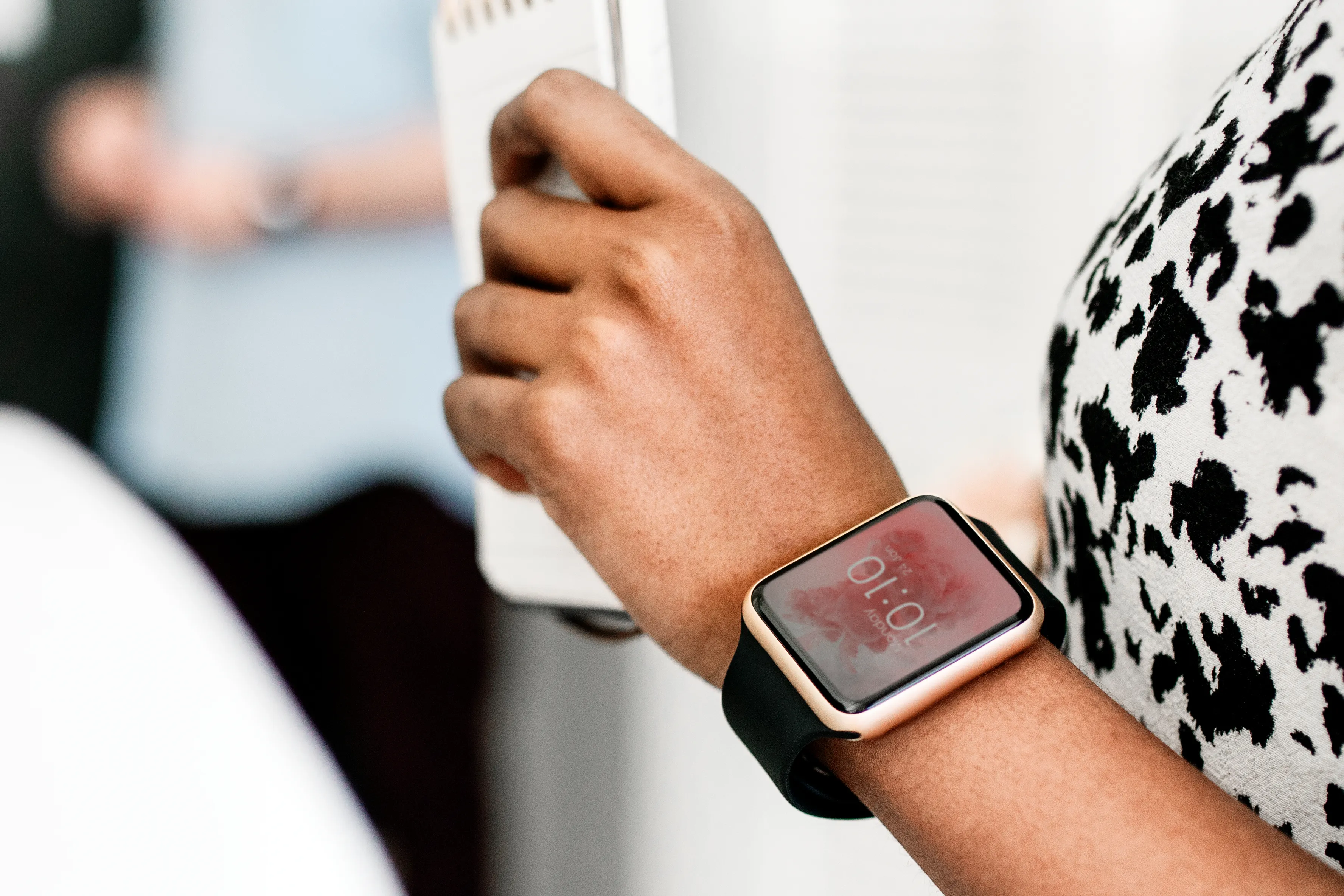
The first specification proceeding focused on iOS connectivity for third-party devices, specifically functions like device pairing, notification delivery, and Bluetooth and network connectivity for smartwatches, headphones, VR headsets, and similar hardware, according to Reuters. The proceeding requires Apple to specify, in concrete terms, how those functions would be made available to non-Apple devices.
The second proceeding addressed how Apple handles formal requests from developers and third parties seeking iOS and iPadOS feature access, requiring that process to be transparent, timely, and fair, per the same Reuters report. This targets the software layer beneath the hardware layer: the controlled access to OS capabilities that determines which apps can do what, and which developer requests disappear into an opaque review process with no clear timeline or right of appeal.
Together, these two proceedings address the top and bottom of the iPhone's integration stack:
- The hardware pairing layer that makes Apple's own devices seamless alongside iPhone
- The API access layer that gives Apple's own apps capabilities third-party developers cannot equally reach
Whether those restrictions exist primarily to protect users or primarily to protect Apple's adjacent hardware business is the central question the proceedings force into the open. The Commission's choice to regulate both at once reflects a specific theory: the iPhone functions as a controlled gateway, and that gateway work is being done for competitive reasons, not purely technical ones.
Apple's security argument: how much of it holds up
Apple's response to the proceedings was not a denial of the facts. It was a reframe.
The company argued that the integrations regulators wanted opened were not arbitrary restrictions but security architecture, and that forcing them open would create new attack surfaces. "Undermining the protections we've built over time would put European consumers at risk, giving bad actors more ways to access their devices and data," Apple said in a statement cited by Reuters. EU antitrust chief Margrethe Vestager described the proceedings as aimed at guiding Apple toward "effective compliance through constructive dialogue," language calibrated to signal the Commission wasn't accepting that framing at face value.
The security argument has real substance, up to a point. Bluetooth and notification APIs with deliberate scope restrictions do create a smaller attack surface. Every new integration point that opens to third-party hardware or software requires auditing, patching, and ongoing maintenance. The closed model produces genuine security benefits, even if Apple's marketing tends to overstate the causal relationship.
But the argument weakens as it gets stretched further. Limiting how a third-party smartwatch pairs to an iPhone does not meaningfully reduce the iPhone's vulnerability to a sophisticated attacker. It does meaningfully reduce the appeal of buying that watch instead of an Apple Watch. The Commission's implicit distinction, between restrictions that serve genuine security purposes and restrictions that apply a security rationale to commercially motivated choices, is not an unreasonable one. The device-pairing and developer-access cases land more comfortably in the second category than the first.
Apple signaled it would engage constructively with the Commission while maintaining its warnings about consumer risk. That posture, cooperative in tone but protective in substance, suggests the company recognized a hard refusal wasn't viable. It shapes the likely outcome: a negotiated compliance that preserves Apple's strongest security arguments while requiring genuine openness on commercially motivated restrictions.
Beyond Apple Watch: the broader Apple iOS open ecosystem stakes
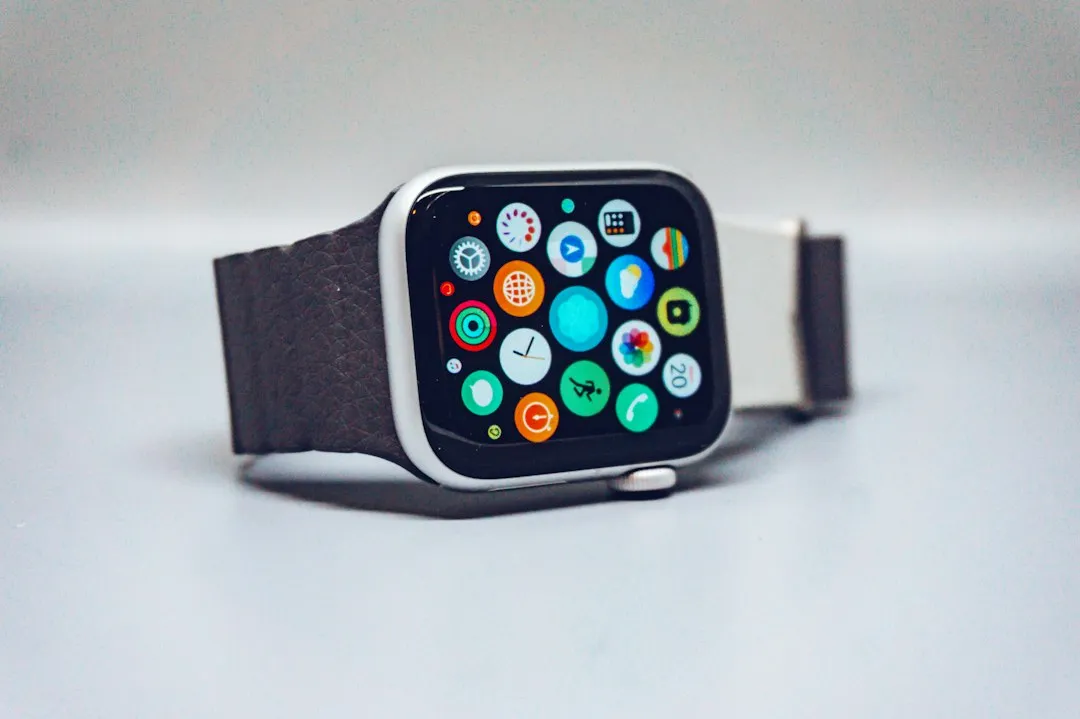
The wearables example is the clearest illustration of what these Apple interoperability rules target, but the proceeding covers substantially more than smartwatches. The first specification covers the full range of internet-connected devices, including headphones and VR headsets, per Reuters.
Headphones are a useful second case. Audio pairing and notification handling on iOS currently works most smoothly with AirPods, which benefit from integration depth unavailable to Sony, Bose, or Jabra equivalents. Switching between devices, accessing battery status, managing notification audio routing: all of these work differently, and generally worse, for non-Apple hardware. That friction is observable to any user who has tried to run third-party headphones on an iPhone alongside other Apple devices. Whether it is engineering necessity or competitive design is precisely what the Commission's specification process forces Apple to answer on the record.
VR headsets add another dimension. Apple's Vision Pro is a very new product in a category where competitors including Meta are already established. If iOS connectivity privileges flow preferentially to Apple's own spatial computing hardware, that advantage compounds early, before the market has a chance to settle. The Commission opened the proceeding before that dynamic could entrench itself, which is a notable piece of timing.
The developer-side proceeding carries its own second-order effects. Currently, a company that wants OS-level access for a legitimate feature, say, background health monitoring or cross-device notification sync, submits an interoperability request into a process with no published timeline and no formal appeal mechanism. The uncertainty itself is a business cost. Companies build around restrictions they cannot formally challenge, ship products with reduced functionality, or simply don't build the product at all. A structured, time-bound process with a genuine appeal mechanism changes that calculus, not just for large companies with legal teams but for smaller developers who currently lack any use.
The EU Digital Markets Act Apple framework is structured precisely to address this kind of ambient friction. Not one dramatic restriction, but a pattern of smaller ones that individually seem defensible and collectively function as a moat.
What Apple DMA compliance could change for iPhone users and developers
The Commission targeted a six-month timeline for concluding both proceedings when they launched in September 2024, pointing toward resolution by around March 2025, according to Reuters. That window has now passed. No publicly available reporting in the research data confirms a definitive public resolution as of March 2026, which means the outcome of this specific process remains unsettled from the public record's perspective. What can be assessed is what genuine compliance, if it materializes, would actually change.
For users, the most immediate difference would be in the pairing experience for non-Apple hardware. A third-party smartwatch or headset connecting to an iPhone currently involves more setup steps, less reliable notification delivery, and workarounds for health or audio data that Apple's own devices handle natively. Genuine compliance with the first proceeding would normalize that experience for rival devices. Not making a Garmin watch equivalent to an Apple Watch, the hardware and software differences are real, but removing the layer of access restrictions that currently functions as a switching cost. Product quality is Apple's to keep. Controlled access is what changes.
For developers, a transparent, time-bound interoperability request process shifts the economics of building features that require OS-level access. The change isn't just procedural:
- Developers could formally challenge denied or delayed access requests rather than accepting them as final
- The current opacity, where a request might take months or simply receive no response, would be replaced by defined timelines
- Smaller companies without legal resources to pressure Apple informally would operate in a different environment entirely
There's an honest limitation worth naming. No publicly available data quantifies how much of iPhone retention is driven by ecosystem integration friction versus hardware preference, software quality, or brand loyalty. The case that these choke points are commercially significant rests on the Commission's own theory of harm and on observable experience gaps, not on published switching statistics. That's not a reason to dismiss the analysis; it is a reason to hold conclusions appropriately.
What this regulatory action actually tests
Apple's iPhone is not under threat from this regulatory action. The device category is durable, the installed base is large, and the smartphone remains the center of personal computing by every available measure. What is being tested is more specific: how much of the iPhone's premium depends on product quality Apple has built, and how much depends on integration advantages Apple has reserved for itself and its own hardware lineup.
The DMA's specification proceedings represent a meaningful shift in how platform regulation works. Not fines imposed after the fact, but detailed affirmative requirements specifying what must be enabled and how, as Reuters documented when the proceedings launched in September 2024. That approach is structurally harder to outlast through procedural delay than traditional antitrust enforcement, which is precisely why the Commission deployed it here rather than opening a conventional investigation that could run for years.
The two proceedings together, device connectivity and developer API access, target the exact integration layers that make the iPhone ecosystem difficult to leave and non-Apple hardware more cumbersome to use alongside it. Genuine compliance narrows those gaps without eliminating Apple's hardware and software advantages. The EU antitrust Apple ecosystem case is not about redistributing Apple's success. It is about which parts of that success the company earned through building good products and which parts it maintained through controlling who else could build good products alongside it.
For the typical iPhone owner, the practical result of enforcement, if it holds, is more device choices that actually work well with an iPhone. For Apple's retention math, it means a more competitive environment than the company spent its last decade carefully constructing. Whether the compliance that emerges is substantive or operationally minimal, technically valid but practically hollow, is what the next phase of this story will settle.


Comments
Be the first, drop a comment!