





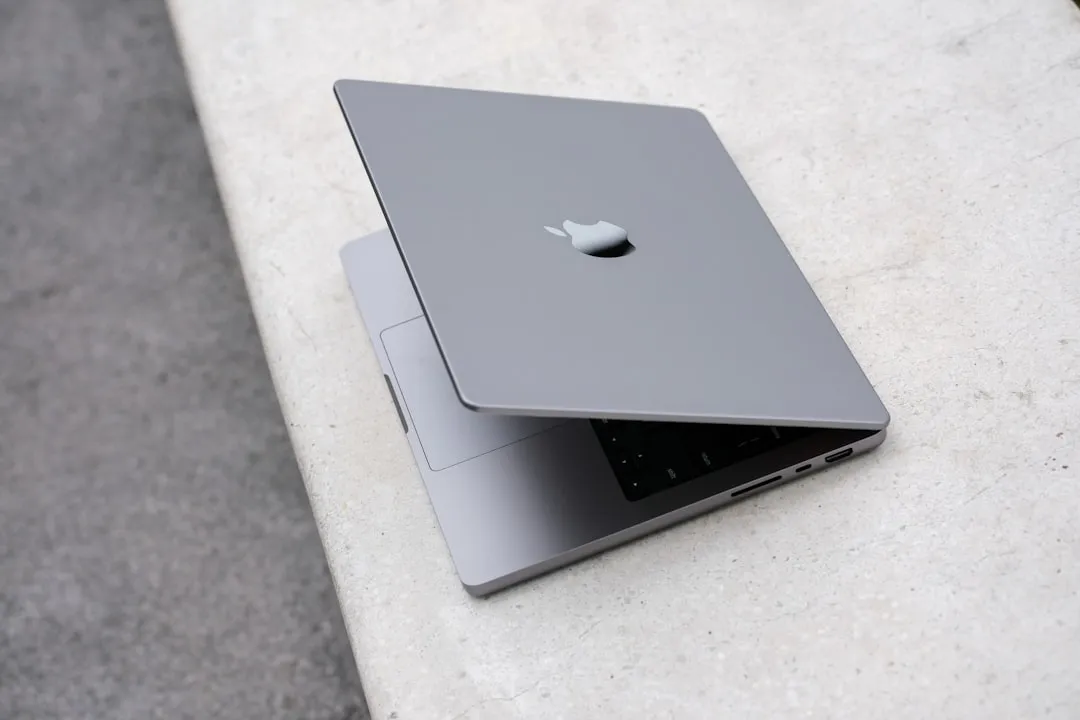
The rumor mill has been buzzing with whispers of Apple's potential entry into the budget laptop market, and the MacBook Neo concept has captured imaginations across the tech community. At a widely speculated but unconfirmed ~$599 price point, this would represent Apple's most affordable laptop in over a decade, potentially reshaping how we think about accessible Mac computing.
The most intriguing aspect isn't just the price—it's the a speculated A-series chip (such as A18 Pro) that would power this machine, marking a significant departure from the M-series processors we've come to expect in modern MacBooks. This processor choice reveals Apple's sophisticated approach to market segmentation, using proven mobile architecture to deliver desktop-class performance at an unprecedented price point.
Why the A18 Pro choice actually makes sense
You might be wondering why Apple would step away from their successful M-series chips for a budget laptop. The A18 Pro decision represents a masterclass in strategic product positioning that goes far deeper than simple cost-cutting.
This processor already delivers impressive performance in demanding mobile environments, handling everything from 4K video editing to complex gaming scenarios. Scaling that proven capability to laptop workloads means the MacBook Neo could tackle typical student and first-time buyer needs—web browsing, document editing, light creative work—with remarkable efficiency and responsiveness.
What makes this approach particularly brilliant is the clear product hierarchy it creates. Students get genuine Apple silicon performance and potential macOS compatibility if Apple adapts its software stack, while power users have obvious reasons to invest in M-series MacBooks for intensive creative workflows, software development, or professional video editing. The A18 Pro becomes the perfect entry point processor—capable enough for real work, efficient enough for all-day battery life, but positioned to encourage natural upgrades as user needs evolve.
What this means for the education market battleground
Apple's potential $599 MacBook Neo could fundamentally reshape the education technology landscape, where Chromebooks have dominated through aggressive sub-$400 pricing strategies. This represents Apple's most serious challenge to Google's educational ecosystem dominance in years.
Currently, schools face an uncomfortable choice: affordable Chrome OS devices that handle basic tasks but limit software options, or capable MacBooks that strain educational budgets when purchasing at scale. A sub-$600 Mac running full macOS eliminates this compromise, offering professional software compatibility, superior build quality, and seamless integration with existing Apple classroom technologies.
The implications extend beyond individual sales. Students who learn on Macs typically become lifelong Apple users, creating valuable long-term customer relationships. Educational institutions could finally standardize on Apple hardware without budget justifications that currently push districts toward Google's ecosystem. For Apple, reclaiming even a portion of the K-12 and higher education markets could generate substantial recurring revenue through device management services and educational software sales.
How it stacks up against the MacBook Air
The MacBook Neo's relationship with the existing MacBook Air lineup creates fascinating questions about feature differentiation and upgrade incentives. Rather than cannibalizing Air sales, the Neo could serve as a sophisticated customer acquisition tool.
Expect the Air to maintain clear advantages in premium materials—possibly featuring higher-grade aluminum construction, superior display technology with better color accuracy and brightness, and advanced audio systems. The Neo might incorporate more plastic components, offer a perfectly functional but less refined display, and include practical ports like USB-A that the Air has abandoned.
The real genius lies in creating natural upgrade triggers. A student starting with the Neo for basic coursework could easily justify upgrading to an Air when they need better color accuracy for design work, additional processing power for video projects, or premium features like advanced biometric security. This progression path transforms the Neo from a budget alternative into a strategic entry point for Apple's entire laptop ecosystem.
The bigger picture for Apple's ecosystem strategy
Beyond hardware sales, the MacBook Neo represents Apple's recognition that ecosystem accessibility drives long-term profitability. Getting users into macOS at $599 creates immediate value through App Store purchases, iCloud subscriptions, and complementary device sales, while establishing upgrade paths worth thousands over a customer's lifetime.
The A18 Pro's shared architecture with iOS devices could further extend Apple's existing cross-device integration advantages. Native iOS app compatibility, seamless handoff between devices, and unified development environments could make the Neo far more valuable than its price suggests. Students could start projects on their iPhone, develop them on their Neo, and present from their iPad—all with perfect synchronization and compatibility.
This strategy acknowledges a crucial market reality: premium experiences often begin with accessible entry points. Apple has successfully demonstrated this approach with the iPhone SE, bringing flagship features to price-conscious buyers who later upgrade to Pro models. The MacBook Neo could apply this same philosophy to Mac computing, expanding the addressable market while preserving premium positioning for advanced users.
Where does this leave the Mac landscape?
The MacBook Neo concept demonstrates Apple's ability to innovate within constraints, using intelligent processor choices and strategic feature positioning to hit aggressive price targets while maintaining core Mac values. Whether this specific device materializes or remains speculation, it illustrates how Apple could dramatically expand Mac accessibility without compromising their premium brand positioning.
What's most compelling is how this could transform laptop purchasing decisions entirely. Instead of recommending used MacBook Airs or suggesting PC alternatives for budget-conscious buyers, the conversation shifts to which new Mac best fits someone's needs and timeline. Suddenly, getting a brand-new Mac with warranty coverage and latest software support becomes realistic for students, small businesses, and organizations purchasing at scale.
The real measure of success would be execution—delivering authentic Mac quality and performance at a price point that opens new markets while creating sustainable profit margins. If Apple achieves this balance, the Mac could finally compete directly with budget Windows laptops and Chromebooks on price while maintaining decisive advantages in software integration, build quality, and ecosystem connectivity. That combination could mark the beginning of Mac computing's most accessible era since the original iMac transformed desktop computing in the late 1990s.








Comments
Be the first, drop a comment!