



Apple is reportedly pressing developers to deepen Siri app integration ahead of iOS 27's unveiling at WWDC on June 8, Bloomberg reported last month. The mechanism at the center of that push is App Intents, an API that lets Siri execute actions inside third-party apps without the user ever opening them. Some of the world's largest app companies are hesitating to commit, not because the integration is technically demanding, but because Apple has not ruled out eventually charging for it.
The tension is straightforward: Apple wants deeper, faster adoption. Developers want to know what they're signing up for commercially. WWDC on June 8 is the most likely venue for Apple to address that gap.
Why iOS 27 Siri app intents are making developers uneasy
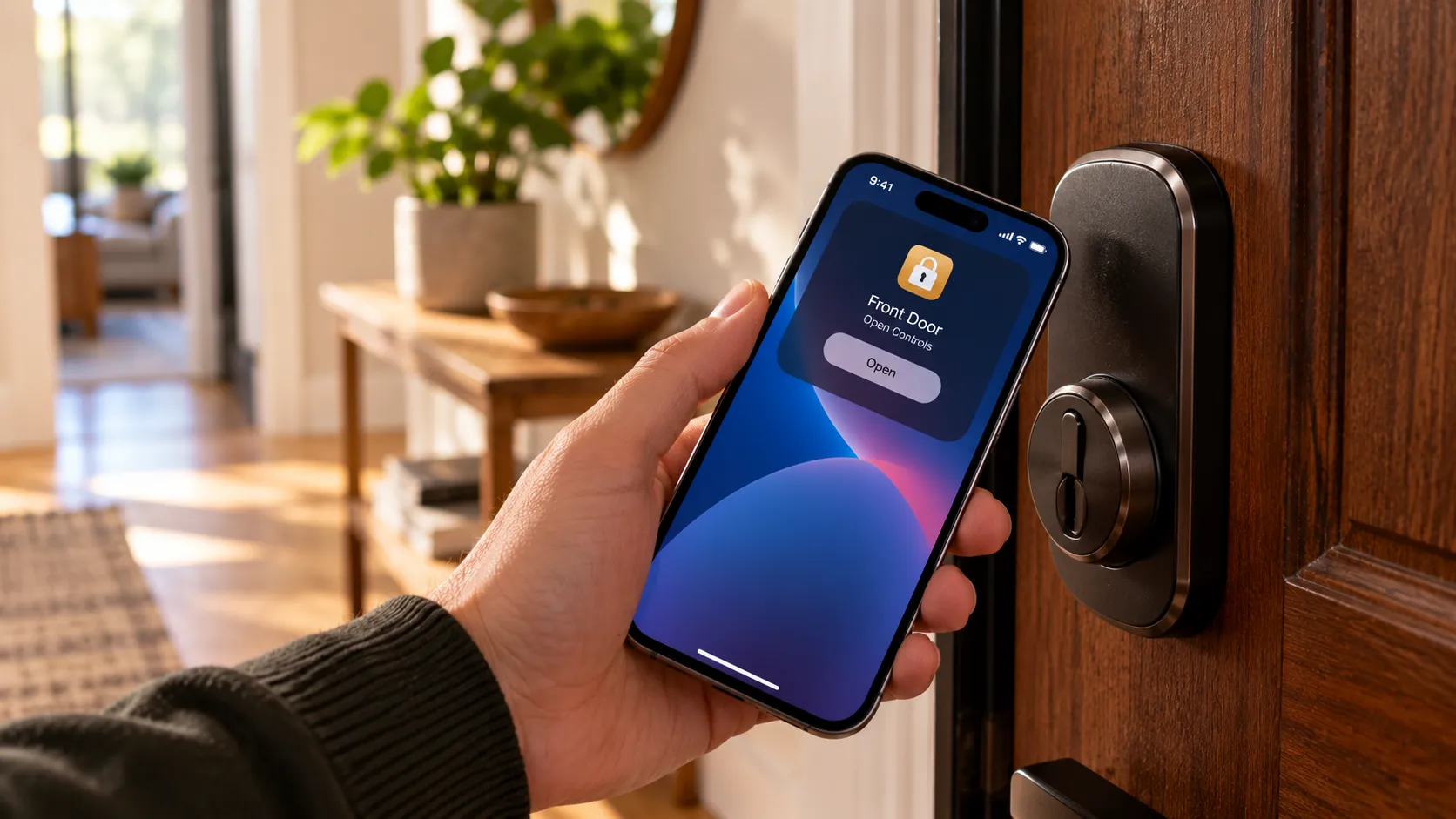
App Intents let developers formally declare which actions their app can perform, so Siri can execute those actions on a user's behalf. When someone asks Siri to "book a ride to the airport," Siri doesn't hand off to the app; it triggers the booking sequence directly. That's the experience Apple wants to generalize across the App Store.
The framework has been building for years. Apple introduced the typed, declarative App Intents API in iOS 16, then began routing Siri requests through it wherever possible starting in iOS 18, according to developer Blake Crosley. Crosley's framing captures what's changed: App Intents are "the contract third-party apps sign with Apple Intelligence," the formal mechanism by which Apple's system AI can act as the app on a user's behalf. With iOS 27, App Intents are positioned as the primary interface between Siri and third-party software, not a supplementary option sitting alongside other integration paths.
The technical barrier is lower than most product teams probably expect. Crosley added Siri support to a hydration-tracking app using a single 80-line Swift file and three phrase variants; eleven weeks later, Siri was logging water intake from his Apple Watch mid-task. That's one developer's experience on a focused use case, not a proxy for enterprise-scale integration. But it illustrates that a basic implementation costs hours, not sprints.
The reluctance among larger firms isn't about the code. It's about what Apple might charge for the traffic once the ecosystem is built.
The two risks driving Apple Siri integration developer concerns
Time News identified two distinct concerns driving hesitation among major developers, and both carry real weight.
The first is disintermediation. If Siri becomes the primary surface through which users complete tasks, the value of a polished app interface starts to erode. The customer relationship, the branded moment, the screen time, all of it migrates toward Apple's layer. What matters competitively in that world is not the experience a developer built but the machine-readable action the app can expose. "Siri-compatible" becomes the key metric for an app's relevance, per Time News, which is a meaningful shift in where differentiation actually lives.
The second concern is the fee question. Apple has reportedly told some partners it won't charge commissions in the early stages of Siri integration, but has not ruled out introducing fees later, reports say. For companies that spent years contesting App Store policies, that non-denial reads as a structural signal. If Apple eventually applies a commission to actions Siri completes inside third-party apps, it would extend the App Store toll model into AI-driven task execution, a new category of liability on transactions that currently flow directly between developers and their users.
The hesitation is most visible in China. Apple is negotiating with Baidu, Alibaba, and Tencent as regional AI partners, but those companies are moving slowly. In China, Apple cannot rely on its own proprietary models and must navigate strict local data and AI regulations, which means partnership terms are already more complicated than elsewhere. The unresolved fee question adds another layer of commercial ambiguity on top of those regulatory requirements, and companies that face both at once have a lower tolerance for uncertainty than a developer weighing a straightforward API decision.
How iOS 27's broader Siri expansion makes the pricing question harder to ignore
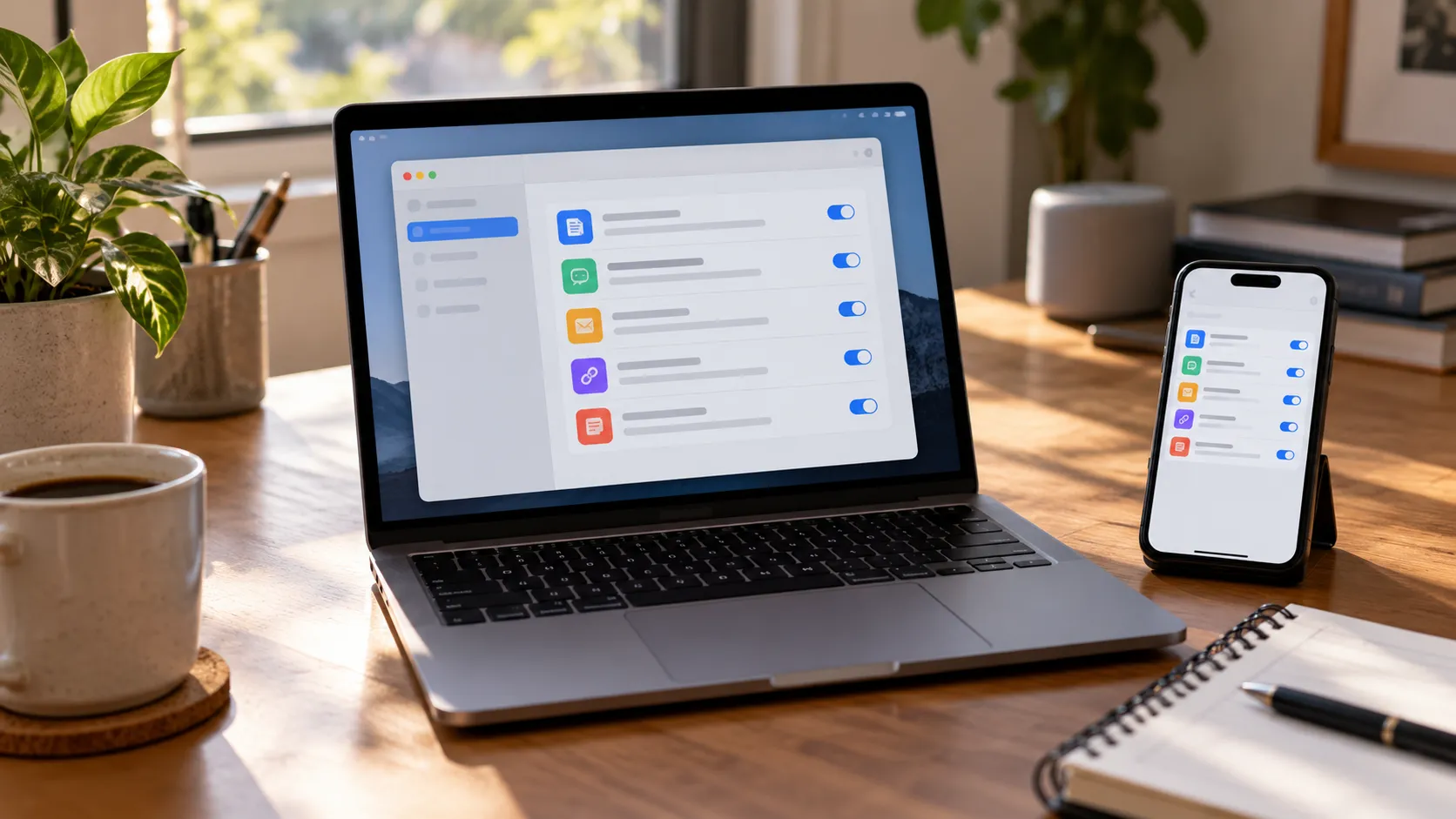
Apple's plans for iOS 27 go beyond App Intents. The company intends to open Siri to third-party AI services, including Gemini and Claude, through a new "Extensions" feature across iOS 27, iPadOS 27, and macOS 27, Bloomberg reported. AI apps installed through the App Store will be able to work with Siri and Apple Intelligence features, and Bloomberg noted that expanding those integrations gives Apple more surface area to collect App Store subscription revenue from third-party AI services.
That architecture matters for how developers read the fee ambiguity. Apple is simultaneously pushing for deeper app integration through App Intents while building Siri into a distribution channel for AI subscriptions, which it monetizes directly. A company designing that structure has incentives to preserve future revenue optionality, even when resolving the question publicly would accelerate the developer adoption it needs right now.
Siri's reliance on external model infrastructure adds another dimension. Apple has explored deeper Gemini integration for Siri features, according to reports, and that analysis flagged that Gemini inference costs at scale will be material. The same analysis suggests Apple may absorb baseline Siri costs for consumers while introducing usage quotas or premium API tiers for high-volume or server-side intent processing. That interpretation is not a reported fact, but it describes a plausible path by which a "Siri tax" could arrive as tiered access rather than a headline commission announcement.
What June 8 needs to resolve
The fee question is the only thing standing between Apple's ambitions for Siri and broad developer participation. The technical friction is low. The commercial uncertainty is not.
The industry will be watching WWDC for two things in particular, per Time News: whether Apple offers a permanent fee waiver for Siri integrations, or whether it introduces a new tier of developer pricing. A clear, public commitment to commission-free App Intents would likely move large developers off the sidelines quickly. Absent that, the signals worth tracking are the introduction of tiered API access, usage quotas embedded in developer agreements, or silence on commercial terms entirely, the last of which would itself carry meaning for any developer trying to model the long-term cost of building around Siri.
Crosley's position is that any iOS developer who hasn't declared at least one App Intent has a missing line item on their roadmap. The commercial question Apple has left open is what that line item might eventually cost.








Comments
Be the first, drop a comment!