





Apple Store Demo Chargers Now Available From Third-Party Sellers: What Could Go Wrong?
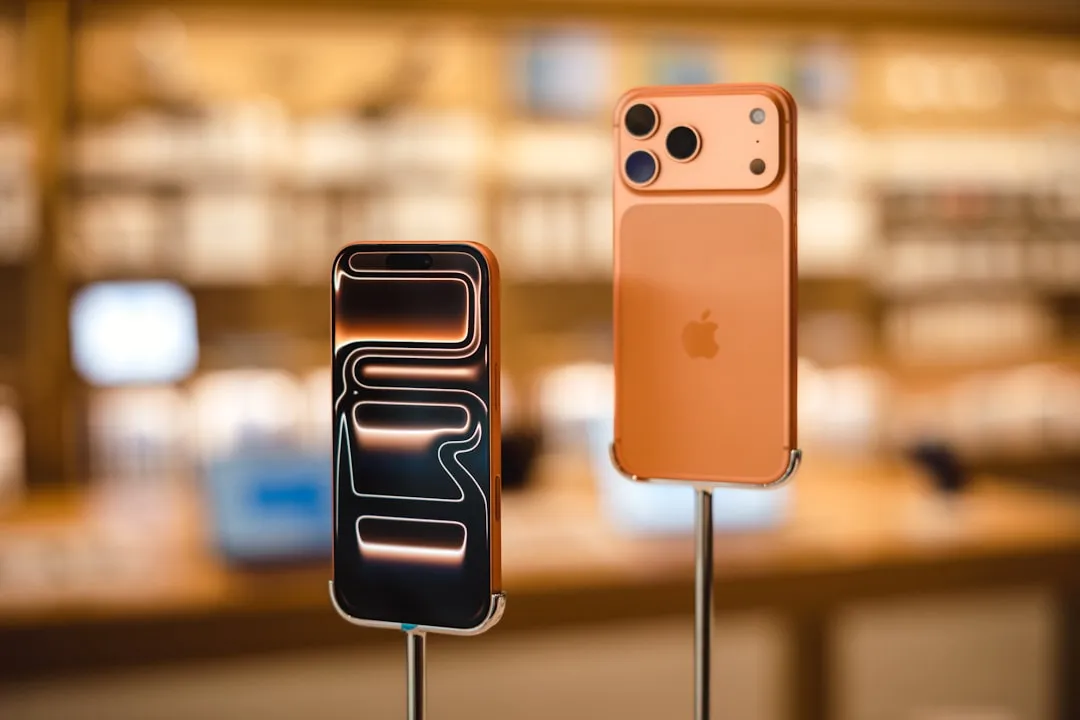
When Apple rolled out its iPhone 17 lineup, store demo units quickly developed unsightly marks on their backs—a minor hiccup that kicked off what some dubbed "scratchgate," according to 9to5Mac. Apple traced the problem to material rubbing off older MagSafe chargers onto the phones' surfaces and promised to fix the issue in retail locations, as reported by 9to5Mac. The company's remedy involved rolling out updated MagSafe chargers with protective silicone rings for in-store displays, 9to5Mac notes. Now, in an unexpected twist, a third-party seller has begun offering those very same Apple Store demo fixtures and accessories—chargers, stands, and other proprietary retail hardware—raising questions about supply chain disposition, grey-market sales, and whether Apple's legal team will swoop in to shut it down.
This isn't just a quirky footnote in tech retail history. It touches on how Apple manages its vast network of store equipment, what happens when that hardware reaches end-of-life, and whether unauthorized resale of branded retail fixtures crosses legal lines. Let's break down what's happening, why it matters, and what Apple might do next.
What sparked the need for new demo chargers?
The iPhone 17 launch brought Apple face-to-face with an unexpected display issue. Customers visiting stores noticed that demo units—both the iPhone 17 and the ultra-slim iPhone Air—already showed visible wear on their backs, 9to5Mac reported. Apple investigated and determined that older MagSafe chargers used on retail tables were transferring material onto the phones, creating what looked like scratches, according to 9to5Mac. The good news? The company clarified that these marks were removable through cleaning rather than permanent damage, 9to5Mac noted.
To address the problem, Apple introduced replacement MagSafe chargers featuring an outer silicone ring, which Consomac spotted in Apple Store locations, as detailed by 9to5Mac. This silicone layer acts as a buffer between the aluminum charger body and the phone's back glass, preventing material transfer, 9to5Mac explains. Some observers speculate this might be a temporary fix until Apple manufactures chargers from entirely different materials, Consomac suggested via 9to5Mac.
Here's the thing: the issue wasn't exclusive to the iPhone 17 series. Apple confirmed that iPhone 16 models also experienced similar marks, though the newer phones naturally drew more attention, 9to5Mac reported. The problem appears confined to the harsh conditions demo units endure daily in retail environments—constant handling, repeated charging cycles, and near-continuous display. We haven't seen home users experiencing the same material transfer from their personal MagSafe accessories, according to 9to5Mac. Replacing the aging chargers with updated models was a logical next step, 9to5Mac noted.
Where do retired Apple Store fixtures go?
When Apple swaps out demo equipment—whether due to wear, product updates, or design changes—those retired fixtures have to go somewhere. The current situation suggests that at least some of this hardware is finding its way into the hands of third-party resellers rather than being destroyed or recycled internally. This raises fascinating questions about Apple's supply chain management and asset disposition protocols.
Typically, companies with Apple's level of brand control would either refurbish equipment for reuse, recycle components through certified programs, or destroy items to prevent unauthorized distribution. The appearance of genuine Apple Store demo chargers and stands on the secondary market indicates a gap in this process—whether through surplus auctions, liquidation partners, or less official channels. For a company that famously guards its retail experience and brand identity with near-religious fervor, this represents an unusual leak in the ecosystem.
The fixtures themselves aren't consumer products; they're purpose-built for retail display with specific mounting systems, security features, and aesthetic designs that match Apple's store environment. Their value lies partly in their provenance—they're authentic Apple hardware with the cachet of having lived in an actual Apple Store. For tech enthusiasts and collectors, that's catnip. For Apple's legal department, it's potentially a trademark and trade dress nightmare waiting to unfold.
Can Apple actually trademark its store layout and fixtures?
Here's where things get legally interesting. The Court of Justice of the European Union ruled that retail store layouts can be registered as trademarks under specific conditions, according to Martini Manna & Partners. This decision came from proceedings between Apple and the German Patent and Trademark Office regarding whether Apple's flagship store design could receive trademark protection, Martini Manna & Partners reported.
Apple had successfully registered a three-dimensional trademark with the US Patent and Trademark Office covering its store layout design, specifically for retail services involving computers, electronics, and product demonstrations, as detailed by Martini Manna & Partners. When Apple attempted to extend this trademark internationally under the Madrid Agreement, the German office initially refused, arguing that the store design was merely a functional business element that consumers wouldn't recognize as indicating commercial origin, Martini Manna & Partners noted. The DPMA also contended that Apple's store wasn't sufficiently distinguishable from other electronics retailers, according to Martini Manna & Partners.
Apple appealed the decision before the Bundespatentgericht, which referred the matter to the CJEU for a preliminary ruling on whether store layouts could even be registered as trademarks, Martini Manna & Partners explained. The CJEU clarified that store layout representations can constitute trademarks if they meet three criteria: they must be a sign, capable of graphic representation, and able to distinguish one company's services from others, according to the court's ruling via Martini Manna & Partners.
The court stated it was "absolutely plain" that designs were signs capable of graphic representation, meeting the first two requirements, Martini Manna & Partners reported. The CJEU held that even without specific size or proportion details, a representation depicting retail store layout through lines, curves, and shapes could constitute a trademark if it can distinguish one undertaking's services from others, according to Martini Manna & Partners. The court noted that "it cannot be ruled out that the layout of a retail outlet depicted by such a sign may allow the products or the services for which registration is sought to be identified as originating from a particular undertaking," Martini Manna & Partners cited.
Now here's the crucial caveat: meeting these general requirements doesn't automatically grant distinctive character. That must be assessed based on consumer perception and the specific services involved, the CJEU ruled according to Martini Manna & Partners. The distinctive character must be evaluated in relation to the goods or services in question and how the average consumer—someone reasonably well-informed and observant—perceives them, Martini Manna & Partners explained. The court emphasized that assessment criteria for store layout designs should be no different from those applied to other types of signs, according to Martini Manna & Partners.
Bottom line: Apple has strong legal grounds to argue that its store fixtures are protected elements of its trademarked retail environment. The sale of genuine Apple Store equipment by third parties could be construed as trademark infringement, trade dress violation, or unauthorized use of proprietary designs. Don't be surprised if cease-and-desist letters start flying.
What does this mean for buyers and sellers?
For anyone tempted to snap up these Apple Store demo fixtures, proceed with caution. While owning a piece of Apple retail history might seem appealing, there are practical and legal considerations worth examining before you hit that "buy now" button.
First, these items were designed for commercial display environments, not home use—they may lack safety certifications for consumer products or have compatibility quirks tied to Apple's internal systems. That sleek demo stand might look gorgeous in your home office, but it was engineered for retail floor conditions with specific power requirements, security features, and integration with Apple's proprietary display systems.
Second, the legal risk is real. If Apple decides to enforce its intellectual property rights aggressively, buyers could face demands to surrender the equipment or cease using it in any commercial context. Sellers face even greater exposure, particularly if Apple can demonstrate that the fixtures were obtained through unauthorized channels or that their sale creates consumer confusion about official Apple products. We're talking potential trademark infringement claims, trade dress violations, and possibly breach of contract if the fixtures originated from controlled disposal agreements.
Third, there's the question of authenticity and condition. Without Apple's quality control and warranty backing, buyers have no guarantee these fixtures meet safety standards or will function reliably. Demo equipment endures heavy use—constant public handling, repeated power cycling, exposure to environmental conditions—and may have hidden wear that isn't immediately apparent.
PRO TIP: If you're considering purchasing these fixtures, document everything. Get clear provenance information from the seller, understand your legal exposure, and recognize that Apple may ultimately demand their return. This isn't like buying a used iPhone—you're dealing with specialized commercial equipment that Apple never intended for consumer ownership.
For sellers, this is likely a short-lived opportunity. Apple's legal team has a well-earned reputation for swift action when it comes to protecting brand assets and retail trade dress. The window for moving this inventory is probably narrow, and the potential legal headaches may not be worth the profit margin.
What happens next in this grey-market saga?
The third-party sale of Apple Store demo fixtures sits at a fascinating intersection of supply chain management, intellectual property law, and tech enthusiast culture. Apple's response will likely depend on the scale of the operation and whether it perceives a genuine threat to its brand or retail strategy. A small-time seller moving limited inventory might fly under the radar; a larger operation could trigger immediate legal action.
Apple's track record suggests the company won't tolerate unauthorized distribution of its retail fixtures for long, particularly given the CJEU's recognition that store layouts can receive trademark protection, as established in the court ruling reported by Martini Manna & Partners. The company has invested heavily in its retail experience as a core brand differentiator, and allowing proprietary store equipment to circulate freely undermines that carefully curated image. These stores aren't just sales points—they're brand temples, and every fixture contributes to that experience.
For tech watchers, this situation offers a rare glimpse into the less-visible aspects of Apple's operations—what happens to hardware when it's retired from service, how the company manages physical assets across hundreds of retail locations, and where the boundaries of brand control begin to blur. It's a reminder that even the most tightly controlled ecosystems have seams, and that the grey market finds opportunities in the most unexpected places.
Whether you're eyeing those demo chargers for your collection or simply curious about the mechanics of tech retail, keep watching this space. The lawyers are almost certainly already drafting their letters, and this story is far from over. What started as a simple material transfer issue on iPhone 17 demo units has evolved into a fascinating case study in asset management, intellectual property enforcement, and the eternal tension between brand control and market forces.
The key takeaway? In Apple's ecosystem, nothing escapes unnoticed for long—not even retired demo chargers.





Comments
Be the first, drop a comment!