



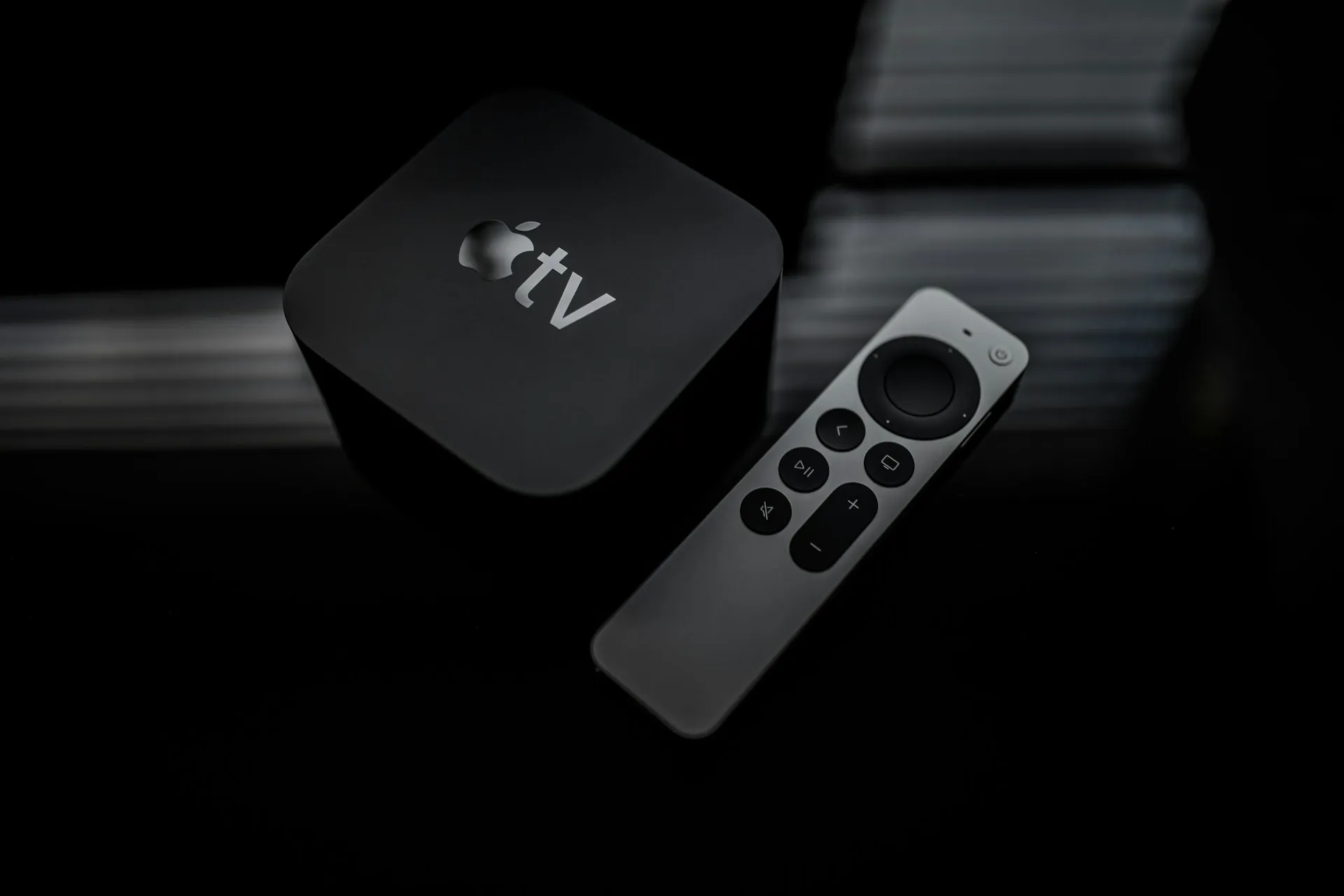
If you've been wondering where Apple's next-generation streaming box has been hiding, you're not alone. The Apple TV 4K has been quietly waiting in the wings since 2022, but recent leaked specifications suggest Apple's been preparing something substantial behind the scenes. The rumored 2025 model promises to bring hardware improvements that could finally deliver the enhanced video codec support for better YouTube streaming, according to leaked information. With inventory shortages at retail stores hinting at imminent refreshes, it appears Apple is ready to break its streaming device silence.
What's driving the delay in Apple's streaming strategy?
The timing of Apple's Apple TV refresh tells an interesting story about priorities and market positioning. Current models launched in late 2022 with an A15 Bionic chip, making this one of the longest gaps between Apple TV updates in recent memory. Rather than rushing incremental improvements to market, Apple appears to have been orchestrating a more comprehensive living room strategy.
Here's what makes this timing fascinating: Apple has been methodically building the foundation for an entirely new category of streaming device. The company appears to be positioning the device to showcase Apple Intelligence features, which require significantly more powerful hardware than previous generations offered. This means we're not just getting faster menus—we're potentially looking at conversational Siri that understands context, AI-powered content recommendations that learn from your viewing habits, and smart home automation that responds intelligently to your daily routines.
The delay also reflects Apple's broader shift toward controlling its own technological destiny. Apple's development of in-house wireless technology has likely influenced the timeline, as the company seeks to integrate its custom N1 chip for improved connectivity. This isn't just about technical specifications—it's about creating a seamless ecosystem where every component is optimized to work together.
The streaming landscape has also evolved dramatically since 2022, creating a perfect storm of opportunity for Apple. Content momentum from Apple TV+, with hits like Severance and other acclaimed series, has given Apple more leverage to position a premium streaming device as essential rather than optional. When your competition is pushing more ads and aggressive data collection, being the premium, privacy-focused alternative becomes a much stronger selling point.
Performance upgrades that could change everything
The heart of the rumored 2025 Apple TV centers on a significant processor upgrade that fundamentally reshapes what's possible in your living room. Leaked specifications point to an A17 Pro chip, representing a substantial jump from the current A15 Bionic. We're talking about 30 percent faster multi-threaded performance compared to existing models—the kind of improvement that enables entirely new categories of features.
What really transforms the experience is Apple Intelligence integration. Apple Intelligence support requires at least 8GB of memory and an A17 Pro or later processor, meaning the new device would need to double the current 4GB configuration. This hardware foundation unlocks features like contextual content discovery—imagine Siri understanding "show me something funny like what we watched last night" and actually knowing what you mean. Or picture AI-powered recommendations that consider not just your viewing history, but the time of day, who's in the room, and even what kind of mood the content detection algorithms determine you're in.
Gaming represents another massive leap forward that could position Apple TV as a serious entertainment hub rather than just a streaming accessory. The new model is expected to support console-quality games thanks to the A17 Pro's enhanced GPU performance. Combined with support for 4K at 120Hz through improved HDMI 2.1 implementation, we're looking at a device that could finally give Apple Arcade the hardware foundation it deserves. This could attract gaming enthusiasts who previously dismissed Apple TV as underpowered, potentially expanding Apple's living room footprint beyond traditional streaming users.
Connectivity advances for the smart home era
Apple's approach to connectivity in the 2025 Apple TV reflects ambitions that extend far beyond traditional streaming into comprehensive smart home control. The device will reportedly include Apple's N1 wireless chip supporting Wi-Fi 7 and Thread, positioning it as a significantly more capable HomeKit hub than current models. Wi-Fi 7 can theoretically deliver up to 4× faster performance than Wi-Fi 6, but the real benefit lies in how this enables new smart home scenarios.
The networking improvements solve real problems that affect daily streaming experiences. Enhanced Wi-Fi 6E and 7 support should enable more stable 4K streams in busy homes, where multiple devices compete for bandwidth. But beyond just faster speeds, the improved connectivity enables the Apple TV to act as a central coordinator for your entire connected home. Imagine walking into your living room and having the Apple TV automatically adjust lighting, temperature, and audio settings based on AI analysis of your preferences and schedule.
Video codec support addresses a long-standing frustration with practical implications for daily use. AV1 hardware decoding capability could enable sharper YouTube 4K content at lower bandwidth, finally bringing YouTube streaming quality in line with other premium streaming services on the platform. This isn't just a technical checkbox—it means significantly better visual quality for one of the most popular streaming destinations while using less of your internet bandwidth.
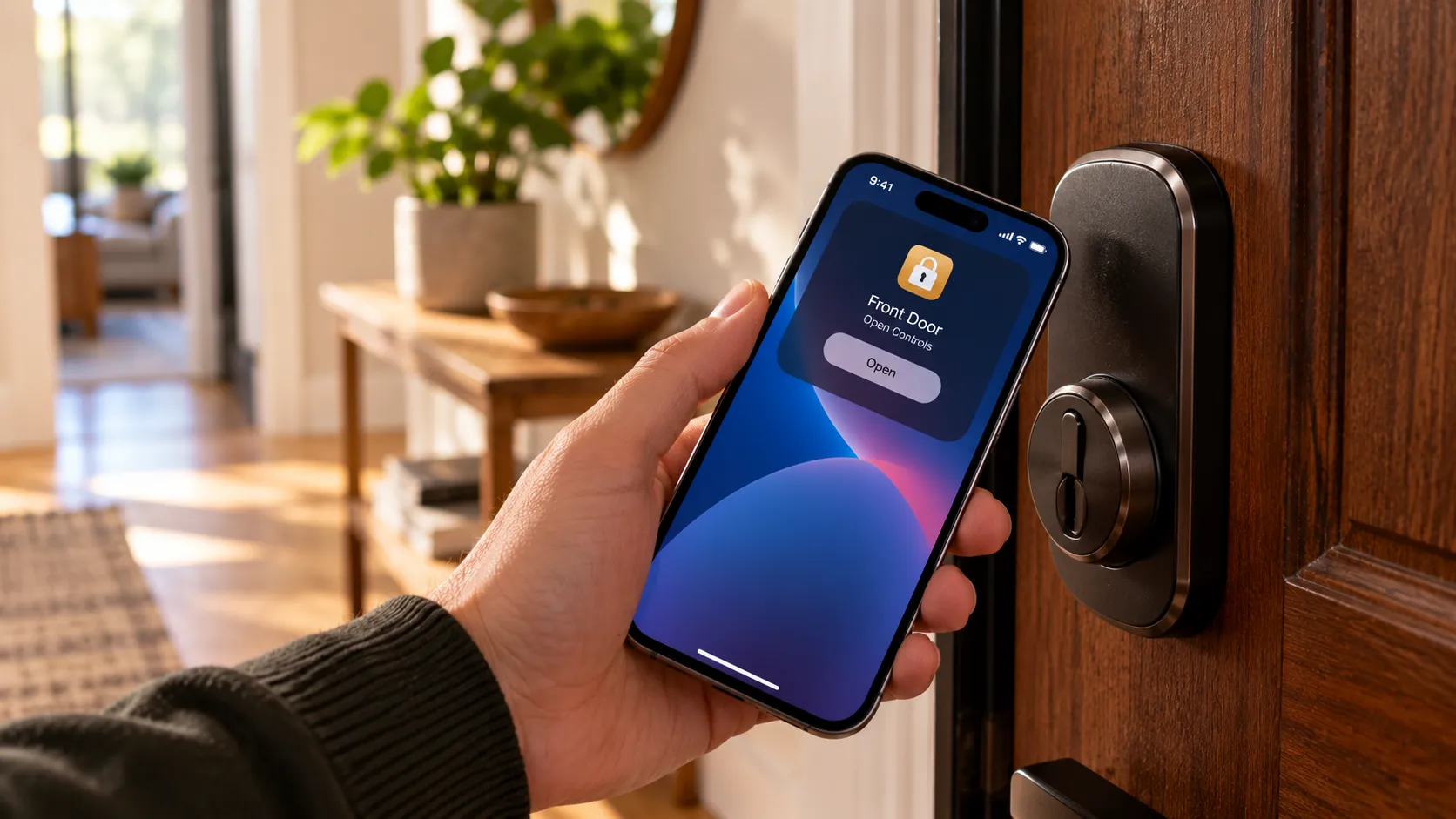
Thread integration represents the most forward-looking connectivity upgrade, positioning the Apple TV as the intelligent heart of a Matter-compatible smart home. Enhanced Thread support enables faster device communication, more reliable automation, and the potential for local processing of smart home commands without cloud dependencies. This creates possibilities for responsive, privacy-focused home automation that works even when internet connectivity is interrupted.
When will Apple finally reveal its hand?
Release timing for the new Apple TV remains strategically fluid, with Apple apparently balancing multiple market factors. Apple could launch the device before the end of 2025, though early 2026 is also being considered. The uncertainty reflects Apple's broader product strategy, where streaming devices compete for attention with higher-priority launches while Apple waits for the optimal market moment.
Behind-the-scenes preparation suggests something is definitely imminent. Apple retail employees have been instructed to prepare for after-hours changes to store displays and inventory, the kind of internal communication that typically precedes product launches by weeks rather than months. This operational preparation indicates Apple has moved beyond development into production and distribution phases.
Pricing represents the most intriguing wildcard in Apple's strategy. Rumors suggest Apple is targeting a sub-$100 price point, which would represent a dramatic departure from current models starting at $129. However, given the advanced hardware specifications, including A17 Pro processing, doubled memory, and sophisticated wireless capabilities, this aggressive pricing seems optimistic. More likely, Apple is positioning the device competitively while maintaining enough margin to support the premium features that justify higher-end positioning.
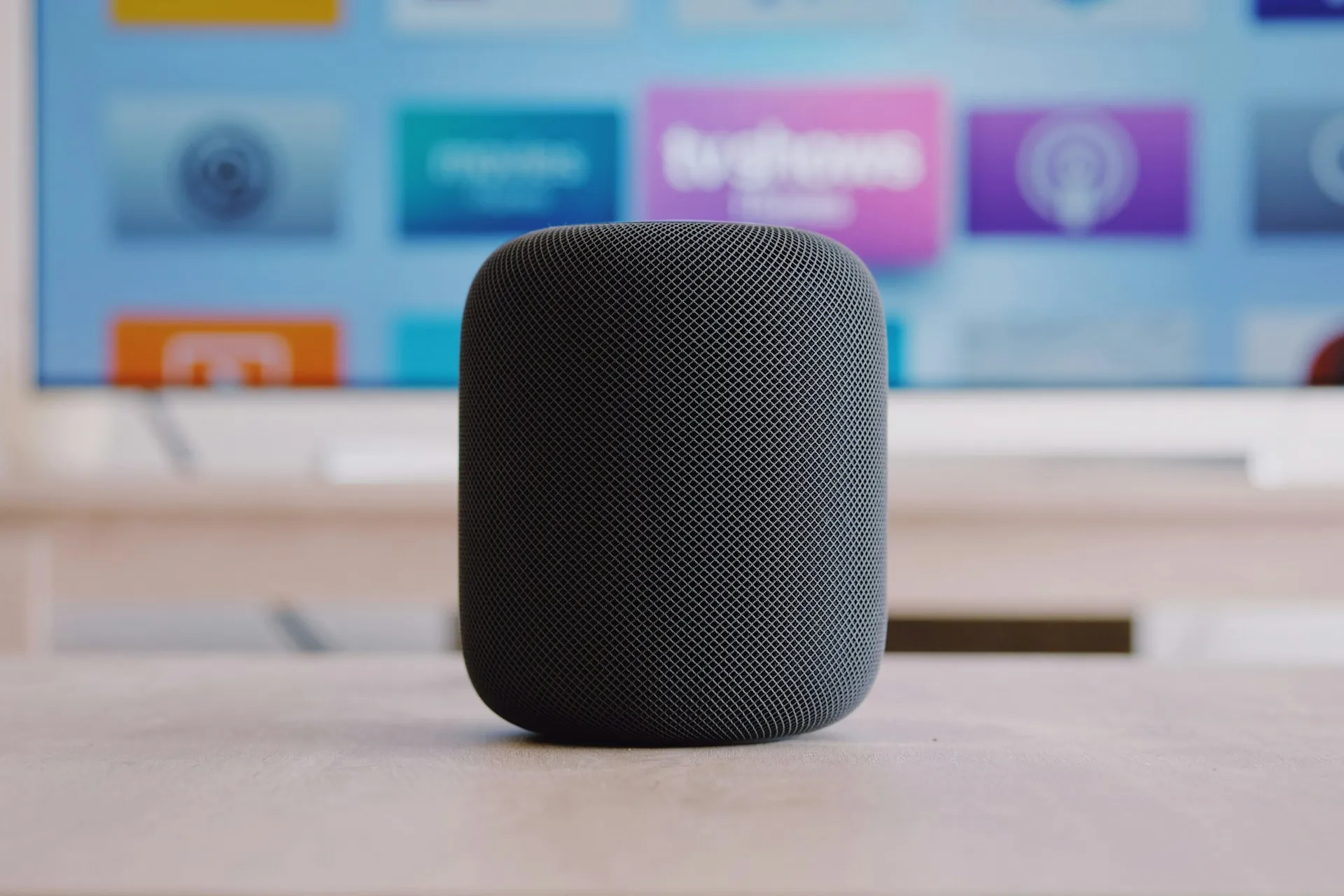
The launch strategy appears coordinated with refreshed HomePod and HomePod mini models, suggesting Apple views this as a comprehensive smart home ecosystem refresh rather than an isolated streaming device update. This broader context makes sense given Apple's emphasis on seamless device integration and ecosystem lock-in as competitive advantages.
What this means for your streaming setup
The eventual Apple TV release represents more than incremental hardware improvements—it signals Apple's serious bid to become the central intelligence of modern living rooms. The combination of AI features, improved gaming capabilities, and enhanced smart home integration could finally deliver the comprehensive entertainment and automation hub that justifies Apple's traditional premium pricing.
For existing Apple TV users, the upgrade calculus depends heavily on how you currently use your device and what you want it to become. Gaming enthusiasts and smart home power users will find the most compelling reasons to upgrade, particularly if you've felt constrained by current hardware limitations. Casual streamers who primarily use Netflix, Hulu, and similar services might find current models sufficient for several more years, especially given the likely price premium for advanced features.
The broader implications for the streaming device market could be significant. As competitors like Roku push more aggressive advertising strategies, Apple's privacy-focused approach, combined with substantially more powerful hardware, creates a clear differentiation strategy. Success depends on whether consumers value that privacy and performance enough to pay Apple's premium, but the company has significantly stronger content and ecosystem advantages now than during previous Apple TV launches.
Bottom line: if Apple can execute on these rumored specifications while hitting even moderately aggressive pricing targets, they could finally transform the Apple TV from a niche ecosystem accessory into a mainstream living room essential. The question isn't whether Apple can build a dramatically better Apple TV—it's whether they can build one that represents compelling value for users beyond their traditional customer base. The answer to that question will likely determine whether this refresh finally breaks Apple TV out of its "hobby" status into a meaningful revenue contributor.









Comments
Be the first, drop a comment!