



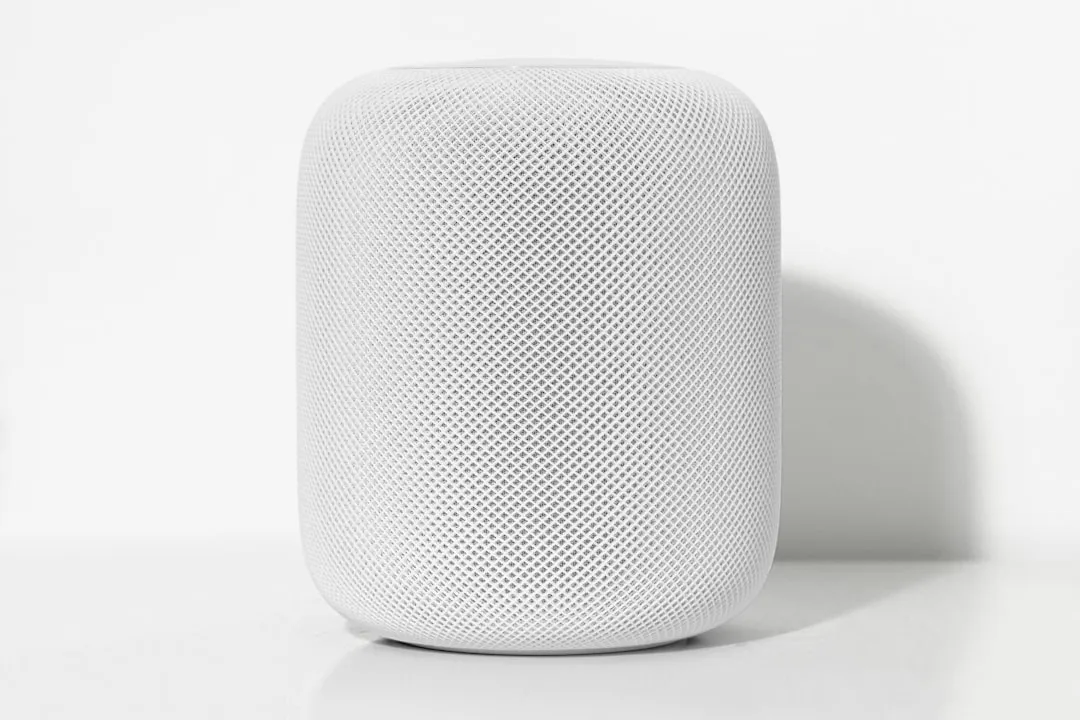
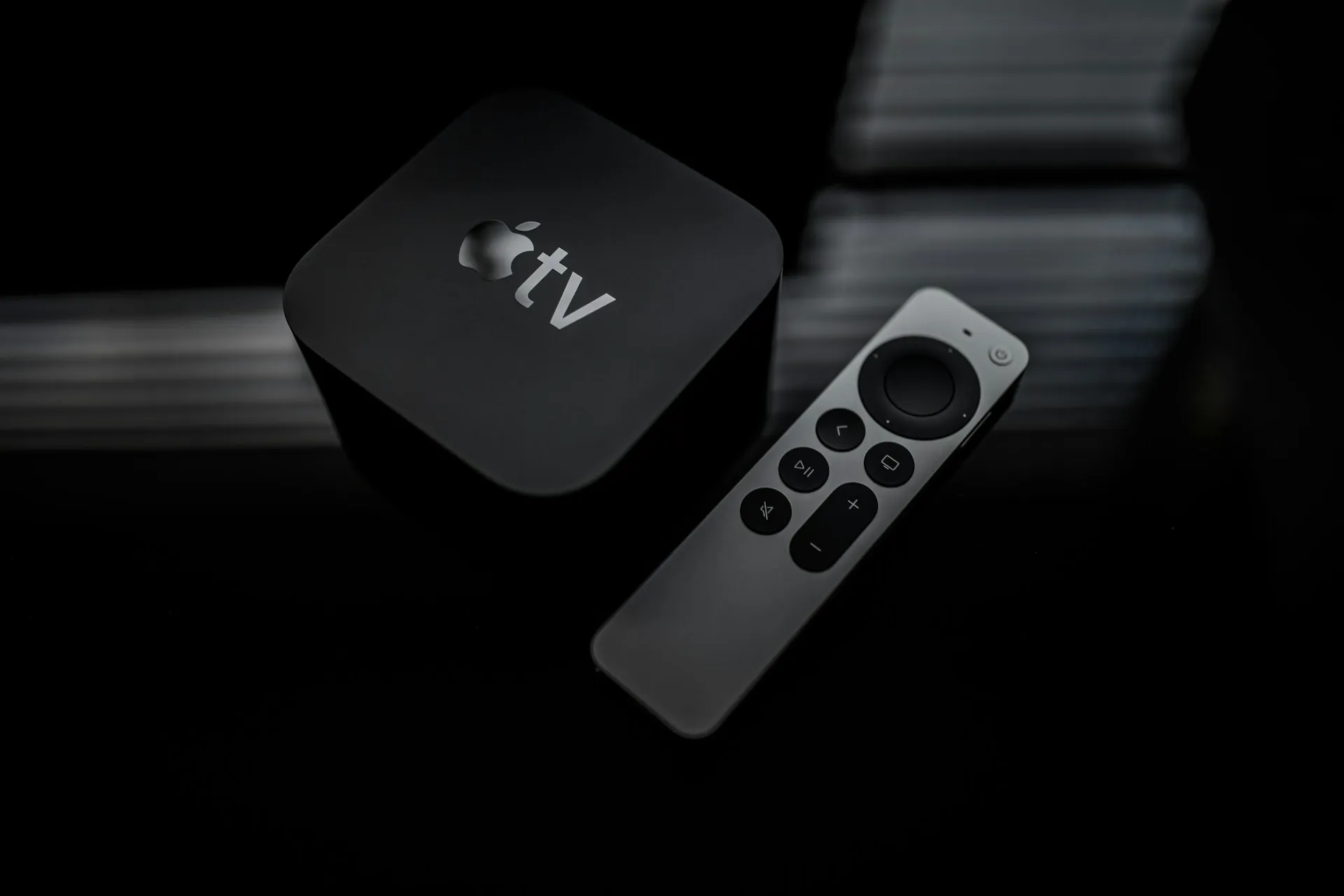
The tech world has been buzzing with anticipation for Apple's next-generation Apple TV and HomePod mini, but both devices remain conspicuously absent from Apple's product lineup. While rumors have swirled for months about imminent releases, the reality is more complex than simple manufacturing delays or supply chain hiccups.
The silence around these expected updates isn't just about hardware refreshes—it's deeply connected to Apple's broader strategic shift toward Apple Intelligence and the fundamental changes required to support advanced AI capabilities on these devices. Understanding why these products are still missing reveals important insights about Apple's priorities, technical challenges, and the evolving landscape of smart home technology.
The Apple Intelligence factor: Why AI changes everything
Here's what you need to know: Apple's commitment to Apple Intelligence has fundamentally altered the requirements for new hardware releases. We're not talking about your typical product refresh cycle anymore. Unlike previous generations where incremental processor improvements sufficed, the current generation of smart home devices needs substantial computational power to handle on-device AI processing effectively.
The challenge isn't simply about adding faster chips—it's about ensuring these devices can seamlessly integrate with Apple's expanding AI ecosystem while maintaining the company's strict privacy standards. This means incorporating processors capable of handling complex machine learning tasks locally, rather than relying entirely on cloud-based processing. Think about it: every Siri request, every smart home automation, every personalized recommendation is increasingly designed to happen on-device where possible.
The timing implications extend beyond hardware capabilities to software readiness. Apple's approach to AI integration requires careful coordination between hardware launches and software maturity, creating dependencies that can significantly impact product release schedules. When your new silicon needs to work flawlessly with AI models that are still being refined, you can't rush the timeline without risking a subpar user experience.
Chip selection challenges: A17 Pro vs S9 considerations
Let's break down one of the most critical decisions Apple faces: choosing the right processor for these upcoming devices. The processor choice represents a critical decision point that likely contributes to the delays, and Apple must balance performance requirements, power consumption, thermal management, and cost considerations across both the Apple TV and HomePod mini platforms.
For the Apple TV, the leap to more powerful silicon like the A17 Pro would enable advanced gaming capabilities, enhanced video processing, and robust AI features. Imagine gaming experiences that rival dedicated consoles or AI-powered content recommendations that actually understand your viewing habits. However, this choice brings thermal and cost implications that require careful engineering solutions—solutions that become even more complex when you factor in the AI processing demands we discussed earlier. Nobody wants an Apple TV that sounds like a jet engine or costs as much as an iPad.
The HomePod mini faces different constraints entirely. The S9 chip might provide sufficient AI capabilities while maintaining the compact form factor and competitive pricing that defines the product category. But here's where the earlier chip selection considerations become crucial: whatever processor Apple chooses must deliver consistent Apple Intelligence experiences despite different processing capabilities. Bottom line: users shouldn't feel like they're getting a watered-down experience just because they chose the smaller, more affordable option.
iOS timing and software dependencies
The relationship between hardware releases and iOS development cycles has become increasingly complex with Apple Intelligence integration. This complexity builds directly on those chip selection challenges—because once you've chosen your silicon architecture, your software timeline becomes locked to that hardware's capabilities and thermal constraints.
Apple's software development approach prioritizes stability and feature completeness over rushed releases. This methodology becomes particularly important when hardware capabilities must align with specific software features that users expect to work seamlessly from day one. You've probably experienced the frustration of buying new tech only to find that the coolest features "coming soon" never quite work as advertised.
The interconnected nature of Apple's ecosystem means that delays in one component can cascade across multiple product lines. This creates strategic decisions about whether to delay hardware or launch with limited software capabilities. When your Apple TV's AI capabilities depend on the same software stack that powers your iPhone's Apple Intelligence features, coordinating these releases becomes exponentially more complex than the isolated product cycles of the past.
Smart home strategy implications and connectivity advances
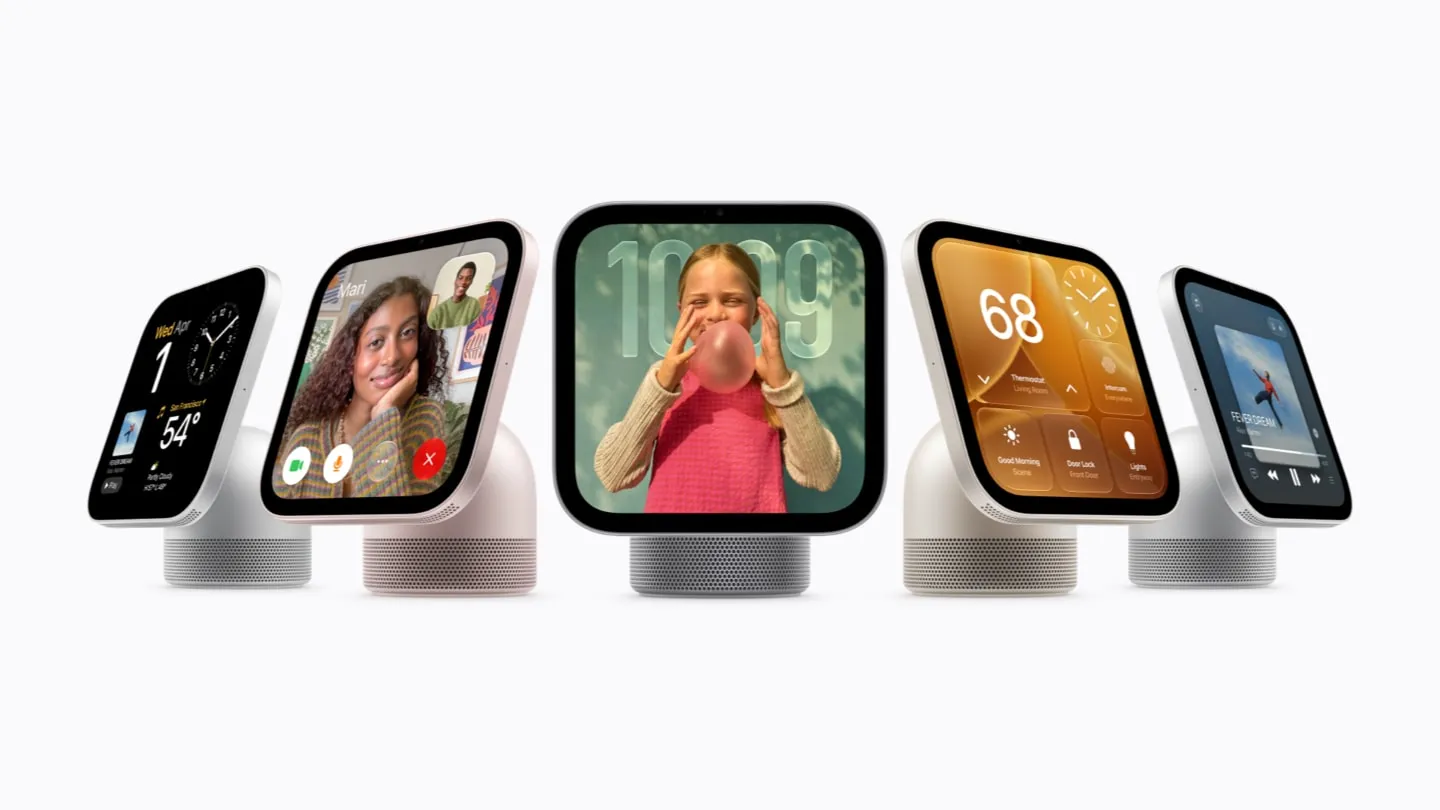
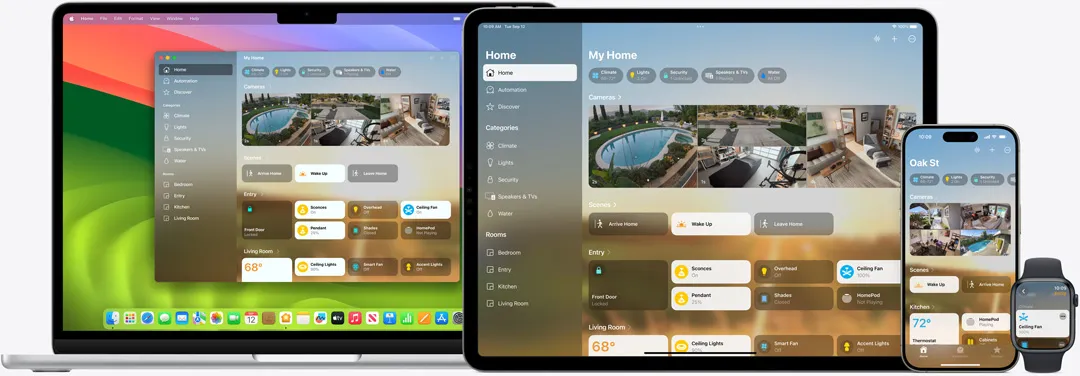
The missing Apple TV and HomePod mini updates reflect broader questions about Apple's smart home strategy and competitive positioning. We're talking about Thread support, Wi-Fi 7 integration, and enhanced interoperability with Matter devices—significant technological leaps that require careful implementation rather than rushed deployment.
These connectivity improvements aren't just about faster speeds or better range, though those benefits are certainly welcome. They're about positioning Apple's devices as central hubs in increasingly sophisticated smart home ecosystems. But here's where the earlier discussion of chip selection becomes critical: these advanced connectivity standards demand processing power, and when you layer AI capabilities on top of managing complex mesh networks and multiple device protocols, you're right back to those thermal and cost considerations we explored earlier.
The strategic implications extend to Apple's competition with Amazon, Google, and other smart home platforms, where delayed releases can impact market share and ecosystem adoption rates. In the smart home space, being late to the party often means playing catch-up for years—just look at how long it took some companies to recover from missing the initial smart speaker wave. Apple clearly wants to avoid that scenario by getting these foundational technologies right from the start.
What the delays signal for Apple's broader vision
These product delays reveal important insights about Apple's evolving priorities and strategic decision-making process. Rather than rushing incremental updates to market, the company appears focused on delivering more substantial technological leaps that align with long-term vision.
The emphasis on Apple Intelligence integration suggests that future Apple TV and HomePod mini devices will offer significantly enhanced capabilities compared to simple spec bumps. This approach reflects Apple's broader shift toward AI-powered experiences across all product categories. Think about how the iPhone transformed from a communication device to an AI-powered personal assistant—that's the kind of evolution we're likely to see with these home devices.
But understanding these delays requires connecting all the pieces we've discussed: the AI processing requirements driving chip selection, the chip choices constraining software development timelines, and the software complexity affecting smart home integration capabilities. It's not just about building better individual products anymore; it's about creating an interconnected ecosystem where every component works intelligently together, and where the AI features that define the user experience can't be compromised by rushed hardware decisions.
The bigger picture: When patience pays off
While the absence of new Apple TV and HomePod mini models may disappoint eager consumers, the underlying reasons suggest that eventual releases will deliver more substantial improvements than typical product cycles. Apple's focus on Apple Intelligence integration, advanced connectivity standards, and ecosystem coherence indicates that patience may ultimately reward users with more capable and future-ready devices.
The delays also highlight the evolving nature of consumer technology, where simple hardware upgrades no longer suffice in an AI-driven landscape that demands fundamental rethinking of device capabilities and user experiences. We're moving beyond the era of "faster processor, better camera" into something much more transformative—where the processor choice affects AI capabilities, AI capabilities drive software complexity, software demands shape connectivity requirements, and connectivity features influence strategic positioning.
PRO TIP: If you're holding off on purchasing current-generation Apple TV or HomePod mini devices because of these rumors, consider your immediate needs versus future possibilities. While the next generation will undoubtedly offer impressive improvements, the current devices still deliver excellent performance for most users' daily needs.
The key takeaway is that Apple's approach to these delays reflects a company that's thinking several steps ahead rather than just trying to maintain quarterly release schedules. Whether that strategy pays off will depend on how well these eventual releases deliver on the promise of truly intelligent home entertainment and automation experiences—experiences that justify the complex engineering challenges and timeline coordination that have kept us waiting.



Comments
Be the first, drop a comment!