





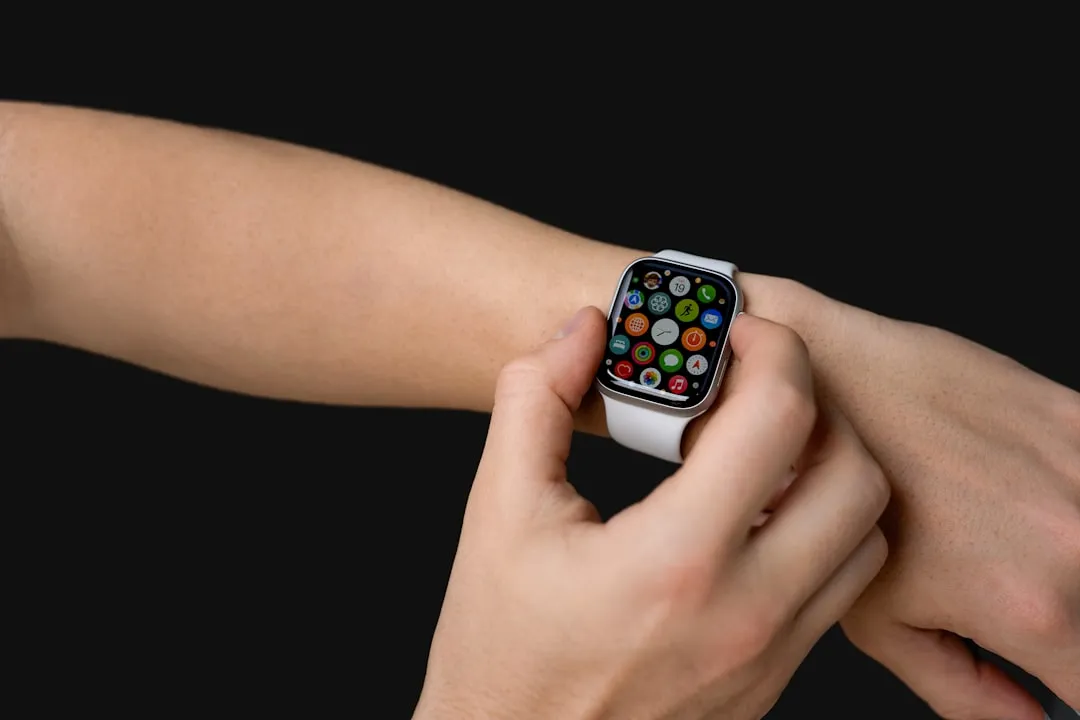
The clearest signal on Apple Watch Touch ID right now isn't in the code that exists. It's in the code that doesn't. None of the Apple Watch models currently in development reference Touch ID drivers anywhere in their software builds, not even in restricted internal code, Macworld reported. Bloomberg independently places the feature outside this year's plans. The prototype work is real. A shipping product is further off.
Internal builds tied to the 2026 Apple Watch lineup do reference "AppleMesa," Apple's long-running engineering codename for Touch ID, but that code is flagged for internal use only. Macworld was explicit on what that means: the code reference "doesn't mean that Apple Watch Series 12 or Ultra 4 will definitely have Touch ID." The engineering work is documented. The product is not.
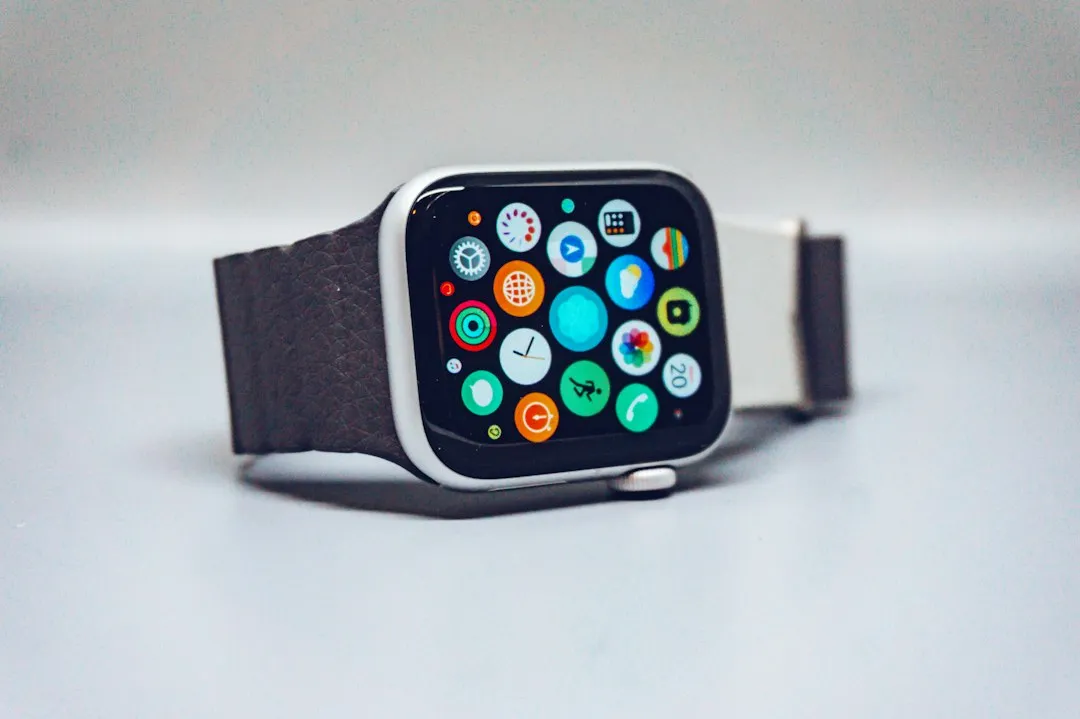
Where the sensor would actually go remains an open question. Possible placements include under the display, in the side button, integrated into the Digital Crown, or on the underside of the watch case. No front-runner has emerged across either source.
What the Apple Watch Touch ID evidence actually shows
Apple's fingerprint work for the watch is documented in two forms: prototype software and patents. The "AppleMesa" code is restricted to internal builds, a prototype-stage indicator. Apple has also reportedly secured multiple patents for watch-based biometrics, including at least one placing a Touch ID sensor in the side button. Patents document directions being explored, not decisions being made.
The more telling evidence runs the other way. Current Apple Watch models, including those already in development for release this year, contain no Touch ID driver references, even in internal builds, Macworld confirmed. Driver-level code is what moves a feature from experimentation into hardware integration, and its complete absence across the current lineup is the harder timing signal. Rumors rule out this year entirely.
There's a practical distinction worth holding onto when reading Apple hardware coverage: prototype code means an engineering team is working on something; driver-level integration means a team is finishing it. Everything in the current Apple Watch Touch ID evidence sits in the first category.
Apple Watch fingerprint sensor: why placement is still unresolved
The most revealing detail in current reporting isn't that Apple is working on a fingerprint sensor for the watch. It's the fundamental implementation question, where the sensor goes, that remains open.
Each candidate placement carries its own engineering challenges. Under-display fingerprint readers are common on Android phones, but Apple has yet to ship any product using that approach. On a watch face, the constraints get harder: the surface area is a fraction of a phone screen, the sensor would need to perform reliably when wet, in motion, and against a wide range of contact angles and skin conditions. The side-button option has at least one patent behind it, which gives it more documented support than some alternatives, though a patent describes what Apple has protected, not what it has chosen. An in-display optical sensor and a sensor on the underside of the case are also under consideration.
Four competing configurations with no convergence across independent sources describe an open engineering evaluation. Apple doesn't finalize hardware decisions publicly until they're settled. The number of options still on the table says something about where that process currently stands.
Why Apple Watch biometric authentication is worth solving
It's worth being clear about what Apple is actually trying to solve here, because it explains why the engineering bar is high enough to keep the feature in limbo this long.
The Apple Watch currently authenticates via a wrist-detection sensor: the watch assumes the person wearing it is the owner and stays unlocked as long as it detects a pulse. That works until it doesn't, specifically when the watch needs to verify identity for payments, app authorizations, or handoff to connected devices. Face ID on the iPhone handles most of that today, but it requires the iPhone to be present and unlocked. A watch-native fingerprint sensor would let the watch authenticate independently, which matters for Apple Pay transactions, health data access, and any workflow where pulling out a phone defeats the purpose of having a wrist-worn device.
The use case is real. So is the difficulty. A fingerprint sensor on a watch has to be smaller, more power-efficient, and more tolerant of real-world conditions than its iPhone equivalent, all while fitting into a form factor where every cubic millimeter is contested. That's not an insurmountable problem, but it's not a trivial one either, which is consistent with Apple spending several years in the prototype phase without yet converging on a solution.
What a genuine launch signal would look like for Apple Watch Touch ID rumors
Two things would need to shift before the Touch ID story moves from exploration toward something more concrete, and neither has happened yet.
The first is software convergence. The "AppleMesa" code is prototype-stage and internal-only. The meaningful change would be driver-level references appearing in builds that aren't restricted to internal use. That's precisely what Macworld's reporting identified as absent across the current lineup.
The second is hardware convergence. Right now, software leaks, patent filings, and rumor coverage all point to different possible sensor locations with no consistent frontrunner. When independent reporting starts pointing to a single placement, that marks a decision rather than an evaluation. Competing configurations are normal early-stage behavior. Agreement across sources is what late-stage looks like.
Neither condition is currently met. The 2026 Apple Watch code reference is consistent with that lineup as a working target for engineers, but it's a possibility rather than a plan, and Bloomberg's reporting rules out this year. Everything beyond that is an inference drawn from prototype work.
There's no current evidence that justifies waiting on an Apple Watch purchase specifically for Touch ID. When driver references start appearing outside prototype builds and placement reporting stops diverging, that's the story changing. It hasn't changed yet.
The Touch ID rumor is grounded in real engineering work. The product is not. With Apple hardware, those two states can coexist for a long time, and right now all available evidence says that's exactly where things stand.




Comments
Be the first, drop a comment!