





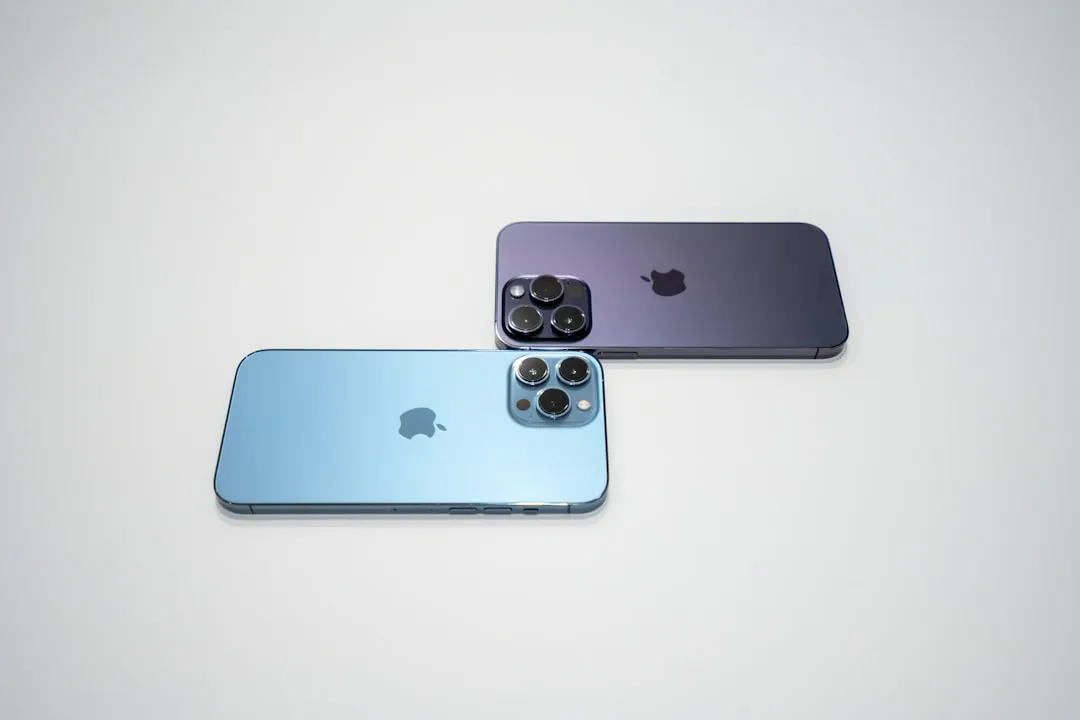
2026 is shaping up to be Apple's most ambitious iPhone year yet, with four completely new devices launching throughout the year instead of the traditional September release pattern. This strategic shift represents more than just timing changes—it signals Apple's boldest product diversification in iPhone history, including their first foldable device and revolutionary manufacturing advances that could redefine the smartphone industry.
The early arrival: iPhone 17e kicks off 2026
Let's start with the surprise opener. The iPhone 17e is reported to be hitting shelves in early 2026, serving as the final piece of the iPhone 17 puzzle, according to 9to5Mac. This budget-friendly option delivers meaningful upgrades that bridge the gap between Apple's entry-level and premium offerings.
The standout improvement is the A19 chip instead of the A18, which translates to noticeable performance gains for everything from app launches to multitasking and camera processing. The old notch finally disappears, replaced by the Dynamic Island that's been exclusive to premium models. Those bezels are getting the slim treatment too, giving the device a more contemporary aesthetic that doesn't immediately signal "budget option."
Apple's also including Center Stage for the front camera—a genuine value-add for anyone who regularly uses video calls. The feature automatically keeps you in frame as you move around, whether you're pacing during a work call or trying to include multiple people in a FaceTime chat.
Here's where Apple draws clear product segmentation lines: you're getting a single rear camera (no Pro-level triple setup), the display stays at 60Hz without ProMotion or always-on functionality, and there's no Camera Control button. At an expected $599 price point, reports suggest it targets users who want modern iPhone features without premium pricing—essentially competing with mid-range Android devices while maintaining iOS ecosystem benefits.
Fall 2026: The flagship duo gets revolutionary upgrades
September 2026 brings the iPhone 18 Pro and Pro Max models with what could be the most significant iPhone upgrades in years, according to 9to5Mac. These devices showcase cutting-edge technology that pushes smartphone boundaries in multiple directions.
The A20 Pro chip is reported to be built on TSMC's 2nm manufacturing process and would represent a quantum leap in semiconductor efficiency. This isn't just about raw processing power—the 2nm architecture delivers dramatically better battery efficiency, reduced heat generation, and enables new AI capabilities that weren't possible with previous generations. Research indicates the chip uses wafer-level multi-chip module packaging that integrates RAM directly into the SoC, creating unprecedented performance optimization.
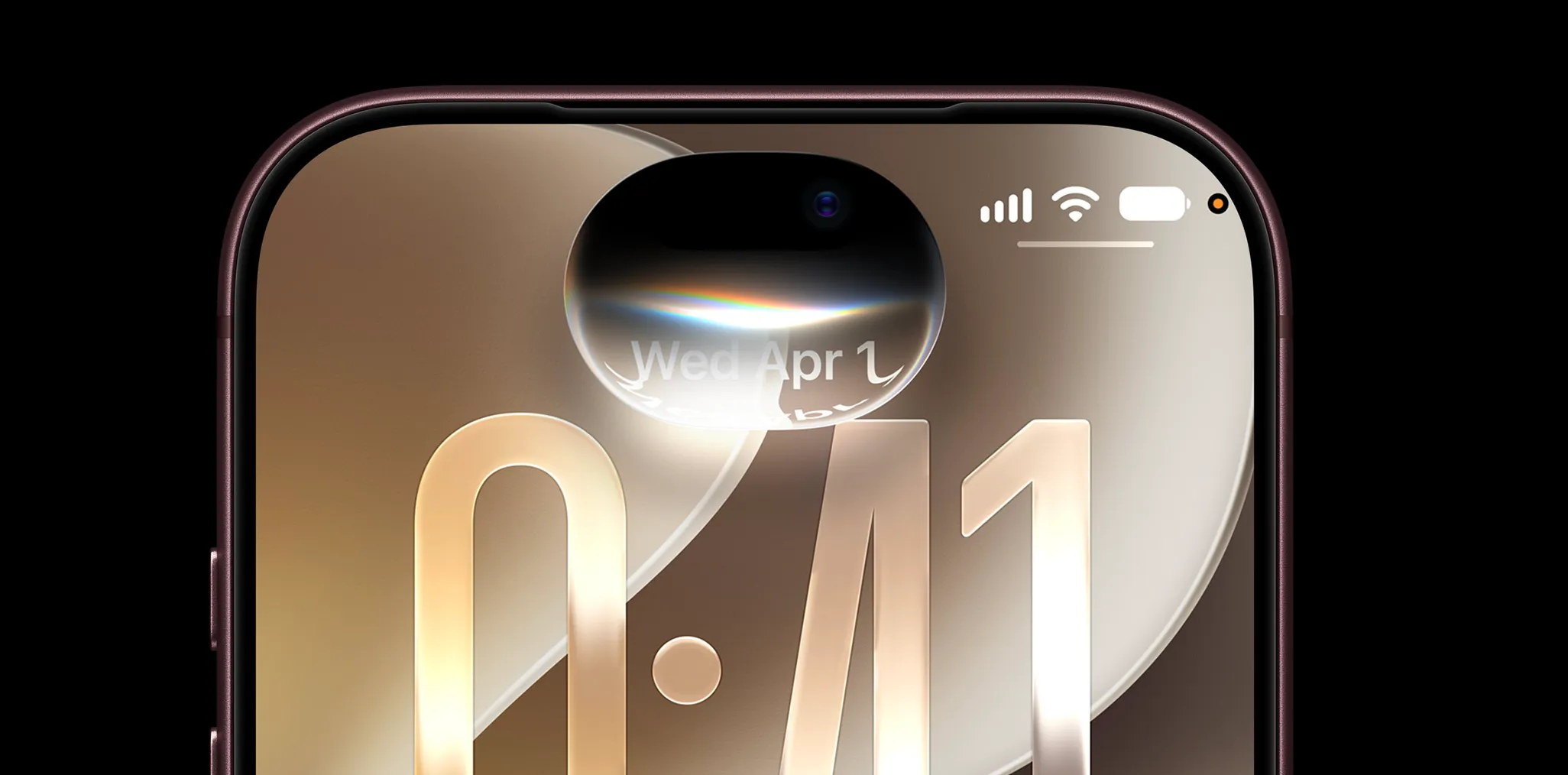
The design evolution is immediately visible. The Dynamic Island shrinks significantly, possibly transitioning to just a simple hole-punch cutout, as reported by 9to5Mac. More impressively, Face ID moves completely under the display—no visible sensors, no interruptions to screen real estate. This achievement addresses one of the last remaining design compromises in modern smartphones.
Camera improvements focus on professional-grade functionality. The variable aperture system provides DSLR-like depth of field control, letting photographers adjust bokeh effects and light gathering in real-time rather than relying on software processing. Enhanced low-light performance and wider aperture telephoto lenses improve image quality across challenging shooting conditions. The rear glass design adopts a more uniform appearance, creating cleaner overall aesthetics.
Apple's proprietary modem (reported in some outlets as 'C2') is rumored to debut in these models; reporting on its status is mixed. Beyond improved connectivity and battery efficiency, the C2 potentially enables satellite 5G support in partnership with services like Starlink, opening entirely new usage scenarios for remote connectivity.
The game-changer: Apple's first foldable iPhone arrives
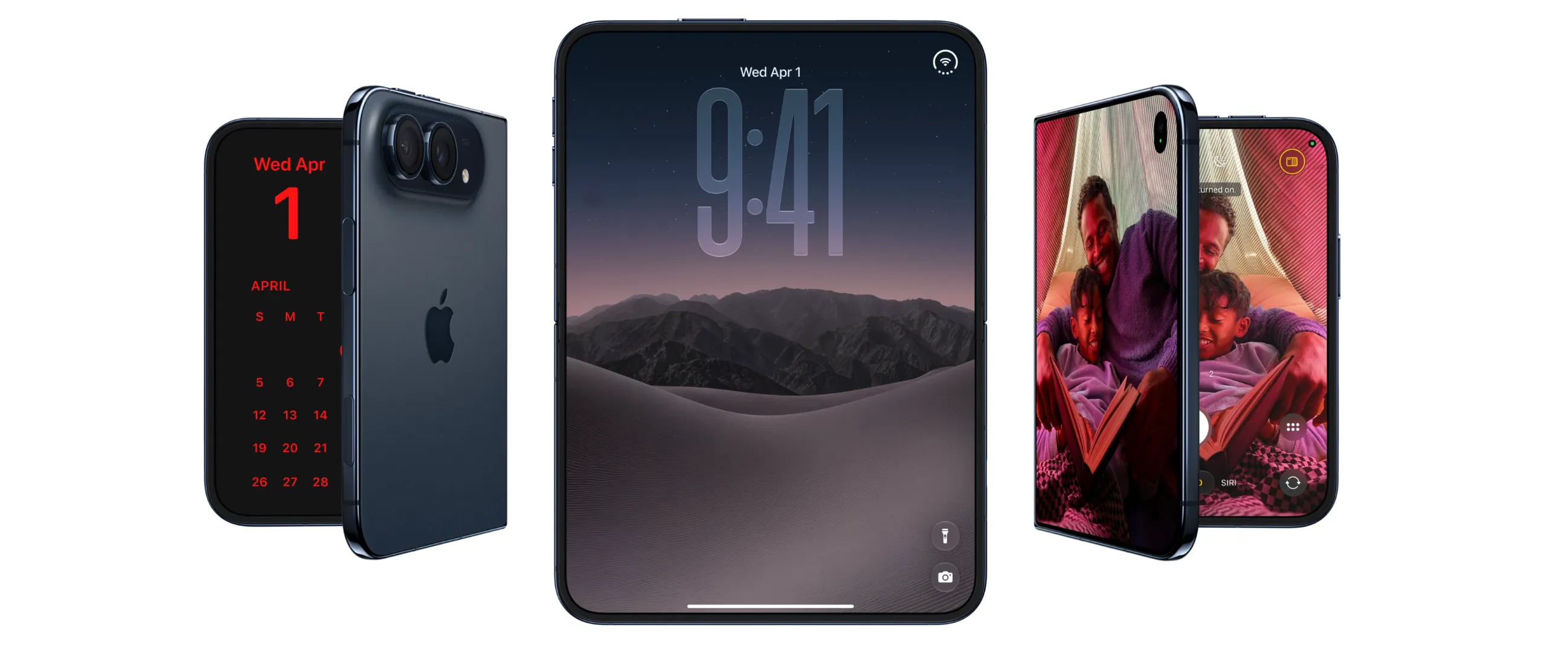
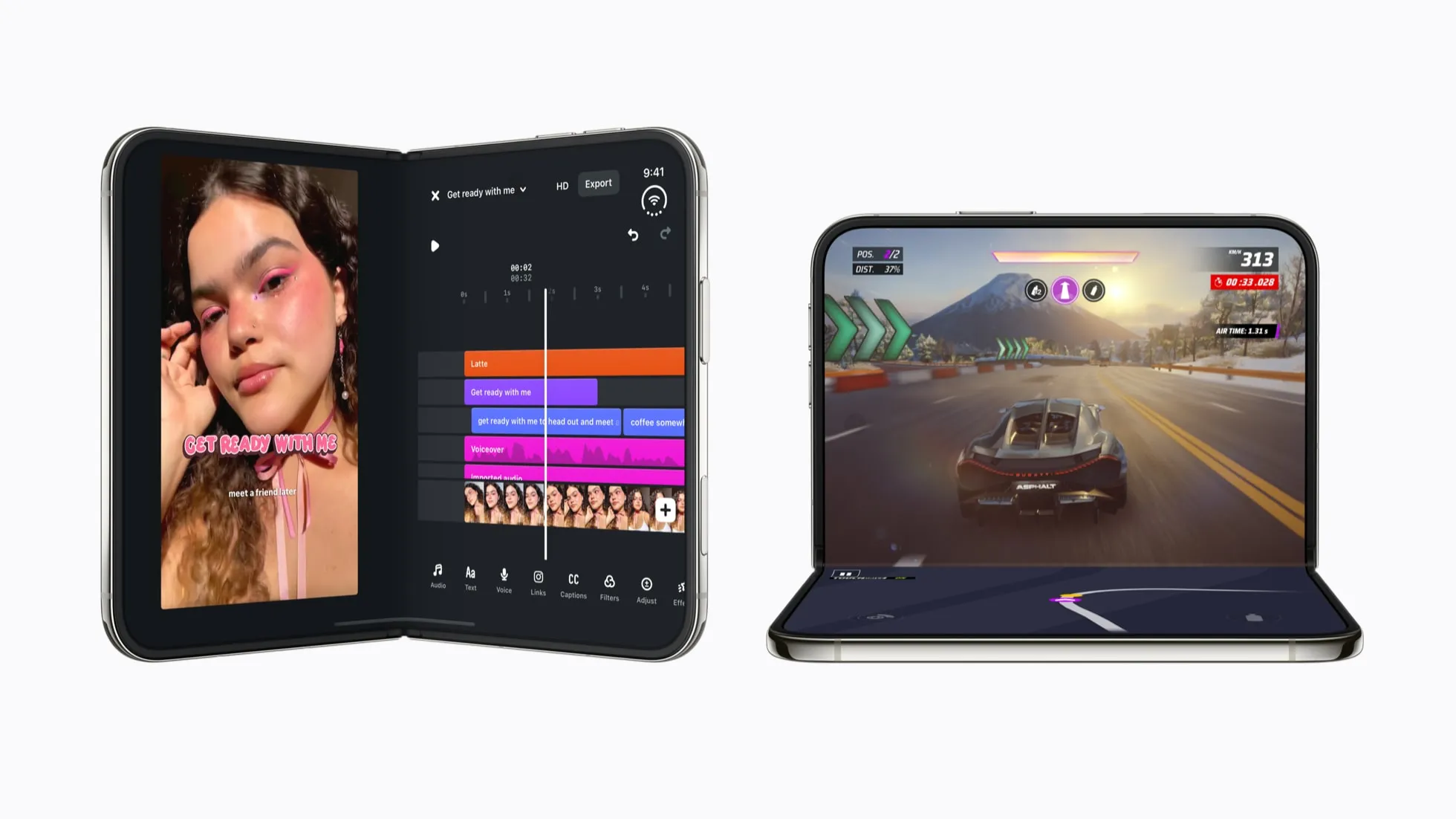
After years of speculation and "next year" predictions, Apple's foldable iPhone actually launches in fall 2026, confirms 9to5Mac. Based on current intelligence, Apple waited strategically—they're not just entering foldables, they're attempting to perfect them.
The device, likely called iPhone Fold or iPhone Ultra, commands a premium price of $2,000 or higher—essentially iPhone Pro Max pricing doubled. But consider the engineering achievement: a device that functions as a regular iPhone when closed (approximately 5.4 inches) but opens to reveal a 7.6-inch display approaching iPad mini territory, according to the report.
Apple's engineering breakthrough centers on achieving a zero-crease display—addressing foldable technology's most persistent weakness. Current foldables suffer from visible fold lines that disrupt content and create tactile inconsistencies. If Apple has solved this fundamental problem, it represents a significant competitive advantage over Samsung, Google, and other foldable manufacturers.
The device features an ultra-sleek titanium frame similar to iPhone Air design principles and potentially houses the largest iPhone battery ever created, 9to5Mac notes. Interestingly, Apple appears to be implementing Touch ID instead of Face ID, likely due to the complexity of integrating facial recognition across dual displays and the size constraints inherent in foldable form factors.
The foldable includes the same A20 Pro chip from the iPhone 18 Pro models, ensuring flagship performance regardless of form factor. Camera specifications include two rear sensors and dual front-facing cameras—one for each display configuration.
What's missing: The delayed iPhone 18 and strategic shifts
The most significant strategic change involves what's not launching in fall 2026. The standard iPhone 18—traditionally the volume seller—gets pushed to early 2027, according to 9to5Mac. This represents a fundamental shift in Apple's product cadence philosophy.
Instead of concentrating everything into September events, Apple spreads releases across the calendar year. Spring 2027 will see the base iPhone 18, iPhone 18e, and possibly iPhone Air 2, as reported. This strategy reduces engineering coordination complexity, spreads marketing attention throughout the year, and provides multiple opportunities to respond to competitive pressures.
The immediate impact is measurable. IDC forecasts a 4.2% decline in iOS device shipments for 2026, primarily attributed to the delayed base model launch. This calculated risk demonstrates Apple's confidence in premium products driving revenue while they optimize their broader product strategy.
Industry analysts suggest this pattern continues long-term, with Apple launching five to six new iPhone models annually across staggered release windows rather than single major events. This approach aligns with how other tech categories—from cars to software—manage product launches for sustained market attention.
The future of iPhone innovation is here
The 2026 iPhone lineup represents Apple making calculated bets on multiple fronts simultaneously. The foldable represents their biggest form factor risk since the original iPhone, while the staggered release schedule challenges decades of established consumer and industry expectations.
Most significantly, the technology improvements—2nm chip manufacturing, under-display Face ID, zero-crease foldable displays, and satellite connectivity—push smartphone capabilities forward in ways we haven't seen in recent iPhone generations. Apple's entry into foldables could legitimize the category for mainstream adoption, similar to how Apple Watch validated smartwatches and AirPods established the wireless earbuds market.
The four devices span from the accessible iPhone 17e at $599 to the premium foldable potentially exceeding $2,000, demonstrating Apple's commitment to serving diverse user needs while advancing technology boundaries. Whether you're seeking modern iPhone features at reasonable pricing or willing to pay premium dollars for cutting-edge innovation, 2026 offers compelling options across the spectrum.
As these launches approach, anticipation builds for what could genuinely be the most transformative iPhone year since Steve Jobs declared "today, Apple is going to reinvent the phone" in 2007. This time, they might just be reinventing it again—and redefining how the entire industry approaches product launches in the process.








Comments
Be the first, drop a comment!