



The tech world has been buzzing about Apple's cautious approach to artificial intelligence, especially when you compare it to the aggressive spending from companies like Google, Meta, and Microsoft. But here's what's interesting - while competitors have been pouring hundreds of billions into data centers and AI infrastructure, Apple's restrained artificial intelligence strategy may pay off in 2026 amid the arrival of a revamped Siri and concerns around the AI market "bubble" bursting. Apple's conservative approach has left them with more than $130 billion in cash and marketable securities, giving them flexibility for strategic acquisitions or partnerships as AI startup valuations potentially decline.
The big Siri moment we've all been waiting for
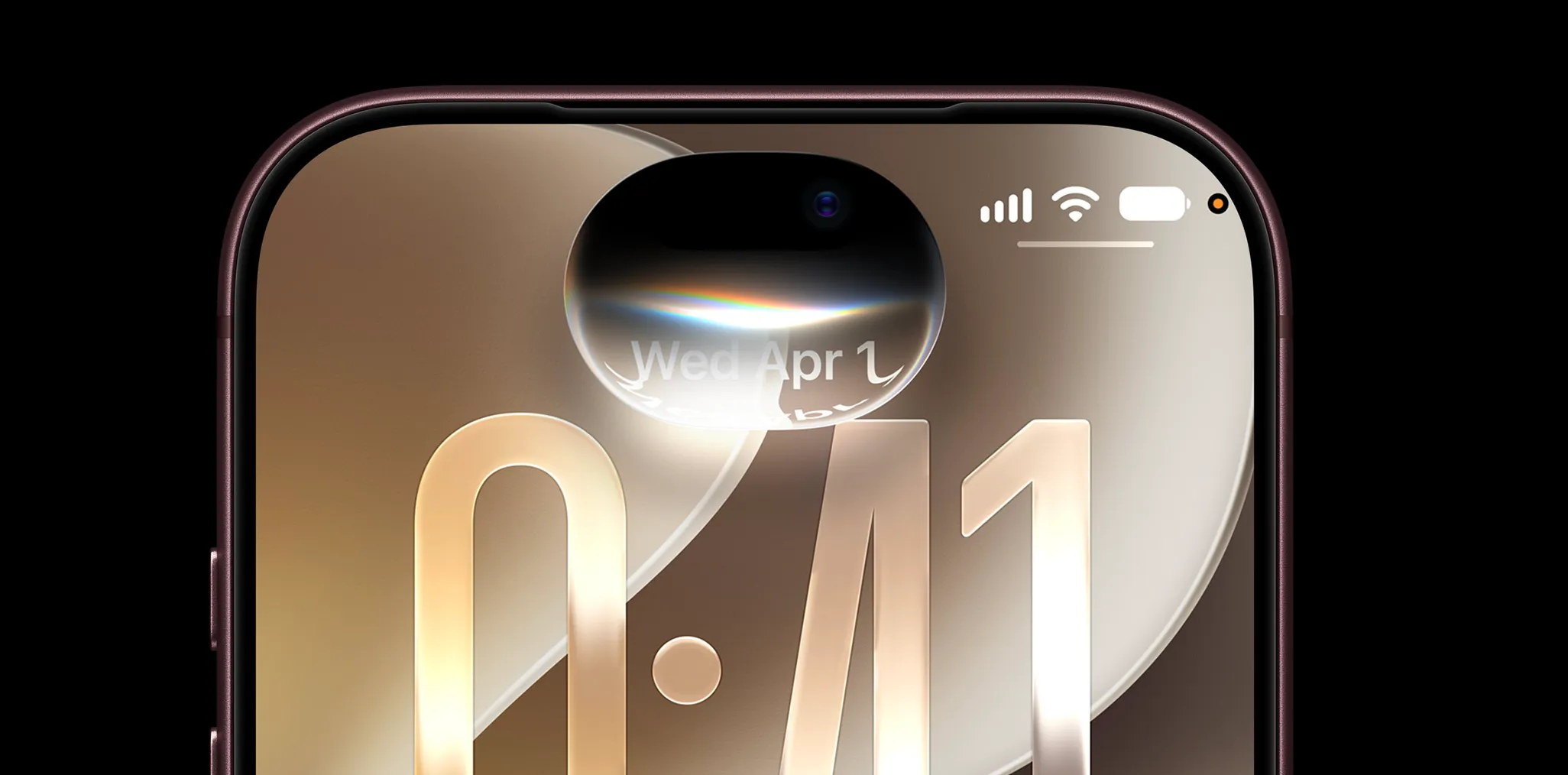
Let's break it down - January is setting the stage for what might be Apple's biggest AI transformation yet. Apple's biggest AI-related move in 2026 will be the long-anticipated overhaul of Siri, reportedly expected in spring 2026 (iOS 26.4), per leaks and reporting. We're not talking about minor tweaks here. The updated Siri is set to be more conversational and capable of completing multi-step tasks, representing the breakthrough moment users have been waiting for since Siri's original debut.
What makes this transformation particularly strategic is Apple's partnership approach. According to Bloomberg and Reuters reporting, Apple is expected to license Google's Gemini to power the new Siri, reflecting an internal view that large language models may become commoditized and not worth the cost of large-scale proprietary development. This decision aligns perfectly with the emerging market sentiment toward AI spending showing signs of skepticism, with questions emerging over whether such large investments can be justified by near-term revenue.
Behind the scenes, Apple has made organizational changes that signal their commitment to executing this transformation flawlessly. Recent leadership changes at Apple include Siri being placed under Mike Rockwell, responsible for launching the Vision Pro headset, following delays to the assistant's overhaul. Rockwell's proven track record with complex product launches makes him the ideal executive to shepherd Siri through this critical transition.
Even more telling, Apple's AI chief John Giannandrea announced his retirement earlier in December, with parts of his organization redistributed into product-focused teams. This restructuring represents a fundamental shift from centralized AI development toward embedding AI capabilities directly into product teams - a more practical approach that prioritizes user experience over technology for its own sake.
Hardware refreshes setting the stage
January's product launches are strategically coordinated to showcase these AI capabilities across Apple's ecosystem. The HomePod mini 2 is reportedly ready to go, so it could come early in 2026, providing an immediate platform to demonstrate Siri's enhanced conversational abilities in the smart home environment.
The Apple TV is getting significant internal upgrades that position it as both an entertainment hub and smart home controller. The Apple TV will get a new Apple-designed Wi-Fi and Bluetooth chip, along with a faster A17 Pro processor that will add support for console-quality games and Apple Intelligence. While no design changes are expected, these performance improvements enable the device to handle complex AI processing locally while serving as a central hub for the broader smart home ecosystem.
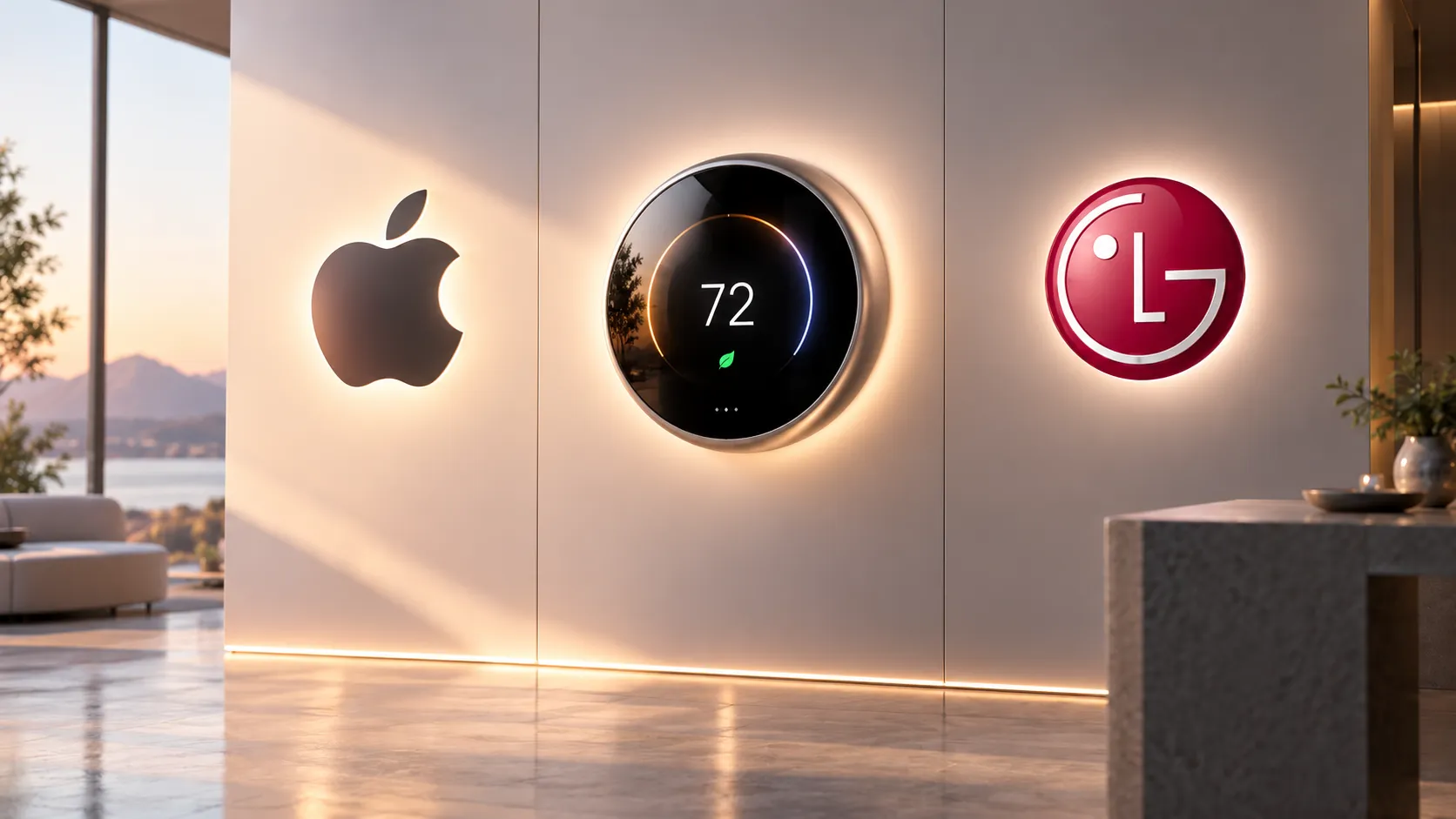
These launches create momentum for Apple's ambitious smart home expansion. Apple is planning a major push into the smart home market, starting around March or April 2026, featuring an all-display design with an iPad-like 7-inch display. The timing is crucial: there are two models, one that's designed to be mounted to the wall and one that's got an included speaker base that looks like a HomePod mini, launching just as the improved Siri capabilities become available through iOS 26.4.
This coordinated rollout demonstrates Apple's understanding that successful AI implementation requires more than just software updates - it needs hardware designed to showcase the technology's capabilities across different user scenarios and environments.
The iPhone advantage in AI distribution
Here's where Apple's patient strategy reveals its true brilliance. The iPhone is a key strategic advantage for Apple, as it can distribute AI features through software updates and system-level integrations across its devices. We're talking about an installed base of 2.4 billion iOS devices and 1.5 billion iPhones that can instantly access these new AI capabilities through iOS 26.4.
This distribution advantage becomes even more significant when you consider the challenges facing AI competitors. Efforts by AI companies to build competing hardware face major challenges in manufacturing, distribution, and ecosystem development, areas where Apple has very strong footholds. While other companies struggle to build new hardware ecosystems from scratch, Apple can deliver sophisticated AI experiences through devices already sitting in users' pockets, living rooms, and offices.
Apple's approach leverages their ecosystem strength while partnering strategically for underlying AI technology. This allows them to focus resources on what they do best - creating intuitive user experiences - while Google handles the computational complexity of large language model training and maintenance. As the market increasingly questions massive AI infrastructure investments, this partnership model looks increasingly smart.
The timing couldn't be better. While competitors have spent heavily on AI infrastructure with uncertain returns, Apple's conservative approach has preserved their financial flexibility just as market dynamics begin shifting in their favor.
Looking ahead: The momentum builds
January 2026 represents the opening move in Apple's most ambitious product year in recent memory. Analysts at Evercore ISI have raised their price target on Apple stock, citing what they see as a "sizable catalyst" from upcoming AI innovations, with AI monetization potentially adding up to $100 per share to Apple's story over the coming years.
The analyst optimism reflects more than just financial projections - it's based on Apple's systematic approach to building a comprehensive AI ecosystem. January's HomePod mini 2 and Apple TV launches lay the groundwork for March's smart home hub introduction, which coincides with the iOS 26.4 Siri rollout. Each product release builds on the previous one, creating an interconnected experience that competitors will find difficult to replicate.
If Siri's overhaul delivers as promised, Apple suddenly looks like a winner in AI, not because they built the most advanced AI technology, but because they created the most useful AI experience. Their beloved iPhone, iPad, Mac, Apple Watch, and smart home devices will all work together with a truly capable AI assistant - the kind of seamless integration that transforms AI from impressive demos into daily utility.
Bottom line: January 2026 might mark the moment Apple's methodical AI strategy shifts from looking cautious to looking brilliant. With their ecosystem advantage, strategic partnerships, and coordinated product rollout, they're positioned to show the world that winning in AI isn't about spending the most money - it's about delivering the best user experience.




Comments
Be the first, drop a comment!