



How to Use the New Siri AI: Check Eligibility & Test It
TechCrunch's hands-on verdict on the rebuilt Siri AI is blunt: the assistant finally works the way Apple promised, though the review reads more like relief than excitement, closer to a bug fix than a breakthrough (TechCrunch's hands-on review). Scientific American frames the wait differently, noting that Apple has promised, and repeatedly delayed, this more proactive Siri for two years (Scientific American). Whichever framing feels right comes down to something more basic than opinion: can you actually reach the version of Siri being discussed? Knowing how to use the new Siri AI starts before you ever say "Hey Siri."
The assistant is a ground-up rebuild running on Apple Foundation Models, splitting work between on-device processing and Apple's Private Cloud Compute servers (Apple's Siri AI announcement). TechCrunch reports that Apple got there partly through a licensing deal with Google, using Gemini models to help train and refine its own Apple Foundation Models rather than simply rebranding them (TechCrunch's hands-on review). It landed in the consumer iOS 27 beta last month, with general release expected in September (TechCrunch's hands-on review). This guide covers that current beta, not the staged WWDC demo where Siri planned an entire World Cup watch party through pure cross-app chaining, something Apple hasn't confirmed runs identically on consumer devices today (Scientific American).
This is an iPhone-focused walkthrough: confirming eligibility, setting Siri up, understanding what data access it needs, and running four low-risk tests to see what's genuinely working. If your device, region, or language fails the eligibility check below, the sensible move is to wait for September rather than chase betas or hunt for settings that don't exist yet.
1. Confirm you're eligible before you test anything
Hardware comes first. Siri AI runs on iPhone 16 models or later, plus iPhone 15 Pro and Pro Max (Apple's device availability list).
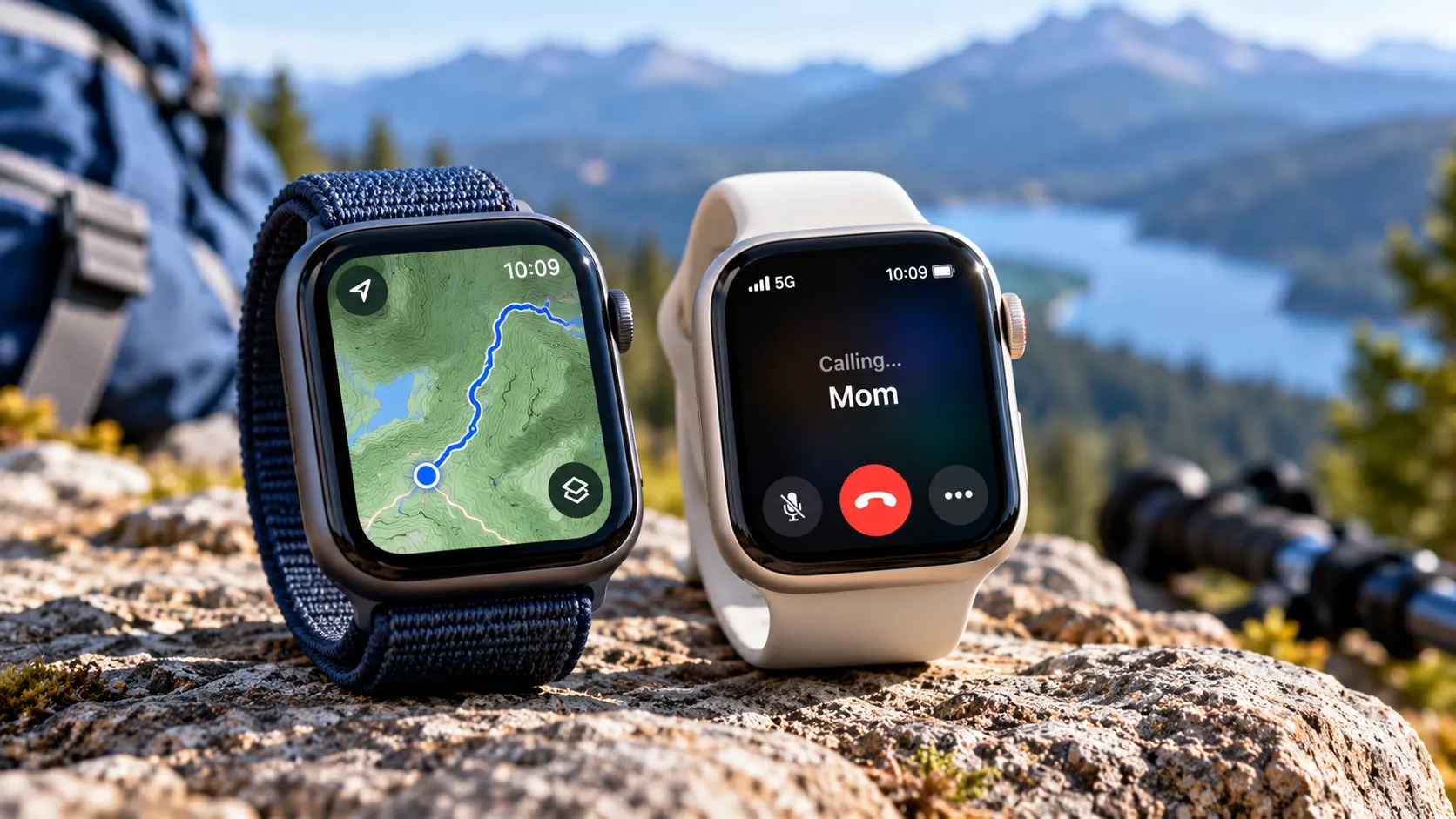
Apple Watch is where the fine print gets murky. Apple's device list names Apple Watch Series 9 or later, Watch Ultra 2 or later, and Watch SE 3 as compatible when paired with a supported iPhone. The same announcement separately says Siri AI testing for watchOS won't start until "a future watchOS 27 beta" (Apple's device availability list). Those two lines describe different things, hardware eligibility versus software rollout, and the research here doesn't confirm whether that future watchOS beta has shipped yet. Before assuming a paired Watch supports Siri AI, check Apple's current watchOS 27 beta release notes rather than taking hardware compatibility as a green light.
Language matters just as much as hardware. Apple Intelligence broadly supports 16 languages, but Siri AI's beta specifically requires the device set to English at launch. Apple says other languages will follow "quickly," which is a promise, not a schedule (Apple's device availability list).
Region is a harder wall than either of those. Siri AI won't reach iPhone in the European Union at launch because of the Digital Markets Act, and it's blocked in China pending regulatory approval (Scientific American). Neither is a setting you can toggle around; they're policy decisions sitting above the software entirely.
Last, check your build. If you're not enrolled in the beta program, general iOS 27 availability is expected in September (TechCrunch's hands-on review). Developer testing opened two months ago, with the public beta following last month (Apple's device availability list). These four checks aren't an explanation for why some people end up unimpressed with Siri AI. They're a filter, making sure you're testing the real thing before you form an opinion of it.
2. How to set up Siri AI on iPhone and enable personal-context search
Setup here comes with a caveat: Apple's announcement doesn't spell out an exact Settings path for switching on Apple Intelligence or Siri AI, and beta menus tend to shift between builds anyway. What follows is what's actually documented, plus where to look if a step doesn't match what's on your screen.
- Get onto iOS 27. If you're not already in the beta, enroll through the Apple Beta Software Program, or wait for the public release expected in September (TechCrunch's hands-on review).
- Set your device language to English. The Siri AI beta requires it at launch, even though Apple Intelligence broadly supports 16 languages; wider language support follows later (Apple's device availability list).
- Turn on Apple Intelligence. This is worth separating in your head from "Siri AI" itself: Apple Intelligence eligibility is the broader, device-level switch, and Siri AI's personal-context search rides on that switch being enabled. The research doesn't describe a separate toggle for Mail versus Photos versus Messages, so treat it as one system-wide capability rather than something you fine-tune app by app (TechCrunch's hands-on review).
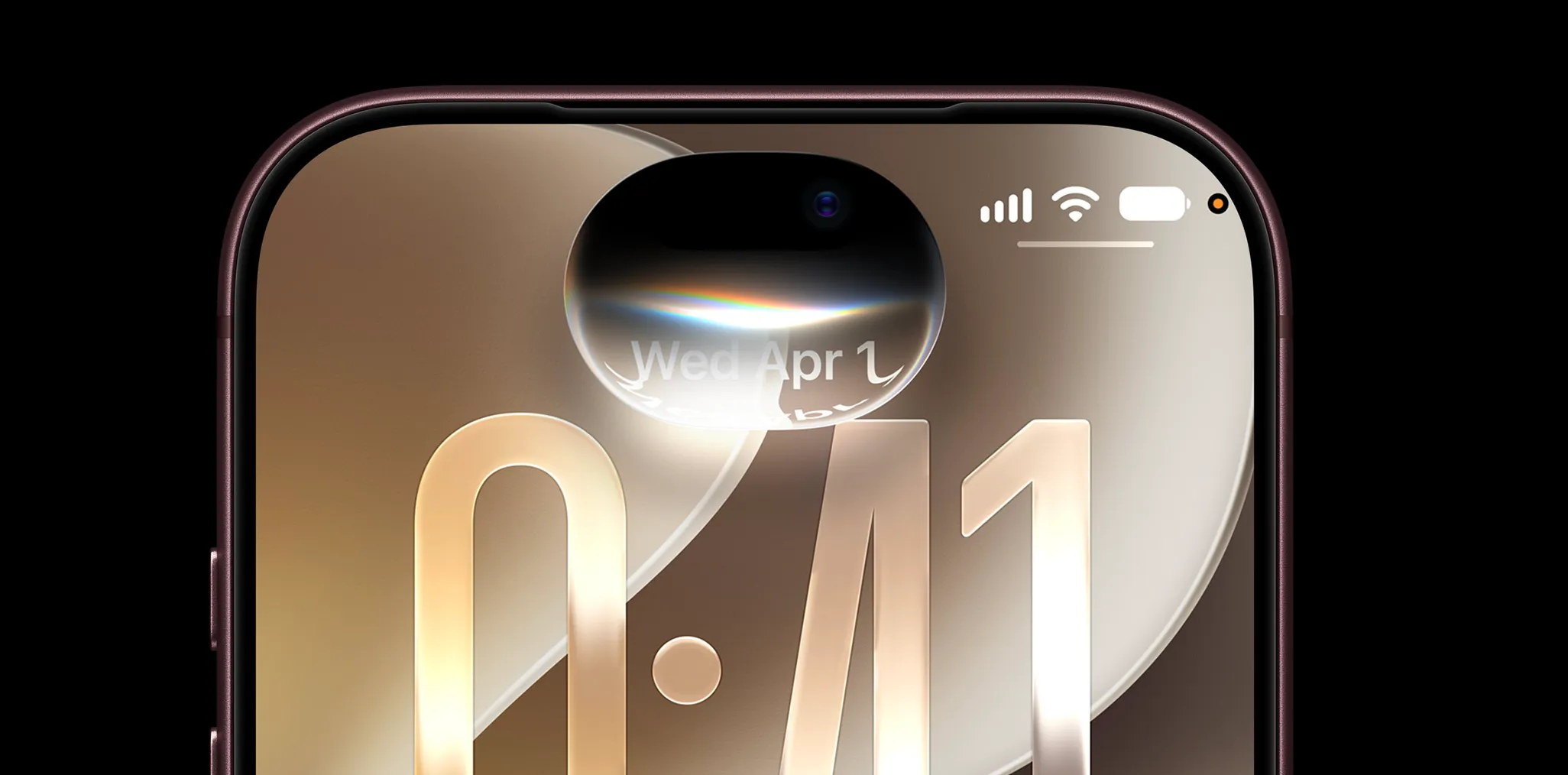
- Invoke Siri however suits you. Say "Hey Siri," press the side button, or swipe down from the Dynamic Island to start a conversation and get an in-depth answer (Apple's Siri AI announcement). Typing works too, and so does opening the dedicated Siri app, which keeps a synced history of past conversations across your devices (TechCrunch's hands-on review; Apple's Siri AI announcement).
If any of this doesn't line up with what you see, that's a beta inconsistency worth checking against Apple's own release notes, not a sign you missed a step.
How to use Siri to find photos, emails, and messages
Personal-context search is the feature TechCrunch keeps coming back to. Ask Siri to pull up the last receipt saved on your iPhone, without naming the app or what the receipt was for, and it finds it. The same capability extends to photos, contacts, texts, and calendar entries, surfacing them even when you're not sure exactly what you're looking for or where (TechCrunch's hands-on review).
That kind of reach requires trust, because it requires access. Multi-step tasks mean Siri needs to see into Mail, Photos, Messages, and Calendar, data Apple has historically kept walled off even from itself (Scientific American). Apple's counter is architectural: it says simpler functions run entirely on-device, while more complex requests route through Private Cloud Compute, where personal data isn't stored or made accessible to Apple or anyone else (Apple's Siri AI announcement).
There's a caveat worth carrying with you. Encryption protects data moving between your phone and Apple's servers, but it does nothing to stop an assistant from misusing access it's already been granted, a risk researchers call indirect prompt injection (Scientific American). Scientific American points to a comparable case from last year: researchers found a flaw nicknamed EchoLeak in Microsoft 365 Copilot, where a single planted instruction inside an email caused the assistant to leak data with zero clicks from the user. That documents a risk pattern in a comparable AI assistant, not a confirmed vulnerability in Siri.
That risk translates into one habit worth adopting from day one, and it doubles as the most useful Siri AI tip going: use Siri freely for search, brainstorming, and drafting, but review anything it prepares to send or share if the content originated in email, messages, or the open web, before it goes out. That's the exact chain security researcher Natalie Shapira flags as the real risk surface: "The challenge is the chain of permissions and actions that connects the model to multiple applications and services" (Scientific American).
3. Run four tests to see the new Siri AI features in action
These four tests give you a hands-on read on what's confirmed working in the current beta. Run them in order and you'll know within a few minutes what's real.
Test 1: personal search, typed. Ask Siri for something you can't fully describe, like "find the receipt I saved recently," without naming the app it's in. Success means it surfaces the right item (TechCrunch's hands-on review).
Test 2: world knowledge and onscreen questions, spoken or typed. Ask something time- and location-sensitive, like when a specific band or event is playing near you. Apple says Siri combines onscreen awareness with current web knowledge for exactly this kind of question, and TechCrunch confirms it returns correct, location-based answers (Apple's Siri AI announcement; TechCrunch's hands-on review).
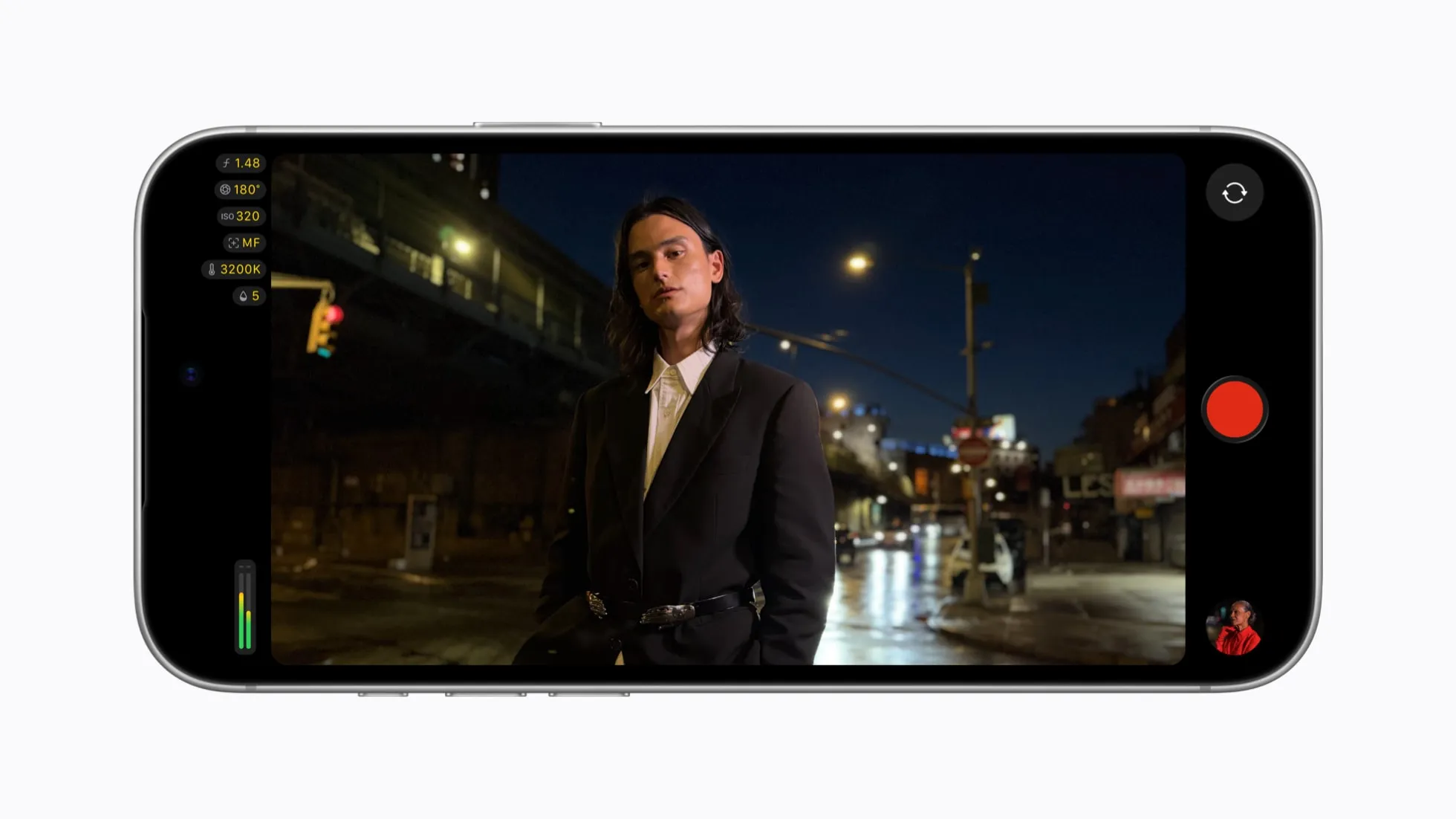
Test 3: visual search, using the Camera app's Siri mode. Point the camera at a physical object, or ask about a detail saved only in a photo, like a QR code you screenshotted for later. TechCrunch confirmed this in its own testing, though that reflects one reviewer's experience rather than a documented guarantee across every beta build (TechCrunch's hands-on review).
Test 4: a low-risk app action, voice is fine. Ask Siri to play a specific song, podcast, or audiobook in your preferred app. TechCrunch reports this now works consistently, calling it "a low bar to be sure, but one where Siri stumbled before" (TechCrunch's hands-on review).
Running search, knowledge, sight, and action in that order gives a fair, reproducible read on what's genuinely working today, rather than measuring Siri against a keynote demo you may not be able to reproduce on your own phone.
What a test result actually tells you
Sort what you saw by where it comes from, not by gut feeling:
- Confirmed in TechCrunch's hands-on testing of this beta: personal-context search, location-based event answers, Camera-based visual search, and consistent media playback (TechCrunch's hands-on review).
- Architecture claims from Apple, not independently verified by outside testing in this beta: on-device processing for simpler requests, and Private Cloud Compute's promise not to store or expose personal data (Apple's Siri AI announcement).
- Shown only at Apple's WWDC keynote, not confirmed to run the same way in the consumer beta: fully autonomous cross-app chaining, like the demo of Siri mining a Messages thread and drafting a party invitation without the user opening an app (Scientific American).
- Not available yet under Apple's own stated plans: languages beyond English, iPhone and iPad access in the EU, and access in China pending regulatory approval (Apple's device availability list; Scientific American).
A failed result on any of the four tests doesn't tell you why it failed. Recheck the eligibility conditions from Step 1, confirm you're actually running the supported beta build, and if the problem persists, report it through Apple's beta feedback channel rather than assuming your device is broken or the feature is fake.
Bottom line
Eligible beta testers have four bounded capabilities to try right now: search that understands vague requests, real-world questions answered correctly, a camera that recognizes what it's looking at, and media playback that finally behaves. Everyone else, meaning anyone outside the supported hardware, language, or region list, is better off waiting for the general iOS 27 release expected in September rather than chasing a beta that won't run on their setup (TechCrunch's hands-on review).
When that release lands, this same eligibility-and-testing routine extends to a much wider group of supported iPhone owners, not the entire lineup, since the hardware floor stays where it is today (Apple's device availability list). Until then, the honest way to judge Siri AI is against what these four tests actually show, not against a keynote demo nobody outside Cupertino has been able to reproduce.




Comments
Be the first, drop a comment!