



Apple's six major new product categories explained
Bloomberg's Mark Gurman said today that Apple has six entirely new product categories in active development simultaneously. The list, reported by 9to5Mac this morning, covers AI AirPods, smart glasses, a wearable pendant, a smart home display, a tabletop robot, and a security camera. That's a wide claim from one of Apple's most reliable reporters, and the categories are not equally supported by existing reporting.
Three belong to a new Apple Home family. Three are body-worn or body-adjacent. At least the home products are expected to rely heavily on a paired iPhone for Siri and other AI features, 9to5Mac reported today.
How certain is each of Apple's upcoming new product categories
Two of the six have meaningful reported detail. The smart display has a target window of this fall, a described form factor, and a named role as a HomeKit control hub, per Business Standard earlier this week. Smart glasses carry a potential unveiling window of late 2026 or early 2027, from the same source. Those two categories are developed enough to assess.
The pendant and tabletop robot are a different matter entirely. Both appear on Gurman's confirmed list, but no reliable reporting describes their target use case, pricing, or how they work. They exist on a credible list. That's the extent of what's known.
The security camera sits somewhere between the two groups. It's named as one of three new Apple Home products, alongside the smart display and tabletop robot, per 9to5Mac today. Beyond that framing, current reporting doesn't establish its feature set or timeline. Treating the six categories as a uniform batch would misread the state of the sourcing.
Why the home is Apple's most concentrated new product bet
Three of Gurman's six categories belong to a new Apple Home family, making the connected home the densest cluster in this roadmap, 9to5Mac reported today. No other grouping in the list contains three entries.
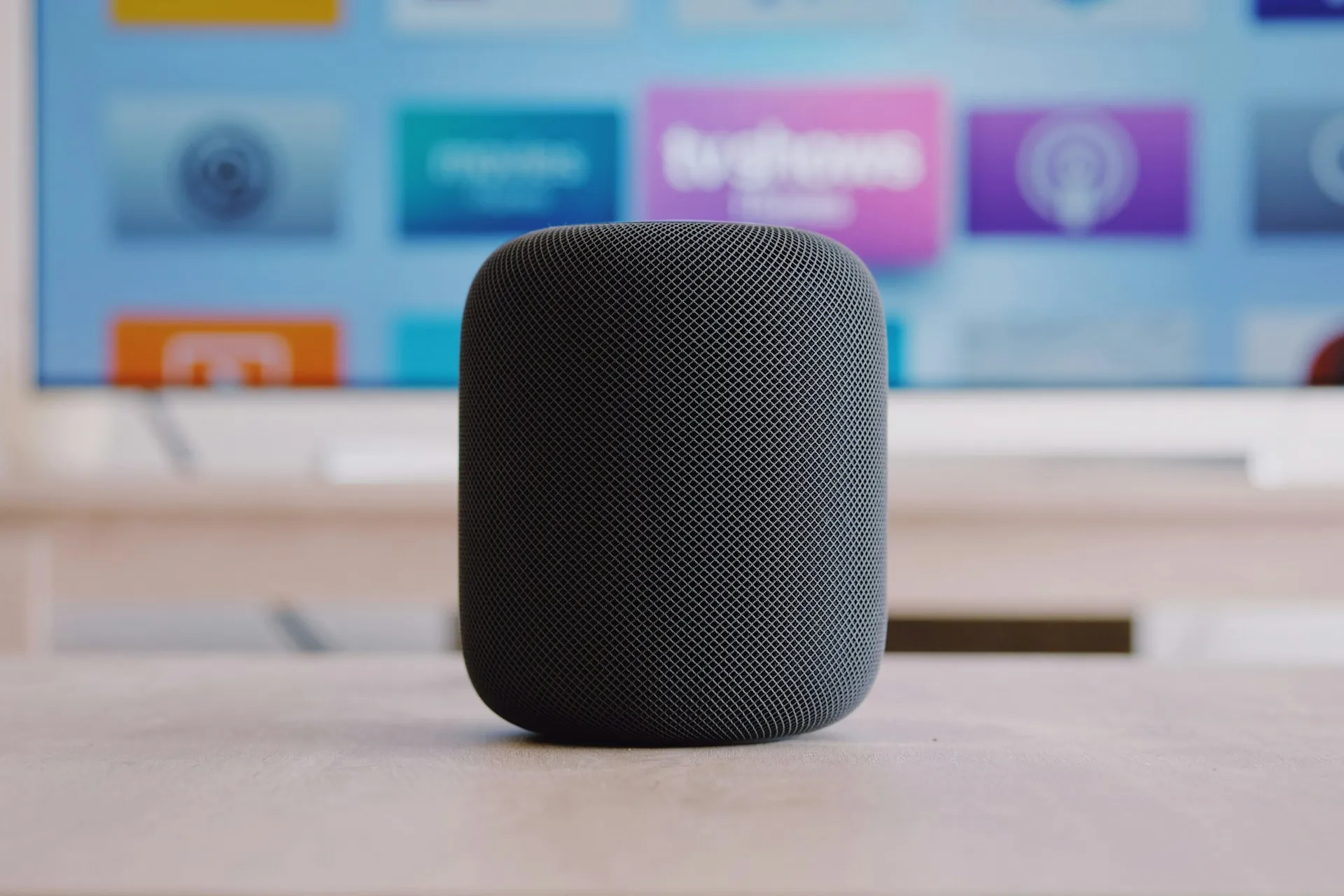
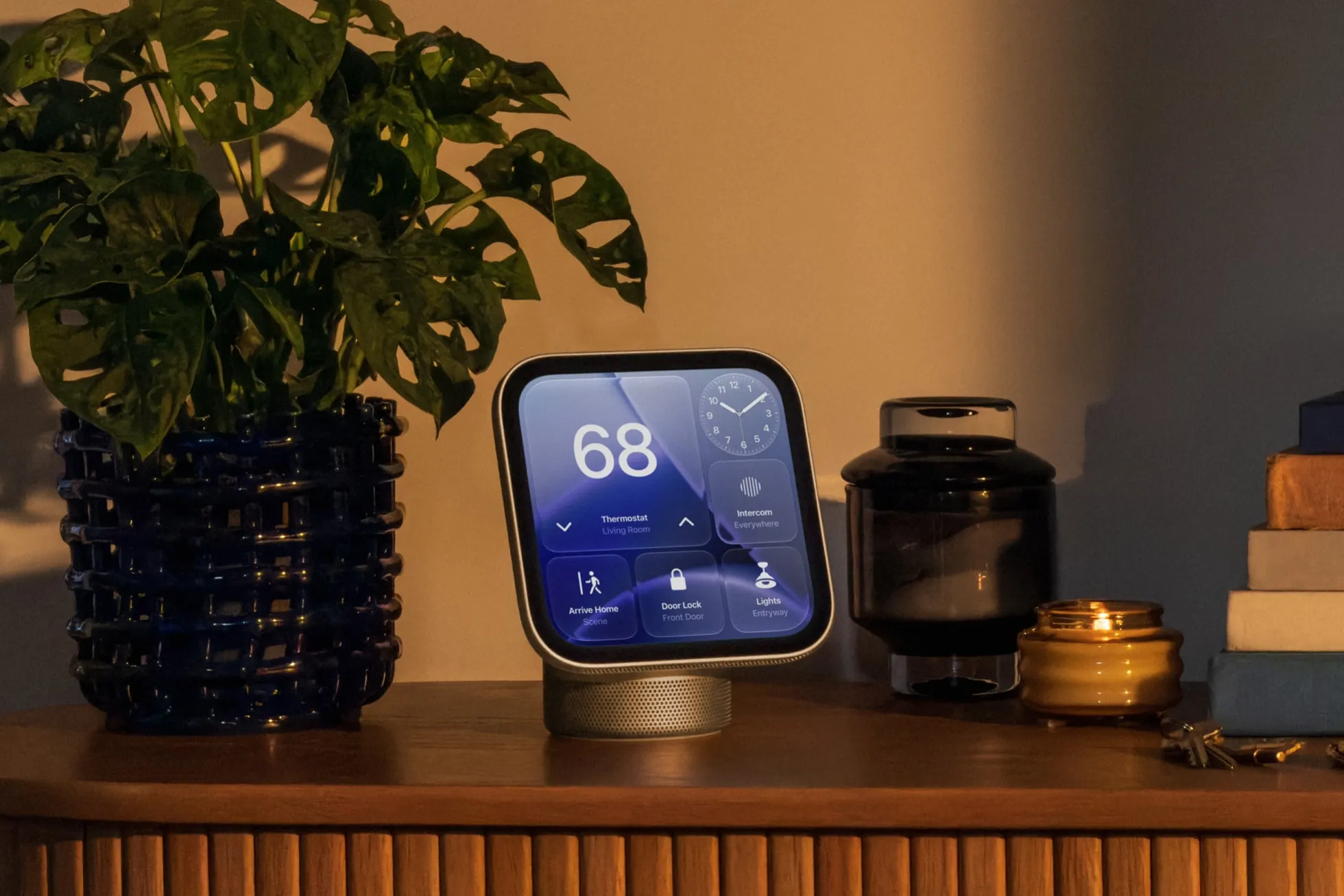
The smart display is the most developed of the three. Referred to in various reporting as either "HomePad" or "HomePod Touch," with neither name officially confirmed, it's expected to ship this fall. It's described as a central HomeKit control hub with a 7-inch touchscreen and a front-facing camera for FaceTime, according to Business Standard earlier this week.
All three home products are expected to rely heavily on a paired iPhone for Siri and other AI features, 9to5Mac reported today. That distinguishes Apple's reported approach from how Amazon and Google have built their home hardware, which routes intelligence through the cloud regardless of what other devices a user owns. Under Apple's reported model, the home products function as extensions of an iPhone customers already have, not as independent platforms.
How the security camera and tabletop robot fit into HomeKit, Apple Intelligence, or Apple's privacy framework isn't established in current reporting. The smart display is the only home product with enough confirmed detail to evaluate. If it ships this fall as expected, it becomes the first real test of whether the iPhone-dependent model works as a consumer proposition.
The body-worn bets: AI AirPods, smart glasses, and the pendant
Apple is working on smart glasses with a potential unveiling by late 2026 or early 2027, powered by an upgraded Siri, Business Standard reported earlier this week. How the glasses interact with that interface isn't detailed in current reporting. Meta's Ray-Ban glasses have already established that consumers will wear AI-embedded eyewear; Apple's version, whenever it arrives, enters a category with existing demand.
Next-generation AirPods Pro are also said to include built-in infrared cameras, with a launch targeted before year-end, per Business Standard. The connection between those camera-equipped earbuds and Gurman's "AI AirPods" category is strongly implied but not confirmed as the same product line in sourced reporting.
A rebuilt Siri interface is coming in iOS 27, visible in Apple's WWDC 2026 teaser materials, Bloomberg reported four days ago. Smart glasses and AI AirPods are the wearables most directly tied to that upgrade. The pendant's relationship to any of these AI features isn't established in current sourcing.
The pendant remains the most opaque entry in the list. No reporting describes what it does, who it's for, or what problem it solves. It appears here because it's on Gurman's confirmed list, not because there's a story to tell about it yet.
What could delay this roadmap, and what to watch
Memory shortages may already be affecting Apple's schedule. Gurman has reported that Apple may delay some device launches due to supply constraints, pushing certain windows to late 2026 or early 2027, per Business Standard earlier this week. Existing product lines face the same pressure: memory shortages could at least slightly delay the Mac Studio and a new touch-screen MacBook Pro, Bloomberg reported four days ago.
The deeper question isn't timing. It's whether iPhone-dependence reads as a feature or a limitation once these products are actually in stores. If the smart display, AI AirPods, and glasses require a paired iPhone for their most useful capabilities, Apple is betting that tight integration beats standalone flexibility. Amazon and Google built their home hardware on the opposite assumption. The reporting doesn't settle which bet is right, and neither will the product announcements.
Three things worth watching as this roadmap develops: whether the smart display ships this fall and earns buyers beyond the first-week crowd; whether the rebuilt Siri in iOS 27 is capable enough to make these accessories feel useful rather than half-finished; and whether Apple keeps these products iPhone-tethered at launch or quietly loosens that dependency as each category matures. That last point would reveal something about whether the iPhone-hub framing is a long-term architectural commitment or a launch-window constraint.
The smart display is the nearest hard deadline. It's the most defined product on Gurman's list, the closest to a confirmed ship window, and the category where Apple has the most direct answer to give Amazon and Google. If it lands well, the remaining five categories become easier to take seriously. If it doesn't, the questions follow the whole roadmap.




Comments
Be the first, drop a comment!