



Artemis II Crew iPhone Videos: Why NASA's Camera Policy Matters
Before Jared Isaacman posted on X in February, the newest camera assigned to a mission that would send humans around the Moon for the first time since Apollo 17 in 1972 was a 2016 Nikon DSLR. The GoPros alongside it were roughly a decade old. That's the context for the Artemis II crew iPhone videos now circulating online, and it's a more useful frame than the footage itself.
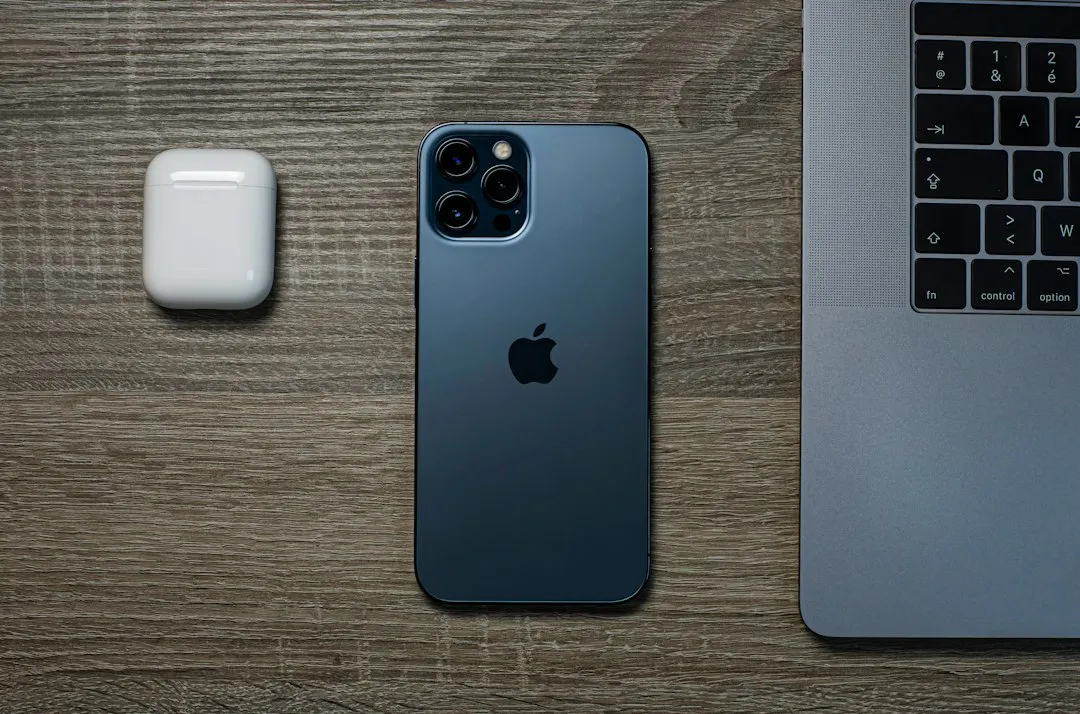
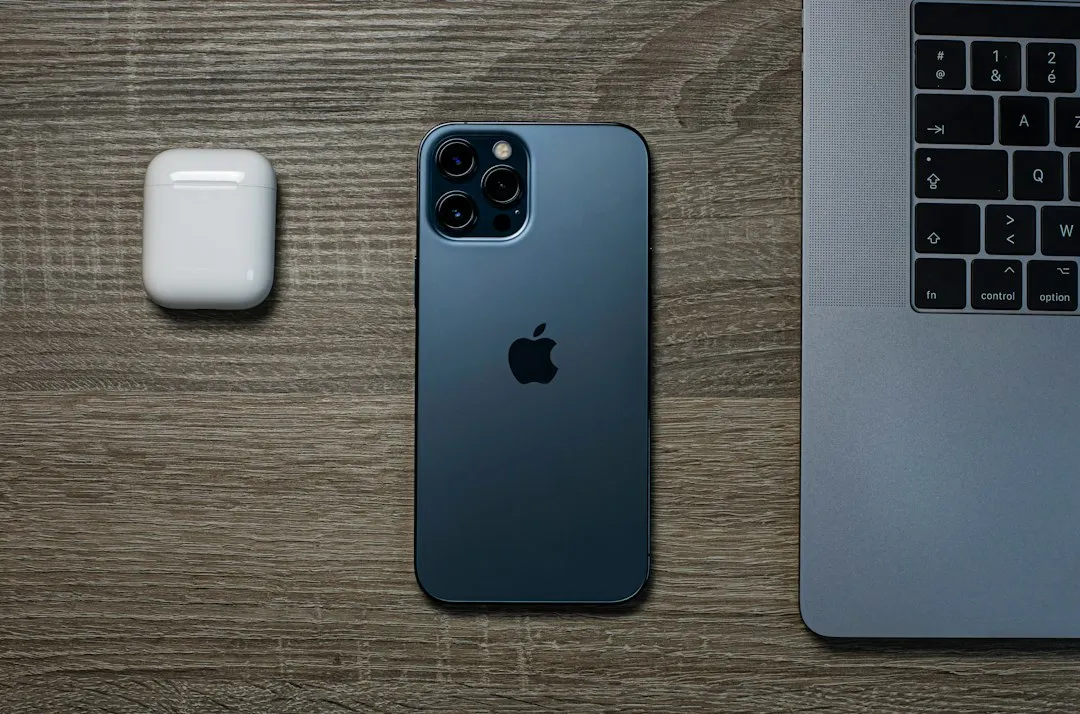
Isaacman, NASA's administrator Jared Isaacman, according to reports, announced that astronauts on Crew-12 and Artemis II would fly with current-generation smartphones, including iPhones, according to Ars Technica (February 5, 2026). The announcement came from his personal X post, not a NASA agency document. No NASA.gov source independently confirms the policy change, so the claim belongs to Isaacman as reported by Ars Technica, not to the agency as an institution. That distinction matters for what this story can and can't support.
Video of the crew using a smartphone in orbit has since surfaced, though it traces to a secondary aggregator and should be read as illustrative rather than as independent confirmation of anything.
What Artemis II crew iPhone videos actually document
Artemis II is NASA's first crewed mission under the Artemis program, putting Reid Wiseman, Victor Glover, Christina Koch, and Canadian Space Agency astronaut Jeremy Hansen on a roughly 10-day journey around the Moon, per NASA+ (published March 25, updated April 1). The mission is also the first time humans have tested Orion's life support systems in space. That stakes level makes everything aboard more than incidental.
Isaacman's X post offered two separate rationales for the smartphone decision. The first was about crews: "We are giving our crews the tools to capture special moments for their families and share inspiring images and video with the world," Ars Technica reported him writing. Reasonable and humanizing. The second rationale was the one with actual institutional weight.
He wrote that NASA had "challenged long-standing processes and qualified modern hardware for spaceflight on an expedited timeline," per Ars Technica. That sentence reframes the iPhone from a crew perk into a stress test on the agency's qualification machinery. He connected it directly to mission ambition, writing that the same "operational urgency" behind fast-tracking smartphone approval would serve NASA as it pursues "the highest-value science and research in orbit and on the lunar surface." He called it "a small step in the right direction." Take that language at face value. He claimed a narrow, concrete result, not a systemic overhaul.
Why cameras from 2016 were booked for a lunar mission
The imaging gap is worth dwelling on, because it explains how you arrive at a situation where astronauts going around the Moon were scheduled to shoot on decade-old gear.
Qualifying any piece of hardware for crewed spaceflight means demonstrating it won't fail, catch fire, emit electrical interference, or degrade under radiation in ways that compromise the mission. The process is thorough by design. The problem is that its timelines evolved around aerospace hardware that updates on decade-long cycles. A Nikon DSLR from 2016 stays on the approved manifest not because anyone actively chose to keep it there, but because nothing triggered a review. Consumer hardware that's objectively better sits outside the list by default, and the clock on qualifying it starts only when someone decides to push it through.
Smartphones have been in orbit before, just not in any systematic way. Two iPhone 4 units flew on the final Space Shuttle mission in 2011, though whether the crew ever used them is unclear, Ars Technica noted. Over the past decade, ISS astronauts have mostly relied on tablets for internet access and family communication. The smartphone, for all its processing power and camera capability, never made it onto the standard government manifest.
Private missions moved faster. Isaacman's own Polaris flight included smartphones, as did multiple Axiom missions to the station, all without apparent incident, per Ars Technica. That track record matters. Flying consumer devices on commercial crewed missions to low Earth orbit isn't the same as qualifying them for a government mission beyond it, but it does reduce the uncertainty. Isaacman brought that commercial experience with him to NASA, and the smartphone decision reflects it directly.
What the available sourcing doesn't confirm is how the expedited qualification actually worked: the radiation tolerance thresholds used, how battery handling was assessed in a spacecraft environment, whether the devices are personally owned or agency-issued, and what software configuration was required. Those details haven't been made public. The stronger claim is simpler: astronauts using iPhones in space on a government lunar mission is new, and the process that got them there was deliberately compressed.
What the approval signals, and what it doesn't
The forward-looking question is whether qualifying a consumer device under time pressure on a high-profile mission becomes a template, or whether it stays a one-time call made by one administrator. Artemis II laying groundwork for Artemis III and subsequent lunar surface missions, per NASA+, means the hardware decisions made now have compounding effects. Smartphones performing reliably across 10 days at lunar distance strengthens the case for approving other current commercial hardware on future flights, but that case still has to be made explicitly each time.
What the iPhone approval does not establish:
That NASA has revised its certification culture across the board
That consumer devices will be fast-tracked in categories beyond documentation hardware
That the compressed timeline applied here can be replicated for safety-critical systems
A camera policy is a narrow data point. The more consequential test would be whether NASA extends current-device qualification to communication hardware, health monitoring tools, or scientific instruments on routine missions, not just headline-generating ones. That's where the procedural change would actually register. Crews on ISS and Artemis III getting access to current commercial hardware as a matter of standard process, rather than as an exception carved out by a particular administrator, is the result that would indicate something durable happened.
The risk is that the expedited process exists as a statement on X, covered by one outlet, with no published agency documentation behind it. Isaacman came from commercial spaceflight and had direct incentive to push this change through. If the framework he described doesn't get formalized into written agency policy, it may not survive a leadership transition.
Three things the sourced material confirms: Isaacman announced that iPhones and current smartphones were being qualified for Artemis II and Crew-12 under a deliberately compressed process, as reported by Ars Technica in early February; Artemis II is the first crewed Artemis flight and the first human test of Orion's life support systems, making it the most demanding environment NASA has put people in since Apollo, per NASA+; and the imaging baseline it replaced was hardware roughly a decade old, per Ars Technica.
Watch whether the next crewed NASA mission arrives with an equally current manifest. That will answer more than any press release.



Comments
Be the first, drop a comment!