



iOS 27 Siri redesign: what Apple is building and what remains unproven
Apple plans to transform Siri from a voice command shortcut into a persistent AI layer running through search, the keyboard, third-party apps, and the Dynamic Island. According to Bloomberg reporting relayed by MacRumors this week, the iOS 27 Siri redesign will give the assistant the ability to answer open-ended questions drawing on web results, read what's on your screen, pull context from messages and photos, and complete multi-step tasks across apps. By all accounts, it's the biggest change to the assistant since it launched.
That's the claim. Here's what's actually reported.
The redesigned Siri, internally codenamed Campos, is planned as the headline feature of iOS 27, iPadOS 27, and macOS 27, with Apple otherwise focusing on bug fixes and performance improvements, MacRumors reported four months ago. Apple plans to introduce the new Siri at WWDC on June 8, less than four weeks from now, after which iOS 27 developer testing begins. The overhaul follows Apple's acknowledged failure to ship the AI-powered Siri improvements it promised for iOS 18 in 2024, features that were pulled because they didn't work reliably enough, as Ars Technica confirmed four months ago.
What makes this worth examining before WWDC is the gap it's trying to close. Not just against ChatGPT, but against the version of Siri Apple already promised and couldn't deliver.
What's newly reported this week
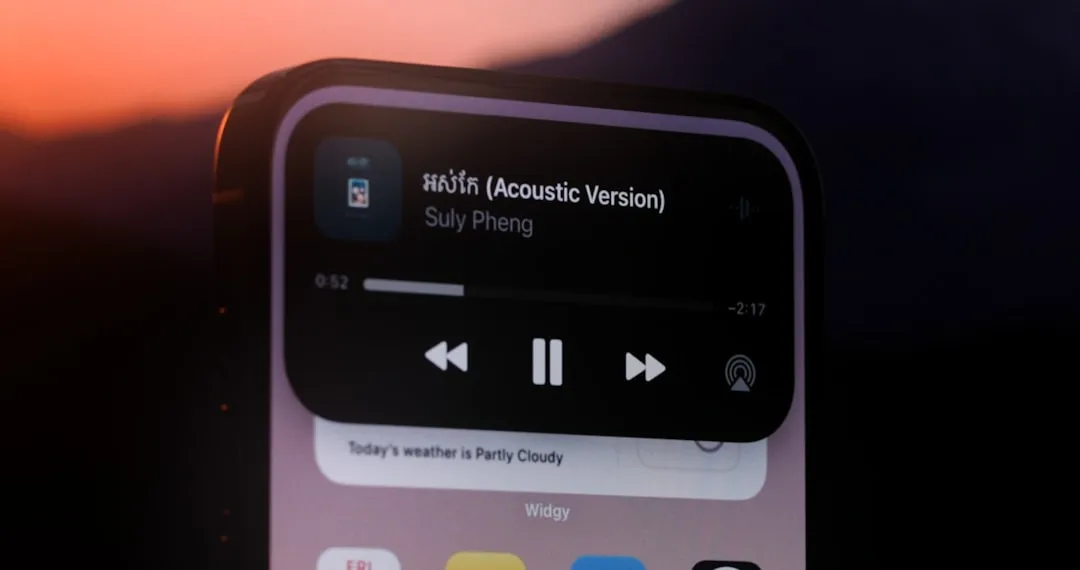
The May 12 Bloomberg report relayed by MacRumors adds several UI details that hadn't surfaced before. A new "Search or Ask" interface, triggered by swiping down from the top center of any screen, is expected to replace Spotlight as the primary search entry point. Siri will now also live in the Dynamic Island: a pill-shaped animation appears while a request processes, then expands into a translucent results card. That card can be swiped into a full conversation view, populated with contextual cards for weather, notes, and upcoming appointments.
The dedicated Siri app is also newly confirmed this week a direct reversal of Bloomberg's own earlier position that no such app was planned, per MacRumors seven weeks ago. Apple also plans to let users set third-party AI services as the default for Apple Intelligence features including Writing Tools and Image Playground, a platform-control loosening first reported this week.
The earlier reporting from January and March established the foundation: Campos as the internal codename, the custom Gemini-based model, cross-app actions, onscreen awareness, and integration into Apple's first-party apps. This week's report layers the visual design and specific UI patterns on top.
What the new Siri can do that the current one cannot
The most consequential changes are functional, not cosmetic. The new Siri is being rebuilt on a large language model foundation, specifically a custom model based on Google's Gemini, confirmed through a multi-year partnership Apple announced four months ago.
Apple didn't disclose the financial terms, but Gurman reported Apple would pay Google about $1 billion a year for model access, according to Ars Technica. Queries will run on Apple's Private Cloud Compute servers, keeping user data off Google's infrastructure. The new Siri is expected to handle open-ended questions that draw on web results and return visually rich responses with bullet points and large images, MacRumors reported this week. It will also analyze uploaded documents and photos, summarize content from within Photos, Mail, Messages, and Music, and read what is currently on the user's screen to give context-aware answers, per MacRumors' earlier reporting.
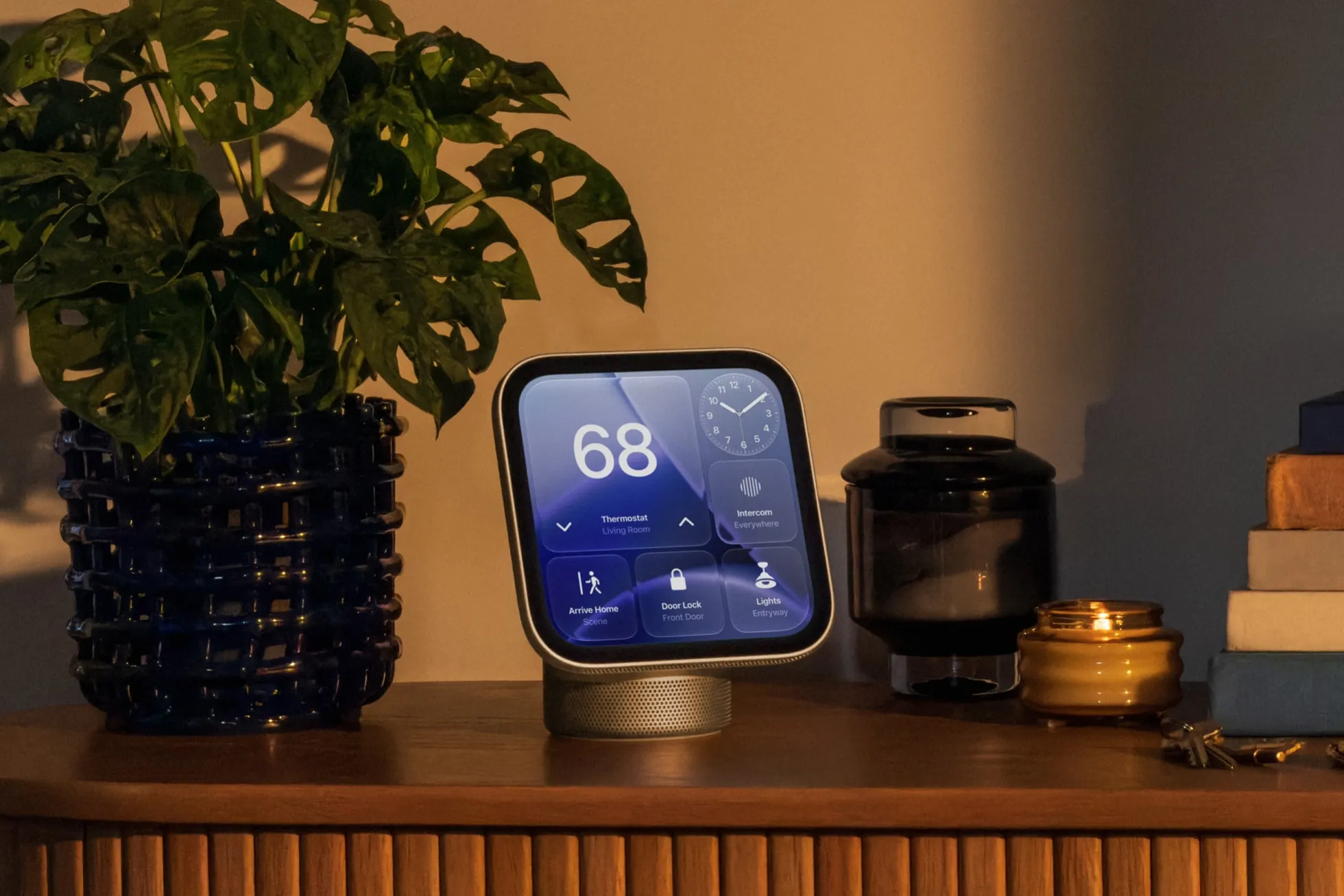
The bigger shift is that Siri is supposed to act, not just answer. The assistant is expected to process multiple actions in a single request asking it to turn off the bedroom lights and adjust the thermostat would be handled as one command rather than two, 9to5Mac noted six weeks ago. ChatGPT and Gemini can answer questions about smart home devices. Neither can control them from inside the OS without a separate app handoff.
No standalone chatbot has simultaneous access to what's on your screen, your personal app data, and the ability to take action across the operating system. That combination LLM capability plus system-level access is the structural argument for why the iOS 27 Siri redesign is something different from a smarter voice assistant.
Where the iOS 27 Siri chat interface appears
Because the new Siri is a system layer rather than a single feature, it surfaces in several places at once. Understanding where matters for judging whether this represents a genuine behavioral shift for iPhone users.
System-wide presence
The "Search or Ask" interface replaces Spotlight as the primary search entry point, expected to display more advanced results and pull deeper data from within apps, MacRumors reported this week. Siri Suggestions will also gain greater access to personal user data to surface more relevant prompts, per MacRumors' March reporting. Apple is reportedly testing "Ask Siri" buttons in third-party app menus, letting users send app content directly to Siri alongside a request, and a "Write with Siri" option in the iOS keyboard, 9to5Mac reported six weeks ago.
The Dynamic Island is where the redesign becomes most visible. When activated via wake word or side button, a pill-shaped animation appears while Siri processes a request, then expands into a translucent results card. Longer requests complete in the background while the user continues using the phone normally, per 9to5Mac.
The dedicated Siri app on iPhone
For the first time, Siri will exist as a standalone Home Screen app. The main interface will display prior conversations as a grid of rounded rectangles with text previews, a search bar, and a "+" button for new sessions. Users will be able to pin favorite chats, save older conversations, and search across interactions, 9to5Mac reported. The conversation view resembles a Messages thread: chat bubbles, a text entry field, a voice toggle, and the ability to upload documents and photos for analysis, per MacRumors' March reporting. Swiping on a Dynamic Island results card opens this same conversation mode, populated with those contextual cards for weather, notes, and appointments.
The two-track design ambient system presence plus a persistent app puts Siri in more entry points than before. Whether that changes how people actually use their phones depends on whether the underlying capability earns sustained use, which is a separate question from whether the interface is well-designed.
Apple's AI strategy: Gemini inside, rivals in the menu
The iOS 27 redesign also reflects an architecture shift that faces outward. Apple is no longer insisting Siri handle everything itself.
The existing ChatGPT integration will be extended via an expanded "Extensions" system to support Claude, Gemini, and other third-party models. Users will be able to switch between AI providers directly from the system search bar, with Siri as the default, Bloomberg reported seven weeks ago. Apple also plans to let users set third-party AI services as the default for Apple Intelligence features including Writing Tools loosening platform control the company has historically kept tight, MacRumors reported this week.
The user-facing consequence is that the choice of AI model becomes a settings decision rather than something Apple decides for you. Siri remains the routing layer, the thing you invoke first, but it no longer has to be the thing that answers.
On privacy, Apple has drawn a clear distinction: running Gemini on Private Cloud Compute means queries don't reach Google's systems directly. The company has also stated its longer-term goal is to replace third-party models with its own, suggesting the current Gemini arrangement is a means to an end rather than a settled strategy, as Ars Technica noted four months ago. Whether Apple holds its default position over time will depend on whether Siri's own capabilities keep pace with its rivals.
What we still don't know ahead of WWDC
Much of the reporting above describes features Apple is testing or planning. The June 8 keynote will be the first moment Apple has to demonstrate these capabilities working in practice, and several important questions remain open.
- Which specific features ship with iOS 27's initial release versus later point updates has not been confirmed. Apple used staggered rollouts for Apple Intelligence in iOS 18 and iOS 26; current reporting doesn't address whether the same pattern applies here.
- Hardware compatibility for the Dynamic Island-centric interface has not been addressed in any reporting. Users on older iPhones without the Dynamic Island may get a meaningfully different experience, but no details have surfaced on what that looks like.
- Developer API access how third-party apps integrate with the new Siri, what permissions are required, how user consent works remains largely unaddressed.
- The claim that the new Siri will compete with ChatGPT and Claude is Apple's framing, relayed through reporting. No independent benchmarking or live demo evidence exists yet.
The credibility test
Apple heads into WWDC carrying real credibility debt. The personal context knowledge, onscreen awareness, and cross-app action features it announced for iOS 18 in 2024 were pulled because they didn't work reliably enough, as Ars Technica confirmed four months ago. Those same categories of capability are now central to the iOS 27 pitch, per 9to5Mac.
The keynote should be evaluated on specific proof points. Does Apple demonstrate onscreen awareness working live, not in a scripted video? Do cross-app actions execute without visible failures? Are the features shown confirmed for day-one release, or described as "coming later"? Those distinctions matter more than the design of the app or the length of the feature list.
If the new Siri ships as described, it would offer something no standalone chatbot currently does: LLM-level capability combined with system-level access to personal data, onscreen context, and OS actions, running across search, the keyboard, app menus, and a persistent app. If it doesn't ship complete, or ships and underperforms, the window for Apple to reestablish Siri as a serious AI assistant gets significantly narrower.
The ambition is clear from the reporting. What June 9 will reveal is whether any of it actually works.




Comments
Be the first, drop a comment!