



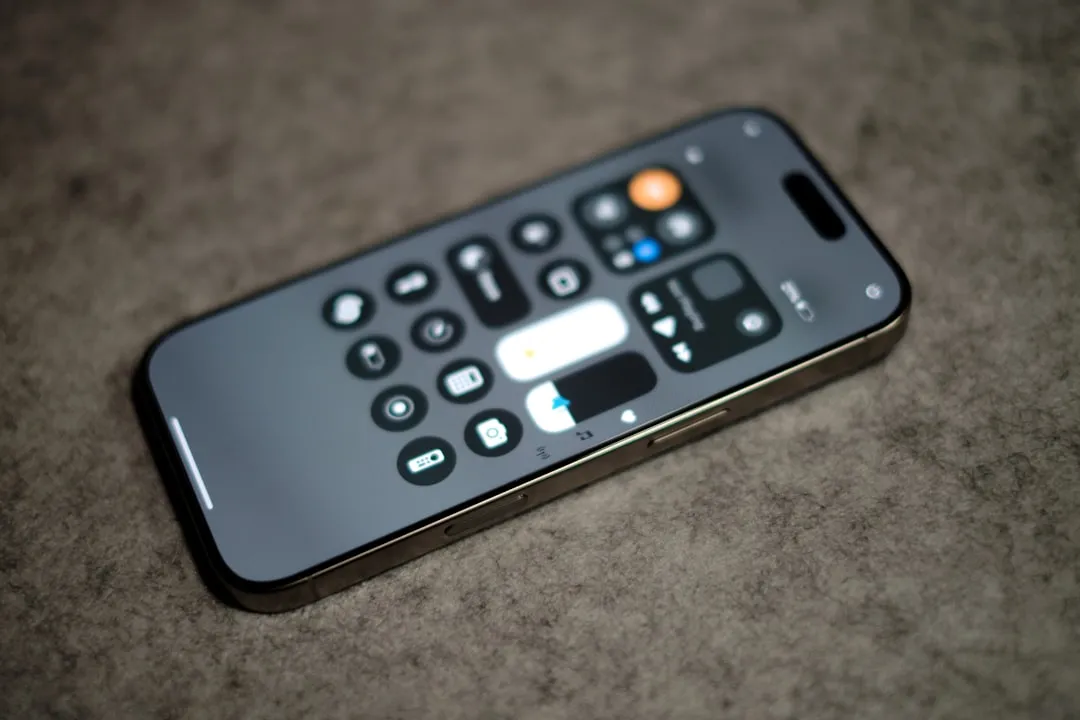
Apple's iPhone 18 Pro is generating serious buzz in the tech community, and for good reason. The latest rumors suggest we're looking at one of the most significant camera upgrades in recent iPhone history, with exclusive features that could finally give Pro models the differentiation they've been lacking. While the standard iPhone 18 will likely stick with incremental improvements, reports indicate the Pro lineup is getting variable aperture technology that could transform mobile photography as we know it.
The camera upgrade rumors aren't just wishful thinking from tech enthusiasts. Trusted analyst Ming-Chi Kuo first highlighted variable aperture as a major 2026 upgrade back in late 2024, and recent supply chain reports confirm Apple has reached the sampling stage for this technology. What makes this particularly compelling is Apple's strategic timing—these hardware innovations maintain the Pro models' appeal while the iPhone Fold launches alongside the iPhone 18 series, targeting different user priorities.
What makes variable aperture such a game-changer?
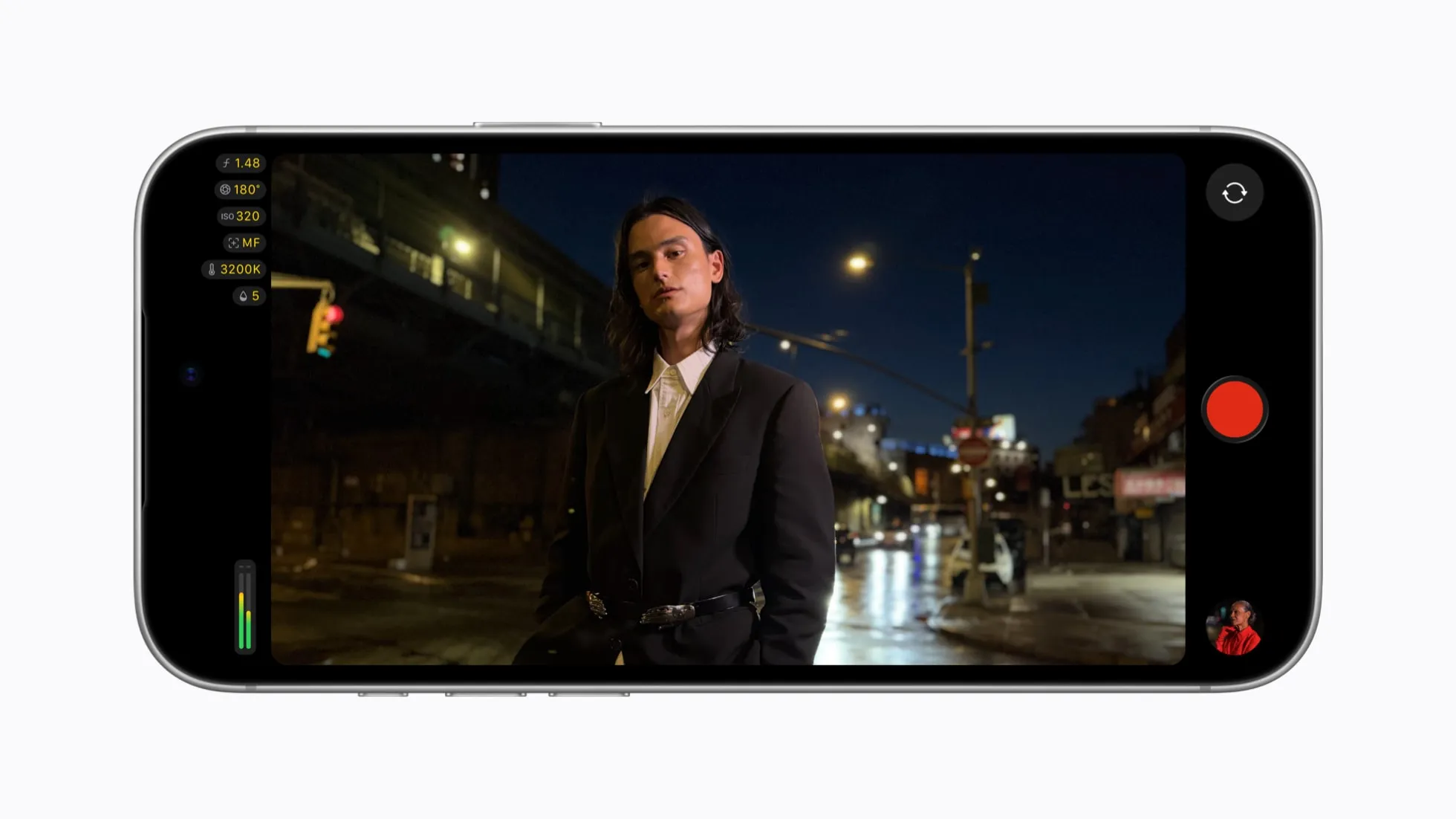
Let's break down why photographers and videographers should be excited about this rumored upgrade. Currently, all iPhone wide-angle shots are captured at a fixed f/1.78 aperture, which limits creative control over depth of field and exposure. Variable aperture technology would allow the camera to physically adjust how much light enters the sensor, giving users DSLR-like control over light intake and depth of field.
What sets this apart from previous iPhone camera advances is the shift from pure software solutions to mechanical precision. This advancement could deliver enhanced depth-of-field effects and improved low-light performance without relying solely on software. In real-world terms, portrait photographers could shoot wide open at f/1.4 for dramatic subject isolation, then stop down to f/4 for group shots without changing position or relying on computational tricks.
For video creators, the implications extend beyond static photography. Variable aperture could improve exposure control by reducing light optically, helping maintain natural motion blur and smoother exposure transitions in challenging lighting conditions. This addresses one of mobile videography's persistent challenges: maintaining consistent exposure when moving between different lighting zones.
The telephoto improvements complement this main camera upgrade perfectly. Recent testing reports from Digital Chat Station suggest Apple is evaluating both variable aperture for the main camera and a large aperture telephoto lens, which could finally address the iPhone's historical weakness in telephoto low-light performance—something any concert photographer knows intimately.
How Apple differentiates Pro from standard models
Apple's strategy for the iPhone 18 lineup appears focused on creating clear hardware distinctions that justify the Pro premium. The variable aperture feature may be exclusive to the iPhone 18 Pro Max, though some reports suggest both Pro models could receive the upgrade. This exclusivity becomes strategically important when considering the iPhone Fold won't be able to deliver flagship camera performance due to form factor constraints.
Apple's approach involves simultaneous improvements across multiple camera systems. Beyond the main camera upgrade, Apple is testing improvements to both main and telephoto cameras with larger apertures, promising significant advances in night photography capabilities. The Pro models are also expected to feature a three-layer stacked image sensor potentially sourced from Samsung, which could enable faster image processing, reduced noise, and increased dynamic range.
This hardware focus reflects broader competitive pressures driving Apple's innovation timeline. Apple is also considering a teleconverter system alongside the variable aperture, which would provide additional optical flexibility for zoom photography, though this feature is still under evaluation. The comprehensive camera overhaul responds to Android and HarmonyOS competitors working on "super enhanced" imaging systems to challenge the iPhone's photography reputation.
Impact on mobile photography workflows
The iPhone 18 Pro's camera upgrades could fundamentally change how professionals and enthusiasts approach mobile photography. Moving away from fixed-lens design to mechanical iris control means less reliance on computational photography for depth of field effects, potentially delivering more natural-looking results.
For content creators, the practical applications span multiple creative scenarios. Variable aperture enables smoother exposure transitions in dynamic lighting and provides creative effects like starbursts in bright conditions or controlled exposure in high-contrast scenes. Wedding photographers could seamlessly transition from bright outdoor ceremonies to dimly lit receptions, adjusting aperture mechanically rather than relying solely on ISO adjustments. The technology also promises superior low-light performance by gathering more light and reducing noise.
However, realistic expectations matter when evaluating this upgrade. Mechanical complexity introduces risks like dust ingress, added thickness, or reliability issues, and the impact on small smartphone sensors may be more subtle than DSLR equivalents. Apple's engineering team faces the challenge of delivering meaningful optical improvements while maintaining the iPhone's reliability standards and sleek form factor.
Should you wait or upgrade now?
The decision to wait for the iPhone 18 Pro depends largely on your photography priorities and current device. Bloomberg's Mark Gurman characterizes the iPhone 18 Pro as featuring "minor tweaks" with variable aperture as a highlight amid modest changes, suggesting this won't be a revolutionary upgrade across all areas.
For photography enthusiasts, several factors make the wait compelling. This represents Apple's first physical variable aperture system, moving beyond the fixed f/1.78 aperture used since the iPhone 14 Pro era. Combined with the 2nm A20 Pro chipset and improved battery capacity potentially reaching 5,000-5,200 mAh, the iPhone 18 Pro could offer significant improvements in both creative capability and daily usability.
Current iPhone 15, 16, or even 17 users might find the camera upgrade compelling enough to justify the wait, particularly if mobile photography drives their purchase decisions. The convergence of variable aperture, improved telephoto performance, and enhanced computational photography integration could represent a meaningful generational leap.
However, uncertainty remains part of the equation. Apple is still running parallel tests and could drop features if they don't meet quality standards, as happened with variable aperture rumors for the iPhone 17 series. This testing approach reflects Apple's commitment to quality over feature rushing, but creates inherent unpredictability in final specifications.
What this means for the future of iPhone photography
The iPhone 18 Pro's rumored camera upgrades represent more than just spec improvements—they signal Apple's commitment to maintaining hardware differentiation in an increasingly competitive market. The company faces pressure from Android and HarmonyOS competitors working on "super enhanced" imaging systems, making these optical advances crucial for maintaining the iPhone's photography reputation.
Expected to launch in September 2026 with pricing likely starting around $1,099 for the Pro and $1,199 for the Pro Max, the iPhone 18 Pro could mark a turning point where Apple balances computational photography with genuine optical innovation. The integration of variable aperture with Apple's existing computational photography promises the best of both worlds—mechanical precision enhanced by software intelligence.
The strategic positioning becomes particularly interesting when considering Apple's broader product lineup. The iPhone Fold won't be able to deliver flagship camera performance, creating clear product differentiation where form factor innovation (the Fold) and camera innovation (the Pro) serve distinct user priorities. This segmentation allows Apple to pursue multiple premium strategies simultaneously.
As we await official confirmation, the iPhone 18 Pro appears positioned to offer meaningful camera improvements for photography enthusiasts, even if other aspects of the device represent more incremental updates. For anyone serious about mobile photography, this could be the upgrade that finally delivers DSLR-like control in a smartphone form factor—making the Pro premium genuinely worth the investment.




Comments
Be the first, drop a comment!