





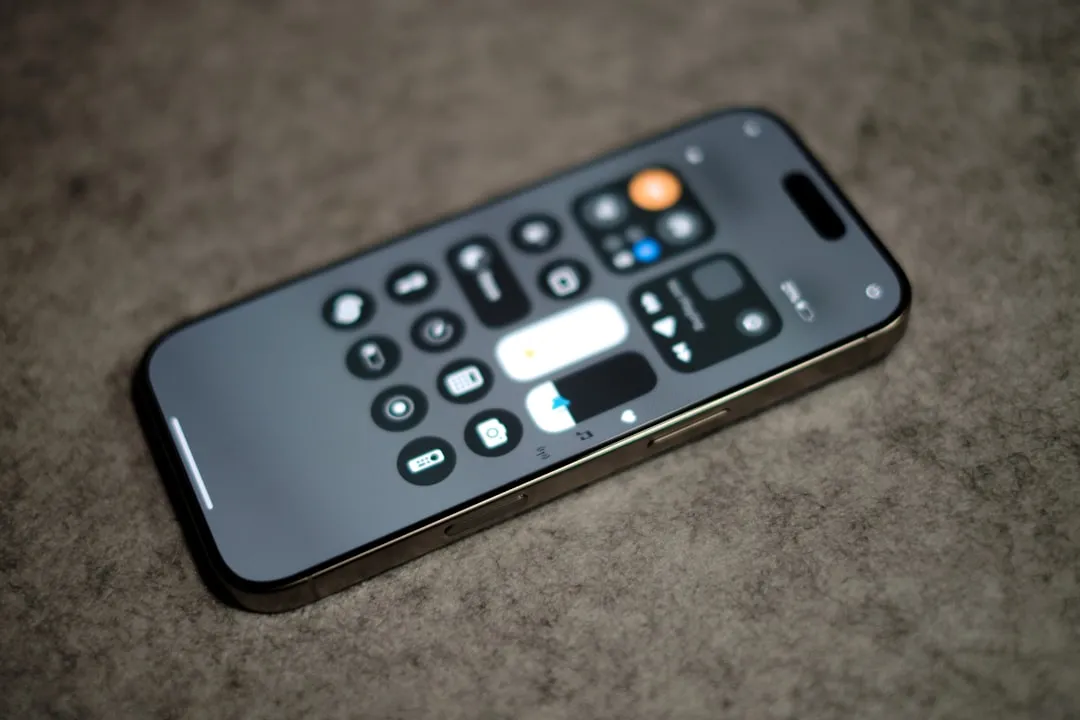
iPhone 18 Pro Camera Upgrades Move Into Active Production
Apple's supply chain has begun manufacturing components for a variable-aperture main camera expected in the iPhone 18 Pro, with three named suppliers now in active production, Cult of Mac reported two weeks ago, citing ETNews. The development adds hard supply-chain evidence to a rumor that analyst Ming-Chi Kuo and Weibo leaker Digital Chat Station had already flagged separately. Apple has never implemented a variable aperture on an iPhone, MacRumors noted last week, making the iPhone 18 Pro camera upgrades a meaningful departure from the fixed-aperture hardware the company has shipped for years.
Sunny Optical has started manufacturing the actuator mechanisms that physically move the aperture blades, while LG Innotek is installing dedicated equipment at its Gumi, South Korea facility ahead of module assembly scheduled for June or July, Cult of Mac reports. Camera modules of this complexity typically enter full production two to three months before a device ships, with actuator components feeding into them at least a month earlier, according to the same report. That cadence puts the timeline on track for what is expected to be a September 2026 launch, though the source language carries the appropriate hedge: the production schedule is consistent with that window, not a guarantee of it.
What the iPhone 18 Pro camera upgrades would actually change
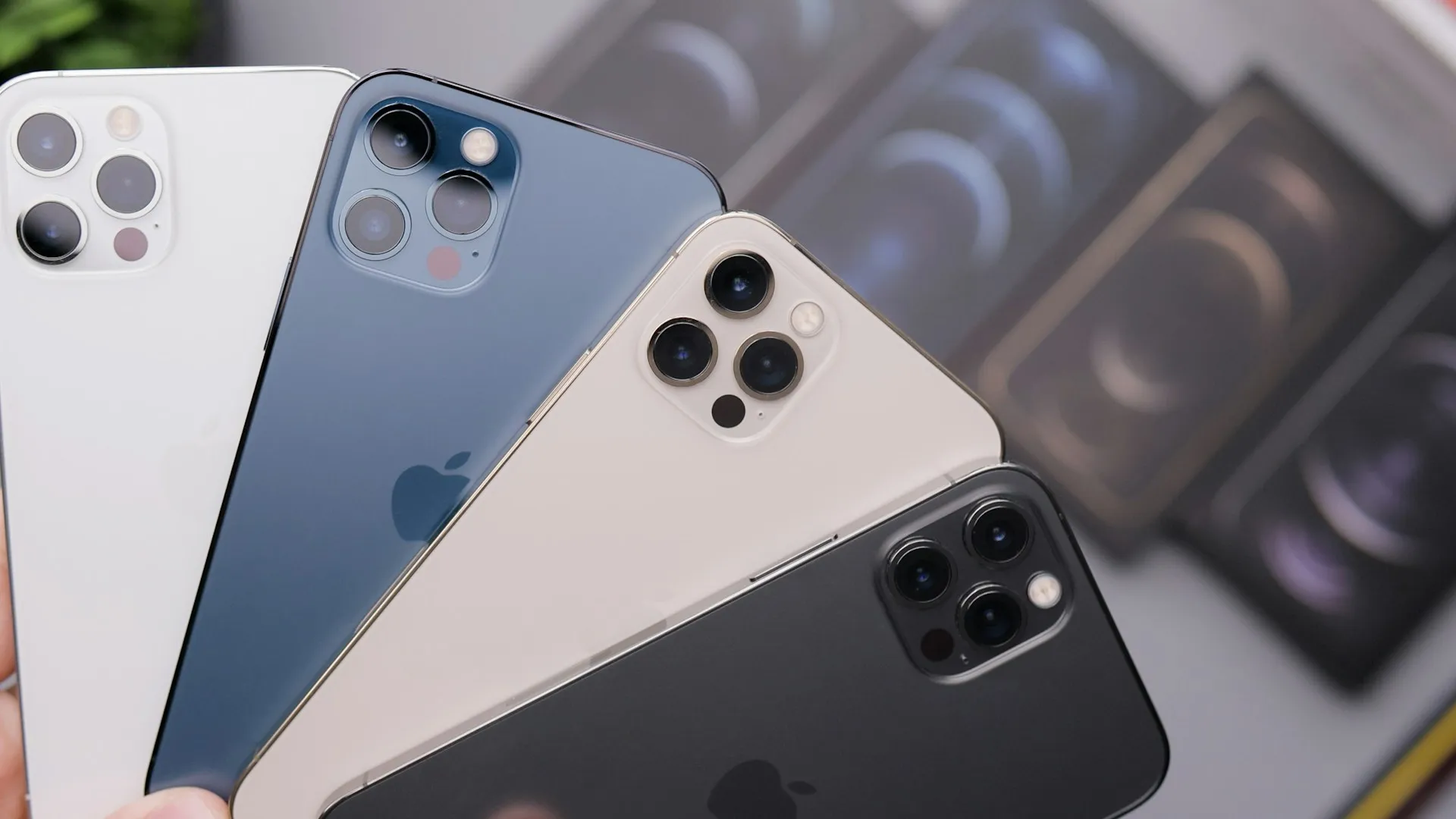
Every iPhone Pro from the 14 Pro through the 17 Pro ships with a fixed ƒ/1.78 main camera aperture, meaning the lens stays fully open whenever it's capturing an image, MacRumors reports. Variable aperture changes that: in low light, the opening widens to admit more photons before any processing occurs; in bright scenes, it closes to avoid overexposure, Tom's Guide explained last week. Tom's Guide says this should allow the iPhone 18 Pro to capture better-exposed images across varied conditions and close more of the gap between smartphones and dedicated cameras.
Beyond exposure, the feature opens up new creative possibilities around depth of field, Cult of Mac notes. Right now, all wide-angle iPhone photos are shot at the same fixed focal ratio. Variable aperture would let users narrow or widen the zone of sharpness in a scene, giving portrait shots a depth cue that reflects actual optical physics rather than a computational estimate of what blur should look like, 9to5Mac reported earlier this year. The variable aperture is expected to integrate into the main 48-megapixel Fusion camera, per Cult of Mac.
The limits are worth stating clearly. Dedicated cameras typically offer aperture ranges from ƒ/2.8 to ƒ/22, per Cult of Mac; whatever Apple ships will be narrower than that, and the exact stops available haven't been confirmed. A smartphone sensor is still a smartphone sensor. Variable aperture expands what the hardware can do in varying light; it doesn't replicate what a full-frame camera does with that range.
There's also a separate aperture upgrade coming to the telephoto lens, independent of the variable aperture system on the main camera. A larger-aperture telephoto is expected as a Pro-exclusive upgrade, 9to5Mac reported last month. The iPhone 17 Pro currently runs a ƒ/2.8 telephoto, 9to5Mac noted earlier this year, and the expectation is that the 18 Pro pushes that further, though supply-chain confirmation for that specific component hasn't materialized yet.
Why this rumor has more backing than most
Most iPhone camera rumors rest on a single source and don't move much before announcement. This one has accumulated three distinct lines of support, and they're pointing in the same direction.
Ming-Chi Kuo first reported in December 2024 that both iPhone 18 Pro models would receive a variable aperture main camera, per MacRumors. Weibo leaker Digital Chat Station, who MacRumors notes accurately called the iPhone Air's design, the iPhone 17 Pro's form factor, and its triple 48-megapixel camera system, subsequently reaffirmed the feature, writing that Apple was testing "a variable aperture main camera plus a large aperture telephoto lens," per 9to5Mac earlier this year. Now active supplier production backs both of them up.
Three named manufacturers are involved: Sunny Optical and Luxshare ICT on actuator mechanisms, and LG Innotek assembling the finished modules, Cult of Mac reports. LG Innotek's involvement is worth noting specifically: it was Apple's sole supplier for the first periscope telephoto module in the iPhone 15 Pro Max, giving it a precedent as the integrator for Apple's more technically demanding camera firsts.
One detail remains unresolved. Kuo's December 2024 analysis put variable aperture on both Pro models, but earlier reporting had pointed toward Pro Max exclusivity, 9to5Mac noted earlier this year. Those two accounts haven't been reconciled, and that's the detail most likely to shift before announcement.
The competitive gap this addresses, and what comes after
The hardware motivation for this upgrade is visible in benchmark data. Some Chinese flagship phones now capture nearly twice as much light as Apple's newest models across all zoom ratios, DXOMARK's analysis from earlier this month found. That's a hardware gap, not a software one. Apple's processing pipeline remains a genuine advantage: DXOMARK's same analysis found that iPhone holds a leading position in video performance through refined exposure adaptation, autofocus reliability, and color consistency. But software optimization has a ceiling when the underlying hardware is collecting significantly less raw light than the competition.
Variable aperture is one direct response. It addresses light collection before any processing happens, which is where the gap actually lives.
If Digital Chat Station's broader roadmap holds, the iPhone 18 Pro's variable aperture is the first step in a four-part hardware push, Tom's Guide and MacRumors reported last week. The three upgrades reportedly to follow across later iPhone models:
A 1/1.12-inch "ultra-large" main camera sensor, up from the 1/1.28-inch sensor in the iPhone 17 Pro, which MacRumors notes would be comparable in size to the Sony LYTIA LYT-901 sensor shipping in the Vivo X300 Ultra
Enhanced optical image stabilization for the ultra-wide lens
A 200-megapixel periscope telephoto lens, which Digital Chat Station says is unlikely to arrive before 2028
That roadmap has a single source rather than corroboration across multiple analysts or supply chains, and generational assignments in multi-year leaks tend to migrate. But the strategic logic is consistent: the steps described address hardware light collection, sensor area, stabilization, and telephoto reach, which are exactly the categories where the competitive gap is measurable.
For the iPhone 18 Pro specifically, the more immediate open question is which models ship with variable aperture. The detail to watch as production ramps through the summer is whether both Pro models get the feature, or whether it stays exclusive to the Pro Max as some earlier reporting suggested. That question will probably be the first real signal of how Apple plans to differentiate its Pro lineup going forward.




Comments
Be the first, drop a comment!