





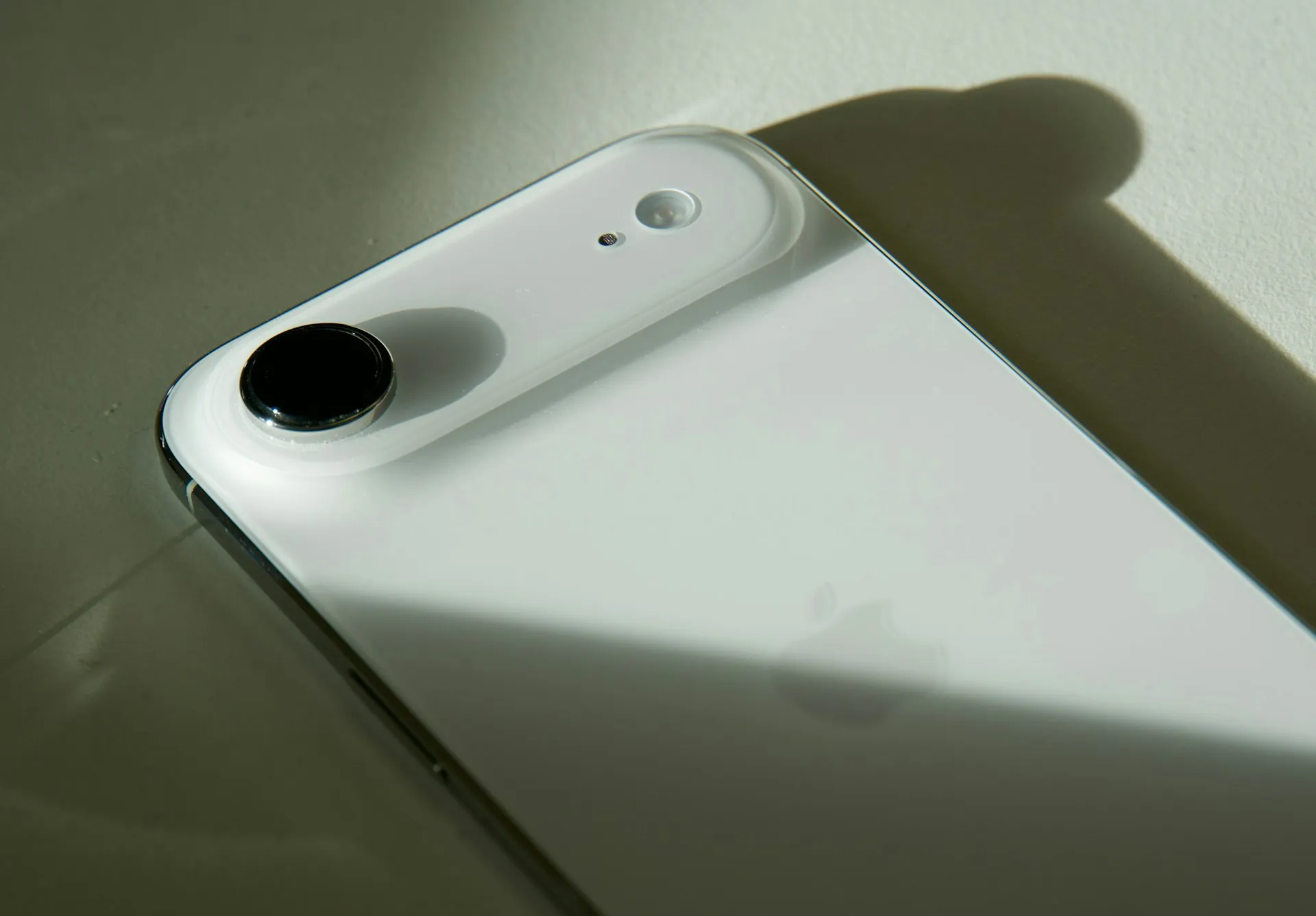
When you think about the iPhone Air, one thing immediately stands out—this device was never supposed to accept a physical SIM card. Apple designed its thinnest smartphone ever at just 5.6 mm thick and weighing only 165 grams, with a very deliberate choice: eliminate physical SIM card slots entirely worldwide. It was a bold statement about the future of mobile connectivity, pushing users toward eSIM technology whether they were ready or not.
But here's where things get fascinating. The Chao Xue Team—a group of hardware modification specialists—recently announced something that should theoretically be impossible. They've successfully modified an iPhone Air to accept physical SIM cards, with the device not just recognizing the card but actually providing signal, according to ModeZone. This achievement shows how user demand for connectivity flexibility can drive innovation that directly challenges manufacturer design decisions.
What makes this modification so significant?
Let's break down why this particular modification project matters beyond the impressive technical achievement. The iPhone Air move follows a broader industry trend that's accelerating—Google's Pixel 10 made a similar decision by removing physical SIM slots entirely in August 2025, according to the same TechRadar report. We're witnessing a coordinated push toward eSIM-only devices across major manufacturers.
Now here's where the modification becomes particularly relevant from a real-world perspective. Consider the situation in China mainland, where only the iPhone Air supports eSIM technology among Apple's lineup, as confirmed by Apple Support. But the infrastructure reality creates a bottleneck—only China Unicom currently provides eSIM support for the device, according to TechRadar. This scenario perfectly illustrates why physical SIM modifications aren't just technical curiosities—they address genuine connectivity gaps that exist when manufacturer vision outpaces carrier infrastructure.
What makes the Chao Xue Team's accomplishment particularly impressive is that this represents their first successful implementation of actual functional signal connectivity. When asked whether they were working with an engineering unit or mass-production model, the team confirmed this marked their first success in getting a physical card to provide genuine signal connectivity, not just device recognition. That distinction reveals the true complexity—many hardware modifications can achieve component detection, but maintaining full network functionality requires understanding Apple's integrated systems at a much deeper level.
The technical challenges behind SIM modifications
You might be wondering just how complex this type of modification really is. Hardware modifications like these aren't simply about creating physical space for a SIM tray—they require a sophisticated understanding of both hardware architecture and the intricate software validation systems that Apple builds into its devices.
We've seen similar ambitious projects that help illustrate the escalating complexity involved. Take the iPhone 14 Pro Max modification project that converted eSIM areas to accommodate physical cards. That process involved completely removing the logic board, performing precision micro-soldering work, and installing transparent flexible SIM PCBs specifically engineered to interface with physical cards, according to WCCFtech. The skill level required for that kind of work is staggering—we're talking about manipulating components barely visible to the naked eye while maintaining electrical continuity across multiple signal pathways.
But the iPhone Air modification faces exponentially greater challenges. Sony Xperia experiments have shown us that enabling eSIM capabilities through firmware changes can create catastrophic performance issues. In documented cases, network speeds plummeted from over 100 Mbps to just a few kilobits per second when native eSIM features were enabled through modifications, as documented on XDA Forums. Carrier compatibility also becomes problematic—services like Google Fi and Roamless experienced complete activation failures when native eSIM features were enabled through modifications, according to the same XDA Forums discussion.
What makes the iPhone Air modification particularly remarkable is that the Chao Xue Team apparently achieved functional signal connectivity without these performance degradation issues that have plagued similar projects. Consider that the iPhone Air utilizes cutting-edge manufacturing techniques, including 3D-printed titanium components created through laser powder bed fusion from recycled materials, as detailed by iFixit. This manufacturing approach creates incredibly tight tolerances and integrated architectures that make successful hardware modifications exponentially more challenging than traditional smartphone designs.
What the team overcame: iPhone Air's integrated eSIM architecture
To fully appreciate what the Chao Xue Team accomplished, it helps to understand the sophisticated eSIM ecosystem they had to circumvent. The iPhone Air wasn't just a traditional smartphone with the physical SIM slot removed—Apple engineered it as a comprehensive digital connectivity platform with capabilities that extend far beyond basic cellular service.
The device can store up to eight different eSIM profiles while using two simultaneously, according to GigSky. The activation process supports multiple sophisticated methods: QR code scanning, manual entry of complex activation details, and eSIM Quick Transfer from other devices.
Apple clearly invested heavily in preparing for this transition beyond just hardware changes. They implemented comprehensive staff training programs, particularly in European markets, using their SEED app to help customers adapt to eSIM-only functionality, according to GigSky. The software ecosystem was designed to handle complex dual-line scenarios seamlessly, allowing users to maintain sophisticated connectivity arrangements that would be impossible with traditional physical SIM limitations, as detailed by iPhone Air Manual.
The device launched at $1,099 in September 2025, featuring advanced connectivity including Wi-Fi 7, Bluetooth 6, and Thread support. For troubleshooting eSIM issues, Apple built comprehensive diagnostic capabilities including device restart protocols, QR code validation, iOS update checks, and network coverage verification, as outlined by iPhone Air Manual. This level of integrated system validation means the modification team had to work around Apple's extensive software checking systems that actively verify eSIM functionality—making their achievement even more technically impressive.
What this means for the future of smartphone modifications
Bottom line: This modification represents something much more significant than a clever technical workaround. It highlights the persistent tension between manufacturer design philosophies that prioritize form factor and manufacturing efficiency, and user demands for connectivity flexibility and control. The success of the Chao Xue Team's work proves that the underlying hardware capabilities often exist even when manufacturers choose to disable or omit certain features in their final designs.
The implications could genuinely influence how manufacturers approach future device architectures, particularly as eSIM adoption continues to vary significantly by region and carrier infrastructure development. While Apple has clearly positioned the iPhone Air as their vision of an all-digital connectivity future, user-driven modifications like this demonstrate that the transition period will likely require creative solutions for users who need physical SIM compatibility due to carrier limitations, international travel requirements, or regional infrastructure gaps.
For the broader tech community, this project showcases how sophisticated smartphone modifications have become in the modern era. As devices incorporate increasingly integrated architectures and miniaturized components, successful modifications like this represent extraordinary technical achievements. We're talking about expertise that spans precision micro-soldering, complex firmware analysis, signal pathway engineering, and the specialized knowledge needed to work with 3D-printed titanium components that require magnification just to see properly.
What's particularly intriguing is how this modification challenges assumptions about hardware limitations. If skilled teams can successfully add physical SIM support to devices explicitly designed without it, users might reasonably question whether manufacturer limitations reflect true technical constraints or design choices that prioritize factors like thickness, manufacturing costs, and ecosystem control over user flexibility.
The iPhone Air modification also serves as a fascinating case study in the persistent demand for hardware adaptability. Despite Apple's significant investment in eSIM infrastructure, staff training, and user education, there's clearly substantial interest in maintaining physical SIM compatibility. Whether driven by carrier infrastructure limitations, specific use case requirements, or simply user preference for tangible control over connectivity, projects like this demonstrate that demand for flexibility remains strong enough to drive sophisticated engineering efforts that directly challenge manufacturer design decisions.









Comments
Be the first, drop a comment!