



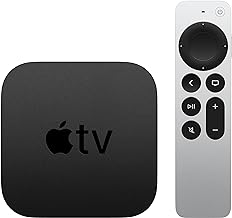


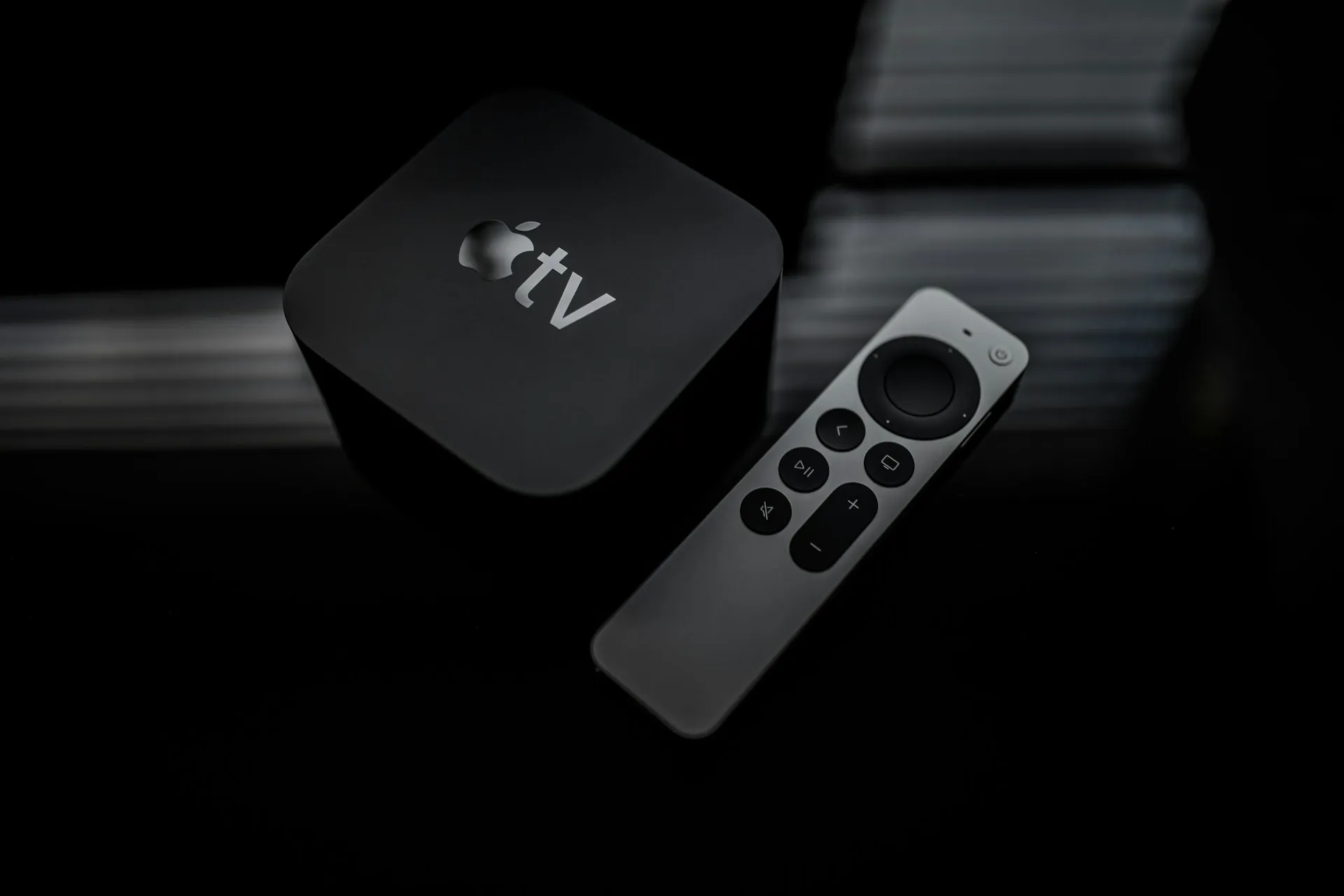
Apple has a new Apple TV 4K ready to ship. Has had one since sometime last year. According to Bloomberg's Mark Gurman, the company is deliberately holding it back until an upgraded, more personalized version of Siri is ready to launch alongside it. The hardware is done. Siri isn't.
That distinction matters a lot if you're sitting with a four-year-old streaming box and wondering whether to replace it. The current Apple TV 4K debuted in October 2022. Apple has historically refreshed it on a roughly three-year cadence. That window came and went. Gurman flagged multiple 2025 launch opportunities that passed without a product. Apple had planned to debut the upgraded Siri in iOS 26.4 this spring; reliability problems pushed it back. New Siri capabilities now look like an iOS 27 story, arriving in September 2026. The Apple TV will follow when they do.
The short version for anyone who needs it now: wait if you can. What's coming is a more substantial upgrade than the unchanged exterior will suggest, and buying the current model now means buying one that Apple is already designing around. The rest of this piece explains why, and how much weight to put on each part of the new Apple TV 2026 rumor set.
New Apple TV 2026 release date: why Siri is holding it up
The obvious reading of the delay is that Siri isn't ready. The more useful reading is that Apple made a deliberate choice to treat the Apple TV as a Siri-dependent product, and is now living with the consequences of that bet.
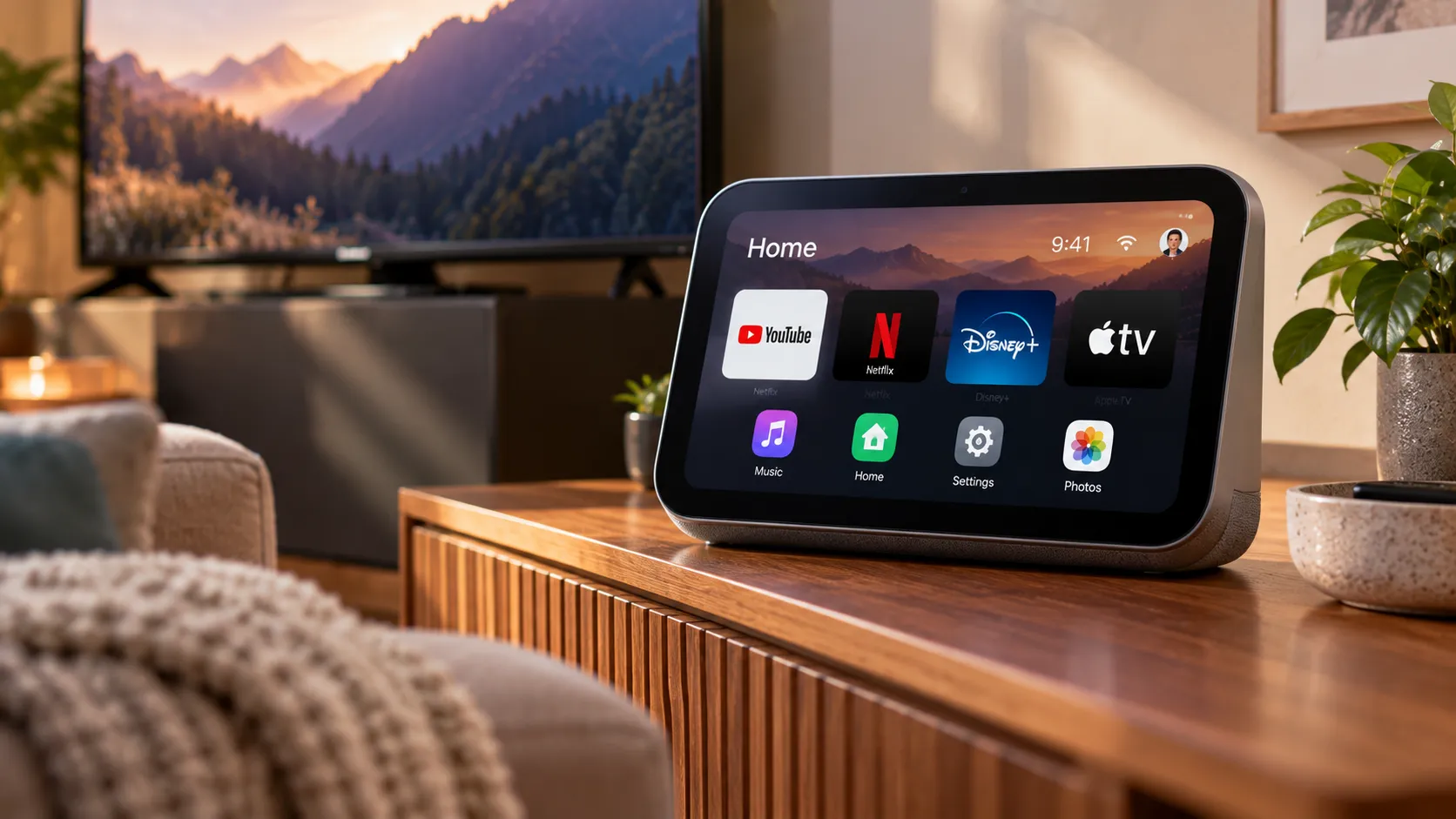
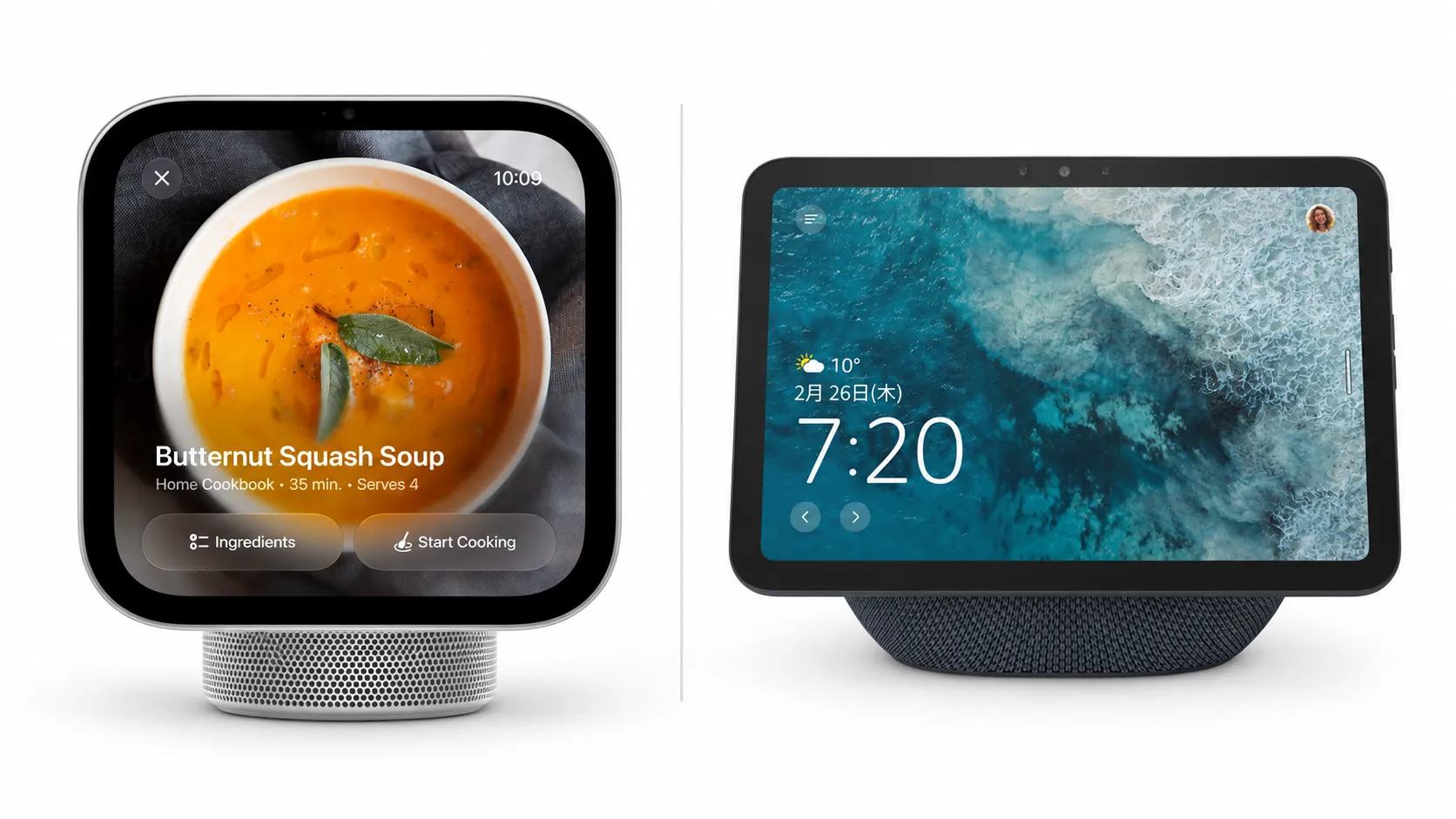
The reporting points in that direction. Gurman described the updated Apple TV and HomePod as both tied to "new artificial intelligence features." The HomePad, Apple's rumored 7-inch smart home display running a version of tvOS 27, is in the same queue. MacRumors adds that a next-generation HomePod is also waiting. These products aren't coincidentally aligned. They share a launch dependency on the same software milestone, and that milestone keeps slipping.
What the sourcing still doesn't explain: what the improved Siri will actually do on a television. The case for linking the Apple TV to this update rests on chip compatibility—the A17 Pro is the oldest chip Apple supports for Apple Intelligence—and coordinated timing across products, not any described feature. Whether that means conversational TV controls, deeper HomeKit integration, or something not yet discussed isn't sourced anywhere. That gap is worth keeping in mind.
Two signals are worth watching. First, Gurman has left open the possibility that some Siri capabilities will arrive in iOS 26.5, with a developer beta potentially appearing in late March or early April. That would theoretically open an earlier launch window. Second, Apple TV inventory is reportedly running low at retail stores worldwide, a pattern that has preceded past launches. Gurman flagged the low stock himself, then immediately noted it may not mean anything while the Siri update remains unshipped. Both signals suggest the situation is still in motion. Neither confirms a near-term date.
The clearest current estimate: September 2026 or later, tied to iOS 27 and the iPhone 18 launch cycle.
What's actually changing and what it means in practice
The chip: a real generational jump, with some uncertainty at the top
The current Apple TV 4K runs an A15 Bionic, the chip from the iPhone 13. The most consistently reported upgrade is an A17 Pro. Built on a 3-nanometer process with a 6-core GPU capable of hardware-accelerated ray tracing, it enables console-quality lighting and reflections in games. It's also the minimum chip Apple supports for Apple Intelligence. That combination matters more than any headline spec: the Apple TV would finally have both the silicon baseline for on-device AI and enough GPU headroom for serious gaming.
The caveat is that Apple has held this device for so long that the A17 Pro may already be the floor, not the ceiling. MacRumors reasonably floats A18 or A19 silicon as possibilities, since Apple sources TV chips from its iPhone lineup and newer options now exist. A RAM increase is also plausible, given that Apple Intelligence workloads require more memory than standard streaming, per MacRumors. Any chip in this range runs Apple Intelligence. The difference between them is mostly gaming ceiling and long-term software support.
The gaming implication deserves a concrete note. Console ports like Resident Evil 4 and Death Stranding run on A17 Pro iPhones. The Apple TV has carried gaming ambitions for years that its chip couldn't fully back up. That changes here, though the library problem is a separate challenge that better hardware alone won't fix.
Networking: faster, less congested, and smarter about your home
The new Apple TV is expected to include Apple's custom N1 networking chip with support for the 6GHz band. Whether that arrives as Wi-Fi 6E or Wi-Fi 7 depends on which round of sourcing you weigh more. MacRumors favors Wi-Fi 7, while the January 2026 MacRumors guide treated Wi-Fi 6E as the baseline, with Wi-Fi 7 listed as possible. On Bluetooth, the split is similar: the April reporting points to Bluetooth 6, while the January guide mentions Bluetooth 5.3 as a possibility. The exact standard is uncertain; 6GHz support arriving in some form is not.
In practice, 6GHz connectivity is faster and less congested than the 5GHz band the current Apple TV uses. That's a meaningful difference for high-bitrate streaming or crowded wireless environments. Thread and Matter home-hub support continues, keeping the Apple TV as a controller node for smart home devices.
Design: identical exterior, meaningfully different internals
Multiple reports from January and April 2026 agree on this: the 2026 Apple TV will look exactly like the current one. Same compact squircle shape, same black plastic body. Apple hasn't redesigned the enclosure in years and shows no signs of doing so now. If you're hoping for a visual cue that you bought something new, this isn't that product.
Rumor scorecard: what's solid, what's plausible, what's speculation
What we know so far gestures at confidence levels throughout. Here they are consolidated in one place, which makes it easier to calibrate how much weight to put on any individual claim.
High confidence
No exterior redesign
Delayed until new Siri capabilities ship
A17 Pro-class chip at minimum
September 2026 as the current target window
Medium confidence
Apple's N1 networking chip
6GHz wireless support (Wi-Fi 6E or Wi-Fi 7)
Bluetooth upgrade (5.3 or 6, depending on source)
RAM increase to support Apple Intelligence workloads
Coordinated launch with HomePod refresh and HomePad
Low confidence
Sub-$100 pricing
Exact chip (A17 Pro vs. A18 vs. A19)
What Siri will specifically do on a television
Whether iOS 26.5 creates an earlier launch window
The high-confidence items are sufficient to justify waiting. The low-confidence items are where the most interesting questions live, and where the answer is genuinely: nobody knows yet.
Who should wait, who shouldn't, and what pricing might look like
Three situations cover most readers:
Current Apple TV 4K owner: Wait. The chip jump from A15 to A17 Pro or better is substantial, the networking upgrade is real, and buying now means locking into a device Apple is actively designing out of its AI roadmap. The wait is five months at most.
Needs a replacement now: Proceed with caution, but don't rule it out. If you find a meaningful discount on current stock, the existing model handles streaming fine. You'll miss the AI features and the wireless upgrade, but it's not an indefensible purchase if the price is right.
First-time buyer or non-Apple-ecosystem user: Hold. The value proposition depends heavily on pricing, which is the least resolved part of this story.
On pricing: the math doesn't quite work yet
Analyst Ming-Chi Kuo called under $100 the "sweet spot" for the next Apple TV in 2024, per MacRumors' January 2026 roundup. The current model starts at $129. A device with a newer chip, additional RAM for AI workloads, and a custom wireless chip costs more to build than what's currently on shelves. The sourcing doesn't explain how Apple gets to sub-$100 with this hardware profile, and that tension hasn't been resolved anywhere in the reporting.
The simplest explanation, per MacRumors (April 3, 2026): Apple either releases two models, a full-featured version and a trimmed-down one, or keeps the current $129 model as the budget entry point while the new model launches at a higher price. Both approaches sidestep the pricing tension rather than solving it. Until Apple announces something, this remains genuinely open.
What to watch between now and fall
The September 2026 window is a current best estimate, not a confirmed date. iOS 26.5 is still a wildcard: if Apple ships meaningful Siri capabilities in that update, the Apple TV launch window moves earlier. If everything holds for iOS 27, the device likely debuts alongside the iPhone 18 in September or arrives shortly after.
The inventory signal is worth tracking without over-reading. Apple TV, HomePod mini, and full-sized HomePod stock running low at retail stores worldwide, per Gurman, has preceded Apple launches before. Gurman flagged the pattern himself, then added the caveat that it may not signal anything until the Siri update is actually ready.
The device Apple has been sitting on is meaningfully more capable than the one currently on shelves. Faster chip, better networking, and the silicon floor required for Apple's AI features. What remains uncertain is the exact chip, the wireless standard, the price, and what Siri will actually do when it arrives on your television. Those gaps don't change the core advice, but they're worth keeping in mind before treating any single rumor as settled.





Comments
Be the first, drop a comment!