





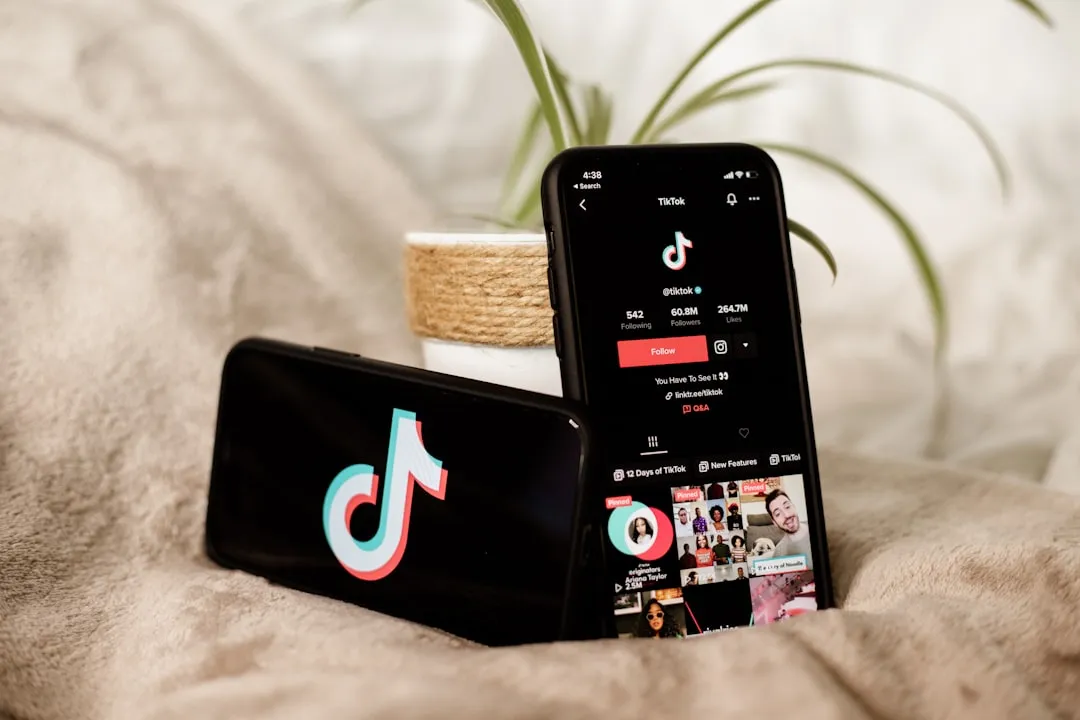
You know what's fascinating about the whole TikTok situation? We just witnessed one of the most comprehensive examples of how modern app store geoblocking actually works when the stakes are high. Apple and Google restored TikTok to their respective app stores on February 13, 2025, according to Economic Times, ending a nearly month-long removal that began when ByteDance apps were pulled on January 18. The restoration came after U.S. Attorney General Pam Bondi provided legal assurance to both companies that the ban would not be enforced immediately, giving Apple and Google the confidence they needed to reinstate the apps. This unprecedented situation offers a deep look into how Apple's App Store operates under regulatory pressure and what it means for both users and developers navigating an increasingly complex digital landscape.
How Apple's geoblocking actually works in practice
Here's what really caught my attention: Apple didn't just flip a simple on/off switch when they implemented the ByteDance restrictions. The system they deployed was surprisingly sophisticated, affecting multiple ByteDance applications from U.S. users, including TikTok, CapCut, Lemon8, and even Marvel Snap. The technical precision becomes apparent when you examine how the restrictions operated across multiple enforcement layers.
If you were in the United States, you simply couldn't download these apps anymore. International visitors faced an entirely different restriction matrix—users who already had the apps installed could keep them, but couldn't redownload them if deleted or restore them on new devices. This reveals something crucial about Apple's content management architecture: the system can simultaneously maintain existing installations while blocking new ones, suggesting a sophisticated backend that distinguishes between installation states, user locations, and account origins.
The functionality controls demonstrate even more granular platform governance capabilities. Users in the United States wouldn't receive updates for these apps, which could potentially impact performance, security, and compatibility with future versions of iOS and iPadOS. Meanwhile, international visitors to the U.S. couldn't download, update, or make in-app purchases while physically within U.S. borders, but would regain full functionality once they left the country. This level of geographic precision suggests Apple's infrastructure can implement real-time policy enforcement based on device location—a capability with far-reaching implications for how digital content regulation might evolve globally.
The legal framework behind App Store removals
What struck me most about Apple's response was how carefully they positioned themselves as policy-neutral distributors. The company made it crystal clear that they were obligated to follow the laws in the jurisdictions where they operate, essentially establishing a precedent for how platform holders navigate the intersection of legal compliance and business operations.
The regulatory complexity became apparent when President Trump signed an executive order pausing the ban for 75 days. You'd think that would provide immediate clarity, but both Apple and Google remained cautious because legal experts questioned whether the administration had the authority to suspend the ban. This hesitation reveals something important about platform risk assessment—even when political winds shift, tech companies prioritize definitive legal guidance over executive assurances.
The situation only changed when U.S. Attorney General Pam Bondi stepped in with a clarifying letter, assuring both companies that the ban wouldn't be enforced immediately. This moment illustrates how platform liability concerns drive decision-making—Apple and Google needed prosecutorial assurance, not just political promises, before reversing their compliance measures.
What this means for users and app functionality
The user experience during this whole ordeal revealed critical vulnerabilities in our app-dependent digital lives. Apple warned that U.S. users wouldn't receive updates, which could potentially impact performance, security, and compatibility with future iOS versions. That's not just inconvenient—it creates a gradual degradation of functionality that could leave users with increasingly unreliable software over time.
The restriction on in-app purchases and new subscriptions created immediate economic disruption, particularly for content creators who suddenly found themselves cut off from monetization features. While existing subscribers could still cancel their subscriptions, the inability to establish new revenue streams highlighted how platform dependency creates single points of failure for digital businesses.
When the apps returned to the stores, the behavioral response was immediate and telling. TikTok immediately shot to the number one download spot on Apple's App Store, while CapCut claimed the fourth position. This surge suggests millions of users had been waiting to reinstall apps on new devices or after accidental deletions, demonstrating how geoblocking measures create pent-up demand that explodes once restrictions lift.
The broader implications for app distribution
This situation revealed fundamental differences in how platform control shapes user behavior across ecosystems. While TikTok dominated Apple's download charts immediately upon return, both applications had yet to break into Google Play's top 25 most downloaded free apps. Industry experts believe this happened because Android users may have already sideloaded TikTok onto their devices before its official reinstatement.
This divergence illuminates a crucial aspect of digital platform governance—iOS users faced complete dependency on Apple's compliance decisions, while Android users had alternative installation methods. The sideloading capability essentially created a parallel distribution channel that undermined the geoblocking measure's effectiveness on one platform while maintaining it on another. This suggests that future content regulation will need to account for varying degrees of platform control across different operating systems.
The enforcement scope extended far beyond TikTok itself, affecting business productivity tools like Lark Team Collaboration and educational apps like Gauth: AI Study Companion. The comprehensive nature of the restrictions, combined with the fact that service providers like Apple, Google, and Oracle faced potential penalties for failing to comply, demonstrates how corporate ownership structures can create sweeping collateral impact on seemingly unrelated applications.
What happens next in this digital policy experiment
Here's the reality that should concern anyone interested in digital rights and platform governance: this isn't over. The current pause is set to expire in early April, which means we could witness another wave of app removals if no permanent solution emerges.
If enforcement resumes, TikTok and CapCut could once again disappear from both app stores, forcing users to rely on workarounds like sideloading or purchasing pre-installed devices. But this temporary reprieve has already established something more significant than just app availability—it's created a precedent for how geopolitical tensions will be fought through digital infrastructure.
What we've witnessed sets the template for future content regulation enforcement. Both Apple and Google demonstrated they'll prioritize legal compliance over user convenience when regulatory pressure mounts, but they also showed they require clear prosecutorial guidance rather than just political assurances. This creates a new framework for how platform liability will be assessed in politically sensitive content disputes.
The immediate advice remains practical: users are being advised to download or update these apps while they remain accessible. But the broader implications extend far beyond TikTok's fate. We're living through a real-time experiment in how digital policy enforcement works at scale, and the lessons learned here will shape how governments, platforms, and users navigate an increasingly complex landscape where app availability can change overnight based on geopolitical winds.





Comments
Be the first, drop a comment!