



Build a real task system in Apple Reminders: step-by-step
Reminders can replace a paid task manager for many personal workflows, but only if you build around three things: reliable capture, low-maintenance organization, and context-sensitive triggers. Most users never get there because the app presents itself modestly and buries its better tools behind a few taps.
This guide covers the features that change how the app actually works, organized around the three stages where personal task systems tend to break down: capturing tasks reliably, keeping them organized without constant maintenance, and surfacing them at the right moment. The goal is a functioning system, not a complete feature survey.
Prerequisites: An iPhone, iPad, or Mac with an iCloud account and Reminders enabled under Settings → [Your Name] → iCloud. Location Services and Contacts access for Reminders are worth enabling before you start; the guide explains where each matters as you go.
Before the first step, one decision to make: create a list called "Inbox" and treat it as your default capture destination. All incoming tasks land here first. Sorting happens later, during a daily review, not at the moment a thought surfaces. That single decision removes more friction than any individual feature in this guide.
Stage 1: Reduce capture friction until it's nearly zero
A task system fails at the first step if logging something takes more effort than it seems worth. The goal isn't discipline; it's removing the gap between having a thought and recording it.
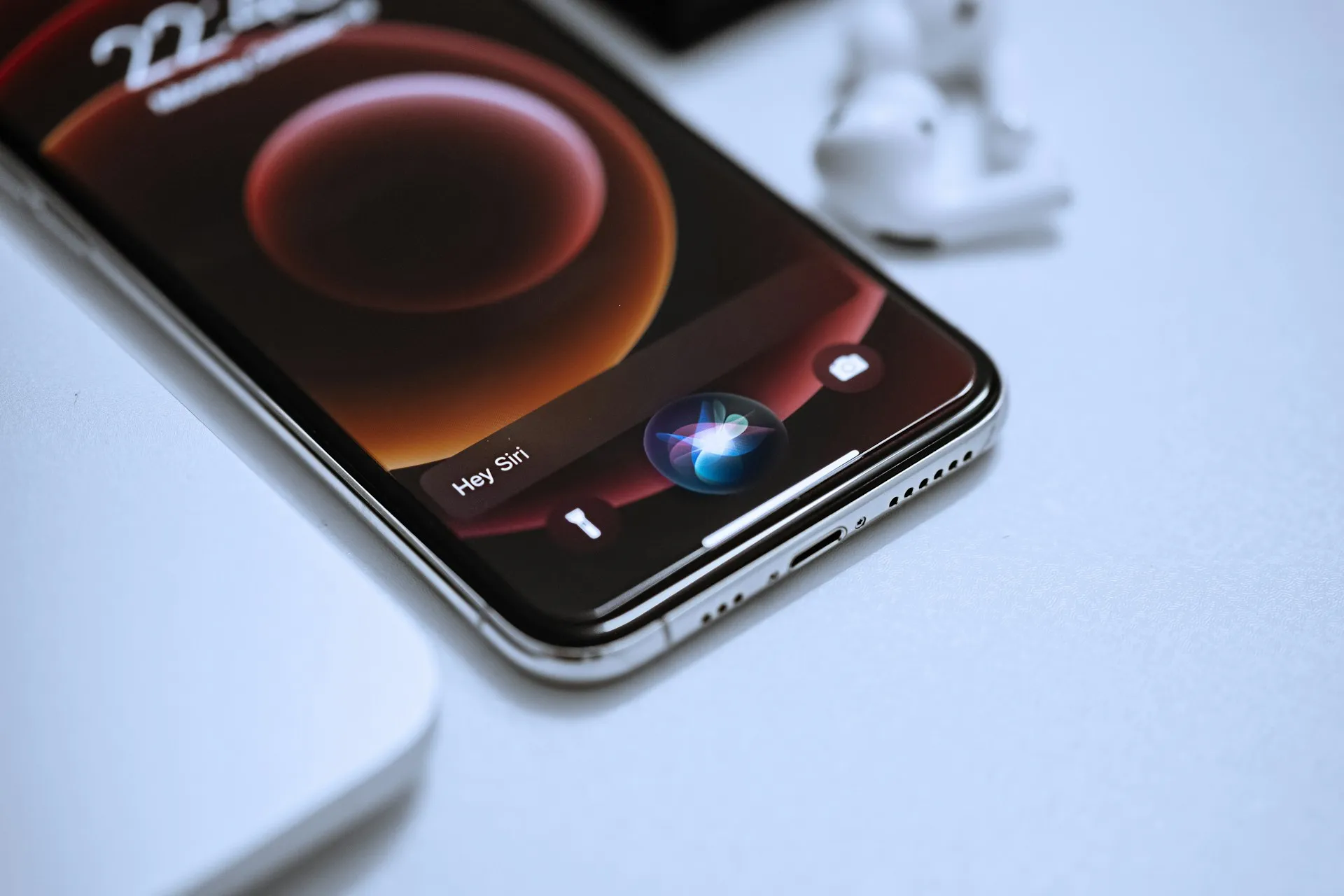
Step 1: Use Siri for hands-free capture with context built in. Say "Hey Siri, remind me to send the contract when I get to the office." Reminders creates a location-triggered task tied to your work address. No unlocking, no tapping. Time-based capture works the same way: "Remind me to call Marcus tomorrow at 11."
⚠️ Gotcha: Location triggers depend on your home and work addresses being saved in your Apple ID contact card. Without them, Siri has no address to anchor the trigger to. Reminders also needs location access enabled under Settings → Privacy & Security → Location Services. Check both before building any location-based habits; a trigger that fails silently is harder to spot than one that was never set up, and the app won't prompt you again after initial setup.
Step 2: Use natural language input directly in the app. Tap the new reminder field at the bottom of any list and type "Dentist follow-up next Thursday at 9am." Reminders parses the date and time without a date picker. Relative phrases work too: "next Monday," "in three days," "every day at 8am." Type the phrase, confirm the parsed details in the task info panel, move on.
Step 3: Add a Reminders widget to your Lock Screen for one-tap list access. Long-press the Lock Screen, tap Customize, and add the Reminders widget pointed at your Inbox. Capture stays one tap away without unlocking the phone, which matters during the short windows between meetings when a task surfaces and you have maybe 15 seconds before something else starts.
Set a daily review time now, before you need it. The Inbox only works if it gets emptied. Pick a fixed moment: end of the workday, after lunch, before bed. The exact time matters less than the consistency. Without a processing cadence, the Inbox becomes a longer version of the mental list you were already keeping.
Stage 2: Organize without maintenance tags and Smart Lists replace sub-lists
Most Reminders users solve organization by creating more lists. The result is a cluttered sidebar, no cross-project visibility, and a system that needs constant manual upkeep. Tags and Smart Lists work differently: tag a task once, then surface it from anywhere via a saved query.
Step 4: Tag tasks at creation using a consistent naming convention. In any task's title or note field, type # and Reminders prompts you to create or apply a tag. A single task can carry multiple tags #work, #calls, and #Q2 can all apply to one item. Because tags cross list boundaries, a Smart List built around #calls pulls matching tasks from every project simultaneously.
Convention to set before you tag a single task: Use lowercase, hyphenated tags with no spaces #follow-up, not #Follow Up. Reminders distinguishes tags by spacing, so #follow-up and #followup are treated as separate tags. Settle this before you have 40 tasks tagged inconsistently. Cleaning up a fragmented tag scheme later is genuinely tedious.
Step 5: Build Smart Lists as your permanent task views. In the sidebar, tap "Add List" and choose "Smart List." Set filters by tag, priority, date, or source list. Smart Lists don't store tasks; they query your Reminders database in real time and update as tasks change.
Start with two: one for #waiting (things you've delegated or are blocked on) and one for #follow-up (things you need to initiate). In practice, the #waiting list replaces the habit of mentally tracking which emails haven't come back yet you check the list instead of running the loop again. The #follow-up list does the same for conversations. Those two views cover the tasks most likely to fall through the cracks in a time-only system.
Step 6: Use the built-in "Today," "Scheduled," and "Flagged" views as your daily review dashboard. These appear at the top of the sidebar by default. Here's what a short daily review looks like in practice:
Open Inbox. For each item: assign a tag, set a due date or context trigger if needed, and move it to the appropriate list. Anything that takes under two minutes, complete it now.
Open Today. Check off what's done. Anything that won't happen today, reschedule it or move it back to the relevant list without ceremony.
Scan Scheduled. If anything due in the next day or two needs attention now, flag it.
Glance at
#waiting. If something has been sitting there too long without movement, it probably needs a follow-up task.
The whole thing runs three to five minutes. The point isn't a complete audit; it's keeping the system current enough that you trust it.
Flag sparingly. Flags should mean "this is the priority for today," not "this is important." When everything is flagged, the view loses its function.
⚠️ Gotcha: Don't create a new list every time a new project starts. Dedicated lists make sense for stable, long-running areas like Work, Home, or Finance. Shorter-term projects within those areas are better managed with tags they stay visible across contexts without adding another item to the sidebar.
Stage 3: Surface tasks at the right moment, not just the right time
Time-based reminders are the default, and often the wrong tool. A reminder that fires at 9am for a task that depends on being in a specific place or talking to a specific person trains you to dismiss alerts without acting on them. Reminders supports two context triggers that change this: location and "When Messaging."
Before relying on either trigger type: Verify that Reminders has Contacts access under Settings → Privacy & Security → Contacts, and location access under Settings → Privacy & Security → Location Services. Both triggers depend on permissions that may not be granted by default, and neither will alert you if access is missing.
Step 7: Set a "When Messaging" trigger for conversation-dependent tasks. Open a task, tap the info icon (ⓘ), scroll to "Remind me when messaging," and search for a contact. The next time you open that person's thread in Messages, the task surfaces. This is how you handle "next time I talk to Claire, ask about the invoice" without setting an arbitrary time-based alert that fires mid-morning when you're in the middle of something unrelated.
Step 8: Layer location triggers on recurring tasks. Set "Remind me at a location" on tasks like "Buy coffee filters," tied to your grocery store, then set the task to recur. After each completion, the reminder re-arms. An entire category of mental overhead—the running errand list—gets offloaded to the system.
Step 9: Add an early alert on deadline-sensitive tasks. In task detail, add one alert a day before the due date and a second at the deadline itself. The first gives you time to act; the second marks the hard stop. For anything with a real consequence if missed, the redundancy is worth the few extra seconds to configure.
End-to-end example: Walking out of a meeting, you remember you need to follow up with a vendor. Say "Hey Siri, remind me to follow up with Daniel about the proposal when I message him." Open the task, add #work and #follow-up tags. The task lands in your Inbox; your #follow-up Smart List picks it up during your next review; the next time you open Daniel's thread in Messages, Reminders surfaces it. No calendar block, no sticky note, no background mental process keeping it alive.
What the system looks like after a week
By day seven, if the setup is working, a few things should be visibly different. The Inbox empties each day rather than compounding. The #waiting list gives you a clear picture of what's blocked without hunting through individual projects. Some tasks that would have fired as 9am alerts are now triggering in context when you arrive somewhere, or when a conversation opens.
That's the target state. Not a perfect system; a working one.
Start with the stage where your current approach breaks most often. For most people that's capture: tasks thought of but never recorded, or recorded somewhere they're never reviewed. Fix that first with the Inbox convention and Siri input. Add tags and Smart Lists once capture is reliable. Add context triggers once you have a clear picture of which tasks actually need them.
The built-in views, two custom Smart Lists, and one or two context triggers will cover most personal task management no subscription, no migration, no new interface to learn.




Comments
Be the first, drop a comment!