



How iPhone Handoff Works in iOS 27: Setup, Cost, Carriers
Here's how iPhone Handoff works in iOS 27: supported carriers can put the same phone number on two iPhones, but only one of those phones is ever active at a time. It's not two simultaneously active lines, and treating it that way is the fastest way to misunderstand what you're paying for (MacRumors explains).
There's a bigger catch before setup even matters: carrier support. As of this week, that list is short: T-Mobile in the US and Telekom Germany are the only two carriers that support it (MacRumors reports). If your carrier isn't one of those two, updating to iOS 27 won't unlock anything, no matter how new your phone is.
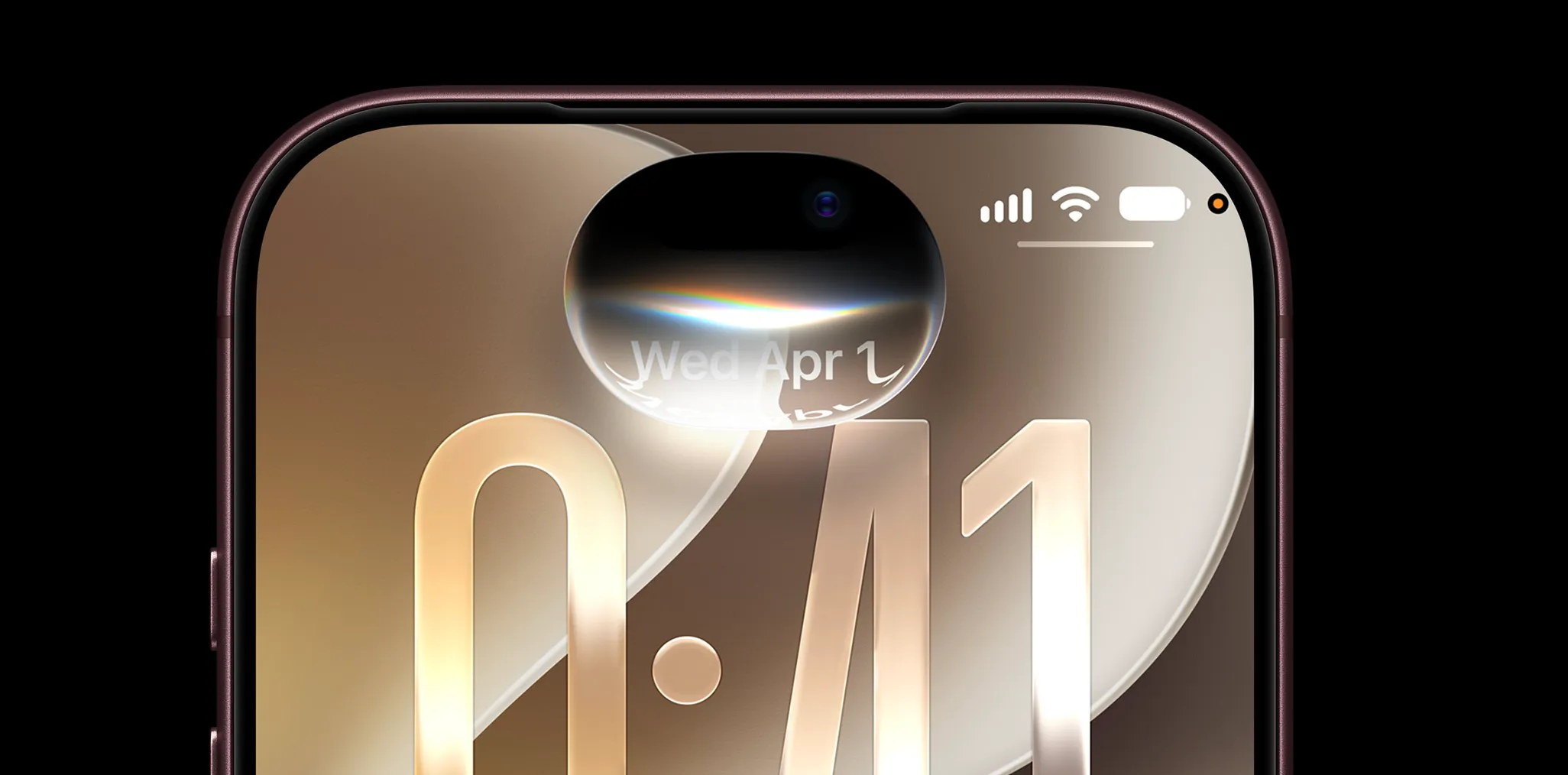
When it does work, the handoff itself is nearly invisible. Unlock whichever iPhone you want active, and your calls, voicemail, iMessage, RCS, SMS, MMS, and Find My location move to that device. A "Switched to this iPhone" message or a small Dynamic Island notification confirms the change went through (MacRumors; Engadget).
This guide covers how iPhone Handoff works in iOS 27, how to set it up on a new or existing iPhone, which carriers support it today, what it costs, and the fine print that determines whether it's actually useful for your situation.
Can you really use the same number on two iPhones?
Yes, but only one of the two iPhones is "on" at any given moment. Your phone number, calls, voicemail, and messaging (iMessage, RCS, SMS, and MMS) move to whichever device you unlock, and Find My location tracking follows the same rule (MacRumors explains). Think of it less as "two working phones" and more as one number that jumps between two bodies on command.
Dual-SIM users get one extra step. If both eSIMs on a phone are from carriers that support iPhone Handoff, each one has to be enrolled separately, one at a time. Once both are set up, the two eSIMs switch together the instant you unlock the device, so the pair moves as a unit rather than staying split between phones (MacRumors explains).
Apple mentioned the feature in passing at WWDC 2026 back in June, buried on a slide listing hundreds of iOS 27 additions with no explanation attached. It didn't get a proper walkthrough until an Apple event earlier this month, where VP of iPhone Product Marketing Kaiann Drance detailed how it functions (9to5Mac, two weeks ago). Worth remembering if you saw the WWDC slide months ago: nothing about that early mention confirmed simultaneous dual-line service, and it still doesn't.
How to set up iPhone Handoff in iOS 27
Before touching either phone, confirm both devices qualify. MacRumors and Engadget report that iPhone Handoff requires:
- Both iPhones running iOS 27 or later
- Both connected to Wi-Fi
- Both signed into the same Apple Account
- FaceTime, iMessage, and Messages in iCloud turned on for that account
Setting up on a brand-new iPhone:
- During activation, when you reach the "Set Up Cellular" screen, select "Use Number on This iPhone and Another."
- Follow the prompts on the new iPhone.
- Switch to your existing iPhone and complete the matching prompts there when they appear.
Adding iPhone Handoff to two phones you already own:
- On the iPhone you want to add, open Settings, then tap Cellular.
- Tap "Set Up Cellular" or "Add eSIM." If a number is already active on that device, the menu instead reads "iPhone Handoff."
- Choose "Use Number on This iPhone and Another," then tap Continue.
- Follow the on-screen prompts, which will designate one device as the main iPhone and the other as secondary.
Once both devices confirm setup, unlock the second iPhone. You should see the "Switched to this iPhone" message or the Dynamic Island indicator appear after the switch. Place a test call from that phone before relying on it for anything important; the confirmation message tells you setup finished, but an actual call is a better check that the carrier side is working.
The primary iPhone holds the main eSIM and manages carrier settings, while the secondary device also carries the shared number and picks up full service each time you switch to it (Engadget explains). That distinction matters later, since some carrier-side controls only apply to the main device.
One gotcha that trips people up right away: Apple Watch pairing does not follow the switch. If you're used to your Watch handling calls and texts, pair it with whichever iPhone you expect to carry most, since it stays locked to that device regardless of which phone is currently active for Handoff (MacRumors explains).
iPhone Handoff carrier support: who's in and who's still out
Carrier support is the real gatekeeper here, not your iOS version. Exactly two carriers support iPhone Handoff at launch:
- T-Mobile (United States)
- Telekom Germany
That's the full confirmed list (MacRumors reports). Apple has said Verizon in the US and EE in the UK will add support later this year, but nothing in Apple's public statements pins down an exact date, and neither carrier has published plan eligibility or pricing yet. If you're on Verizon or EE waiting for this, check directly with your carrier rather than assuming a rollout timeline.
AT&T has not committed to support. Asked about iPhone Handoff, a company spokesperson told CNET that AT&T sees "potential" in capabilities like it, but that the carrier's "focus remains on delivering innovations that make life simpler and keep customers connected with confidence," pointing instead to its existing eSIM activation and transfer options (MacRumors reports). That's not a no, but it's not a timeline either, and AT&T is steering customers toward tools it already has instead of this one.
iPhone Handoff pricing: what carriers are charging
iPhone Handoff isn't a free Apple feature once it reaches your carrier. T-Mobile charges $5 per month for it, confirmed by MacRumors and separately noted by 9to5Mac, which pointed out that Apple's own event didn't mention the fee; a T-Mobile customer spotted the charge afterward and posted about it on social media.
Telekom Germany handles pricing differently, routing iPhone Handoff through its existing MultiSIM service. If your plan doesn't already include MultiSIM, adding it costs €6.95 per month; if it does, there's no extra charge for Handoff specifically. MagentaMobil L plans include one MultiSIM at no additional cost, and MagentaMobil XL includes two (MacRumors; 9to5Mac).
No other carrier has published pricing yet. Apple's own support documentation stays vague on cost, stating only that "carrier fees might apply" and directing customers to contact their provider (9to5Mac notes). For T-Mobile and Telekom Germany, that's a recurring monthly line item on your carrier bill, not a one-time Apple charge. Other carriers could structure billing differently once they add support, so confirm the exact amount before assuming it matches what's published here.
Limitations to check before you rely on iPhone Handoff
A few Wallet items don't fully cooperate with the switch. Apple warns that some transit passes, IDs, and corporate badges may only work on one iPhone at a time, while payment cards and car keys can work across both devices (MacRumors reports). If you rely on a transit pass or work badge stored in Wallet, don't assume it'll follow the switch the way your texts do.
Carrier-side controls stay anchored to the main iPhone regardless of which device is currently active. Call Forwarding, Caller ID settings, and general carrier account management can only be adjusted from that main device (MacRumors explains). Decide which phone should be primary before you finish setup, since that assignment governs which device you'll need for those settings going forward.
Turning the feature off isn't a phone-side decision. Deleting the eSIM from either iPhone may not stop the carrier from billing you; Apple's guidance is that you need to contact your carrier directly to cancel it (MacRumors; Engadget). Don't assume a factory reset or SIM removal ends the charge on its own.
Upgrading either phone also requires manual work. There's no automatic migration when you replace a device; you have to transfer the eSIM from the old iPhone to the new one yourself (Engadget explains). Build that step into your upgrade day checklist, especially if you're moving to the iPhone 18 Pro lineup or the iPhone Duo.
What to do before you enroll
iPhone Handoff has been live since iOS 27's September 14 release (MacRumors confirms), and it fits a narrow set of situations well: bridging an old-to-new iPhone transition, carrying a cheaper backup phone while traveling, or pairing a budget device with something like the $2,000 iPhone Duo without juggling two separate numbers.
Before enrolling, work through this short checklist:
- Confirm your carrier actually supports it. T-Mobile and Telekom Germany customers can check today; Verizon, EE, and AT&T customers should watch official carrier channels rather than assume support is close.
- Ask your carrier for the exact monthly fee. It won't show up as an Apple charge, and it won't necessarily match the $5 or €6.95 figures above.
- Test the switch with a real call after setup, not just the confirmation message.
- If you ever want to cancel, call your carrier directly. Deleting the eSIM alone may not be enough to stop the billing.




Comments
Be the first, drop a comment!