





iPhone Duo hinge durability test: 450,000 folds later
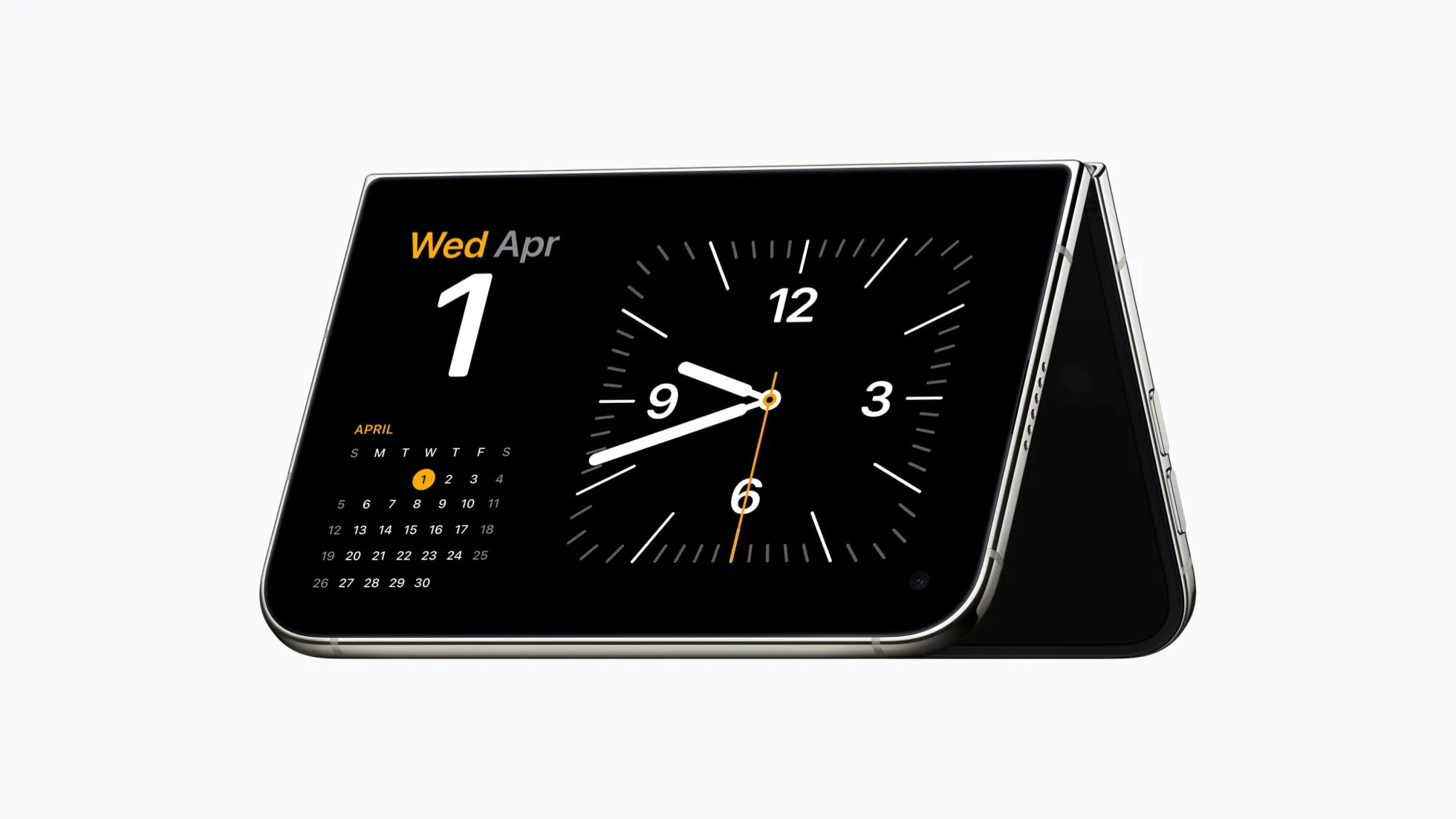
CNET's ongoing iPhone Duo hinge durability test has now logged more than 451,000 folds on its automated rig, and the hinge is showing real wear. The phone has not failed by CNET's own criteria, but the test marks one of the first independent looks at how Apple's $1,999 foldable holds up over heavy, repeated use, according to MacRumors three days ago.
The weakening started showing up around 390,000 folds, when CNET's machine needed a different amount of force to open the phone. By roughly 440,300 folds, the screen was no longer reaching fully flat before the rig folded it shut again, iThinkDiff reported two days ago. Apple hasn't published a fold rating for the Duo (MacRumors), so this is one of the only public stress tests tracking the hinge's behavior over time, and it's already drawing a useful line between a mechanism that's wearing down and one that's actually broken.
How CNET's Fold-a-Phone rig reached 450,000 iPhone Duo folds
CNET's custom Fold-a-Phone machine runs through about 900 folds an hour. Each four-second cycle is built to approximate opening the phone, using it briefly, and pocketing it again, per iThinkDiff. That's CNET's intended use pattern, not a full simulation of how a person actually handles a foldable all day.
The pace adds up fast. A report three weeks ago put the count at 75,000 folds, and it climbed past 451,000 within 17 days of continuous testing, according to iThinkDiff.
At 100 folds a day, a heavy-use estimate, that fold count works out to more than a decade of ownership, per MacRumors. It's a useful comparison for scale, not a lifespan guarantee, since nobody has actually owned a Duo for over a decade yet.
What the iPhone Duo hinge durability test shows at 450,000 folds
CNET lab director Matthew Murray first flagged the shift in opening force on November 10, and the looseness built up gradually from there, iThinkDiff reports. By November 13, the hinge had changed enough that the screen stopped 5 to 10 degrees short of fully flat on the machine, and the distinctive opening snap was gone, according to MacRumors.
Opened by hand instead of by machine, the Duo still reaches a full flat position, per MacRumors. It just doesn't snap open the way it did out of the box. The distinction matters: the automated rig is catching a mechanical change that a person folding the phone a few hundred times a day might not notice right away, but it's still a shift in how the hinge feels, not a problem solved by switching to manual folding.
Does the iPhone Duo screen still work after this much stress testing?
Through more than 451,000 folds, CNET has reported no cracking, no worsening of the crease, no screen blackout, and no loss of power, according to MacRumors. The display also continues to hold steady at other screen angles, separate from the flat-open issue on the rig, per iThinkDiff.
CNET's failure conditions are specific: losing power, sensors failing to detect screen position within the expected time, or the screen going black. None of those have happened yet, iThinkDiff reports. Passing CNET's criteria only means the phone hasn't hit those three failure states, not that every aspect of its durability has been proven.
At launch, Apple described the Duo's display as using a custom nano-texture material designed to feel "perceptually flat," with Apple's hardware chief Johny Srouji saying the goal was avoiding both a visible crease and a plastic feel, per The Verge two months ago. So far, under this specific fold-cycle test, that display hasn't been the part showing trouble. The rig doesn't expose it to drops, heat, or long-term material aging, so this is a limited result, not a full verdict on the screen.
iPhone Duo hinge wear vs. the Galaxy Z Fold 7 fold test
Samsung's Galaxy Z Fold 7 display reportedly passed a third-party 500,000-fold durability test, and the Duo uses an OLED panel sourced from the same supplier, Samsung Display, according to MacRumors. MacRumors says Apple is probably not using an off-the-shelf version of that panel, but suggests CNET's results point toward the Duo's screen tracking a similar trajectory. That's a reported inference from MacRumors, not a confirmed matchup between the two devices.
Context from the broader foldable market helps too. Most current foldables carry fold ratings somewhere between 200,000 and 500,000 cycles, and the Duo's hinge started changing at 390,000, per iThinkDiff. That puts the point where wear first appeared inside the normal range for the category, not clearly ahead of it or behind it. It also doesn't say where the Duo's actual failure point sits, since CNET hasn't reached one yet.
What this fold test doesn't prove
CNET's rig opens and closes the phone repeatedly, but it doesn't expose the hinge to sand, dust, or grit, iThinkDiff reports. That's a real gap, because a separate test reportedly found dust building up around the hinge until the Duo's closure magnets could no longer pull the phone fully shut, according to the same report.
Apple rates the Duo IP68 for dust and water resistance, which The Verge says should guarantee protection against both. The phone also relies on an integrated array of magnets for what Apple calls a "satisfying and secure closure," per NBC News. Neither claim has been independently tested against the kind of hinge contamination the separate dust test reportedly found, so this remains a gap in what's been verified, not a confirmed flaw in the Duo itself.
There's also a separate, unrelated issue worth knowing about: Apple acknowledged three weeks ago that a small number of Duo units shipped with an inner-display problem, according to iThinkDiff. That's not connected to CNET's fold count and doesn't factor into the hinge wear tracked here, but it belongs in the fuller picture for anyone researching the device's early reliability.
What to do now
CNET's livestream continues on weekdays from 10 a.m. to 2 p.m. Pacific, and the test keeps running until the Duo hits one of CNET's defined failure conditions, per MacRumors. Whatever fold count that turns out to be will add to this picture, but it still won't cover dust, drops, heat, or long-term material fatigue, since the rig is only built to test open-and-close cycles.
Anyone weighing a $1,999 purchase should treat this test as one data point among several still forming, not a final durability verdict. Watch for CNET's eventual failure number, and keep an eye out for independent testing on dust and grit exposure specifically, since that's the gap this test leaves wide open.





Comments
Be the first, drop a comment!