



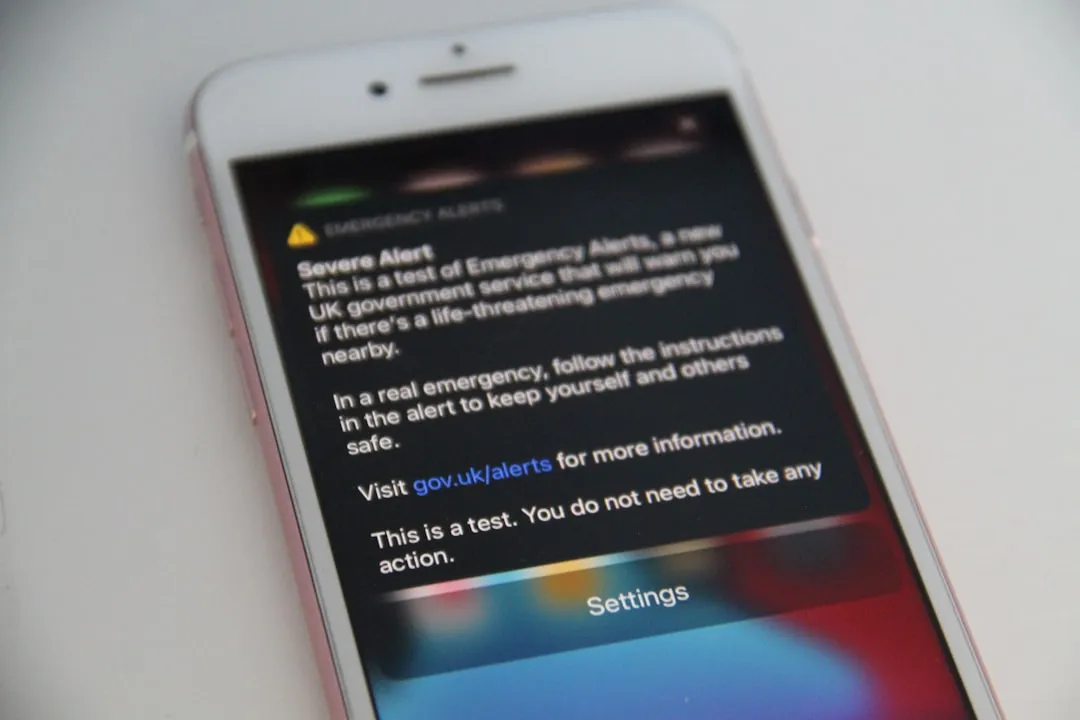
If you're still running iOS 18, you've probably noticed Apple getting a bit more insistent about that iOS 26 upgrade lately. The company has recently started positioning iOS 26.1 as the primary recommended update for users still running the older software, according to MacRumors. This shift represents a significant change in Apple's update strategy, moving iOS 26 from an optional upgrade to the featured choice in Settings. But here's the thing—if you're determined to stay on iOS 18 for now, you still have options, though that window won't stay open forever.
Understanding Apple's gradual update strategy reveals why you might want to act quickly if staying on iOS 18 is your goal. The company doesn't force updates immediately but implements a phased approach that becomes increasingly difficult to avoid. Initially, major software updates are available for manual download on release day, as noted by Cult of Mac. About a month later, Apple begins recommending the update by default in the Software Update screen, and eventually starts sending persistent notifications and badges urging installation. Right now, we're seeing Apple flip the order of available updates, placing iOS 26.1 at the top of the screen while relegating iOS 18 updates to the bottom, according to MacRumors.
This strategic repositioning signals Apple's recognition that iOS 26 adoption hasn't met their expectations. Rather than forcing the transition, they're making the upgrade path more prominent while maintaining user choice—at least for now. The resistance Apple is encountering stems from legitimate concerns users have about this particular update, which represents one of the most significant interface changes in recent iOS history.
The current window of opportunity
Your ability to remain on iOS 18 exists because Apple has historically provided security updates for the previous major iOS version for several months after releasing a new one. Currently, Apple continues providing iOS 18 security updates for those who choose to stay on that operating system, but this support may stop in the coming months, according to MacRumors. This temporary parallel support system gives users breathing room to decide whether they want the latest features or prefer the stability of a mature operating system.
Based on Apple's historical patterns with iOS updates, this grace period typically lasts three to six months after a new version launches. iOS 26 was released on 2025-09-15, iOS 18 support will likely end sometime between early to mid-2026. However, Apple will likely remove the option to stay on iOS 18 eventually, providing iOS 26 as the only upgrade available on compatible devices.
The most straightforward method to avoid iOS 26 involves disabling automatic updates entirely. Navigate to Settings > General > Software Update > Automatic Updates and turn off both "Download iOS Updates" and "Install iOS Updates." This prevents your device from automatically downloading and installing any new software without your explicit permission. If iOS 26 has already been downloaded but not installed, you can remove the update file by going to Settings > General > iPhone Storage and deleting the iOS update file, according to iDownload Blog. This approach gives you complete control over when and if you choose to upgrade.
PRO TIP: Even with automatic updates disabled, Apple may still show you notifications about available updates. These aren't forced installations—they're just reminders that you can dismiss if you want to stay put.
Why some users are hesitant about iOS 26
Understanding the reluctance to upgrade helps explain why Apple is now pushing the update more aggressively. iOS 26 represents Apple's biggest system change since iOS 13, introducing the controversial Liquid Glass design that has drawn criticism for making folders and interface elements harder to see, according to Tom's Guide. The significant interface overhaul means users face a learning curve that some prefer to avoid, especially if their current iOS 18 setup works perfectly for their needs.
What makes iOS 26 particularly divisive is that the Liquid Glass interface isn't just a cosmetic change—it fundamentally alters how you interact with your device. The translucent elements and unified design philosophy across all Apple devices creates consistency, but many users find it makes their familiar iPhone feel foreign. While Apple allows some customization of transparency levels, the core visual approach represents a major departure from iOS 18's more traditional interface design.
Performance concerns add another layer to user hesitation. Many users report concerns about battery drain and device heating issues, particularly when using resource-intensive apps, as noted by UltFone. Battery testing reveals mixed results across different iPhone models, with some devices experiencing faster drainage while others maintain similar performance to iOS 18. Heat complaints are common with iOS 26, especially when using heavy apps, creating real concerns for users who rely on their devices for extended work sessions or demanding applications.
The security consideration you can't ignore
While staying on iOS 18 remains possible for now, security implications deserve serious consideration. Both iOS 26 and the recent iOS 18.7 update address significant security vulnerabilities, including fixes for 12 security issues in iOS 18.7, some of which are serious flaws in WebKit and the iPhone's kernel, according to Forbes. iOS 26 addresses 27 CVEs and offers enhanced protection with better controls for app access to sensitive data.
Here's the security trade-off you're facing: iOS 18.7 provides essential protection against current known vulnerabilities, but iOS 26 offers more comprehensive security improvements and future-facing protections. The enhanced permission controls in iOS 26 give you granular control over how apps access sensitive information, while improved Passkey support makes authentication both more secure and convenient.
If you choose to remain on iOS 18, ensure you're at least running the latest iOS 18.7 security update to maintain basic protection against known vulnerabilities. This provides a middle ground where you keep the familiar interface while still getting essential security patches—but remember, this protection has an expiration date as Apple focuses security resources on iOS 26.
What happens when the window closes
Apple's current approach of allowing users to choose between iOS versions won't last indefinitely. Eventually, customers who want to stay current on security fixes will need to transition to iOS 26, though Apple will continue providing iOS 18 updates for devices that don't support iOS 26, as reported by MacRumors. Once you upgrade to iOS 26, there's no going back—downgrading to iOS 18 becomes impossible after Apple stops signing the older firmware.
The technical reality behind this limitation involves Apple's firmware signing process. Apple digitally "signs" each iOS version to verify its authenticity during installation. When Apple stops signing iOS 18 firmware, your device won't accept downgrades even if you have the software files. This signing process ensures you're running supported, secure software, but it also makes upgrade decisions permanent.
Based on historical patterns, Apple typically maintains signing windows for 1-2 weeks after major releases, but for security updates like iOS 18.7, the signing period may extend longer as Apple encourages gradual migration rather than forced upgrades.
Making the right choice for your situation
Bottom line: staying on iOS 18 remains feasible for now, but requires deliberate action to disable automatic updates and accept the eventual end of security support. If stability, familiar interface design, and proven performance matter more to you than the latest features, iOS 18.7 provides a secure option while Apple continues supporting it, according to UltFone.
For users prioritizing stability and workflow continuity, iOS 18.7 offers a mature, refined experience with known performance characteristics. Business users, content creators who rely on specific apps, and anyone whose iPhone serves as a critical tool may benefit from staying put until iOS 26 reaches similar maturity levels.
However, if you want long-term security support and are willing to adapt to interface changes, iOS 26.1 has reached a stable point and offers enhanced features with ongoing improvements. The choice ultimately depends on whether you prioritize familiarity and current stability over future-proofing and new capabilities—but remember, this choice won't be available forever.
PRO TIP: Create a decision matrix based on your specific needs. Consider factors like your device's role in daily work, comfort level with interface changes, security requirements, and timeline for potential future upgrades. This structured approach helps cut through the upgrade anxiety and focus on what actually matters for your situation.




Comments
Be the first, drop a comment!