





How to use Apple Continuity to connect iPhone, iPad, and Mac
Continuity isn't one setting tucked into a menu. iOS, iPadOS, and macOS bundle nearly a dozen distinct tools under that name, everything from AirDrop and Handoff to lesser-known features like Continuity Sketch and Instant Hotspot (Apple Support, earlier this year). Knowing how to use Apple Continuity well means matching the right feature to the right task, not switching everything on and hoping it sorts itself out.
This guide focuses on iPhone, iPad, and Mac, since together they cover the workflows most people actually rely on day to day. Apple Watch, Apple TV, and Vision Pro also take part in specific features, like Auto Unlock, AirPlay, and Mac Virtual Display, noted where relevant but not the focus here (Apple Support, earlier this year). Start with the compatibility checklist below, then use Continuity between iPhone, iPad, and Mac by picking the workflow that matches the task in front of you.
Apple Continuity requirements before you start
Signing into the same Apple Account on every device is the starting point, and there's nothing extra to install (Apple Support, 2024). Wi-Fi and Bluetooth need to be turned on for Handoff specifically, and Handoff itself is a prerequisite for Sidecar, Universal Control, and Universal Clipboard. Get Handoff working first, and the rest tends to follow (Apple Support, two months ago).
Confirm Handoff itself is enabled. It's on by default, but the toggle sits in a different place on each platform:
- Mac: System Settings > General > AirDrop & Continuity
- iPhone/iPad: Settings > General > AirPlay & Continuity
- Apple Watch: Watch app > General > Enable Handoff
(Apple Support, two months ago)
Baseline setup doesn't guarantee every feature works. Continuity Camera, for instance, additionally needs two-factor authentication on the account, an iPhone XR or later, and macOS Ventura 13 or later (Apple Support, three months ago). Other features carry their own minimums, so check the one intended before mistaking a compatibility gap for a bug.
One requirement trips up more people than any other: the device handing off the task must be unlocked, near the other device, and actively showing the task on screen. Skip any of those conditions and the Handoff icon simply won't appear (Apple Support, two months ago).
Which Continuity feature do you actually need?
Use Continuity between iPhone, iPad, and Mac by choosing the feature that matches the job, not the one that happens to be familiar. Several tools look similar on the surface but solve different problems, which is where most confusion starts.
Resuming a document, email, or webpage on another device is Handoff, not AirDrop (Apple Support, two months ago). Moving copied text or an image without saving a file is Universal Clipboard, a related feature that depends on Handoff being turned on but works through copy and paste rather than app state (Apple Support, two months ago; Apple Support, earlier this year). Sending an actual file, photo, or link to someone nearby is AirDrop, a direct peer-to-peer transfer rather than a clipboard or app handoff (Apple Support, earlier this year).
Wanting a second Mac screen calls for Sidecar. Wanting to control a separate Mac or iPad with one keyboard and trackpad calls for Universal Control. Both put an iPad next to a Mac, which is why people mix them up, but they solve different problems (Apple Support, earlier this year).
Using the iPhone as a Mac's camera calls for Continuity Camera. Answering calls or texts from a Mac while the iPhone stays in a bag calls for iPhone Mirroring, iPhone Cellular Calls, or Text Message Forwarding, depending on exactly what's needed (Apple Support, earlier this year).
Setting up five common Continuity workflows
Resume work instantly: Handoff and Universal Clipboard
Best for: picking up a document, email, or browser tab on another nearby device without losing your place.
Once the same Apple Account is signed in and Handoff is enabled on both devices, look for the Handoff icon: in the Mac Dock or Command-Tab App Switcher, in the iPhone App Switcher banner, or in the iPad Dock. Supported apps include Mail, Safari, Pages, Keynote, and a long list of third-party apps (Apple Support, two months ago). Universal Clipboard works more simply: copy something on one device, then paste it on another nearby device signed into the same account (Apple Support, earlier this year).
The limitation is proximity, not sync. A device that's locked, far away, or not actively displaying the task won't appear as a Handoff option, and Universal Clipboard needs those same nearby, signed-in conditions to work (Apple Support, two months ago).
Send files directly: AirDrop
Best for: transferring a specific photo, document, or map location to a nearby Apple device in seconds, whether that's another device of your own or someone else's.
There's no toggle to flip to receive an AirDrop, though visibility can be set to Contacts Only or Everyone in each device's AirDrop settings. To send, open the share sheet on any file, photo, or link, select AirDrop, and tap the target device's icon. The transfer moves over a direct peer-to-peer Wi-Fi connection rather than through iCloud (Apple Support, earlier this year).
Unlike Handoff, AirDrop moves a finished file, not live app state. It's a one-way delivery, not a continuation of work.
Expand or control your Mac: Sidecar vs. Universal Control
Best for: two different needs that both happen to involve an iPad next to a Mac. Sidecar turns the iPad into a second display or an Apple Pencil input surface. Universal Control lets a single keyboard, trackpad, or mouse operate a separate Mac or iPad (Apple Support, earlier this year). Both rely on Handoff being enabled as a baseline dependency (Apple Support, two months ago).
Both features appear in the Mac's Displays settings, listed alongside AirPlay destinations, once Handoff is on and the nearby iPad or second Mac is signed into the same Apple Account. Selecting a device for Sidecar offers the choice to extend the Mac desktop or mirror it, which is what makes it useful for drawing with Apple Pencil directly inside a Mac app (Apple Support, last year). Universal Control instead connects as soon as the cursor moves toward the screen edge facing the other device, letting one keyboard and trackpad move between machines (Apple Support, earlier this year).
Universal Control tops out at two additional nearby Mac or iPad devices at once, and both features require the devices to stay within Wi-Fi and Bluetooth range to keep working (Apple Support, earlier this year).
Use iPhone as a Mac camera: Continuity Camera
Best for: using the iPhone's camera and microphone as a Mac's webcam and mic in FaceTime or similar video apps (Apple Support, earlier this year).
This feature carries more requirements than most: an iPhone XR or later, macOS Ventura 13 or later, two-factor authentication on the shared Apple Account, and both devices nearby with Wi-Fi and Bluetooth turned on. The iPhone also needs to stay properly mounted in landscape orientation, and neither device can be actively sharing its own internet connection, meaning no active Personal Hotspot on the iPhone and no internet sharing turned on the Mac (Apple Support, three months ago).
It's on by default, so mounting the iPhone near the Mac, wired or wireless, is normally enough for the Mac to list it as a camera and mic option in supported apps; once mounted, effects like Desk View become available (Apple Support, three months ago). Using it over USB requires the iPhone to trust the Mac; using it wirelessly requires the Mac not be running AirPlay or Sidecar at the same time (Apple Support, three months ago).
A related quirk: while running wirelessly, the iPhone may occasionally shift background tasks like email and messages onto cellular data to keep the camera connection stable. That's expected behavior, not a dropped session, and plugging the iPhone in stops it (Apple Support, three months ago).
Keep your iPhone within reach: iPhone Mirroring, calls, and texts
Best for: seeing iPhone notifications, answering calls, or sending texts without picking up the phone, through three distinct features rather than one setting.
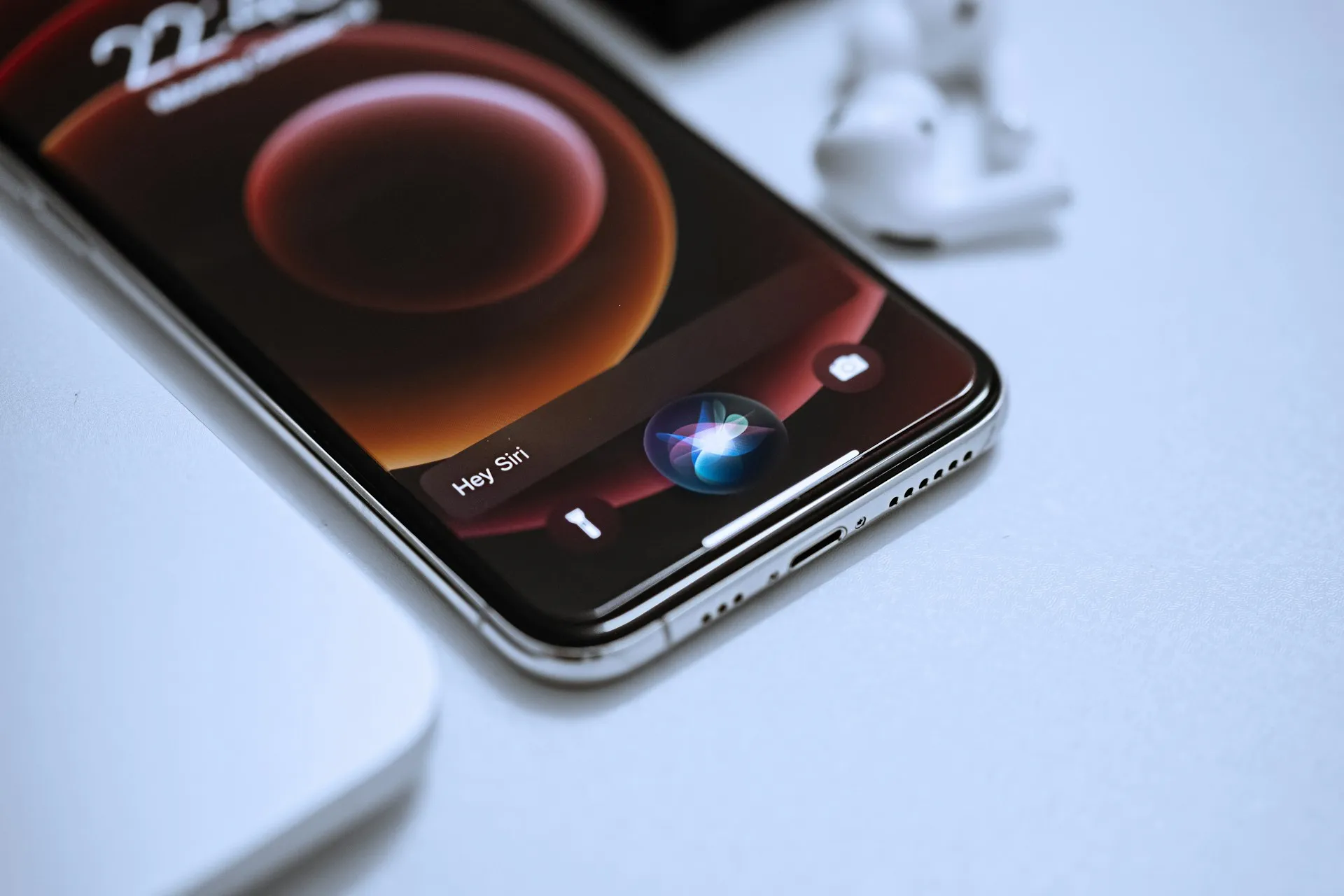
iPhone Mirroring lets a Mac wirelessly interact with a nearby iPhone's apps, along with receiving notifications and Live Activities (Apple Support, earlier this year). It doesn't have a separate on/off switch the way Text Message Forwarding does; it simply appears on the Mac once the iPhone is signed into the same Apple Account and nearby, provided both are running current software and the feature is available in that region (Apple Support, 2024).
iPhone Cellular Calls let a Mac or iPad make and receive calls carried over the iPhone's cellular connection, but only when the receiving device shares the same network as the iPhone (Apple Support, earlier this year).
Text Message Forwarding sends and receives SMS, MMS, and RCS messages from the iPhone on a Mac or iPad. It's turned on from the iPhone under Settings > Messages > Text Message Forwarding, where the target Mac or iPad is selected (Apple Support, earlier this year).
Apple's iPhone User Guide states iPhone Mirroring isn't available in the European Union (Apple Support, 2024). That guide predates several OS updates since, so current regional support pages are the better source before assuming the restriction still holds.
Troubleshooting: a diagnostic sequence
When a feature that used to work suddenly doesn't, work through this order rather than guessing at random fixes.
- Confirm hardware and software meet the specific feature's requirements, not just the general baseline. A feature that needs an iPhone XR or macOS Ventura won't appear on older hardware no matter what else gets toggled (Apple Support, three months ago).
- Check proximity and radios: Wi-Fi and Bluetooth on, devices near each other, and the source app open and active for anything Handoff-dependent (Apple Support, two months ago).
- Verify the feature's own toggle. Handoff, Continuity Camera, and Text Message Forwarding each have a separate on/off switch, so recheck the settings paths above rather than assuming a prior setup still holds.
- Rule out feature-specific blockers. Cellular Calls fails outright if the iPhone and the receiving device aren't on the same network (Apple Support, earlier this year), and Continuity Camera drops wireless connections the moment the Mac starts using AirPlay or Sidecar, or if the iPhone temporarily shifts to cellular data; plugging the iPhone in resolves both (Apple Support, three months ago).
Working through these four in order narrows down the cause faster than testing fixes at random.
Conclusion
Working through the checklist above, then narrowing down to the specific feature needed, turns Continuity from a source of confusion into a genuinely useful set of tools. When something stops working, the diagnostic sequence gives a starting point instead of random troubleshooting: hardware and software requirements first, then proximity and radios, then the feature's own toggle, then any feature-specific blocker like a mismatched network or a conflicting AirPlay session.
Apple adds to this list of features fairly regularly, and requirements shift between OS releases, so it's worth revisiting the official Continuity requirements page occasionally rather than assuming last year's setup still covers everything. For now, the five workflows above, matched to the right task rather than switched on all at once, are the reliable way to make an iPhone, iPad, and Mac feel like one workspace.



Comments
Be the first, drop a comment!