





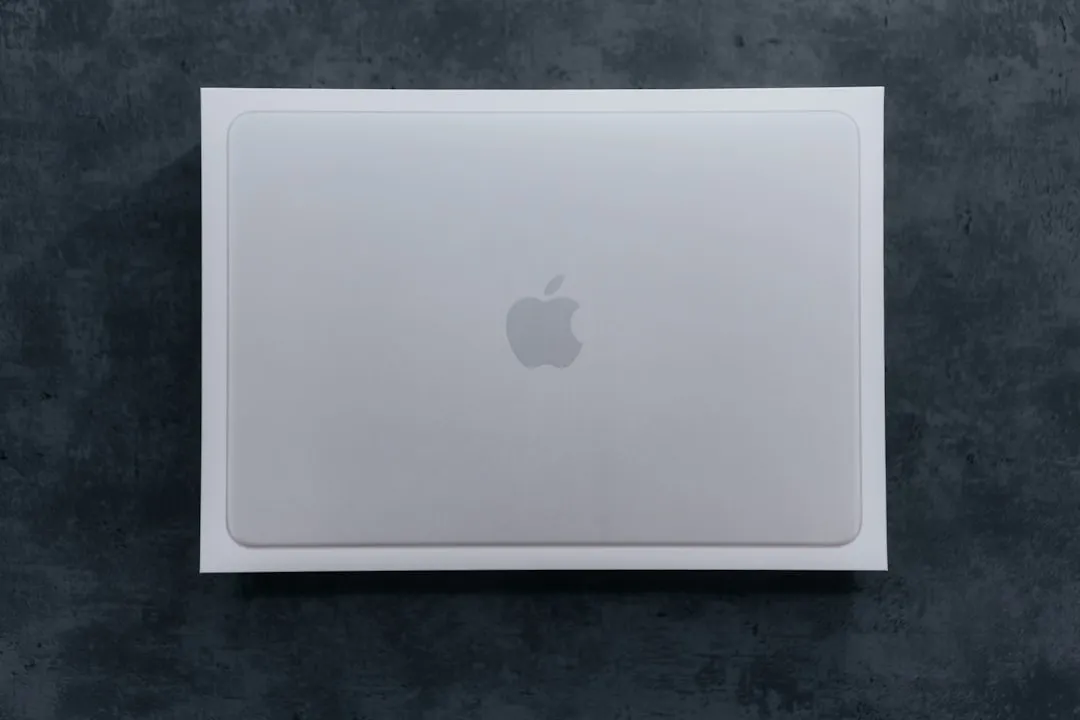
Ever wondered what it's like to have the exclusive accent colors from Apple's newest devices on your own Mac?
Apple has introduced device-specific color themes that match their hardware lineup, but these special hues remain locked to specific machines—until now. Apple includes unique accent options for iMac and the recently announced MacBook Neo that complement their bold color schemes, and any Mac can access these restricted color choices through a specialized app. The solution comes from developer Mahdi Bchatnia, who created a free utility called Accents that unlocks Apple's device-specific color palettes.
How macOS accent colors actually work behind the scenes
Here's what you need to know about Apple's accent color system: it operates as a sophisticated theming engine that touches nearly every interface element. The accent color controls buttons, icons, and menu elements throughout macOS, creating a unified visual thread that flows across system interfaces and third-party apps that support it.
Technically speaking, the system manages two distinct accent mechanisms. Standard macOS offers eight built-in options: Blue, Purple, Pink, Red, Orange, Yellow, Green, and Graphite, plus a Multicolor setting that intelligently adapts based on content context. But there's a developer-level complexity that most users never encounter: Some SwiftUI apps may only reflect custom accent colors when 'Multicolor' is selected, leading to inconsistencies.
The device-specific colors work differently. The app works by manipulating two system properties: NSColorSimulatedHardwareEnclosureNumber and NSColorSimulateHardwareAccent, which essentially tell macOS to display color options that would normally remain invisible on non-matching hardware. This creates a bridge between Apple's hardware-locked theming and universal Mac customization.
What makes device-specific colors special?
The MacBook Neo and iMac accent colors represent Apple's boldest hardware-software integration strategy in years. Launched at $599, the MacBook Neo comes in four distinctive finishes: blush, indigo, silver, and citrus, marking the most assertive MacBook color approach in recent memory.
These colors are designed to visually match the physical hardware. Each accent shade precisely matches its corresponding aluminum finish, creating visual continuity between the device exterior and interface elements. The four-color strategy simplifies choice while allowing personality expression, with blush and indigo targeting creative professionals and students, silver maintaining office-appropriate neutrality, and citrus pushing into genuinely playful territory.
The historical significance runs deeper than surface aesthetics. The 24-inch iMac's seven-color lineup directly references Apple's 1990s heritage, when colorful translucent designs helped revive the company during its darkest period. Today's device-specific colors represent Apple's confidence in their refined anodization processes, learned from years of experimentation with colored aluminum that didn't always age gracefully.
Getting started with the Accents app
Installing the Accents app requires minimal technical expertise, but understanding its underlying mechanism helps ensure smooth operation. The process begins with system compatibility: users need macOS 12 or later, which represents when Apple introduced the foundational color management features, rather than an app limitation.
The workflow follows a specific sequence: download the app from Mahdi Bchatnia's website, launch it, select your desired device-specific color, then handle the activation quirks. Open applications must be restarted for accent changes to take effect—this isn't a bug but rather how macOS handles system-level preference changes. Additionally, users may need to manually select the color option in System Preferences to complete the activation.
Think of the app as a key rather than a paintbrush. It unlocks colors that already exist in macOS but remain hidden without the appropriate hardware signatures. Once unlocked, the colors integrate seamlessly into the standard System Preferences interface, appearing as additional options beyond the typical eight-color palette.
Privacy and security considerations for system modification
Let's address the security implications directly—any third-party system modification deserves careful scrutiny. The Accents app takes a conservative approach that minimizes risk while delivering functionality.
Instead of modifying core system files or installing kernel extensions, the app modifies UserDefaults settings rather than system files. UserDefaults represents Apple's standard mechanism for storing user preferences, making this approach comparable to changing any other system setting through official interfaces. These changes affect user preferences rather than core system functionality, preserving system integrity while enabling cosmetic customization.
However, no modification exists without potential complications. Some users report occasional color-switching glitches that require restarting interface processes or full reboots to resolve display inconsistencies. These issues typically manifest as colors not updating uniformly across all interface elements, rather than system crashes or data loss.
Bottom line: this represents about the safest possible approach to system customization, operating within Apple's intended preference management framework while accessing officially supported but hardware-restricted features.
Troubleshooting and rollback options
Even straightforward customization tools encounter compatibility challenges, particularly as Apple continues iterating macOS across multiple hardware generations. The most frequent issue involves color transitions that don't propagate consistently across all interface elements.
For color-switching problems, there's a reliable Terminal-based solution: users can resolve issues by running killall Dock; killall Finder in Terminal to refresh system interface elements without requiring a complete restart. This command forces the Dock and Finder processes to reload, re-reading the current accent color settings and applying them consistently across visible interface elements.
Visual confirmation comes through System Preferences: the custom accent color appears as an additional option beyond the standard Graphite setting, making it easy to identify successful installation and switch between standard and device-specific options.
For users concerned about permanent changes, there's encouraging news about Apple's future plans. Reports suggest macOS 26.4 may bring MacBook Neo wallpapers to all Macs, suggesting the company may eventually democratize device-specific customizations through official channels, potentially making third-party solutions unnecessary.
The bigger picture: Apple's evolving color philosophy
This customization trend illuminates Apple's strategic pivot toward personalization after nearly a decade of minimalist, universally neutral design. The shift reflects both market pressures and technical capabilities that didn't exist during the Steve Jobs era.
Color execution with quality has proven an economical way to convey freshness without re-engineering entire devices, as demonstrated by successful iPhone color releases and the surprisingly popular colorful iMac revival. This approach leverages refined manufacturing processes—particularly advanced anodization techniques—to create meaningful differentiation without fundamental hardware redesigns.
Market response validates the strategy. Early user reactions to MacBook Neo colors cluster around relief that Apple embraced color on budget hardware, though practical concerns emerge about visible wear patterns on lighter finishes like citrus yellow. The broader insight proves significant: the appetite for colorful laptops never disappeared—it just needed a flagship brand to bring it back to mainstream acceptance.
This represents more than aesthetic preference—it signals Apple's recognition that mature computing markets demand emotional connection alongside technical capability.
Where customization meets official support
The Accents app functions as both a practical utility and a preview of Apple's design evolution. It reveals where the company is heading while serving immediate user needs.
Consider the underlying market dynamic: performance and battery life have become table stakes, but device appearance on your desk still matters significantly. This drives demand for personalization options that extend beyond hardware purchase decisions into the ongoing daily experience.
Apple's strategy of pairing entry-level pricing with distinctive finishes bets that color can signal personality without sacrificing professional credibility. The MacBook Neo's $599 price point makes this particularly strategic—it positions color as accessible rather than premium, broadening appeal across educational and consumer markets where Chromebooks have dominated through generic, utilitarian designs.
The ecosystem responds predictably. Case manufacturers already tease complementary accessories for new color options, indicating that color coordination demand extends beyond primary devices into supporting accessories, creating additional revenue streams across Apple's partner network.
As Apple expands official color support across its hardware lineup, tools like the Accents app serve a transitional role—they satisfy immediate user desires while Apple determines which customizations deserve official implementation. The fact that device-specific colors exist within macOS but remain artificially restricted suggests Apple is testing market response before committing to broader availability. Until that happens, the Accents app provides a bridge between user demand and corporate caution, letting anyone experience Apple's most exclusive color combinations without waiting for official permission.



Comments
Be the first, drop a comment!