




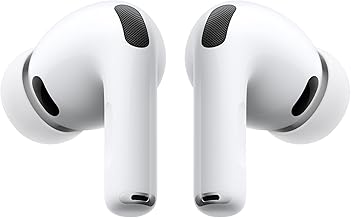
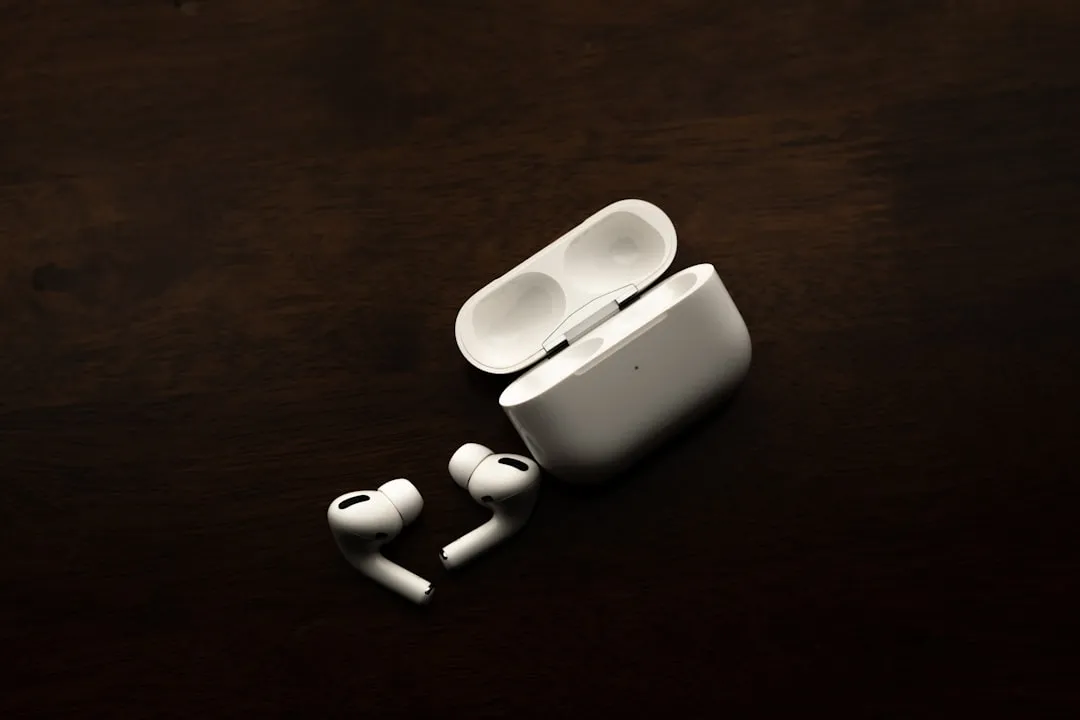
Apple's AirPods hearing health suite reached the Philippines in March 2026, the latest addition to a rollout that now spans more than 100 countries and regions. Apple's broader hearing health suite covers three distinct capabilities: a Hearing Test, a Hearing Aid mode for mild to moderate loss, and active Hearing Protection, though availability varies by feature and region.
The country count is real. Universal access is not. Getting these features requires the right hardware, the right software, and a regulatory body in your country that has signed off. That combination narrows the eligible audience considerably, and understanding where the gates are is more useful than the headline number.
Roughly 1.5 billion people worldwide live with some form of hearing loss, per WHO figures cited by Apple. Separately, an estimated 1.3 billion adults globally live with hypertension, the leading modifiable risk factor for heart attack, stroke, and kidney disease. Those numbers cited by Apple frame the ambition behind its wearable health push across both AirPods and Apple Watch.
How the rollout works: certification first, markets after
Apple does not flip a switch and make health features available everywhere at once. The pattern across both AirPods and Apple Watch is consistent: secure regulatory approval in a given market, then launch there.
For the AirPods hearing suite, Bahrain was an early example, receiving access in December 2025. The Philippines followed in March 2026. Hearing Protection, a related feature, reached EU and UK users only after those regions granted certification. Apple has not publicly detailed why the timing differs between markets beyond general references to local certification requirements.
The Apple Watch hypertension notification followed the same path. One Apple document published in September 2025 described FDA clearance as "expected soon," while a separate software release announcement published the same month stated the feature was "now available" with FDA and other global health authority authorization.
These statements came from different Apple releases within the same launch period; the discrepancy likely reflects staggered publication timing rather than a change in status, though Apple did not clarify the gap. The feature is now available in more than 150 countries and regions.
One number worth keeping in mind: "more than 100 countries" for the hearing features and "more than 150 countries" for hypertension notifications are not the same number. Neither is global.
Who can use Apple's AirPods Pro hearing test and hearing aid feature
Owning AirPods Pro is necessary but not sufficient. Three requirements have to align.
Device and software. The Hearing Test and Hearing Aid features require AirPods Pro 2 or AirPods Pro 3, running the latest firmware, paired with a compatible iPhone or iPad running iOS 18 or iPadOS 18 or later.
Intended use case. Both the Hearing Test and Hearing Aid are intended for users 18 and older. The Hearing Aid mode specifically is designed for people with perceived mild to moderate hearing loss — it is not intended for severe or profound loss. Users outside that range are not the target, and Apple's materials make no claims about efficacy for them.
Regional availability. Apple states directly that some hearing health features are not available in all regions, per the AirPods Pro 3 announcement. A current list of supported markets is on Apple's page.
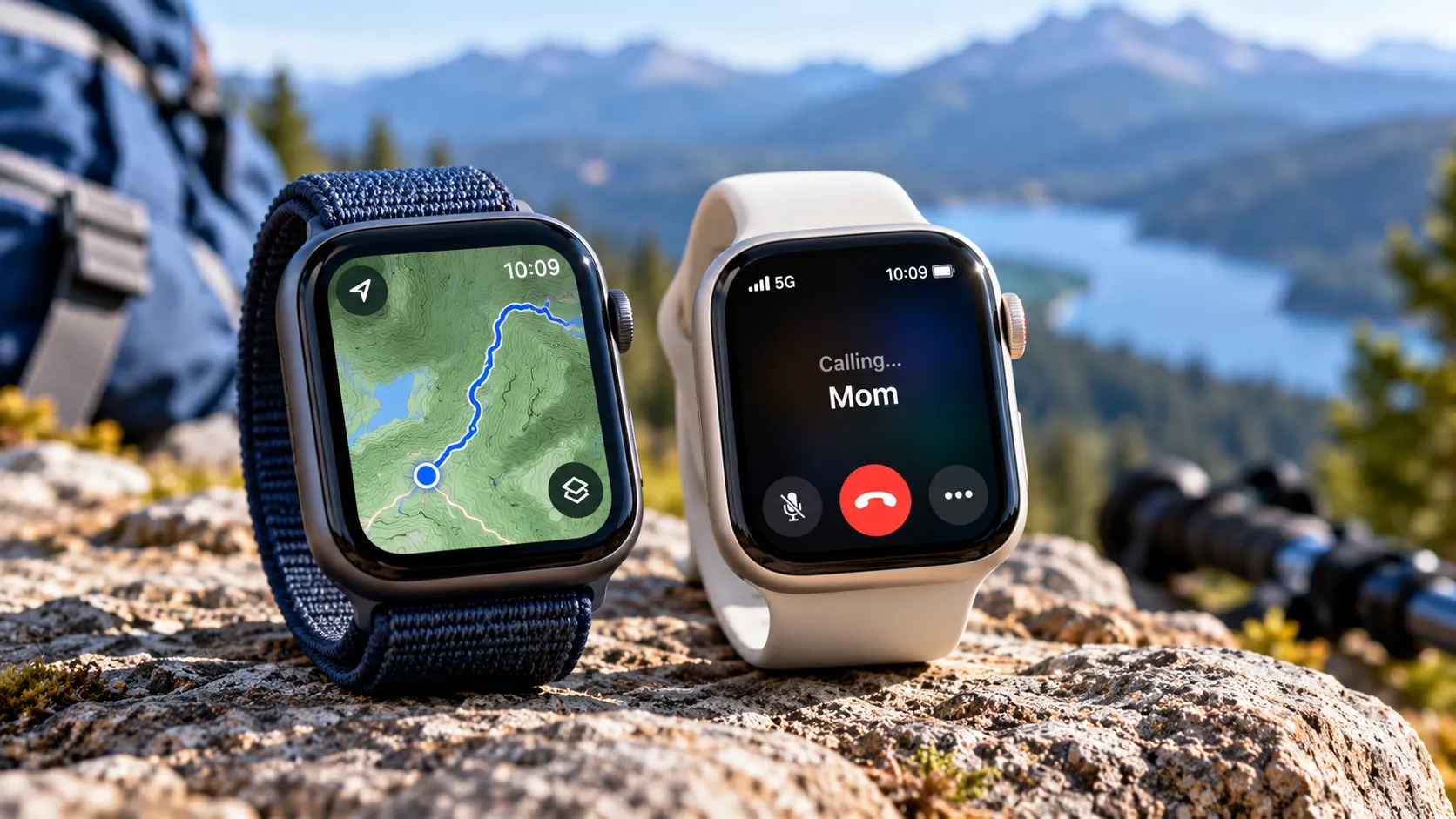
For Apple Watch, the hardware floor is Series 9 or Ultra 2, with watchOS 26, in a supported region, per Apple's Series 11 announcement. The eligibility constraints here are as consequential as the features themselves.
What the AirPods hearing suite actually does
Three tools, three different jobs. Keeping them distinct matters.
The Hearing Test is a screening tool. It uses pure-tone audiometry, the same clinical standard used in professional settings, and takes about five minutes to complete at home using AirPods Pro and a compatible iPhone or iPad.
When finished, the user gets a summary in the Health app showing hearing level per ear, a classification, and recommendations. The results include an audiogram stored privately in the Health app, which can be shared with a healthcare provider. These are Apple Health app hearing results, not a clinical diagnosis.
The Hearing Aid mode is an assistance tool for an established condition. For users with perceived mild to moderate hearing loss, it amplifies and adjusts environmental sound in real time based on either the hearing profile generated by the test or an audiogram from a hearing health professional. Once set up, it applies those adjustments automatically across music, calls, movies, and games without any manual changes required, per Apple's Bahrain announcement. Apple describes both the test and the aid as validated through rigorous scientific studies, but that framing is Apple's own, and the announcements reviewed for this article did not cite independent peer-reviewed comparisons against traditional OTC hearing aids.
Hearing Protection works with AirPods Pro 2 or later and a compatible iPhone, iPad, or Mac, subject to software and regional availability. The H2 chip actively attenuates harmful environmental noise at 48,000 times per second, on top of passive reduction from the ear tips. It runs by default in Transparency and Adaptive Audio modes.
The Apple Watch parallel: passive detection, not diagnosis
The Apple Watch hypertension notification is a different category of tool, entirely passive pattern detection that prompts follow-up, not a screening you initiate or a diagnosis you receive.
The feature uses the optical heart sensor to analyze how blood vessels respond to the heart's beats, reviewing data passively over rolling 30-day periods. If it consistently detects signs of elevated blood pressure, it sends a notification.
Apple's guidance from there is specific: users who receive a notification should log their blood pressure for seven days using a third-party cuff and share the results at their next provider visit, which Apple notes aligns with American Heart Association guidelines for hypertension management.
Apple says the underlying machine learning model was trained on data from studies involving more than 100,000 participants and validated in a separate clinical study of more than 2,000 people. Apple also projects the feature could notify more than one million people with undiagnosed hypertension in its first year. Both figures are Apple's own; the announcements reviewed here do not include independent replication of either claim, and the projection carries no publicly available methodological detail.
The comparison to the AirPods hearing suite is instructive. Both platforms moved through the same regulatory sequence before landing in each market. Both use clinically grounded methods, Apple says, that were validated in studies. Neither positions itself as a diagnostic endpoint. That consistent framing, screening, and early awareness, not diagnosis, appears to be the deliberate lane Apple has staked out across its health wearables.
Where the expansion goes from here
The AirPods hearing health features expansion is real and still moving. The Philippines in March was the most recent addition to a list that crossed 100 markets; Apple Watch hypertension notifications have already reached more than 150. The gap between those two numbers reflects how much regulatory timelines vary by market and by feature type.
What happens next depends less on Apple's product calendar than on how quickly health authorities in remaining markets move. The most consequential approvals will likely come in regions where hearing loss and hypertension carry the greatest burden and where access to traditional care is most constrained. That is where the reach of a device people already own could matter most if the regulatory path gets there.







Comments
Be the first, drop a comment!