



![Watch SE 3 [GPS 40mm] Smartwatch with Starlight Aluminum Case with Starlight Sport Band - S/M. Fitness and Sleep Trackers, Heart Rate Monitor, Always-On Display, Water Resistant](https://m.media-amazon.com/images/I/61xkvg-RStL._AC_UY218_.jpg)
![Watch SE 3 [GPS 40mm] Smartwatch with Midnight Aluminum Case with Midnight Sport Band - S/M. Fitness and Sleep Trackers, Heart Rate Monitor, Always-On Display, Water Resistant](https://m.media-amazon.com/images/I/61ZTaGRrabL._AC_UY218_.jpg)
![Watch Series 11 [GPS 46mm] Smartwatch with Jet Black Aluminum Case with Black Sport Band - M/L. Sleep Score, Fitness Tracker, Health Monitoring, Always-On Display, Water Resistant](https://m.media-amazon.com/images/I/71FfI3kYFQL._AC_UY218_.jpg)
Granola Apple Watch App Explained: Features, Privacy Gaps, and Timing
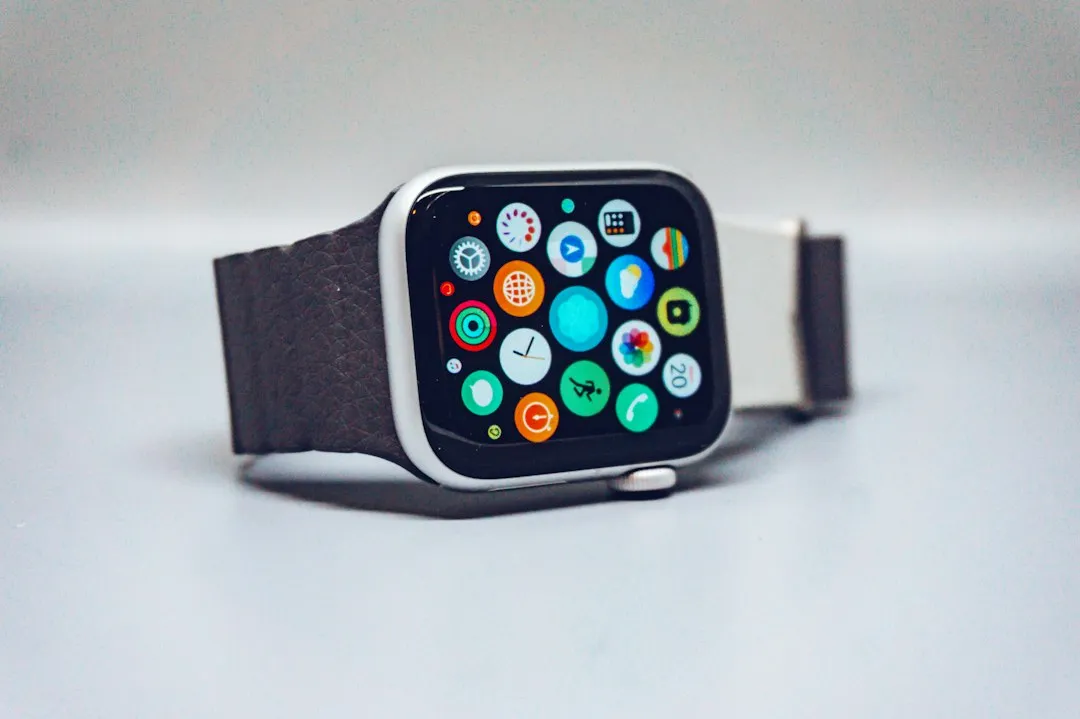
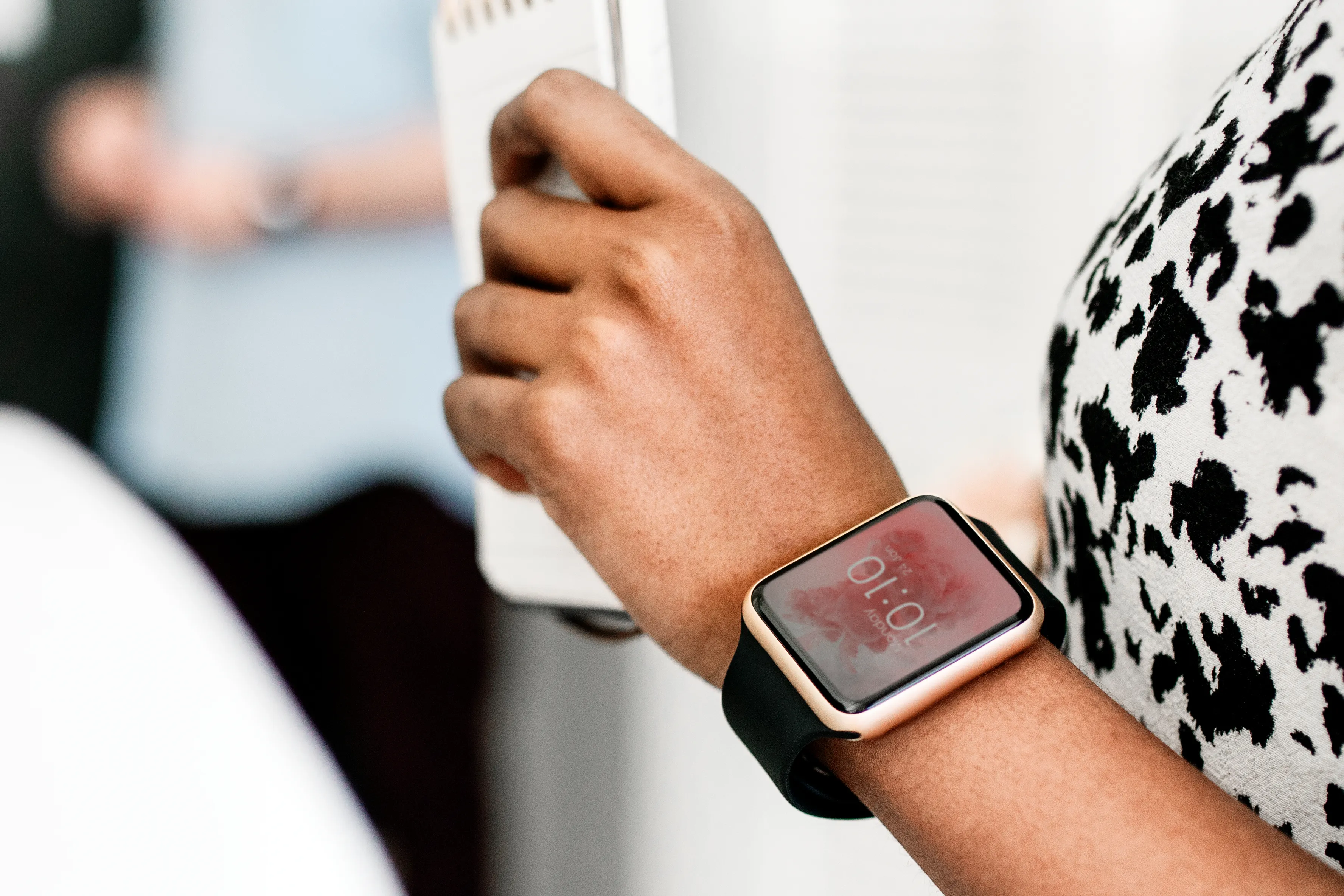
Granola, the AI meeting notepad popular with founders and recruiters for generating clean summaries from live conversations, launched an Apple Watch app today that lets users record and summarize meetings with two taps, no phone required. MacObserver covered the launch today, reporting how the app works from a watch face complication and routes structured summaries to connected Apple devices once a conversation ends.
Here's what the launch coverage confirms, what it leaves open, and why Apple's recent platform changes help explain the timing.
What the Granola AI meeting notes Apple Watch app actually does
Tap a complication on the watch face when a conversation starts, tap it again when it ends. No phone to unlock, no laptop to open. The app then processes audio in the background and delivers a summary with action items to the user's connected iPhone, Mac, or iPad, MacObserver reports.
MacObserver also reports the app handles noisy environments well. That claim comes from a single outlet and hasn't been independently tested, so treat it as a promising signal, not an established baseline.
The interaction model is worth examining on its own terms. Pulling out a phone recorder in front of someone signals something. A quick tap at the wrist doesn't. That's the specific social friction Granola is removing, and it's worth stating plainly that removing that friction is also what makes consent a legitimate question here.
What current reporting leaves unanswered
The coverage so far doesn't establish where audio processing actually happens. Whether the app captures audio on the watch and hands it off to an iPhone, routes it to Granola's own servers, or uses some combination is not addressed in available reporting. For a meeting-recording tool, that's not a technical footnote. It's the core question about data exposure.
Privacy architecture, consent prompts, data retention, and encryption are all unaddressed in current sources. Available coverage of the app's launch doesn't speak to any of this, and Granola has not published documentation on these points in the sources reviewed here.
There's also no comparative data. No head-to-head against Otter, Plaud, Apple Notes transcription, or any other meeting-capture tool. The two-tap interaction is clean; whether the output quality justifies switching from an established workflow is a separate question, and one that remains open.
Users considering this for legal consultations, HR conversations, medical discussions, or financial meetings should treat the absence of documented privacy controls as a meaningful gap, not a minor caveat.
Why the Granola watchOS app arrives now
Apple's recent speech API changes and watchOS strategy help explain why developers are testing this use case at this moment. With iOS 26, Apple introduced a SpeechAnalyzer API explicitly built for "long-form and distant audio, such as lectures, meetings, and conversations," and confirmed it's deploying the same model in its own Notes app, per a WWDC 2025 session. The infrastructure for ambient speech capture is being normalized at the OS level, which lowers the barrier for third-party developers building in the same space.
One constraint is worth flagging clearly: Apple's SpeechTranscriber model, the newer on-device version that handles heavier processing, is currently unavailable on watchOS, per the same WWDC session. The watch functions as a capture surface; it isn't doing the AI work independently. That distinction matters for understanding what Granola's app is actually doing. The WWDC material describes Apple's platform direction, not Granola's specific implementation.
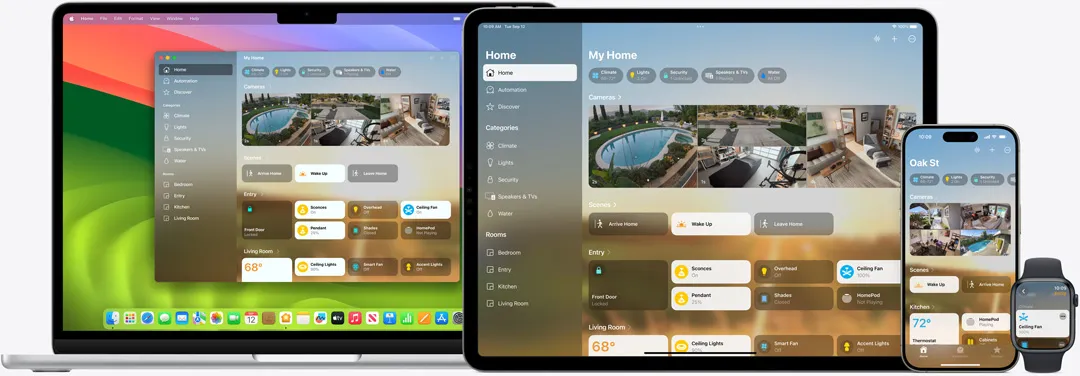
Apple's design intent is explicit. David Clark, Apple's senior director of software engineering for watchOS, told The Verge two weeks ago that the goal is having the watch "tightly connected with the phone" so shared personal context drives a consistent experience across devices. "By having the watch tightly connected with the phone, having that personal context drive the whole experience, we can start setting the expectation that it's one Siri AI," Clark said. The watch as a smart capture point feeding into a broader ecosystem is the architecture Apple is building toward, and Granola's launch fits that pattern.
Who this is for, and the lesson from failed AI hardware
The Granola watchOS app makes the most obvious sense for people already using Granola on their phone or Mac who want a lower-friction entry point. It extends an existing workflow rather than demanding a new one.
For sensitive meetings where recording norms and data handling carry real stakes, the picture is less clear. Without public documentation on retention policies, encryption, and consent flows, anyone operating in legal, medical, or financial settings is being asked to infer what they can't verify.
The contrast with purpose-built AI wearables is worth a beat. The AI pin failed, Alex Smale argued in May, because it was less convenient than the smartphone already in people's pockets. "The problem was not AI. It was friction disguised as innovation," Smale wrote. Granola's approach runs in the opposite direction: new capability layered onto hardware people already own, with an ask of a single tap rather than a new device. Smale's broader analysis concludes that Meta, Google, and Apple have each absorbed a version of the same lesson. Wearable AI that survives quietly removes friction within ecosystems people already trust, rather than trying to replace those ecosystems entirely.
What the next round of coverage needs to answer
Granola's launch is a narrow product story with a wider signal. AI productivity workflows are extending to the wrist not through new device categories, but by adding low-friction input surfaces to hardware people already own. The watch is the capture point; the intelligence is distributed across the ecosystem around it.
Apple's platform direction, with new speech APIs designed for long-form conversation capture and built to feed into Apple Intelligence summarization pipelines, gives developers a cleaner path to this class of app, as outlined at WWDC 2025. The category will grow.
Whether Granola's implementation earns broader trust will depend on answers to questions today's coverage doesn't address:
Where is audio processed: on-device, on iPhone, or on Granola's servers?
Do recordings leave the user's hardware at any point, and under what conditions?
What retention controls exist, and how long does Granola hold transcripts?
Does the app surface any consent signal to other parties in a conversation?
For a tool designed to quietly record conversations, those aren't edge cases. They're the questions that will determine whether this use case moves from early adopters to anyone operating in a context where the stakes of a leaked transcript are higher than a missed action item.

Comments
Be the first, drop a comment!