



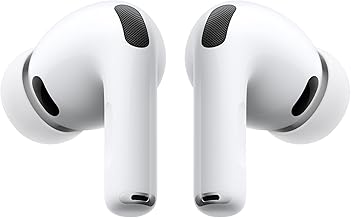

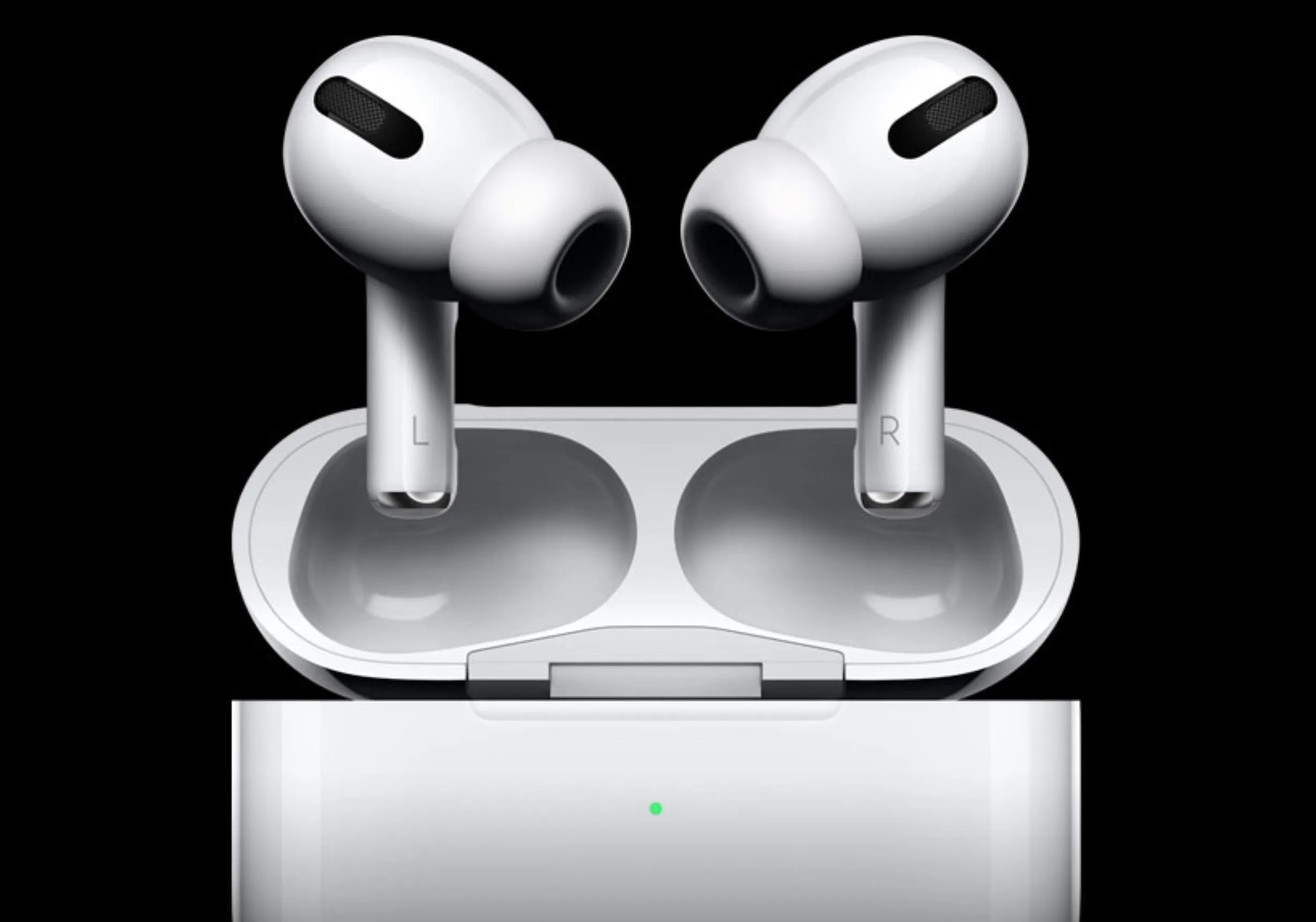
On current lab evidence, AirPods Pro 3 are accurate enough for average workout heart-rate tracking, but not proven for beat-to-beat precision. A peer-reviewed study published recently found the earbuds tracked heart rate within about two beats per minute of a validated ECG chest strap during treadmill exercise. That's a number worth pausing on. It's also an incomplete picture, and the gap between "accurate on average" and "reliable beat-to-beat" is where the real analysis lives.
Three pieces of evidence, read together, tell a coherent story. The University College Dublin validation study answers whether AirPods Pro 3 are credible at all they are, within defined limits. The broader wearables placement literature explains why the ear canal can be a viable optical sensing site. And Apple's own ecosystem design reveals why framing this as "AirPods vs. Apple Watch" misses the point: the two devices serve different roles and, worn simultaneously, draw from whichever source returns higher-confidence data at any given moment.
Across 16,735 paired five-second readings, AirPods Pro 3 showed a mean bias of just -0.03 beats per minute against the Polar H10 chest strap, negligible systematic error with an overall mean absolute error of 2.08 bpm and mean absolute percentage error of 2.02%, according to PLOS Digital Health. When both devices are worn during a workout, Apple states the system automatically selects the higher-confidence reading moment to moment.
This analysis examines what the AirPods' accuracy data actually shows, including its limits, contextualizes those numbers using the placement literature, and closes with practical guidance on who can trust these readings for what.
AirPods heart rate sensor vs Polar H10: what the lab study actually found
Researchers at University College Dublin tested 40 healthy adults (mean age 23 years, 37.5% female) through a graded treadmill protocol targeting intensities from 40% to 85% of age-predicted maximum heart rate, held in a lab maintained at 19–22°C. The protocol included rapid workload transitions between stages, not just steady-state running. Ear-tip fit was confirmed before each session, and AirPods data was analyzed exactly as delivered to end users, with no additional smoothing or signal filtering applied, the study notes.
Data was aggregated into non-overlapping five-second windows, in line with INTERLIVE methodological recommendations, rather than measured beat-to-beat. That reduces short-duration noise, but it also means the study captures average accuracy across brief intervals, not the instantaneous responsiveness that matters most for high-intensity interval work, where heart rate can shift sharply in under ten seconds.
Average accuracy is genuinely strong. Across those 16,735 paired epochs, mean absolute error ranged from 1.31 bpm at rest to 2.74 bpm during vigorous exercise; MAPE ranged from 1.52% during vigorous effort to 2.32% at light intensity. The near-zero mean bias indicates no consistent tendency to over- or under-read, and the protocol's inclusion of rapid workload transitions partially addresses concerns about steady-state-only testing, the study found.
Moment-to-moment variability is the honest asterisk. The 95% limits of agreement stretched from -10.27 to +10.22 bpm, with dispersion increasing at higher heart rates. Importantly, that spread came almost entirely from within-participant fluctuations rather than from some users consistently performing worse than others, suggesting the error source is dynamic signal noise under exercise conditions, not a reliability gap between individuals.
The comparison is against a chest strap, not the Apple Watch. The Polar H10 ECG-derived strap was the reference device, establishing how closely AirPods Pro 3 tracked against a validated chest-worn reference on five-second-averaged treadmill data. The study doesn't rank them against any other consumer wearable. Participants who were pregnant or taking heart-rate-altering medications were excluded. The evidence is solid for this population in this setting, and early for anything beyond it.
Whether AirPods Pro 3 perform similarly during cycling, strength training, HIIT, or outdoor runs in varying weather remains untested.
Why sensor placement matters and where the ear fits
The placement finding that most reframes assumptions about wrist-based sensing comes from wearable placement research. Researchers fitted identical Whoop 4.0 devices simultaneously on the wrist, forearm, and upper arm of the same participants during rest, walking, and graded exercise. The upper-arm unit consistently outperformed the wrist unit. Same hardware, materially different results based on location alone, the research found.
During graded treadmill exercise in that study, a forearm-mounted Polar Verity Sense optical sensor achieved a bias of less than 0.1 bpm with limits of agreement of roughly ±2 bpm among the tightest numbers in the dataset. The AirPods' ±10 bpm limits are wider, but both sensors share the same underlying challenge: motion artifact at higher intensities, expressed differently at different anatomical sites, the researchers noted.
There's clinical precedent for in-ear optical sensing specifically. A 2022 validation of a different in-ear PPG device across 97 clinical patients logged more than 2,000 hours of simultaneous ECG and ear-sensor data, producing a bias of 0.78 bpm and MAPE of 2.57%, but only after filtering out approximately 40% of the raw readings based on signal quality flags, Frontiers in Digital Health reported. The ear canal is a viable optical site; performance depends heavily on how aggressively a device manages signal quality behind the scenes.
The mechanical logic is straightforward. The wrist contends with constant arm swing, variable skin contact under motion, and physical distance from central arterial sites. The ear canal, when fit is correct, maintains more stable sensor-to-skin contact and moves less during running than the wrist does. That doesn't guarantee superior accuracy, but it's the structural reason in-ear sensing can be competitive with wrist-based optical sensing during exercise.
Fit matters enormously. The UCD study confirmed proper ear-tip sizing before every session; Apple's support documentation lists consistent skin contact as the primary accuracy variable. Beyond fit: higher exercise intensity widens variability, rapid heart rate transitions are the weakest case for five-second epoch accuracy, and conditions outside a controlled lab, sweat, cold, and outdoor running biomechanics haven't been studied with AirPods Pro 3 specifically.
The placement literature suggests the wrist isn't the default best site for optical heart rate sensing; it's the most convenient. Whether AirPods outperform any specific wrist device head-to-head under controlled conditions remains an open empirical question.
AirPods vs Apple Watch heart rate accuracy: what we can and can't compare
For most recreational users tracking average workout intensity, calorie estimates, and general aerobic zones, a 2 bpm average error is unlikely to change any training decision. Apple routes AirPods heart rate and motion data to the Health and Fitness apps on iPhone to calculate workout metrics, including heart rate, calories burned, Move ring progress, and awards.
Athletes doing interval work are precisely the users for whom five-second epoch accuracy and ±10 bpm limits of agreement matter most. Heart rate might spike from 130 to 170 bpm in under 30 seconds during a hard interval; the UCD study found that variability increases with workload. For tight heart-rate zone training or precise recovery interval timing, a dedicated chest strap or a well-fitted forearm sensor is the better tool.
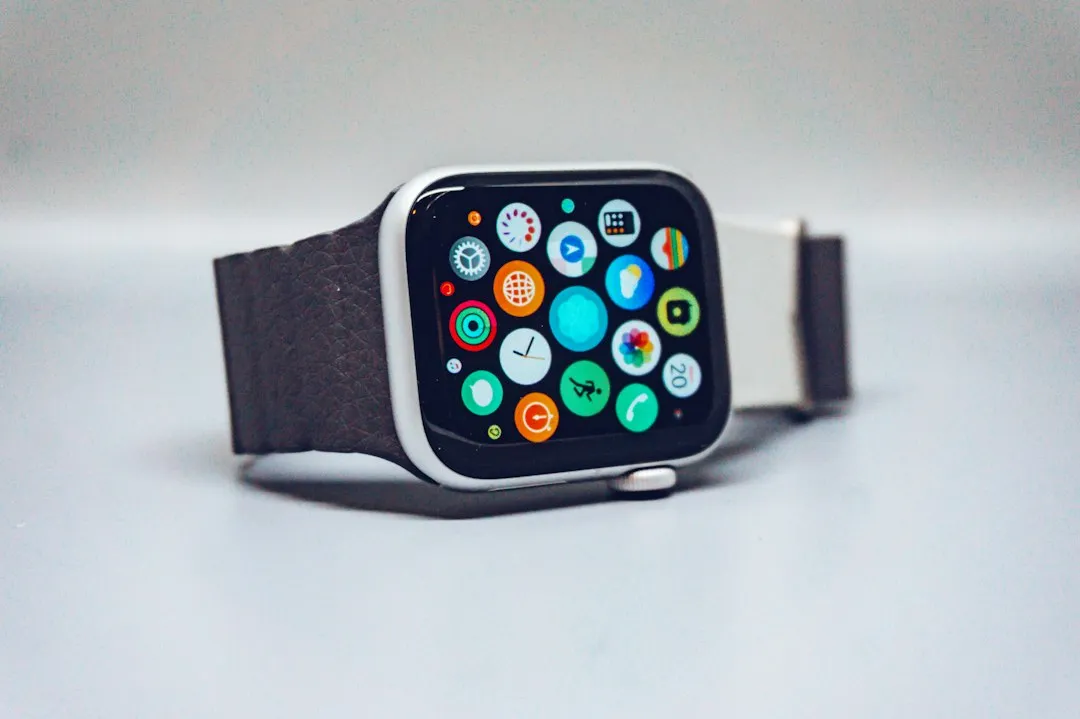
Apple Watch is a different category of device in terms of feature breadth. It measures heart rate continuously during workouts and tracks recovery rate for three minutes post-session. Series 4 and later models include ECG electrodes and irregular rhythm notification functions that involve reading the heart's electrical signals, not optical pulse detection, and Apple's documentation confirms the Watch also calculates heart rate variability using the same green LED system. AirPods don't attempt any of this. On average, exercise heart rate accuracy during treadmill running, no direct comparison between the two has been made under controlled conditions.
Apple Watch also has its own reliability limits, which is where AirPods can fill a gap. Apple's own documentation acknowledges that even under ideal conditions, the Watch cannot guarantee a reliable reading for every user in every situation, and a small percentage of users may get no reading at all. When wrist-based PPG degrades from a loose band, an awkward arm angle, or high wrist motion, the ear provides a second optical path that doesn't share those failure modes.
The practical implication of Apple's "highest confidence source" system is concrete: wearing both devices doesn't force a choice between them. AirPods Pro 3 function not as an Apple Watch replacement but as a sensor redundancy layer, most useful in the specific moments when wrist-based PPG is most likely to drop or degrade.
What the evidence supports and where the research still needs to go
The credibility claim holds. In a peer-reviewed, open-data validation published two months ago, AirPods Pro 3 tracked closely against a validated chest strap on five-second averaged treadmill data, with negligible systematic bias and no post-processing advantage applied to the AirPods output, PLOS Digital Health found. Better than most readers would assume from a pair of earbuds, and a genuine benchmark.
The ±10 bpm limits of agreement and the five-second epoch resolution together define when AirPods are the right tool. Steady-state cardio, calorie tracking, average zone monitoring: yes. Tight interval control, beat-to-beat responsiveness, clinical arrhythmia detection: no. Placement matters, fit matters, and conditions outside the lab haven't been validated.
The missing studies are substantial and worth naming specifically. No direct AirPods-versus-Apple-Watch accuracy comparison exists under controlled conditions. The research to date covers healthy young adults on treadmills; nothing has been validated for older adults, people with cardiovascular conditions, diverse ear anatomies, cycling, strength training, or outdoor running in varied weather. Free-living conditions, such as sweat, temperature swings, and unpredictable movement patterns, remain entirely untested for this device. Apple's "highest confidence source" claim about dual-device pairing has not been independently evaluated. The decisive next studies would need to run direct head-to-head comparisons across these populations and contexts before any broader conclusions hold.
Until that work appears, AirPods Pro 3 are credibly validated for what they've been tested on, and appropriately unproven everywhere else. Apple Watch retains a clear advantage in health features, such as ECG, arrhythmia detection, HRV, and recovery rate, that aren't within AirPods' scope. Whether in-ear sensing will eventually prove more accurate than wrist sensing across a wider range of real-world conditions is a question the research hasn't answered yet.





Comments
Be the first, drop a comment!