





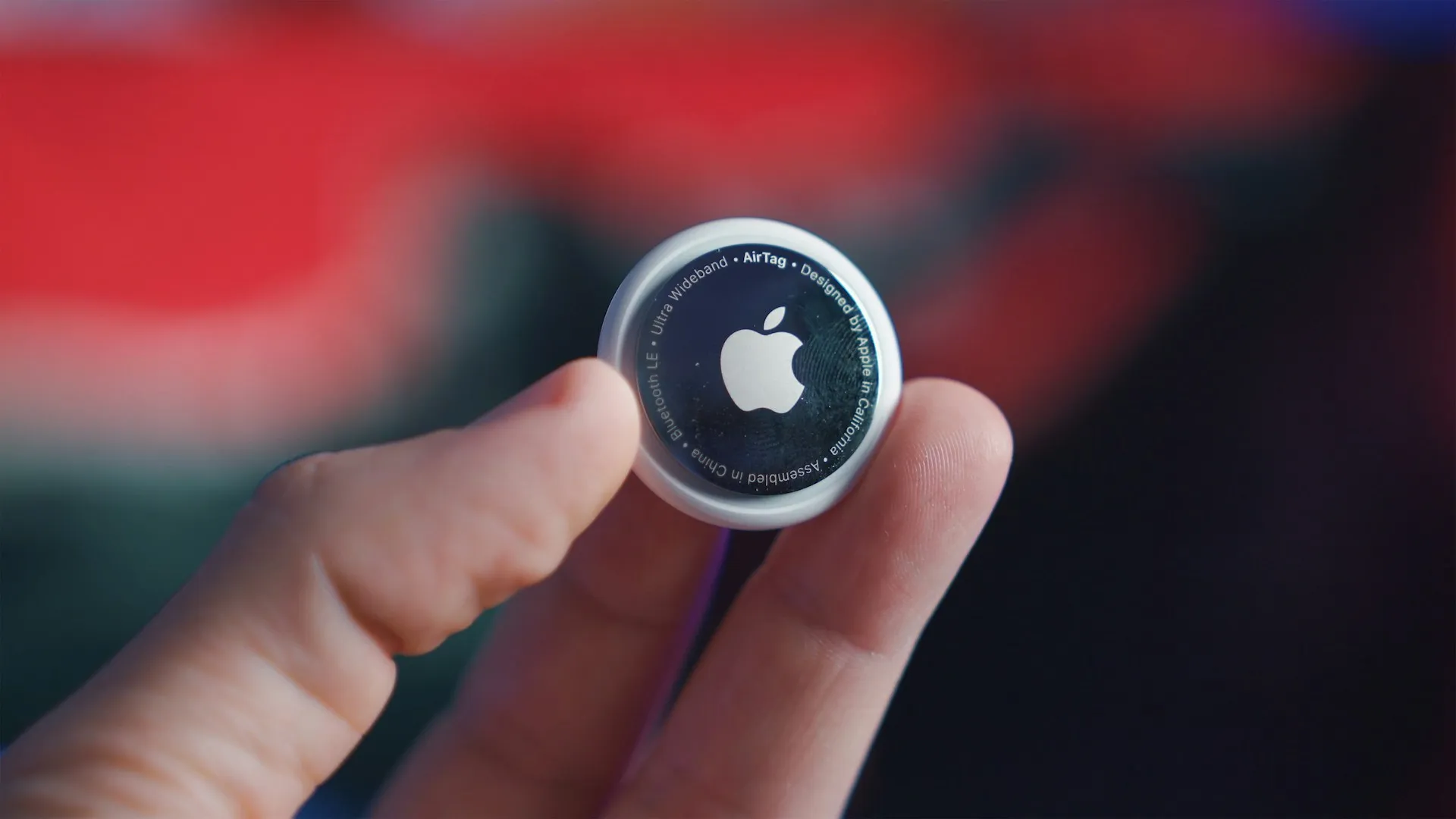
Apple's long-awaited AirTag 2 landed this week with a handful of solid upgrades—better range, improved privacy features, and a speaker that's tougher to disable. But for those of us tracking Apple's spatial computing ambitions, there's a glaring omission: no integration with Vision Pro. After months of rumors hinting that the second-generation tracker would play nicely with Apple's $3,499 headset, the silence is deafening. So what happened? Did Apple shelve the feature, or is this a case of software waiting in the wings?
As someone who's been following Apple's AR strategy closely, I've learned to read between the lines of what ships versus what gets quietly shelved. Let's break down what we expected, what we got, and what this radio silence might mean for Apple's broader AR roadmap—including those mysterious AirPods Pro with infrared cameras and the future of visionOS.
What the rumors promised (and what Apple delivered instead)
In the months leading up to AirTag 2's announcement, leaks suggested Apple was exploring ways to surface lost-item alerts directly in Vision Pro's field of view. The idea made intuitive sense: imagine glancing around your living room through the headset and seeing a glowing indicator hovering over your misplaced keys. Industry watchers speculated that Apple's Ultra Wideband chip—already used for Precision Finding on iPhone—could feed spatial data to visionOS, creating a seamless "look and locate" experience. It's exactly the kind of cross-device magic Apple loves to tout in their keynotes, the sort of feature that makes you think "of course that's how it should work."
Instead, what shipped was a more conservative update. AirTag 2 extends Bluetooth range, making crowd-sourced tracking more effective in sparse areas. Apple also hardened the built-in speaker against tampering, a direct response to stalking concerns that dogged the first generation. Privacy tweaks now let users share item locations temporarily with airlines or trusted contacts via a secure link—handy for lost luggage scenarios.
All worthwhile improvements, to be sure. But none of them require a headset. What this choice reveals is Apple's pragmatic prioritization: solving real-world problems like unwanted tracking and lost luggage takes precedence over showcase features that would benefit only a tiny fraction of users. The question is: why not deliver both?
Why Vision Pro integration isn't as simple as flipping a switch
One theory: the hardware just isn't ready. Vision Pro's current sensor suite—dual RGB cameras, LiDAR, and TrueDepth arrays—excels at mapping rooms and tracking hand gestures, but it lacks a dedicated UWB antenna. Without that radio, the headset can't tap into the same centimeter-level positional data that makes Precision Finding so effective on iPhone. Adding UWB would mean a hardware revision, and Apple rarely rushes those to market. They'd rather wait another product cycle than ship something that feels half-baked or tacked on—a strategy that's served them well with features like Face ID and ProMotion displays, where they waited until the technology could deliver an experience that felt genuinely premium rather than merely first-to-market.
There's also the software angle. VisionOS 2.x introduced new APIs for spatial anchors and persistent world tracking, but nothing publicly exposed suggests hooks for item-finder overlays. Building that UI—complete with real-time directional cues and occlusion handling—would require non-trivial engineering. Think about it: you'd need the system to understand not just where the AirTag is in 3D space, but how to render a visual indicator that makes sense when you're looking at a cluttered desk versus an open floor. For AR overlays specifically, precision matters even more than in traditional interfaces—a directional arrow that's off by even a few degrees creates confusion rather than clarity, and in a headset, that kind of imprecision can contribute to motion sickness or user distrust of the system. Apple's MO is to ship features only when they meet internal quality bars, and a half-baked "find my stuff in AR" experience could feel gimmicky rather than genuinely useful.
Finally, consider the user base. Analysts report Vision Pro shipped fewer than half a million units in its first year, according to third-party estimates. That limited install base affects not just Apple's feature prioritization, but developer investment in the platform—why build sophisticated spatial computing apps when your potential audience is smaller than a mid-sized city? Prioritizing a feature for such a narrow install base—when iPhone already handles AirTag finding beautifully—may not have cleared Apple's cost-benefit threshold. The company tends to reserve cross-device magic for moments that feel transformative, not incremental. They want features that make you say "I can't believe I lived without this," not "that's kind of neat, I guess."
The AirPods Pro wild card: infrared cameras and spatial awareness
Here's where things get intriguing. Multiple rumors from supply-chain sources indicate Apple is prototyping AirPods Pro equipped with outward-facing infrared cameras. The stated goal? Enhanced spatial audio and potential integration with future AR experiences. If those earbuds ship—current speculation points to late 2025 or early 2026—they could serve as a lightweight alternative to Vision Pro for basic AR tasks, including item finding.
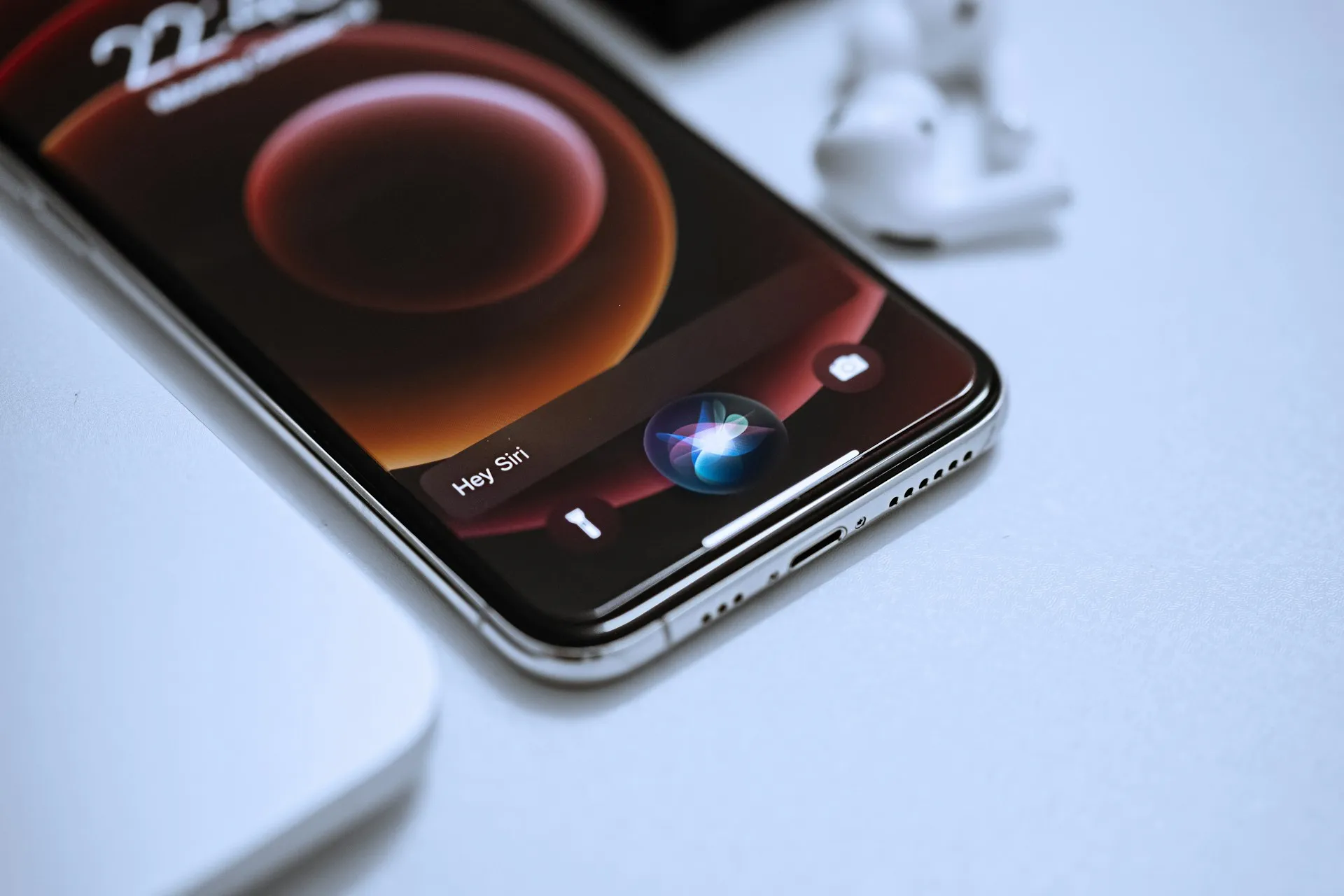
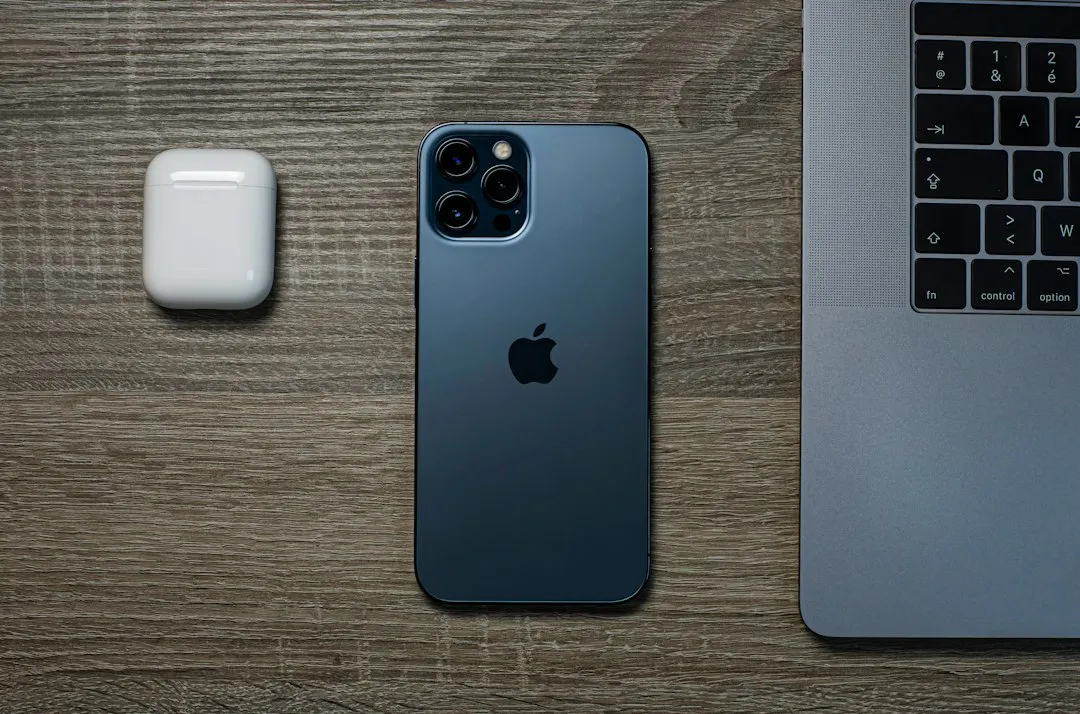
Imagine this scenario: you misplace your wallet, pop in your AirPods Pro, and ask Siri for help. The earbuds' IR cameras scan your surroundings, feeding positional data to your iPhone, which then delivers spatial audio cues ("two feet to your left, behind the couch cushion"). No headset required, just the wearables you already carry daily. That scenario doesn't demand Vision Pro integration at all—it leverages the existing Find My network and Apple's growing expertise in audio-based spatial computing.
What's interesting is how this approach sidesteps Vision Pro's adoption challenge entirely. Everyone already wears AirPods. Adding cameras to something people use for hours every day is a much easier sell than convincing them to strap on a headset just to find their keys. If Apple is betting on AirPods as the more accessible AR gateway, it makes sense to hold off on Vision Pro features until the broader ecosystem matures. Why build for a niche headset when millions of people will eventually wear camera-equipped earbuds? It's a classic Apple play: democratize the advanced feature through the product with massive market penetration, then bring premium capabilities to the high-end device once the use case is proven.
What this means for visionOS and Apple's AR roadmap
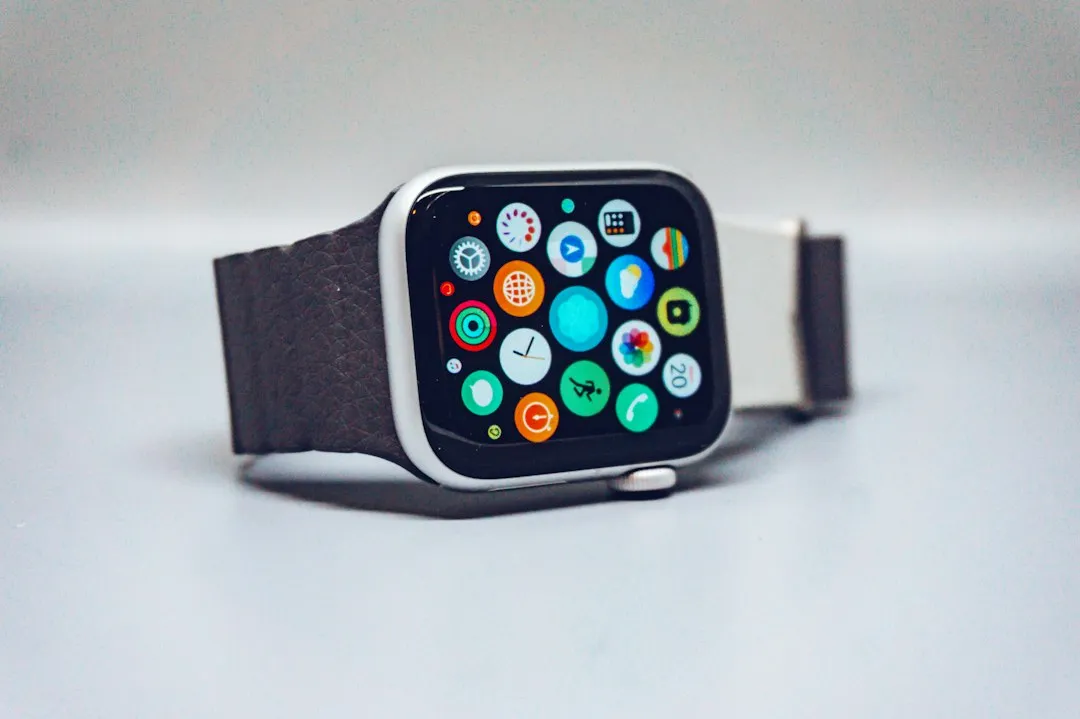
The absence of AirTag 2 integration in Vision Pro doesn't signal a retreat from spatial computing—it hints at a more gradual, deliberate rollout. Apple's pattern with new product categories has always been iterative. Think about Apple Watch: it launched as a confusing mix of fashion accessory and notification hub, and it took a couple of generations before fitness tracking emerged as the killer app. Same with AirPods—the first version was ridiculed for looking like electric toothbrush heads, but now they're everywhere. HomePod stumbled initially, got scaled back, then found its footing. The playbook is consistent: ship the hardware, gather real-world usage data, then layer in features that genuinely improve daily workflows.
VisionOS updates have focused on core productivity and entertainment so far—Mac Virtual Display improvements, new immersive environments, and better hand-tracking precision. Adding item-finding overlays feels like a "nice-to-have" rather than a must-ship feature for a first-generation platform still finding its footing. Apple likely wants Vision Pro to nail the fundamentals—comfort, app ecosystem, battery life—before piling on secondary use cases. These fundamentals matter especially for a $3,499 product that many buyers are evaluating skeptically; if the core experience isn't compelling enough to prevent returns, no amount of clever feature additions will save the platform.
There's also the possibility that software enablement is coming later. Apple has a history of unlocking features post-launch via iOS updates. Remember when the MagSafe Battery Pack showed up with basic functionality, then got smarter charging logic months later? Or how AirPods spatial audio for Apple TV arrived as a quiet software update rather than a big announcement? We've seen this playbook before with features like Handoff and Universal Control—quiet, behind-the-scenes plumbing that suddenly makes devices work together in surprising ways. This pattern of using software updates to test features before committing to hardware integration gives Apple flexibility to see what resonates with users before making costly manufacturing decisions.
If visionOS 3.0 or a later point release adds UWB emulation via Bluetooth or leverages iPhone as a relay, AirTag integration could arrive without any hardware changes. That would be very Apple: under-promise at launch, then deliver a "one more thing" moment six months down the line when the software catches up to the vision.
For now, the safer bet is that Apple is playing the long game. Vision Pro remains a developer platform and early-adopter experiment. AirPods Pro with IR cameras could democratize spatial awareness for the mass market. And AirTag 2, while lacking headset hooks today, is built on a UWB foundation that future software could tap into when the time is right. All the pieces are being positioned on the board. We just can't see the full picture yet.
The bottom line: patience over flashy demos
So where does that leave us? AirTag 2 is a solid, if unspectacular, refresh. It does what trackers should do—help you find stuff—with better range and stronger privacy guardrails. The missing Vision Pro feature stings a bit for those of us eager to see Apple's AR pieces click into place, but it's not a red flag. It's a reminder that Apple ships when ready, not when rumor mills demand. They've earned enough goodwill over the years to get the benefit of the doubt on timing, even if it means we have to wait a little longer for the cool stuff.
If you're a Vision Pro owner hoping for spatial item-finding, don't hold your breath for an imminent software update. But keep an eye on AirPods Pro rumors and visionOS roadmap leaks over the next year. The infrastructure is being laid—UWB in iPhones and AirTags, spatial audio in earbuds, world-tracking in headsets. When those threads converge, the "find my keys in AR" experience might arrive not as a Vision Pro exclusive, but as a feature that works across your entire Apple device lineup. That would actually be more impressive than a headset-only party trick—and far more useful to the millions of people who won't drop three grand on a headset but would happily upgrade their AirPods.
Pro tip: In the meantime, make sure your iPhone is running the latest iOS version to take full advantage of AirTag 2's extended range and new sharing features. The real magic, for now, still lives in your pocket—not on your face.


Comments
Be the first, drop a comment!