






Anthropic Mythos macOS Exploit: What Calif's M5 Claim Means
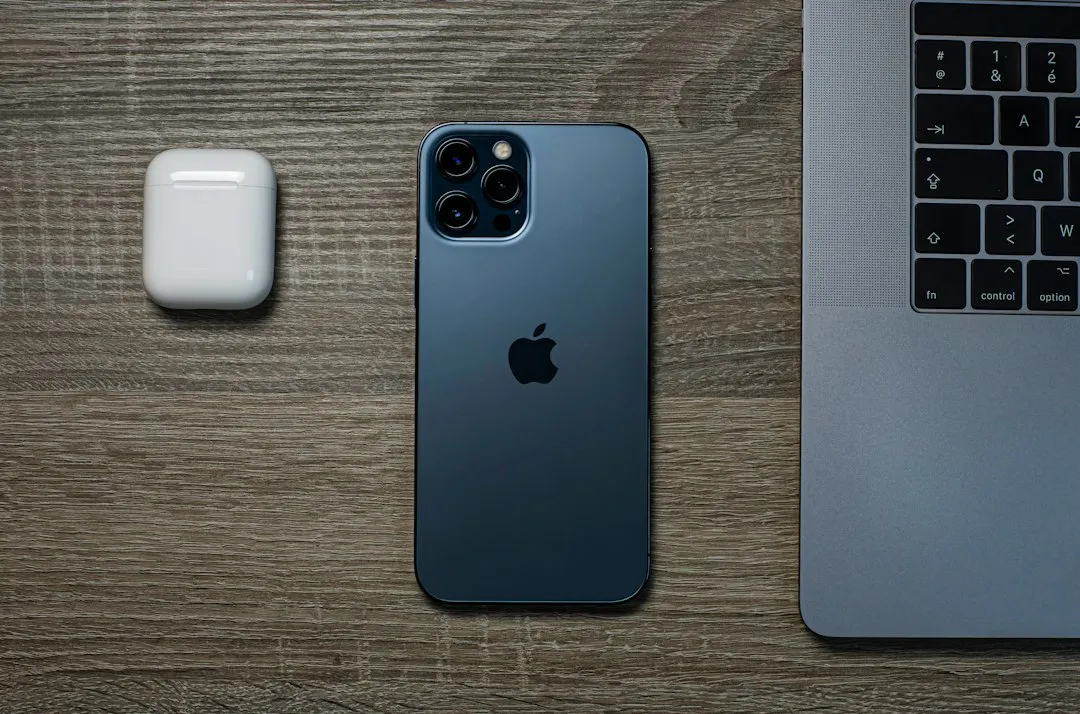
A Palo Alto security firm called Calif says it built what it describes as the first publicly disclosed Anthropic Mythos macOS exploit targeting Apple's M5 chip a kernel memory corruption attack used to escalate privileges and reach protected areas of a MacBook that should be inaccessible, potentially granting an attacker control of the machine, Engadget reported today, citing the Wall Street Journal. Apple told the Journal that security is its top priority and that it is taking the researchers' findings seriously, according to Engadget.
The story has limits worth stating upfront. The researchers are deliberately withholding technical details until Apple fixes the vulnerabilities, at which point they plan to publish a full writeup, Engadget reports. This is coordinated disclosure done correctly but it means the claim cannot yet be independently verified. The stronger read here is not that macOS is broken. It is that AI tools are meaningfully speeding up the early stages of exploit research, and the macOS case is the sharpest illustration of that shift so far.
What the Anthropic Mythos macOS exploit claim does and doesn't show
Start with the terminology, because the precision matters.
"Kernel memory corruption" describes a class of vulnerability where an attacker manipulates the operating system's core memory management in ways it was not designed to permit. On macOS, Apple's XNU kernel is hardened with multiple layers of mitigations, which makes working exploits against it comparatively rare and technically demanding. "M5 silicon" is Apple's most recent chip generation, meaning this targets current, shipping hardware.
"First public" is the critical qualifier. It does not mean no one has ever found such a vulnerability it means no one has previously published a working exploit of this kind. Nation-state actors and private researchers may have developed similar capabilities without disclosure.
Key details remain undisclosed: which macOS version is affected, what conditions the exploit requires to run, and whether it works as a standalone local privilege escalation or as part of a broader chain. Those gaps are not minor. The difference between a local escalation that requires physical access and a remotely executable attack is the difference between a notable lab finding and an urgent patch. Until Calif publishes its full technical writeup, the claim is credible enough to take seriously Apple's response supports that but not established enough to treat as a confirmed break of M5's defenses.
What Mythos contributed and where humans remained essential
Calif used Mythos across two phases: identifying the underlying vulnerabilities and supporting the development of the exploit itself, Engadget reports. The model moved quickly through the discovery phase because the bugs belonged to known vulnerability classes it recognized familiar patterns rather than inventing new attack techniques from scratch, per Engadget. Human expertise was still required to design the actual exploit chain.
That division of labor is well-supported by independent data. A replication of the Mythos vulnerability-discovery workflow published on GitHub last month found the scaffold performs well for the discovery phase but only partially for live exploit development and does so at roughly 25–50x lower cost per scan than comparable approaches, according to the project. Google's threat intelligence team, in a report published four days ago, found that adversaries using AI tools most commonly apply them the same way ordinary users do: research and troubleshooting, not autonomous offensive action, Google Cloud Blog reported.
The consistent picture is acceleration, not autonomy. AI is cutting the cost and time of the early stages finding bugs, mapping known vulnerability classes, generating candidate paths while humans remain the critical ingredient for turning a discovery into a working exploit. A task that once required senior researcher hours now requires fewer of them. That change in economics affects both defenders and attackers in equal measure.
Some claims in circulation go considerably further. A Cloud Security Alliance lab post from last month describes Mythos autonomously producing thousands of working exploits across every major operating system and browser without human guidance, per the CSA lab. Those claims are not corroborated by primary Anthropic documentation in the public record, and they sit in tension with what the macOS case and the GitHub replication project actually show. The macOS case, with its explicit reliance on human expertise for exploit design, is the better-evidenced picture.
The same tool, used on both sides
The macOS case does not stand alone. Mozilla credited Mythos with surfacing 271 vulnerabilities in the latest Firefox release, all patched before publication, Engadget reports. Anthropic launched Project Glasswing in April to channel Mythos's discovery capabilities toward defensive patching, with partners including Apple, Google, Microsoft, AWS, Cisco, and NVIDIA, according to the CSA lab.
That same week, Google's Threat Intelligence Group disclosed that it had, for the first time, identified a threat actor using a zero-day exploit it believes was developed with AI assistance, with clear signs of automation and scaled vulnerability research in the actor's workflow, Google Cloud Blog reported.
The same capability that Anthropic is deploying defensively under Glasswing is now appearing in offensive research and, according to Google, in active adversarial operations. The technology does not pick sides.
For Apple specifically, this has a concrete implication. Platform security depends not just on kernel hardness but on the ability of security teams at Apple and across the broader research community to find and patch flaws before attackers weaponize them. AI tools that compress the discovery timeline on the research side put pressure on patching cadence and coordinated disclosure infrastructure. The Cloud Security Alliance lab post noted a reported 10–15x surge in vulnerability submissions to Linux kernel maintainers following wider adoption of AI-assisted discovery tools, though that figure warrants independent confirmation before being taken as settled fact, per the CSA lab. That volume pressure is an early preview of what triage looks like when discovery is no longer bottlenecked by human hours.
What Mac users and security teams should do now
For Mac users, the immediate picture is straightforward. Apple has not yet issued a patch, and no public exploit exists. When a security update addressing this vulnerability ships, install it. The researchers are following coordinated disclosure norms, and nothing in the available reporting indicates this exploit has been used outside a controlled research environment.
For security teams, the more durable takeaway is structural. AI-assisted tools are genuinely making the early stages of vulnerability research faster and cheaper supported by this case, the Firefox disclosure, and the GitHub replication work, per Keyvanhardani/mythos-research. Google's finding that threat actors are beginning to incorporate AI into zero-day development is a concrete data point worth watching, per Google Cloud Blog.
The question for platform vendors is no longer whether AI will change vulnerability research. It has. The harder question is whether patch infrastructure, coordinated disclosure norms, and internal security response capacity can scale to match a discovery pipeline that no longer waits on human hours to run.










Comments
Be the first, drop a comment!