



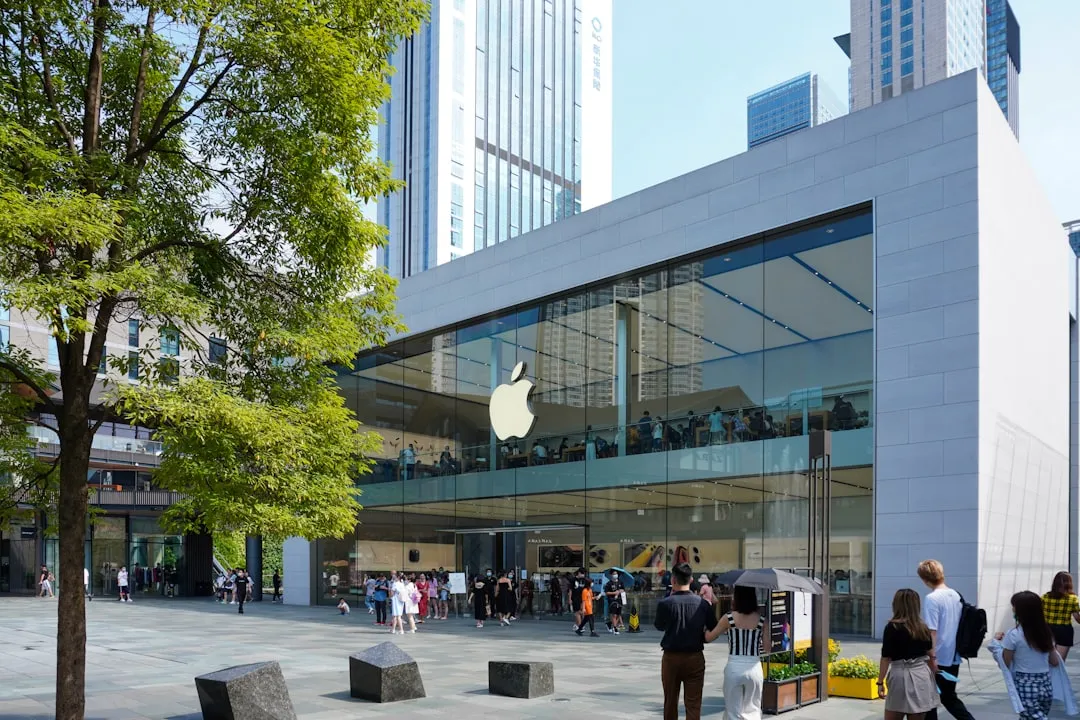
When you look at China's smartphone market, Apple's Q4 2025 performance is nothing short of remarkable. The company managed to capture a commanding 22% market share during the fourth quarter, according to Counterpoint Research's Market Monitor Tracker, despite operating in an environment where overall smartphone shipments actually declined by 1.6% year-over-year. What makes this achievement even more impressive is the strategic implications: Apple didn't just survive market headwinds – they transformed them into competitive advantages through superior product positioning and execution timing.
The numbers tell a compelling story of market disruption. Apple's 28% surge in iPhone shipments during the holiday quarter, as reported by Economic Times, demonstrates the company's ability to capture disproportionate growth when competitors struggled. The company's handsets accounted for one in every five smartphones shipped during the December quarter, according to TipRanks, representing a significant milestone in what's traditionally been one of Apple's most challenging markets.
What drove Apple's remarkable Q4 performance?
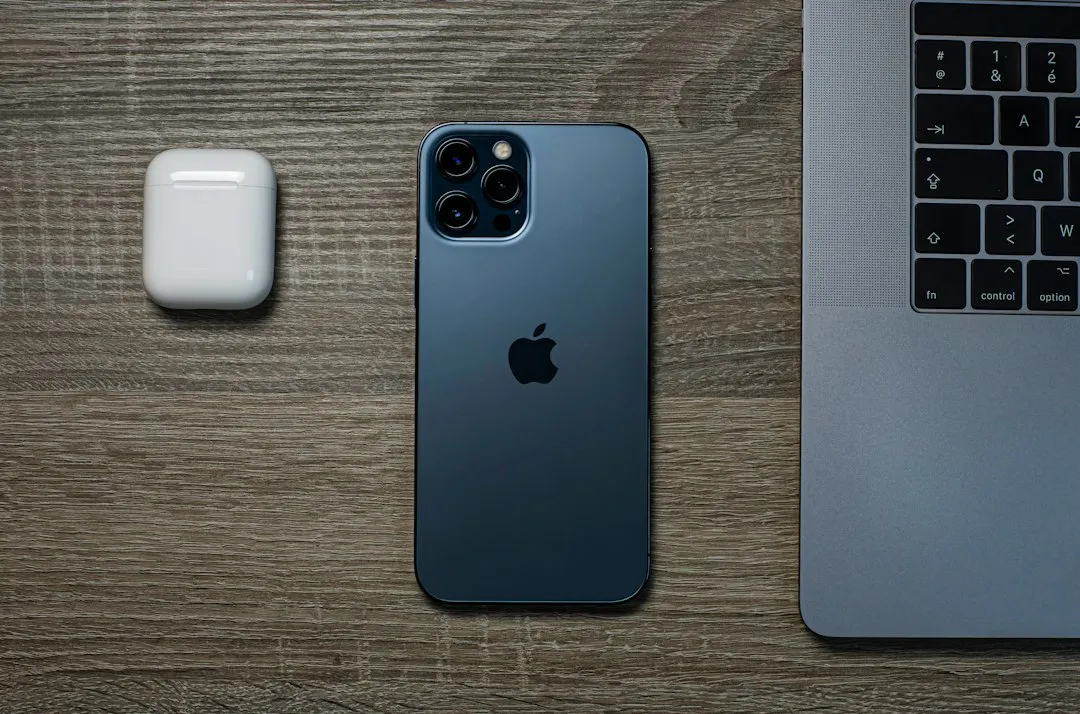
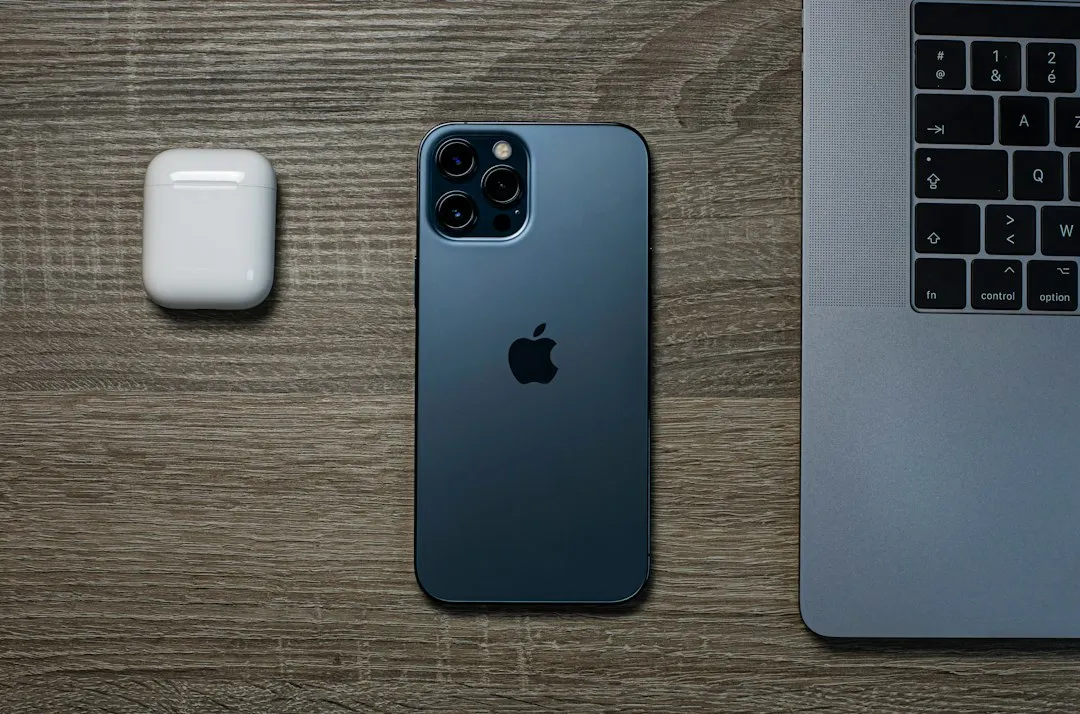
The iPhone 17 series emerged as a masterclass in strategic product positioning. Let's break it down: the iPhone 17 Pro series benefited from what analysts described as a "distinctive new camera design," according to TechRepublic. But here's where Apple's strategy becomes particularly brilliant – the base iPhone 17 models offered double the storage capacity compared to the previous year's equivalent models at the same price point, as noted by TechRepublic. This dual-tier approach allowed Apple to compete both in the premium innovation space and the value-conscious segment simultaneously.
Apple's supply chain execution played an equally crucial role, with an accelerated supply ramp ensuring adequate availability during peak demand periods. This timing advantage became particularly significant when you consider competitor missteps – while Apple was ramping up supply, other manufacturers faced delays that cost them critical holiday sales momentum.
The iPhone Air, however, tells a different story about market timing and product-market fit. The device delivered only a low single-digit market share after experiencing a delayed launch, according to research data. The late launch and trade-offs between thinness and the feature set resulted in a slow start for the iPhone Air, as noted by Times of India. This demonstrates that even Apple's success required precise execution – not every product variant resonated equally with Chinese consumers.
What's particularly noteworthy is how Apple's strategy addressed the unique characteristics of China's smartphone market. Chinese consumers have historically gravitated toward devices offering exceptional value propositions, and Apple's doubled storage approach directly addressed this preference while maintaining premium positioning for those seeking cutting-edge features.
How did competitors fare in this shifting landscape?
The competitive dynamics during Q4 reveal fascinating insights about execution timing and market positioning strategies. OPPO managed to secure second place during the fourth quarter with impressive 15% year-over-year growth, as reported by TechRepublic. Their success came from strong sales of the Reno series and strategic new launches including the Find X9 and OnePlus 15 series, according to Times of India. OPPO's ability to coordinate multiple product line launches effectively positioned them to capitalize on market opportunities that other competitors missed.
The Huawei situation illustrates how critical timing can be in competitive markets. Despite losing the Q4 crown to Apple, Huawei still maintained its position as the full-year market leader in China for 2025, according to TechRepublic. However, their fourth-quarter performance suffered significantly due to the delayed launch of the Mate 80 series relative to competing models, as noted by research data. This timing miscalculation during the crucial holiday quarter directly benefited competitors like Apple who had their flagship products readily available when consumer demand peaked.
Among other manufacturers, strategic positioning varied significantly in effectiveness. Vivo's iQoo 15 gained traction through strong value positioning powered by Qualcomm's newest flagship chip, per Times of India reporting. Meanwhile, Xiaomi's 17 series gained momentum with Pro models and the 17 Ultra launching earlier than previous generations, and Honor's X70 and 400 series continued steady demand, according to the same source.
The broader lesson from these competitive dynamics is that Q4 success in China required a combination of strategic product positioning, flawless execution timing, and compelling value propositions across multiple price segments.
What does this mean for Apple's broader China strategy?
Apple's Q4 success represents a fundamental validation of their premium positioning strategy in China's increasingly sophisticated market. For the full year 2025, Apple's shipments in China climbed 7.5%, according to Economic Times. The strategic significance becomes clear when you consider that this growth occurred while the overall Chinese smartphone market declined by 0.6% for the full year, as reported by Times of India. Apple's ability to capture market share gains in a contracting market demonstrates the effectiveness of their premium resilience strategy.
This performance also validates Apple's approach to supply chain management during challenging periods. Industry analysts noted that premium phones have been less affected by supply chain constraints, according to TipRanks. Apple's premium positioning strategy naturally shields them from some market volatilities that affect mid-range and budget competitors more severely, creating a sustainable competitive advantage in uncertain economic conditions.
The strategic implications extend far beyond quarterly market share metrics. Apple's success demonstrates that Chinese consumers increasingly value innovation and quality over pure cost considerations, particularly in the premium segment. The strong reception of both the Pro models' camera innovations and the base models' enhanced storage value propositions suggests Apple has successfully identified and addressed key decision factors for different consumer segments within the Chinese market.
Perhaps most importantly, Apple's Q4 performance positions them strategically for long-term competition in China. Their ability to achieve growth while navigating various market challenges, including memory chip shortages that affected the broader industry, demonstrates operational resilience that will be crucial as market conditions continue evolving.
Where does Apple go from here?
Apple's Q4 triumph establishes a strong foundation, but sustaining this momentum requires navigating significant headwinds on the horizon. The company's achievement of capturing one in every five smartphone shipments during the December quarter provides solid market positioning, yet upcoming challenges will test their strategic adaptability. Memory prices are expected to rise significantly, with increases of 40-50% projected for Q1 2026 followed by an additional 20% increase in Q2 2026, according to Economic Times.
Here's where Apple's premium positioning strategy becomes particularly advantageous: rising component costs typically impact premium brands less than mid-range competitors, since premium customers are generally less price-sensitive and more focused on feature differentiation. Apple's established ability to pass through cost increases while maintaining demand gives them a structural advantage as the industry faces these pricing pressures.
Bottom line: Apple has demonstrated they can win decisively in China when they deliver the right combination of innovation, value, and execution timing. The iPhone 17 series success validates that Chinese consumers respond enthusiastically to both premium features (like the distinctive camera design in Pro models) and strategic value enhancements (like doubled storage at consistent pricing in base models). Their 28% surge in iPhone shipments while the overall market declined 1.6% proves they're creating their own demand rather than simply capturing existing market growth.
The path forward will require Apple to leverage their current momentum while adapting to evolving market conditions. Their Q4 2025 performance in China represents one of the company's most impressive competitive victories in a market that has historically presented significant challenges. Success factors that emerged – strategic product tiering, superior execution timing, and compelling value propositions across segments – provide a proven playbook for sustaining their newfound leadership position against both established domestic competitors and rising market pressures.






Comments
Be the first, drop a comment!