




Apple just made some major moves in its product lineup, and if you're invested in the Apple ecosystem, these changes could directly impact your next purchase decision. The company has discontinued several different products to make room for what's expected to be a significant refresh of iPhones and MacBooks.
This isn't just spring cleaning—it's a strategic reshuffling that affects everything from resale values to future software support timelines. Whether you're eyeing an upgrade or wondering about the longevity of your current device, understanding Apple's product cycle strategy has never been more crucial.
What Apple's mass discontinuation tells us about their strategy
Apple's decision to discontinue multiple products simultaneously reveals a calculated approach to inventory management and market positioning. This level of product culling typically signals major hardware refreshes on the horizon, as the company clears both physical and mental shelf space for new offerings.
Looking at Apple's historical patterns, we can see this behavior before major product launches. Take the 2020 iPhone 12 launch, when Apple discontinued several older iPhone models to create a cleaner lineup distinction. The same pattern emerged before the M1 MacBook launches in late 2020, when multiple Intel-based models were quietly removed from the lineup.
The timing of these discontinuations aligns with Apple's historical patterns of preparing for fall product launches. By removing older models now, Apple creates a cleaner narrative around its upcoming releases while avoiding the confusion that comes with too many similar products competing for attention. Think of it like decluttering your closet before a shopping spree—you want to see what you actually need without being overwhelmed by options that no longer serve you.
This strategic pruning also reflects Apple's commitment to streamlining its ecosystem. Rather than maintaining numerous variations that might cannibalize sales from newer models, they're focusing consumer attention on fewer, more distinct options. It's a move that benefits both Apple's bottom line and consumer decision-making, though your wallet might have mixed feelings about the reduced competition between similar models.
How discontinued products affect your upgrade timeline
When Apple discontinues a product, it sets off a chain reaction that directly impacts existing users. Software support typically continues for several years, but the clock starts ticking more definitively once a device leaves the active lineup.
Based on Apple's historical support patterns, iOS devices typically receive major updates for 5-6 years after their initial release, with security updates continuing even longer. Mac devices generally see support for 7-8 years from their launch date. Once a product is discontinued, you can usually count on receiving updates for at least 3-4 more years, giving you a predictable timeline for planning your next upgrade.
Your current device's resale value will likely see immediate effects. Discontinued models often experience a temporary spike in demand from users seeking familiar hardware, followed by a gradual decline as newer alternatives become established in the market. During the iPhone X discontinuation in 2018, for example, resale values initially held steady as users preferred its design over the newer iPhone XR, before gradually declining as the market adjusted.
The discontinuation also signals when to start planning your next upgrade. If your current device is among those discontinued, you're now looking at a finite support window—though Apple's track record suggests you'll have several years before facing any real limitations. This is actually helpful information for budgeting and planning purposes, even if it feels a bit like getting a retirement countdown.
Third-party opportunities in Apple's wake
Apple's product discontinuations create interesting opportunities in the broader ecosystem. Major retailers like Best Buy, Amazon, and B&H often adjust pricing on remaining inventory, sometimes offering discounts of 10-15% on discontinued models that remain fully capable for most users.
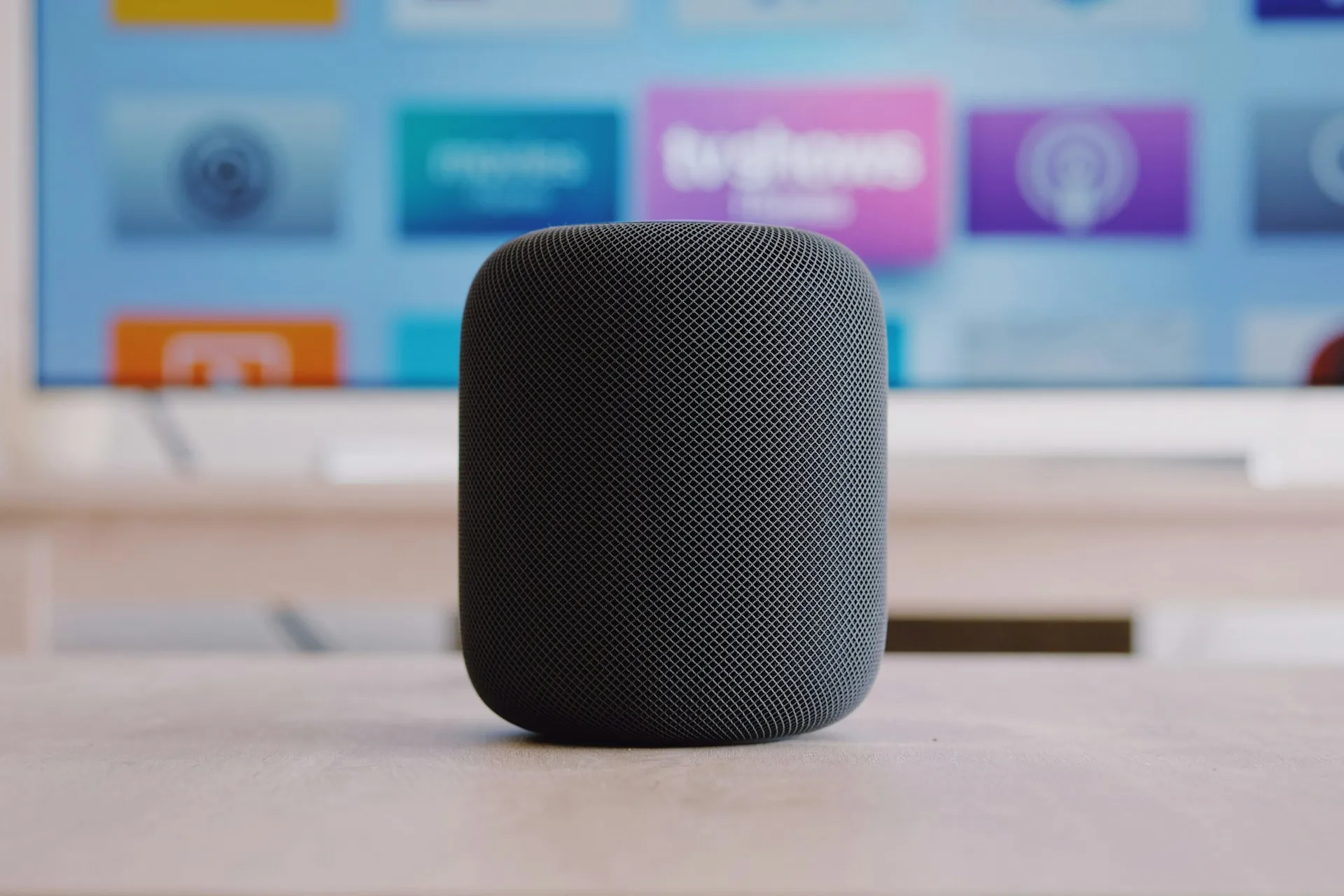
When Apple discontinued the original HomePod in 2021, authorized resellers saw increased demand and competitive pricing on remaining stock. Similarly, the 2019 discontinuation of the MacBook Air led to attractive deals from retailers clearing inventory before the redesigned model arrived.
The refurbished market typically becomes more active as well. Apple's own refurbished store regularly offers discontinued models at 10-15% below their original retail price, complete with the same warranty as new devices. Third-party refurbishers like Gazelle and Swappa also see increased inventory as consumers upgrade to newer alternatives, creating opportunities for budget-conscious buyers seeking quality Apple hardware.
For accessories and repair services, discontinued products present both challenges and opportunities. While some components may become harder to source over time, the immediate period following discontinuation often sees stable availability as the supply chain adjusts. If you're planning to keep a discontinued device for the long haul, now might be a good time to stock up on any specific accessories or cases you rely on.
What this means for the upcoming iPhone and MacBook launches
The scale of these product discontinuations suggests Apple is preparing for more than incremental updates. When the company removes multiple products simultaneously, it typically indicates significant changes in design, features, or positioning for the incoming models.
Based on Apple's typical launch timeline, we're likely looking at new iPhone models in September, following the company's established pattern since 2012. For MacBooks, Apple has been less predictable since transitioning to Apple Silicon, but major updates often coincide with WWDC announcements in June or fall hardware events.
For iPhones, this clearing of the deck could signal major design changes that would make older models feel distinctly outdated. When Apple discontinued multiple iPhone models before the iPhone X launch in 2017, it marked a significant design shift that redefined the entire lineup's trajectory.
MacBook discontinuations often precede more substantial changes in the laptop lineup. The 2020 discontinuation of several Intel-based MacBooks preceded Apple's transition to M1 chips, fundamentally reshaping their portable computing strategy. Whether we're looking at new form factors, significant performance jumps, or different positioning within the Mac ecosystem, the cleared product lineup gives Apple room to tell a cleaner story about their portable computing vision.
What's particularly telling is how this discontinuation pattern suggests Apple is confident in whatever they're preparing to launch. Companies don't usually clear this much inventory unless they're certain the replacements will be compelling enough to drive sales.
Making sense of Apple's ecosystem evolution
Apple's strategic product discontinuations represent more than routine inventory management—they're clear signals about the company's vision for its ecosystem's future. The timing and scale of these changes suggest we're approaching a significant refresh cycle that will reshape both iPhone and MacBook lineups.
For consumers, this creates both urgency and opportunity. If you're using one of the discontinued models, you now have a clearer timeline for planning your next upgrade. It's not an emergency, but it is a heads-up that your device has entered its final chapter in Apple's active ecosystem. Based on historical patterns, you can expect continued software support for several years, giving you time to plan strategically rather than react urgently.
If you're in the market for Apple hardware, the next few months will likely bring compelling new options alongside potentially attractive deals on current inventory. Retailers often become more flexible with pricing on discontinued models, especially as launch seasons approach.
The bottom line: Apple is making space for something significant, and understanding these discontinuation patterns gives you a valuable head start on making informed decisions about your next Apple purchase. Whether that means securing a soon-to-be-discontinued model at a discount, holding out for the new releases, or simply planning your upgrade timeline more strategically, this kind of ecosystem housekeeping provides useful signals about where Apple sees its product lines heading.
If you're happy with your current Apple device and it's among the discontinued models, don't panic about upgrading immediately. Instead, use this as a planning opportunity to start researching your eventual replacement and maybe setting aside upgrade funds for when the time genuinely comes to move on. Apple's historical support patterns mean you likely have 3-4 years of solid software support ahead of you.





Comments
Be the first, drop a comment!